
1976 Mercedes-Benz 450 SL
$7,495
Vehicle Details
Mercedes-Benz
450 SL
1976
77,000 miles
AMS35404
Convertible
Automatic
Gasoline
Description
1976 450sl with 77k miles in need of total restoration! Been sitting for a while was running great once parked a while back. Replaced fuel tank, fuel pump, fuel filter and accumulator fuel screen and sending unit. Just added a new battery all electrical work windows and lights.
It does need a new distributor and some paint I do have the door panel and hard top soft tops in ok condition no rips. Clean title in hand. Please Note The Following **Vehicle Location is at our clients home and Not In Cadillac, Michigan. **We do have a showroom with about 25 cars that is by appointment only **Please Call First and talk to one of our reps at 231-468-2809 EXT 1 **
Classic Mercedes-Benz 450 SL Buyer's Guide
Mercedes-Benz 450 SL Market Overview
Based on 55 Mercedes-Benz 450 SL listings currently on ClassicCarsArena.com
Classic Mercedes-Benz 450 SL Buyer's Guide
The Mercedes-Benz 450 SL is the highest-volume variant of the legendary R107 SL platform, which ran from 1971 through 1989 — the longest production run of any Mercedes-Benz body style ever. Built with the over-engineered standards that defined Stuttgart in its golden era, the 450 SL combined the 4.5L V8 with the unmistakable convertible roadster silhouette and a build quality that has allowed many of these cars to survive in remarkable condition fifty years on. For collectors entering the SL market today, the 450 SL represents the most accessible entry into proper R107 ownership — and the smart-money buy when patience and proper inspection guide the purchase decision.
What to Check Before Buying
Common Issues
What to Look For
Price Guide
Did You Know?
1976 Mercedes-Benz 450 SL
Contact Seller
Listed by dealer
Nationwide consignment dealer
Classic Car Deals lists vehicles from owners across the country. The vehicle is at the owner's home — not at the dealer's address. Contact the dealer to confirm the vehicle's actual location before traveling.
Buying safely?
Read our scam-avoidance tips before paying →
Listing Actions
Browse by Era
1970s Classics for SaleAll 1976 Classics
Browse all 1976 Cars for SaleOriginal Factory Colors
Official paint codes for the Mercedes-Benz 450 SL (1976).
🎨 View Factory ColorsModel History
How the Mercedes-Benz 450 SL evolved (1972–1980) — 3 generations.
📈 View Full EvolutionGet classic car alerts
Latest arrivals, newest deals, and discount coupons — straight to your inbox.
Selling your classic car?
Reach millions of classic car enthusiasts on the largest US classics marketplace.
Sell Your Car →Similar Listings
 Dealer
 United States
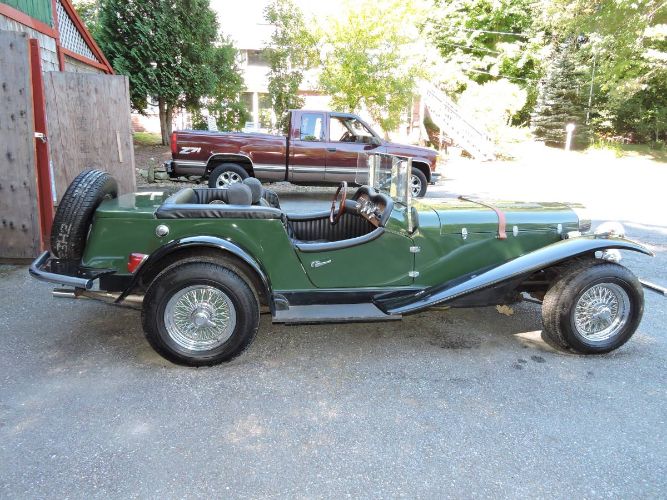
1929 Mercedes-Benz Gazelle
 Dealer
United States
Dealer
United States
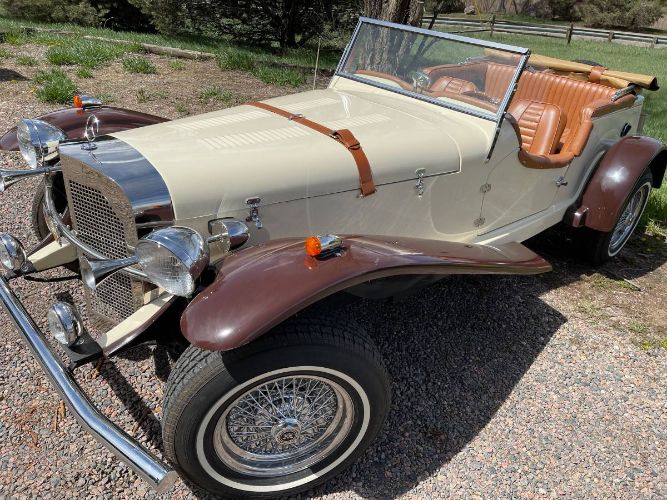
1929 Mercedes-Benz SSK
 Dealer
United States
Dealer
United States
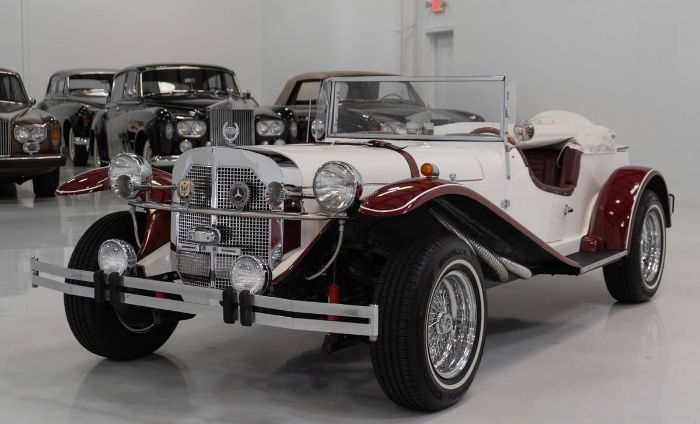
1929 Mercedes-Benz SSK
 Dealer
United States
Dealer
United States
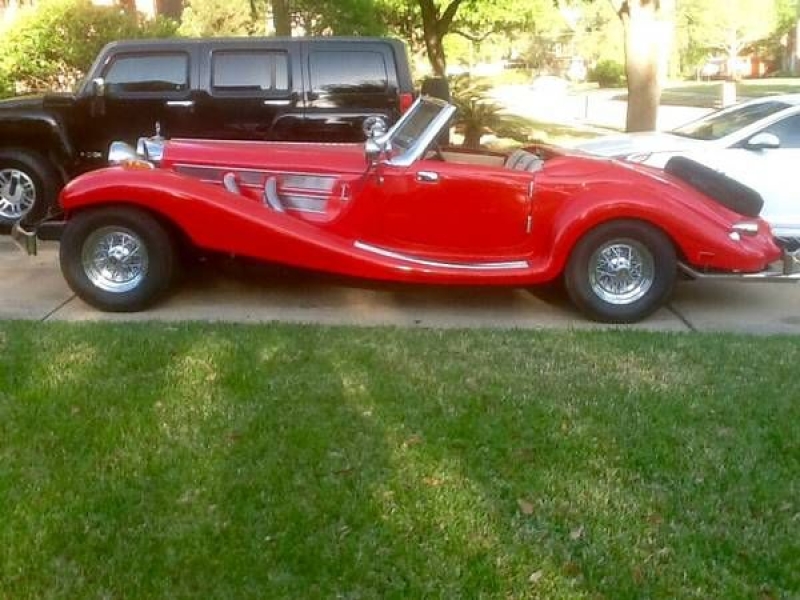
1934 Mercedes-Benz 500K
Contact Seller
Call this seller?
You're about to call Classic Car Deals about the 1976 Mercedes-Benz 450 SL.
+1 (231) 468-2809
Report this Ad
Help us keep the marketplace clean. Our moderation team reviews every report within 24 hours.