
How much is a Dodge Super Bee worth in 2026?

In my shop, the most common issue I see on Super Bees isn't mechanical — it's documentation. These cars were driven hard and documented poorly, and the Dodge fraternal twin to the Road Runner has attracted its share of "upgraded" presentations. The VIN, the trim tag, and the broadcast sheet are the starting points on any Super Bee evaluation. Work backward from the paperwork, not forward from the seller's story.
Super Bee vs Road Runner: The Differences That Matter
The Super Bee (Dodge) and Road Runner (Plymouth) are B-body Mopar twins with different front fascias, trim levels, and dealer networks. The Super Bee used the Coronet body shell; the Road Runner used the Belvedere. Mechanically they were functionally identical — same 383 Magnum standard, same 440 and Hemi options, same 4-speed or TorqueFlite transmission choices. The Dodge tended to be slightly better equipped (wheel lip moldings, different interior) for a small premium over the Plymouth. Collectors generally prefer Hemi Super Bees over Road Runners at equivalent price points due to slightly lower production numbers, but the market premium is small.
| Engine | Years Available | Approx. Production | 2026 Value |
|---|---|---|---|
| 383 Magnum (standard) | 1968–1971 | Majority of production | $38,000–$80,000 |
| 440 Magnum | 1968–1971 | Moderate | $60,000–$110,000 |
| 440+6 (Six Pack) | 1969–1971 | Low | $85,000–$160,000 |
| 426 Street Hemi | 1968–1971 | Very low (~220 total over run) | $150,000–$280,000+ |
1968–1971 Year-by-Year
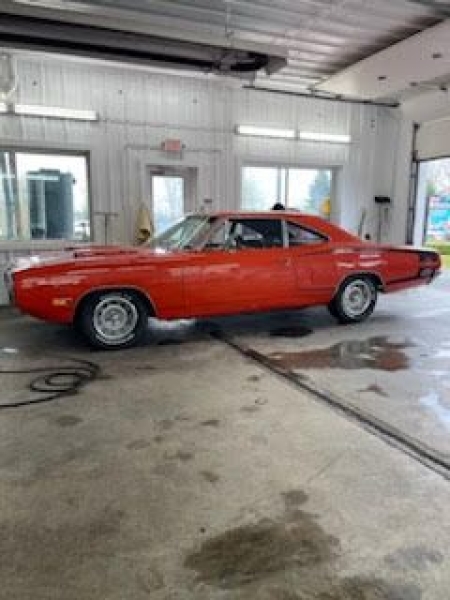
The 1968 is the original specification — two-door hardtop or coupe, 383 standard, relatively plain trim. The 1969 received the iconic "bumblebee" stripe around the tail and the six-pack option. The 1970 benefited from the same sheet metal update as the Road Runner and is considered the best-looking Super Bee. The 1971 — the final year — saw the Super Bee name move to the Charger body shell, which collectors regard as a departure from the original concept; most genuine Super Bee buyers target 1968–1970.
"The Super Bee and the Road Runner are the same car with different badges — until you're comparing them directly, when the details start to matter. The Dodge tended to come slightly better equipped, and the Super Bee name ended in 1971, which gives the early cars a clean run. Either way, the 383 Magnum cars are honest value at current prices."
— Mike Sullivan
Browse current listings
 Dealer
 United States
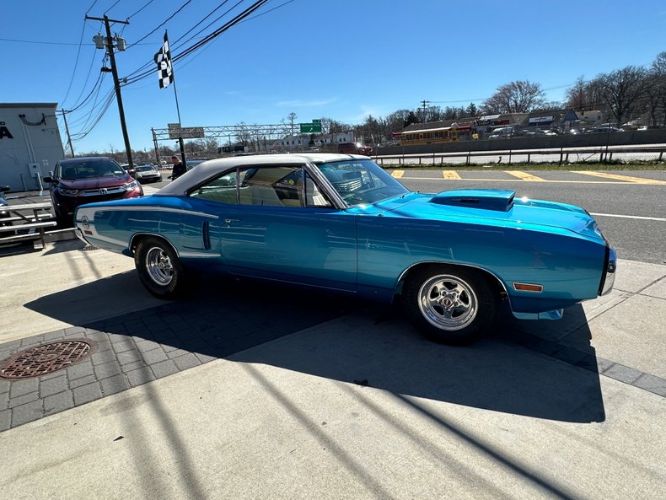
1970 Dodge Super Bee
 Dealer
United States
Dealer
United States
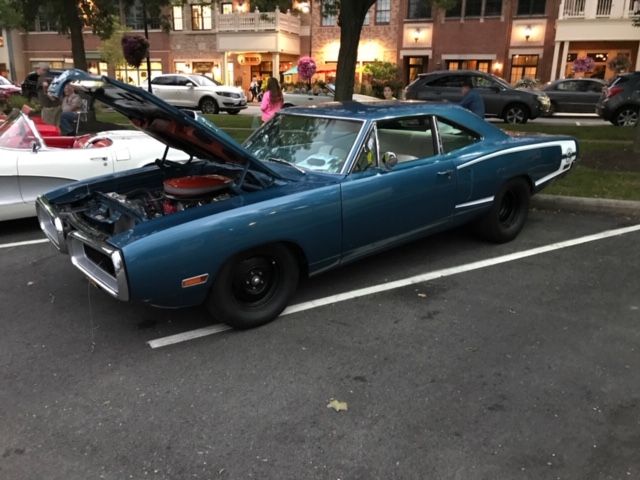
1970 Dodge Super Bee
 Dealer
United States
Dealer
United States
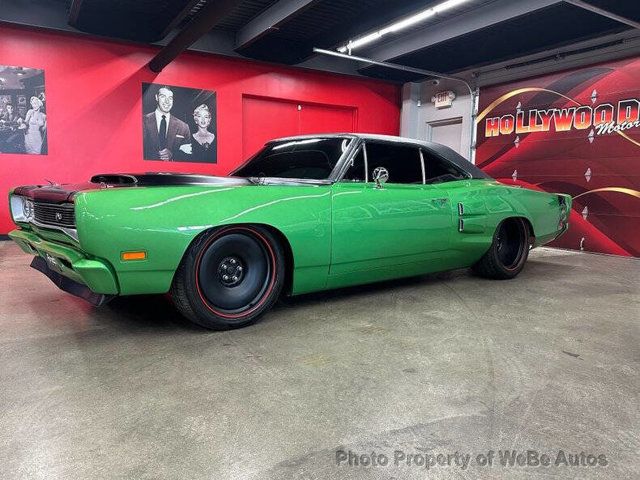
1969 Dodge Super Bee
 Dealer
United States
Dealer
United States
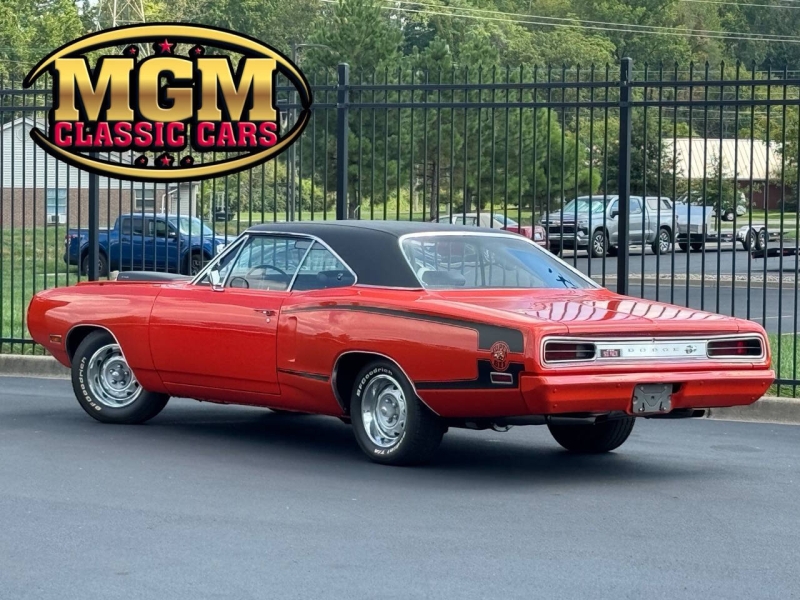
1970 Dodge Super Bee
 Dealer
United States
Dealer
United States