
Plymouth Road Runner vs Dodge Super Bee — Budget B-Body Mopar Twins
<p>The Plymouth Road Runner (1968) and the Dodge Super Bee (1968) are the same car with different badges — almost. Both were Chrysler's answer to the same market insight: buyers wanted serious B-body Mopar muscle without the luxury content of the Charger or GTX, and they would pay for performance but not for carpet and sound deadening. Both used the same B-body platform, the same 383 Magnum standard engine, the same 440 and 426 Hemi options, and the same TorqueFlite or 4-speed transmission choices. The differences are in the body shell, the trim details, the dealer network, and the duration of the name. The comparison matters because both are highly collected, and understanding the distinctions helps buyers choose between cars that look nearly identical at twenty feet.</p>
Specs side-by-side
| Spec | Dodge Super Bee | Plymouth Road Runner |
|---|---|---|
| Production years | 1968–1971 (B-body) | 1968–1980 (name) |
| Platform | Coronet B-body | Belvedere B-body |
| Standard engine | 383 Magnum, 335 hp | 383 Magnum, 335 hp |
| Top option engine | 426 Street Hemi, 425 hp | 426 Street Hemi, 425 hp |
| Body styles | Hardtop, coupe | Hardtop, coupe, convertible (1969+) |
| 1968 base price | $3,027 | $2,896 |
| 2026 value (383 driver) | $38,000–$80,000 | $35,000–$75,000 |
| 2026 value (Hemi) | $150,000–$280,000+ | $120,000–$250,000+ |
The case for Dodge Super Bee
The Dodge Super Bee makes its case on rarity and the clean production window. The Super Bee name was used only from 1968 through 1971 — the 1972 "Super Bee" applied to the Charger body shell, which most collectors dismiss as a marketing reuse rather than a genuine continuation. The 1968–1971 B-body Super Bees used the Coronet body with slightly different trim details (the Scat Pack bumblebee stripe, the Dodge-specific front end) and tended to come slightly better equipped than the Road Runner at the same price point. The 426 Hemi Super Bee has a specific rarity advantage over the Road Runner Hemi: approximately 220 Hemi Super Bees were built across the four-year run versus Road Runner Hemi production that was higher in each comparable year. For the Mopar collector who wants the Hemi car with the lower production number, the Super Bee is the choice.
The case for Plymouth Road Runner
The Plymouth Road Runner makes its case on cultural weight and production history. The 1968 Road Runner was the concept executed most purely — a two-door hardtop or coupe body on the Belvedere platform, a $2,896 base price, and the 335-horsepower 383 as the standard engine. Warner Bros. licensed the Road Runner name and "beep-beep" horn for $50,000; Chrysler sold 44,599 in the first year. Motor Trend named it Car of the Year for 1969. The Road Runner name survived through 1980 on various Plymouth platforms; the original 1968–1970 B-body cars are the definitive expression. I've inspected hundreds of supposedly numbers-matching Road Runners, and the documentation trail on Plymouth fender tags is among the most detailed of any muscle car — the trim tag and broadcast sheet decode everything the factory built into the car. If you want the founding document of the budget muscle car concept, with the strongest parts and documentation support, the Road Runner is the answer.
Verdict
These are interchangeable buying decisions at every price point below the Hemi tier — a 383 Road Runner and a 383 Super Bee in identical condition trade within $3,000–$5,000 of each other, and neither is clearly the superior car for driving. Above the Hemi tier, the Super Bee's lower total production gives it a slight rarity advantage that some collectors price at a 5–10% premium. The practical buying recommendation: buy the best-documented car with the cleanest, most authentic history regardless of badge. At the 440 Six Pack and Hemi level, both cars have strong authentication frameworks — Chrysler fender tags and broadcast sheets — that make verification straightforward for any buyer willing to do the research.
Recent Dodge Super Bee listings
 Dealer
 United States
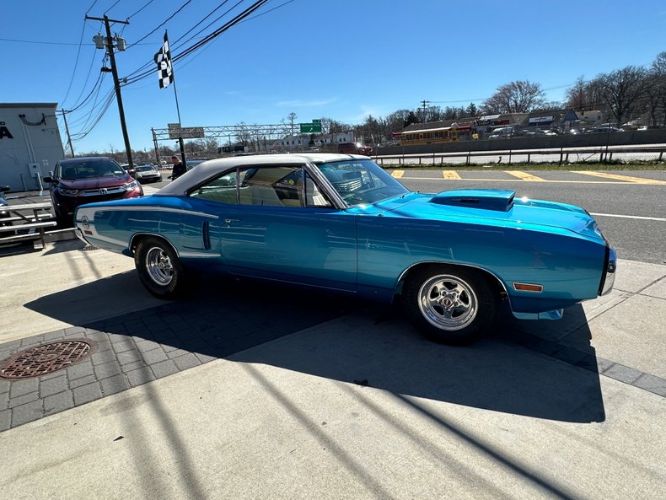
1970 Dodge Super Bee
 Dealer
United States
Dealer
United States
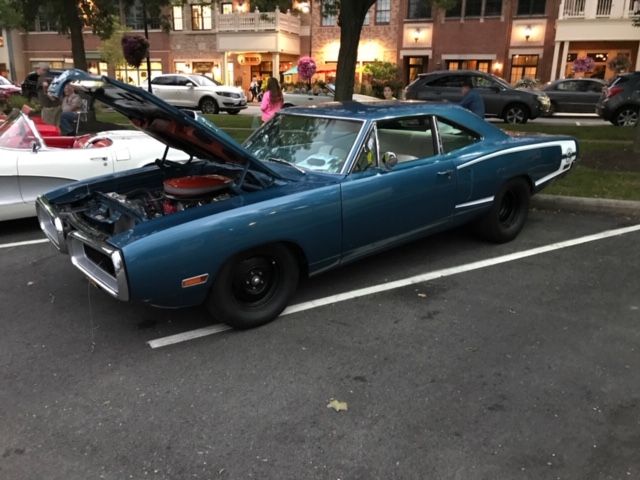
1970 Dodge Super Bee
 Dealer
United States
Dealer
United States
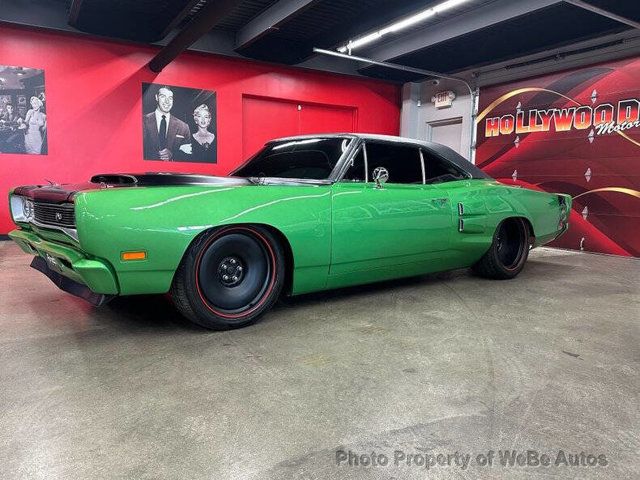
1969 Dodge Super Bee
 Dealer
United States
Dealer
United States
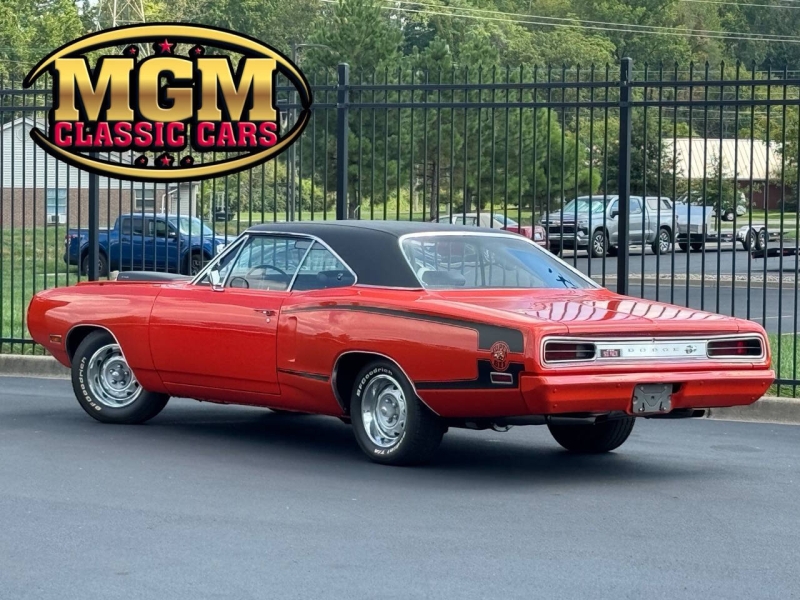
1970 Dodge Super Bee
Recent Plymouth Road Runner listings
 Dealer
United States
Dealer
United States
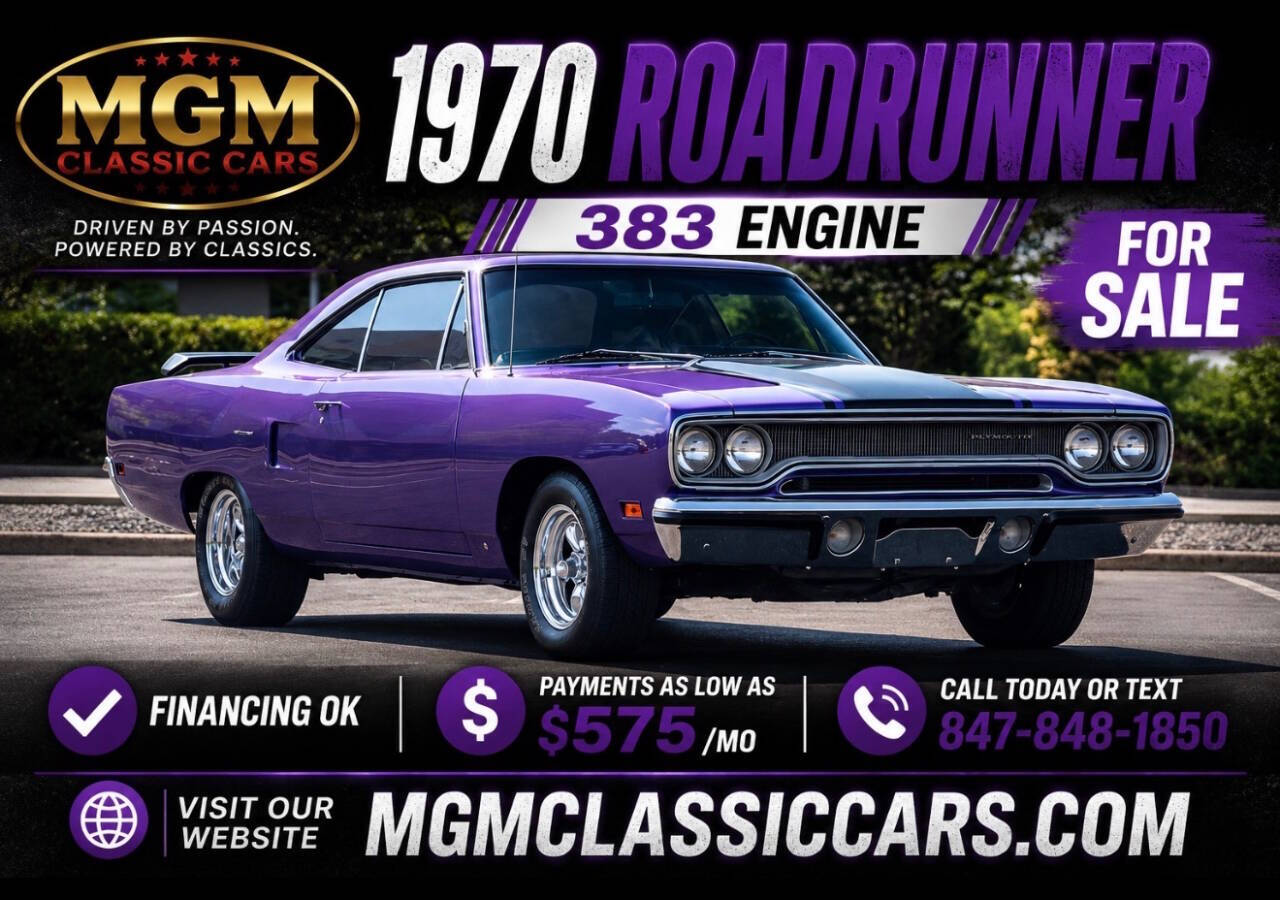
1970 Plymouth Road Runner
 Dealer
United States
Dealer
United States
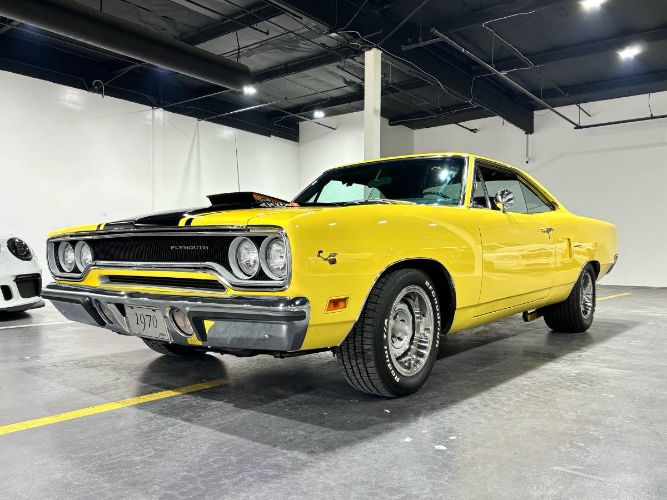
1970 Plymouth Road Runner
 Dealer
United States
Dealer
United States
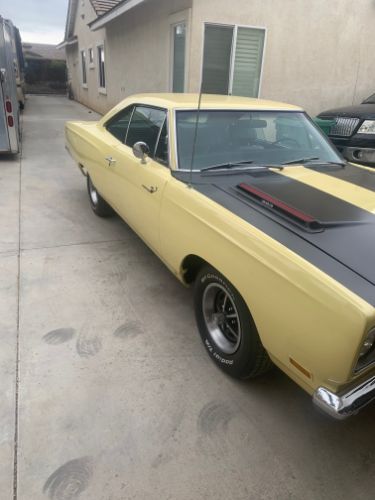
1969 Plymouth Road Runner
 Dealer
United States
Dealer
United States