
What is a Jaguar E-Type worth in 2026?

Enzo Ferrari called it the most beautiful car ever made. Fifty-plus years later, the E-Type market reflects that verdict — with values spanning a wider range than almost any other collectible. Understanding which series and configuration you're looking at is the first task for any buyer.
2026 Pricing by Series
- Series 1 3.8 FHC (1961–1964): $90,000–$175,000
- Series 1 3.8 roadster: $120,000–$250,000+
- Series 1 4.2 FHC (1964–1967): $75,000–$140,000
- Series 1 4.2 roadster: $95,000–$190,000
- Series 1½ (1967–1968): $65,000–$110,000
- Series 2 (1968–1971): $55,000–$95,000
- Series 3 V12 2+2 (1971–1974): $50,000–$85,000
- Series 3 V12 roadster: $65,000–$115,000
The Series 1 Flat-Floor Premium
The earliest Series 1 cars — 3.8 litre, flat floor, outside bonnet latches, covered headlights — are the ones the market treats as true art. Genuine flat-floor cars are identified by the bonnet latch arrangement and interior floor configuration. Many "Series 1" cars presented for sale are actually transitional or Series 1½ builds. The bonnet number, matching engine and body stampings, and a Jaguar Heritage Certificate are the authentication chain.
Series III V12 as a Value Proposition
The V12 roadster (1971–1974) offers the most visceral driving experience — 272 hp, four-wheel disc brakes, power steering — at prices 40–50% below equivalent Series 1 roadsters. The V12 engine is complex but well-supported; the challenge is finding a car that hasn't been neglected. A properly sorted Series III roadster at $85,000 delivers more usable performance than a Series 1 at twice the price.
Authentication and Heritage Certificates
Any E-Type above $100,000 warrants a Heritage Certificate from the Jaguar Daimler Heritage Trust. The certificate confirms the original build specification, despatch date, and first retail destination — exactly the documentation chain that separates genuine numbers-matching cars from assembled replicas. I've seen "original" cars that turned out to be period salvage bodies mated to replacement chassis; the Heritage Certificate would have caught both.
Browse current listings
 Dealer
 United States
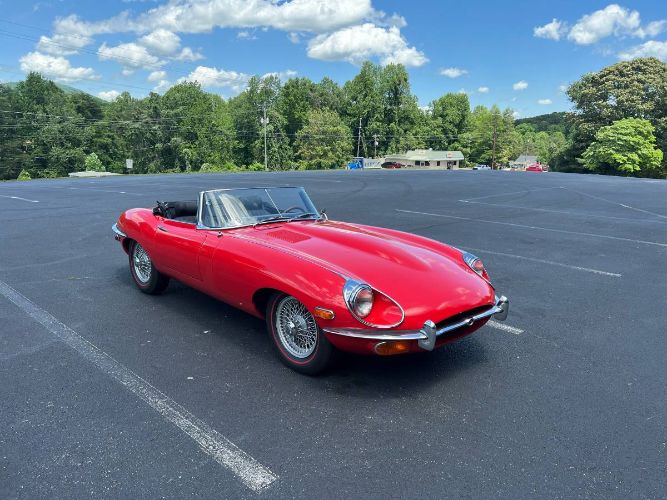
1969 Jaguar E-Type
 Dealer
United States
Dealer
United States
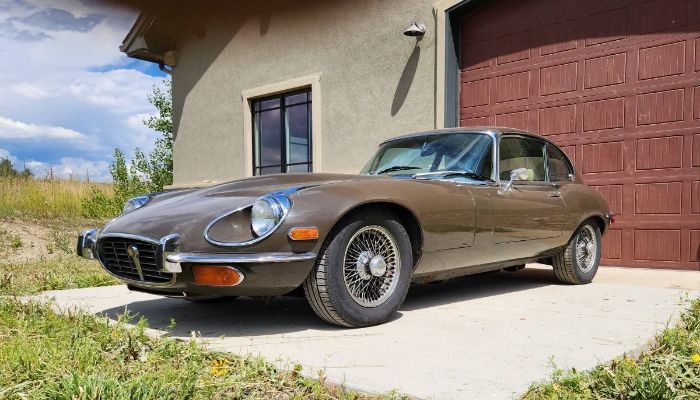
1972 Jaguar E-Type
 Dealer
United States
Dealer
United States
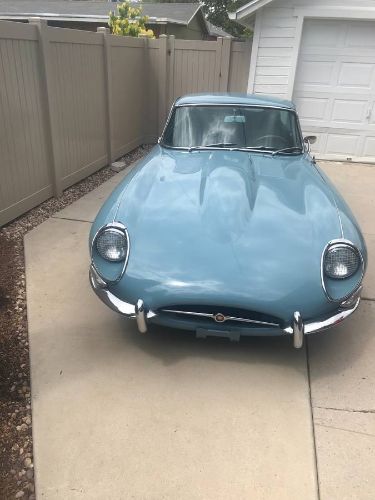
1967 Jaguar E-Type
 Dealer
United States
Dealer
United States
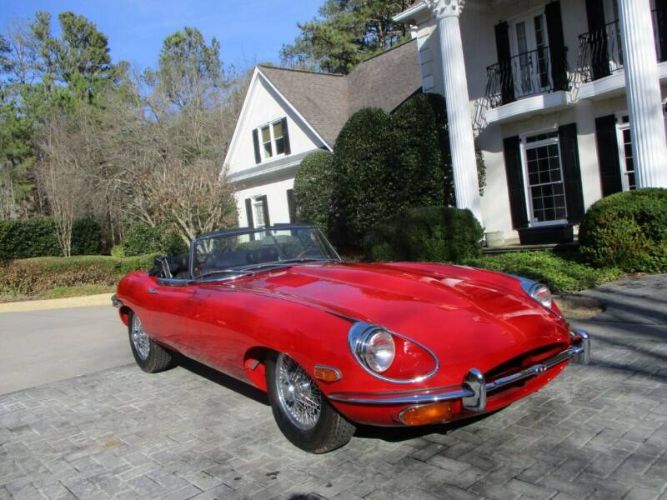
1970 Jaguar E-Type
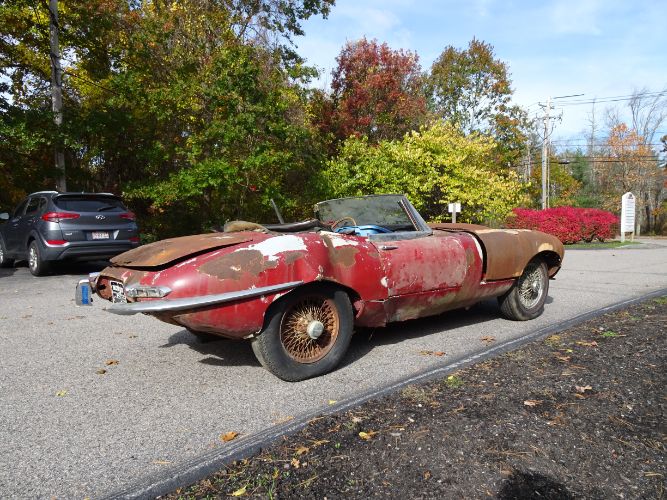 Dealer
United States
Dealer
United States
1968 Jaguar E-Type
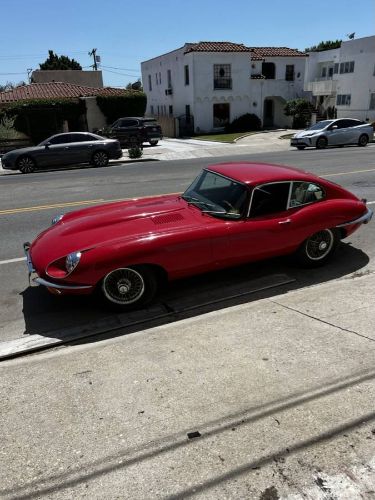 Dealer
United States
Dealer
United States