
1933 Classic Cars for Sale
Century of Progress Exposition in Chicago, Chrysler Airflow in development, and the surviving luxury makes hold on
The Chicago World's Fair, officially the Century of Progress Exposition, opened in May 1933 and placed automobile design in direct conversation with industrial modernism. Chrysler and General Motors both built exhibition pavilions. The aerodynamic thinking on display at Chicago was already influencing studio work that would produce the 1934 Chrysler Airflow and the 1933 Pierce-Arrow Silver Arrow. These were not concept cars in the modern sense. They were fully functional prototypes that showed where the industry was heading.
Duesenberg production had slowed to roughly 36 chassis in 1933, down sharply from the 1931 peak. The Depression had finally caught up with even the most determined luxury buyers. Yet the cars still being built were extraordinary. The supercharged SJ variant, though few were completed this year, represented the absolute peak of American prewar performance. Estimated 320 horsepower. A claimed 0-100 mph time under 17 seconds. These are numbers that remained competitive with European sports cars well into the postwar era.
For collectors, 1933 occupies a complicated position. The surviving great makes, Duesenberg, Pierce-Arrow, Packard, Lincoln, Cadillac, were all still producing serious cars. But the economic pressure was visible in the product decisions. Wheelbases shortened slightly. Standard coachwork became more common. The truly elaborate custom bodies became rarer and more expensive per unit precisely because fewer were being built.
- The Pierce-Arrow Silver Arrow debuted at the New York Auto Salon in January 1933, a fully functional streamlined sedan priced at $10,000, with only five units built for the Chicago World's Fair circuit.
- Packard introduced the revised Twin Six, now called the Twelve, with a displacement increase to 445.5 cubic inches and styling updates that would carry the model through 1939.
- Ford V8 production exceeded 500,000 units in calendar year 1933, validating the low-price V8 strategy and forcing General Motors to accelerate its own V8 development programs.
Showing 1 listing
 Dealer
 United States
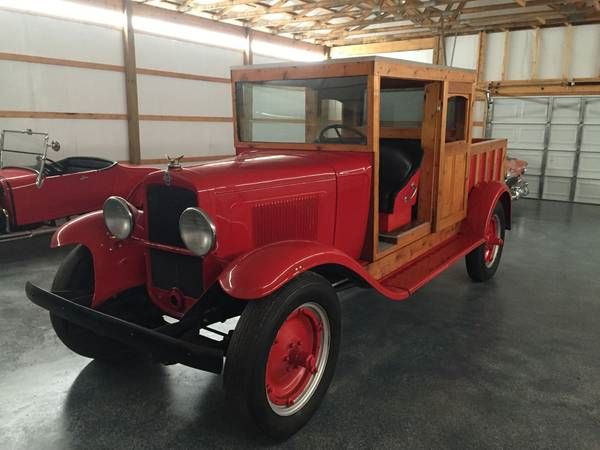
1933 Chevrolet Series AB
Market: The Pierce-Arrow Silver Arrow, one of the most historically significant American cars of the era, last sold at auction for approximately $1.1 million. Standard Pierce-Arrow V12 cars from 1933 in good condition trade from $80,000 to $200,000. Packard Twelve open cars in documented condition regularly reach $250,000 to $500,000.
Buyer's note: Pierce-Arrow provenance documentation is critical in 1933 cars, as the company's Buffalo factory records are incomplete for this period and several cars with questionable histories have circulated in the market with inflated claims.