
1976 Volkswagen Super Beetle
$24,997
Vehicle Details
Volkswagen
Super Beetle
1976
31,938 miles
1562155972
Convertible
Manual
1.6L Flat-4 Air-Cooled 1600 cc
Description
1976 Volkswagen Super Beetle Convertible — Karmann Cabrio in Red with Black Soft Top Why This Car Is Special The 1976 Volkswagen Super Beetle Convertible is one of the most collectible variants of the entire Beetle lineup, and for good reason. By 1976, Volkswagen had already ended production of the standard Beetle sedan in Germany, but the convertible — hand-built by coachbuilder Karmann in Osnabrück — was kept alive specifically for markets like the United States, where demand remained strong. That decision to continue the Karmann Cabrio while killing the hardtop actually makes the 1976 model year a meaningful one for collectors.
These cars were never cheap to produce. Karmann reinforced the body to compensate for the loss of the roof structure, and the conversion process was labor-intensive enough that the convertible carried a significant price premium over the standard sedan when new. The Super Beetle designation itself is important context.
Introduced in 1971, the Super Beetle — known internally as the Type 1302 and later the 1303 — differed from the standard Beetle in two key ways: it used MacPherson strut front suspension instead of the old kingpin-and-torsion-bar setup, and it featured a larger, more curved windshield that gave the front of the car a rounder, more modern profile. The curved windshield also expanded interior volume noticeably compared to the flat-glass standard Beetle. By 1976, Volkswagen had settled on the 1303-based platform for the Cabrio, which meant buyers got improved handling geometry and more front storage space along with the open-air body style.
Karmann had been building VW convertibles since 1949, and by the time this car rolled out of the Osnabrück plant, the company had decades of experience reinforcing the unibody and fitting convertible tops that held up well in real-world use. The result was a car with notably less cowl shake than most open-top vehicles of the era, a point VW's own marketing leaned on. The fact that Karmann continued producing the Beetle Cabrio all the way through 1980 — well after the Golf had taken over as VW's volume seller — speaks to how committed the market was to this specific body style.
This particular example presents in red over a black leather interior, fitted with a black soft top and white convertible top liner. It is a genuine Karmann Cabrio, not a converted sedan, and the original VIN tag remains present. The undercarriage has been inspected and shows clean structure — which, for a nearly 50-year-old open-top car, is the single most important thing to verify.
Features List - 1.6L Flat-4 Air-Cooled Engine (1600cc) - 4-Speed Manual Transmission - Karmann Cabrio Convertible Body - Black Soft Top - White Convertible Top Liner - Black Leather Bucket Seats - Black Interior Door Panels - VW Steel Wheels - Chrome Bumpers (Front and Rear) - Vent Windows - Clean Undercarriage - Original VIN Tag Present Mechanical Power comes from the 1.6-liter air-cooled flat-four, displacing 1,584cc — the engine designation VW collectors commonly refer to as the 1600. By 1976, U.S.-market Beetles used fuel delivery and emissions equipment specific to federal and California regulations, but the core engine architecture was the same proven design that Volkswagen had been refining for decades. Air-cooled simplicity means no radiator, no coolant, no water pump, and no freeze-up concerns.
The engine sits in the rear, driving the rear wheels through a 4-speed manual gearbox with the shifter mounted on the tunnel — a straightforward, well-understood drivetrain that any experienced VW mechanic can service without specialized tooling. The Super Beetle's MacPherson strut front suspension gives it a noticeably different front-end feel compared to the older torsion-bar setup used on standard Beetles. Steering is more predictable, and the front wheels track better under load.
Combined with the rear swing-axle independent suspension, the Super Beetle Convertible
Volkswagen Super Beetle Buyer's Guide (1971–1979)
Volkswagen Super Beetle Market Overview
Based on 32 Volkswagen Super Beetle listings currently on ClassicCarsArena.com
Volkswagen Super Beetle Buyer's Guide (1971–1979)
I get asked often whether the Super Beetle or the standard Beetle is the better buy, and the answer depends entirely on what you want to do with it. The Super Beetle rides better, has more luggage space, and — from 1973 — a panoramic curved windshield that makes it feel substantially more modern. The standard Beetle is the purer, lighter, more original experience. For someone who wants to actually use an air-cooled VW on a regular basis and live with it, the Super Beetle is the more practical choice. For a purist who wants the definitive Beetle experience as Porsche intended it in the 1930s, the standard car wins. Both are legitimate. Know which you're buying.
What to Check Before Buying
Common Issues
What to Look For
Price Guide
Did You Know?
Also Consider
Similar classic cars shoppers also browse:
1976 Volkswagen Super Beetle
Contact Seller
Listed by dealer
Nationwide consignment dealer
WeBe Autos lists vehicles from sellers across multiple states. The vehicle may not be at the dealer's address shown. Contact the dealer to confirm the vehicle's actual location before traveling.
Buying safely?
Read our scam-avoidance tips before paying →
Listing Actions
Browse by Era
1970s Classics for SaleAll 1976 Classics
Browse all 1976 Cars for SaleGet classic car alerts
Latest arrivals, newest deals, and discount coupons — straight to your inbox.
Selling your classic car?
Reach millions of classic car enthusiasts on the largest US classics marketplace.
Sell Your Car →Similar Listings
 Dealer
 United States
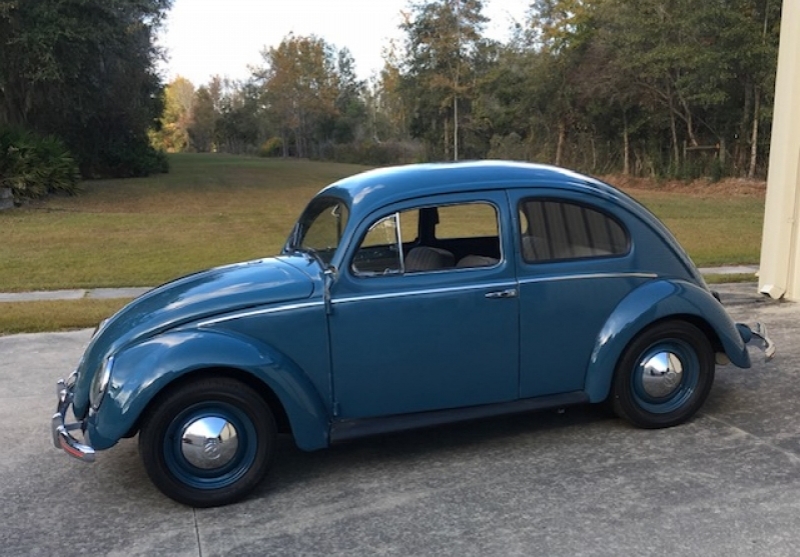
1952 Volkswagen Beetle
 Dealer
United States
Dealer
United States
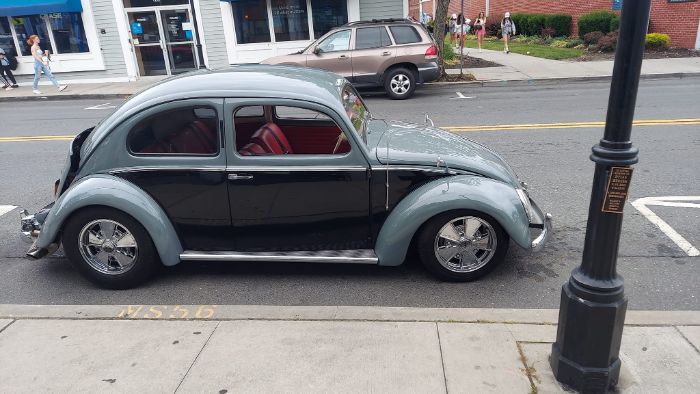
1953 Volkswagen Beetle
 Dealer
United States
Dealer
United States
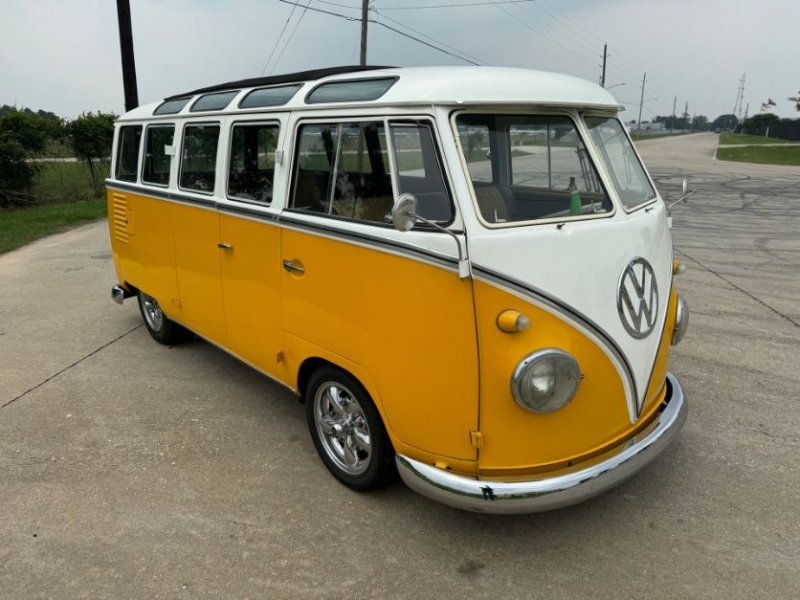
1956 Volkswagen Bus
Contact Seller
Call this seller?
You're about to call WeBe Autos about the 1976 Volkswagen Super Beetle.
+1 (631) 339-0399
Report this Ad
Help us keep the marketplace clean. Our moderation team reviews every report within 24 hours.