
Classic Cadillac Series 62 Buyer's Guide
Expert buyer's guide to the Cadillac Series 62 1940–1964. Tail-fin era identification, Hydra-Matic diagnosis, chrome and body condition assessment, convertible considerations, and market pricing.

The Cadillac Series 62 defined the American luxury automobile for nearly a quarter century. From its 1940 introduction through its final form in the early 1960s, the Series 62 represented the aspirational pinnacle of domestic motoring — a car bought by presidents, film stars, and industrialists who wanted the finest product American industry could produce. For collectors today, the Series 62 offers a rare combination: genuine historical significance, breathtaking styling (particularly the 1957–1960 tail-fin era), mechanical reliability courtesy of the legendary Cadillac V8, and a market that remains accessible compared to comparable European grands routiers of the same period.
History & Styling Generations
The Series 62 launched in 1940 as Cadillac's entry-level series — entry-level Cadillac still being thoroughly luxurious — and defined the marque's mainstream identity through the postwar expansion. It was invariably the best-selling Cadillac series, offered in the widest range of body styles, and served as the template against which American luxury was measured for two decades.
Postwar Foundation (1948–1953)
The 1948 redesign introduced the tailfin — taken from the Lockheed P-38 Lightning fighter aircraft by designer Harley Earl — as a subtle styling detail on the rear fenders. What began as a modest fin would grow over the next decade into the defining visual statement of the American automobile. The 1949 introduction of the overhead-valve V8 gave the Series 62 a genuinely modern, powerful, and efficient engine that dominated American luxury performance through the decade.
The Tail-Fin Apex (1957–1960)
The zenith of Harley Earl's vision. The 1957–1960 Cadillacs represent the fullest expression of the American jet-age design aesthetic — mile-high tail fins, twin torpedo taillights, acres of chrome, and an interior that evoked the private aircraft cabins of the period. These are the cars that define the Cadillac of cultural memory and command the strongest collector interest in the Series 62 lineage. The 1959 Cadillac, with the tallest fins in automotive history, is among the most photographed American cars ever produced.
Refinement and Transition (1961–1964)
The 1961 redesign reduced the fins to a more refined profile and introduced a cleaner, more sculptural body language. These cars are arguably more elegant than the full-fin era cars and offer excellent value — sophisticated enough for concours presentation, affordable enough for regular driving.
Years to Look For
- 1959: The peak fins. Culturally iconic, immediately recognizable. The convertible is among the most desirable American open cars of the era.
- 1957–1958: Beautiful transition cars between the restrained mid-1950s styling and the full fin apex. Strong collector interest.
- 1960: Final year of the high-fin era. Often overlooked in favor of the 1959 but superb in its own right.
- 1948–1949: The original fin-era Cadillacs. The 1949 OHV V8 introduction makes these historically significant.
- 1961–1963: The refined transitional years. Elegant, undervalued, and excellent concours candidates in survivor condition.
What to Look For In Person
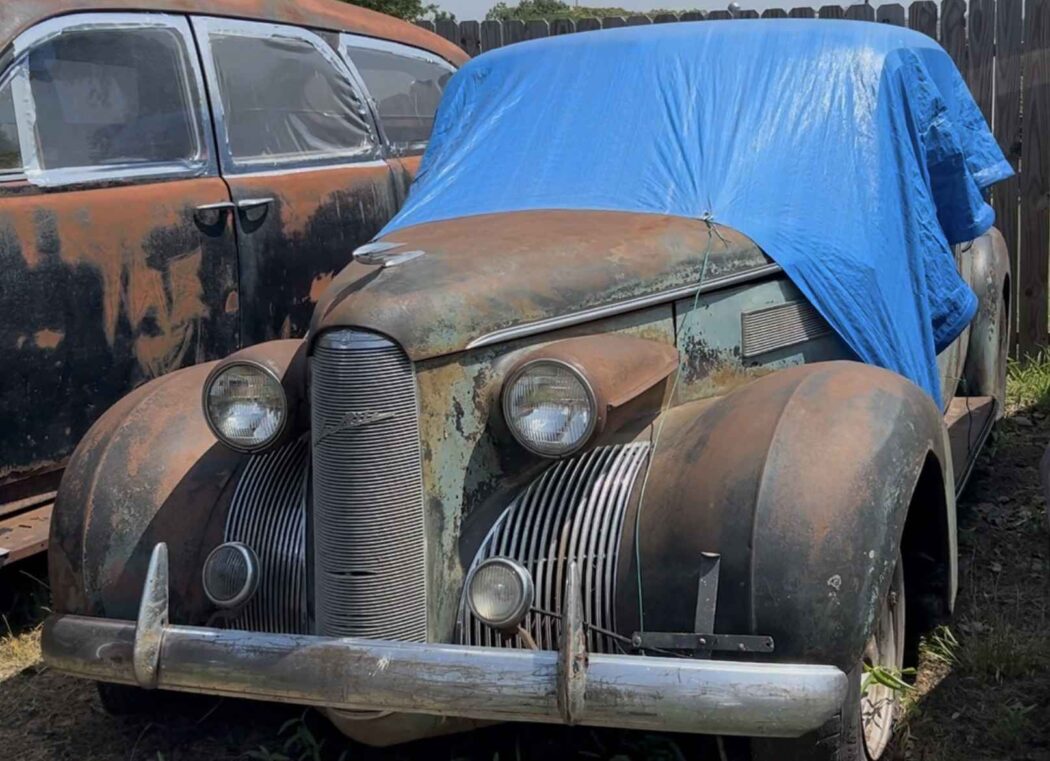
The Series 62 inspection begins with chrome. Walk the entire car in good light and assess every chrome piece — the front bumper and guards, the grille surround, the side moldings, the rear bumper complex, and the taillight bezels. On a 1959 Cadillac, this chrome inventory is substantial. Pitting, lifting, and bubbling chrome represents the largest single cost exposure in any Series 62 purchase. A car with honest chrome in sound condition — even if not show-perfect — is worth significantly more than one requiring a full rechrome.
Body fit and panel alignment are the second major assessment. These cars left the factory with precision panel gaps that survive on unrestored survivors. Body filler, waviness in the quarter panels, or misaligned hood and trunk shutlines indicate prior accident damage and repair.
| Engine | Years | Displacement | Horsepower |
|---|---|---|---|
| L-head V8 | 1940–1948 | 346 cu in | 150 hp |
| OHV V8 | 1949–1954 | 331 cu in | 160–230 hp |
| OHV V8 | 1955–1958 | 365 cu in | 250–310 hp |
| OHV V8 | 1959–1962 | 390 cu in | 325–345 hp |
| OHV V8 | 1963–1964 | 390 cu in | 325 hp |
"From a concours judging perspective, the Series 62 rewards buyers who prioritize chrome and panel condition over mechanical perfection. An engine can be rebuilt; correct chrome cannot be faked, and a car with original untouched chrome — even lightly worn — presents far more authentically than one with repro or rechromed pieces. The unrestored survivor in original livery, honestly worn, is invariably more interesting than the incorrect restoration."
— Sarah Whitfield
Market Outlook
Base postwar four-door hardtop driver: $18,000–$32,000. 1957–1960 two-door hardtop: $35,000–$60,000. 1959 convertible: $80,000–$130,000+. 1957–1958 convertible: $55,000–$90,000. 1961–1963 transitional era: $20,000–$45,000. Pre-war 1940–1941 cars: $28,000–$55,000. The tail-fin convertibles represent the strongest appreciation segment — original-condition 1959 open cars have been trading at auction highs. The early 1960s cars remain undervalued relative to the styling attention they receive.
Browse Cadillac Series 62 listings
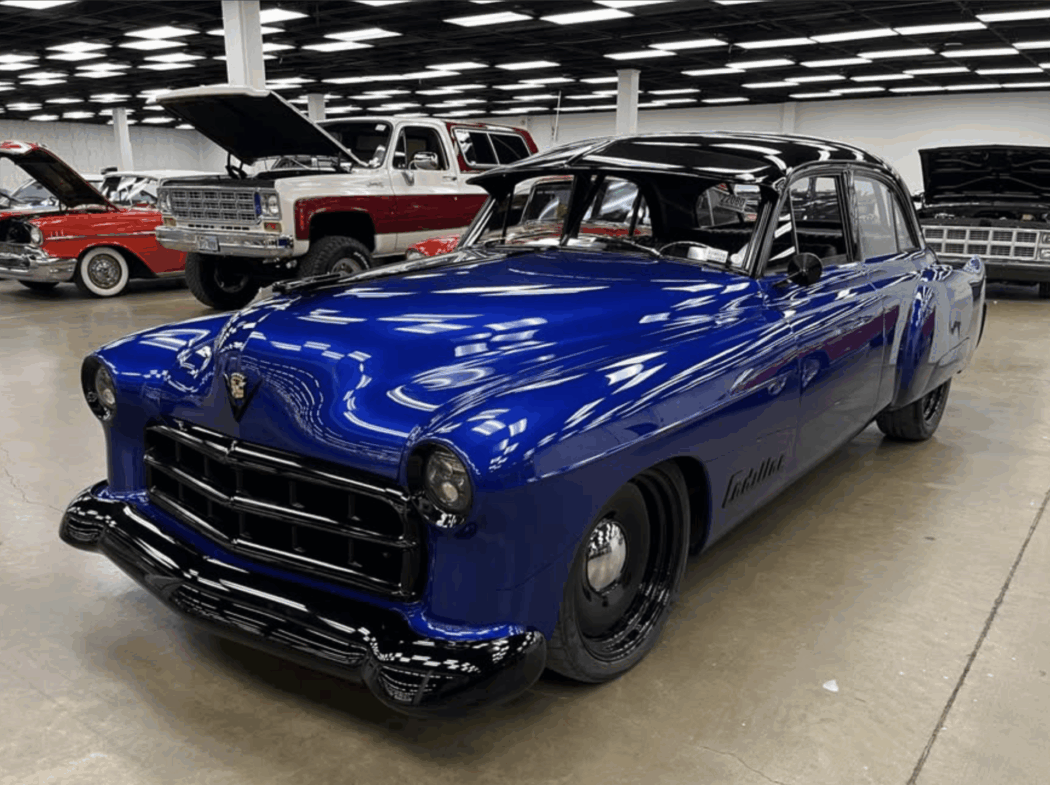
What to Look For
Walk the entire car in good light and assess all chrome pieces for pitting, lifting, or bubbling — chrome is the single largest cost variable on a Series 62. Check body panel alignment and gaps; waviness in the quarter panels or misaligned shutlines indicates prior accident work. On convertibles, operate the power top with the engine running through a complete cycle — check hydraulic ram condition, top alignment, and seal integrity at the header and sides. Inspect the Hydra-Matic for smooth engagement and no slipping. Check the floor pans and trunk floor for rust. Look for water staining in the interior indicating chronic leak points at windows or convertible top.Pre-Purchase Checklist
-
Chrome Condition Survey
Walk the entire car in good natural light and assess all chrome: front bumper, grille, side moldings, rear bumper, taillight bezels. Note pitting, lifting, or bubbling. -
Panel Alignment Check
Assess all panel gaps and shutlines — hood, trunk, doors. Waviness in quarter panels or misaligned gaps indicate prior accident damage and repair. -
Hydra-Matic Transmission
Drive through all gear ranges. Check for smooth engagement, no slipping, and no harsh shifts. Delayed engagement when selecting Drive is a warning sign. -
Power Top Operation
On convertibles, operate the top through a full raise-and-lower cycle with the engine running. Check hydraulic rams for leaks and top alignment when closed. -
Convertible Top Seal Condition
Inspect the header seal, side rails, and rear window seal. Water staining on the interior headliner or rear seat indicates chronic seal leaks. -
Interior Condition
Assess the original interior for completeness and condition. Original matched interiors are difficult and expensive to recreate accurately. -
Floor Pan and Trunk Rust
Inspect the floor pans and trunk floor for rust. Check the trunk seal area where water can pool and cause long-term corrosion. -
Rocker Panel Condition
Run a magnet along the rocker panels. Filler is non-magnetic. Lower rocker rust on body-on-frame Cadillacs is repairable but confirms past neglect. -
Power Accessories Function
Test all power windows, power seat, and power antenna. Original motors and actuators are repairable but budget for any that do not function. -
Engine Condition
Check coolant condition and oil color. Assess for smoke at startup. Cadillac OHV V8s are durable but head gasket issues arise from neglect.
Common Issues
Chrome pitting and failure is the primary condition and cost concern — a full rechrome on a 1959 Cadillac can run $8,000–$15,000 depending on piece count and condition. Power top hydraulic ram leaks on convertibles are universal with age; rebuilds run $500–$1,500 per ram. Hydra-Matic transmission fluid degradation leads to slipping and harsh shifts if neglected — a full rebuild runs $2,500–$4,500. Rubber window and weatherstrip seals harden with age causing wind noise and water leaks into the interior. Power window and seat motor failures are common — original motors are repairable but budget for it. Body-on-frame rust typically appears at rocker panels, lower rear quarters, and trunk floor on poorly-maintained cars.More Series 62 for sale
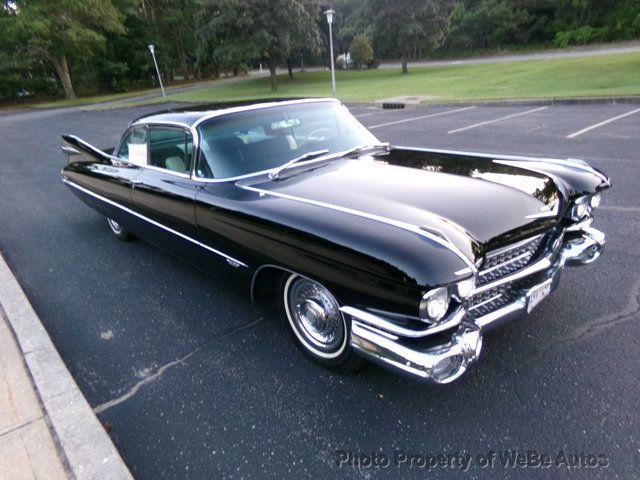 Dealer
 United States
1959 Cadillac Series 62
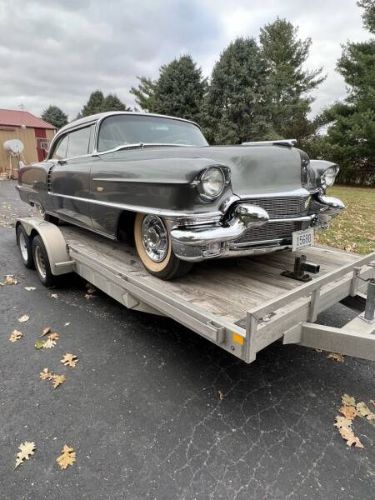 Dealer
United States
Dealer
United States
1956 Cadillac Series 62
Pricing Guide
Postwar four-door hardtop driver: $18,000–$32,000. Late-1950s two-door hardtop: $35,000–$60,000 depending on year and condition. 1959 convertible: $80,000–$130,000+. 1957–1958 convertible: $55,000–$90,000. 1961–1963 era hardtop: $20,000–$45,000. Pre-war 1940–1941: $28,000–$55,000. Chrome condition is the single largest price variable — a 1959 coupe with sound original chrome commands 30–50% more than an equivalent chrome-needing car at the same body and mechanical condition.Fun Facts
The 1948 Cadillac tail fin — the first ever on a production car — was a deliberate styling reference to the Lockheed P-38 Lightning, which Harley Earl had seen at Selfridge Field Army Air Base in 1941. The fins grew steadily through the decade until reaching their absolute maximum on the 1959 model. President Eisenhower's official White House fleet included Cadillac Series 62 convertibles for inaugural parades. Elvis Presley famously gave away Cadillacs — he owned over 100 during his lifetime, many of them Series 62 and Eldorado models.Frequently Asked Questions
Ready to find your Series 62?
Browse 6+ active Cadillac Series 62 listings on Classic Cars Arena.
View Listings →