
1966 Chevrolet Corvette Stingray
$119,995
Vehicle Details
Chevrolet
Corvette Stingray
1966
Convertible
Burgundy
Black
Manual
RWD
Gasoline
350 LT1
Good
Description
1966 Chevrolet Corvette Stingray Coupe with fewer than 20,000 miles on a crate 350 LT1 engine paired with a 4-speed manual transmission. This maroon beauty has been meticulously maintained and garage-kept throughout its life. Recent comprehensive restoration includes new suspension, dual master cylinder, upgraded brake lines, body bushings and grommets, fresh leather seats in black, and new carpet.
The white convertible top is crisp and functional. Aggressive Hooker chrome headers deliver an authentic exhaust note, while classic Crager chrome wheels complete the period-correct aesthetic. Interior amenities including working heater and all original conveniences remain intact.
This is a true driver's Corvette—responsive, reliable, and ready to turn heads. A stunning survivor that represents the golden era of American sports cars.
Chevrolet Corvette Stingray Buyer's Guide
Chevrolet Corvette Stingray Market Overview
Based on 14 Chevrolet Corvette Stingray listings currently on ClassicCarsArena.com
What is this car worth?
Check sold prices for the 1966 Chevrolet Corvette Stingray
Chevrolet Corvette Stingray Buyer's Guide
Tom Ramirez here. I've spent two decades cataloguing Corvettes, and when people ask me which generation matters most, I always say the same thing: if you understand the Sting Ray, you understand what the Corvette was trying to be. Bill Mitchell's 1963 Sting Ray coupe — the one with the split rear window that Zora Duntov hated because it blocked rearward vision — is the most beautiful American sports car ever made. I don't say that lightly. That design is fifty years ahead of everything around it.
Two generations carry the Stingray name. The C2 Sting Ray (two words, 1963–1967) is the smaller, lighter, more sophisticated sports car. The C3 Stingray (one word, 1968–1976) is the wider, lower, more dramatic car that carried the Corvette through the muscle car era. Both deserve serious collector attention; both have specific years that represent peak value.
What to Check Before Buying
Common Issues
What to Look For
Price Guide
Did You Know?
Also Consider
Similar classic cars shoppers also browse:
How Does It Compare?
Head-to-head matchups for the Chevrolet Corvette Stingray:
Browse all comparisons →1966 Chevrolet Corvette Stingray
Contact Seller
Listed by dealer
Nationwide consignment dealer
Classic Car Deals lists vehicles from owners across the country. The vehicle is at the owner's home — not at the dealer's address. Contact the dealer to confirm the vehicle's actual location before traveling.
Buying safely?
Read our scam-avoidance tips before paying →
Listing Actions
Browse by Era
1960s Classics for SaleAll 1966 Classics
Browse all 1966 Cars for SaleGet classic car alerts
Latest arrivals, newest deals, and discount coupons — straight to your inbox.
Selling your classic car?
Reach millions of classic car enthusiasts on the largest US classics marketplace.
Sell Your Car →Similar Listings
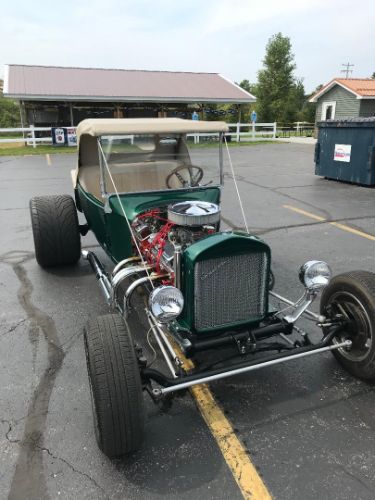 Dealer
 United States
1918 Chevrolet 100
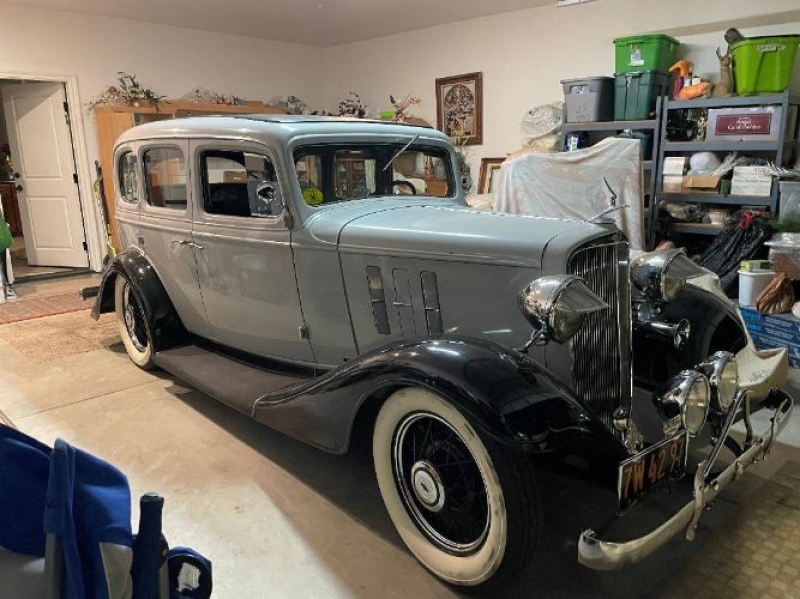 Dealer
United States
Dealer
United States
1923 Chevrolet Master
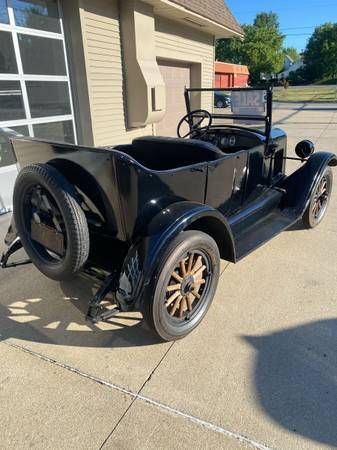 Dealer
United States
Dealer
United States
1925 Chevrolet Superior K
 Dealer
United States
Dealer
United States
1926 Chevrolet 100
Contact Seller
Call this seller?
You're about to call Classic Car Deals about the 1966 Chevrolet Corvette Stingray.
+1 (231) 468-2809
Report this Ad
Help us keep the marketplace clean. Our moderation team reviews every report within 24 hours.