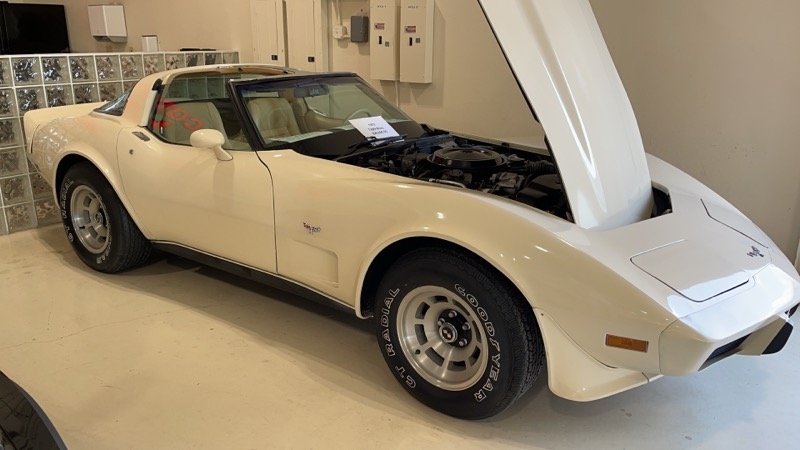
Corvette C4 ZR-1 vs Corvette C5 Z06 — Two Performance Kings Compared
<p>The Corvette C4 ZR-1 (1990–1995) and the C5 Z06 (2001–2004) are the two most significant performance Corvettes of their respective generations — each representing the absolute engineering peak of the platform it was built on. The ZR-1 is famous for its Lotus-designed LT5 V8, built by Mercury Marine, producing 375–405 hp from a 5.7-litre unit that was the most technically sophisticated American production engine of its era. The C5 Z06 is famous for its weight reduction, LS6 V8, and the driving dynamics that made it competitive with European supercars at roughly one-quarter the price. Both are undervalued relative to their engineering significance. Both deserve collector attention they are beginning to receive.</p>
Specs side-by-side
| Spec | Chevrolet Corvette | Chevrolet Corvette Stingray |
|---|---|---|
| Production years | 1990–1995 | 2001–2004 |
| Engine | 5.7L LT5 DOHC V8 (Lotus/Mercury) | 5.7L LS6 OHV V8 (GM) |
| Peak power | 405 hp (1993–1995) | 405 hp (2002–2004) |
| Torque | 385 lb-ft | 400 lb-ft |
| 0–60 mph | 4.7 sec | 3.9 sec |
| Curb weight | 3,465 lbs | 3,118 lbs |
| Total production | 6,939 | ~28,400 |
| 2026 value | $40,000–$75,000 | $35,000–$65,000 |
The case for Chevrolet Corvette
The C4 ZR-1's case begins with the engine. The LT5 is a genuine engineering achievement — a 32-valve, all-aluminum DOHC V8 designed by Lotus Engineering in the late 1980s when Lotus was still an independent engineering company, and assembled by Mercury Marine, whose precision tolerance standards gave the engine a build quality unusual for American production cars of the era. The 1990–1992 LT5 produced 375 hp; the 1993–1995 "LT5 second generation" produced 405 hp via revised port and valve timing. The ZR-1 could run to 172 mph in a straight line when Road & Track tested it in 1990 — a number that no other American production car could match, and that positioned it against the Ferrari 348 and Porsche 928 GTS rather than the standard Corvette. The build sheet tells the real story: every ZR-1 was assembled as a specialty vehicle with enhanced quality controls. Cross-reference against the marque registry: 6,939 ZR-1s were built across the six-year run, making each one a documented production car with specific VIN identification. Values at $40,000–$75,000 for a well-maintained example represent what may be the last window to acquire this engineering milestone below $80,000.
The case for Chevrolet Corvette Stingray
The C5 Z06's case is the complete package: the most significant combination of power, weight, handling, and usability of any American production car at its $51,000 original MSRP. The LS6 5.7-litre V8 producing 385–405 hp is an improvement on the LS1 in cylinder head flow, camshaft profile, and intake manifold design — all developed from the C5R racing program. The Z06-specific weight reduction (titanium exhaust, lighter glass, deleted spare tire, stiffer Bilstein shocks) produced a car weighing 3,118 lbs with more downforce than the standard coupe. Road and Track's 2002 long-term Z06 demonstrated 1.04g on the skidpad — a number that contemporary Ferrari and Porsche buyers were paying $100,000+ to achieve. The LS6 engine is the practical advantage over the ZR-1's LT5: comprehensive parts availability, well-documented service procedures, and a tuning knowledge base built over fifteen years of LS-platform development. Current values at $35,000–$65,000 for a Z06 in sound condition are below replacement-cost for the specialized components involved.
Verdict
The ZR-1 and Z06 are complementary rather than competing purchases for the serious Corvette collector — one for the engineering artifact, one for the driving tool. The ZR-1 is the historically significant car: first 405-horsepower Corvette, Lotus-designed engine, the car that proved American manufacturers could compete with European supercars on engineering merit. The Z06 is the driving car: lighter, better-balanced, more communicative, and powered by an engine whose service ecosystem is mature and accessible. If you drive your Corvettes, buy the Z06. If you collect them, the ZR-1 is the engineering milestone that belongs in the record. At current prices, both are undervalued relative to their significance — but the window on acquiring either below $75,000 may be closing as the C4 and C5 find their collector audience.
Recent Chevrolet Corvette listings
 United States
1971 Chevrolet Corvette
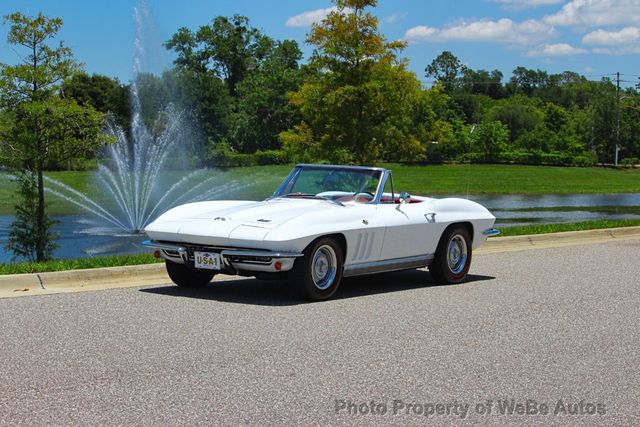 Dealer
United States
Dealer
United States
1966 Chevrolet Corvette
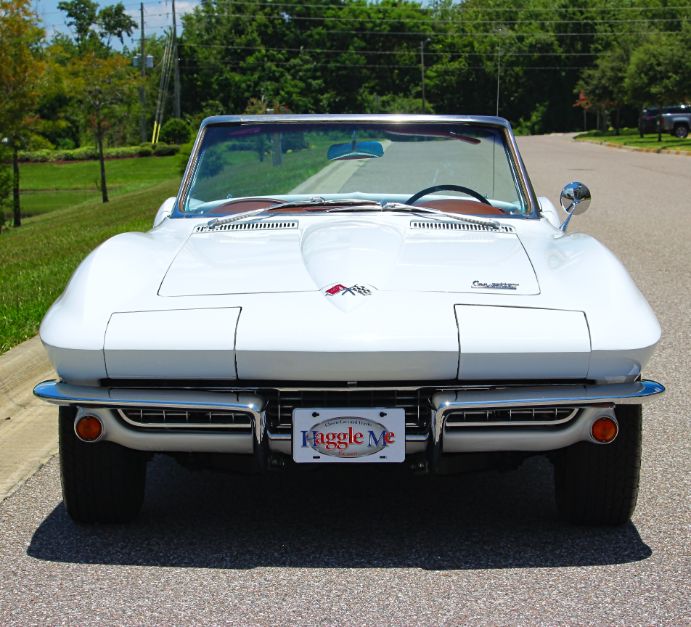 Dealer
United States
Dealer
United States
1966 Chevrolet Corvette
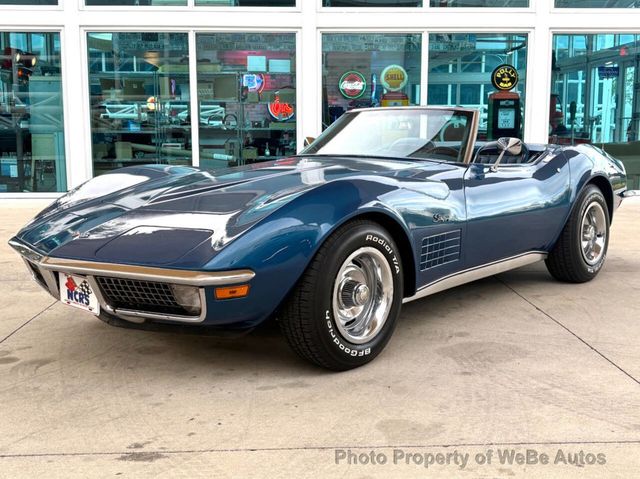 Dealer
United States
Dealer
United States
1971 Chevrolet Corvette
Recent Chevrolet Corvette Stingray listings
 Dealer
United States
Dealer
United States
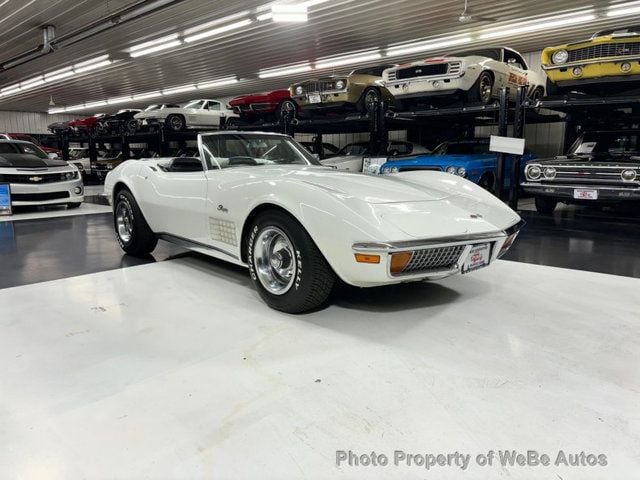
1972 Chevrolet Corvette Stingray
 Dealer
United States
Dealer
United States
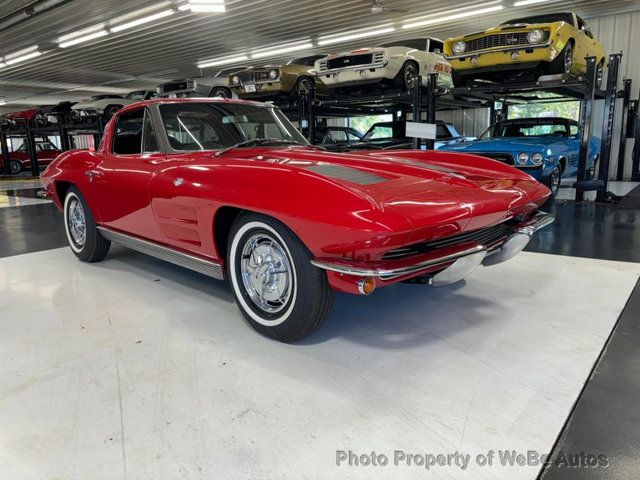
1963 Chevrolet Corvette Stingray
 Dealer
United States
Dealer
United States