Published June 10, 2026Updated June 19, 20264 generations1970–1988
The Monte Carlo was Chevrolet's answer to the personal luxury coupe, a long-hood, formal-roof two-door that put a little Cadillac attitude on a Chevelle chassis. It launched for 1970, and right out of the gate you could get it with the SS454, which tells you Chevrolet never quite decided whether this was a boulevard cruiser or a muscle car. That tension runs through the whole classic run. The early cars lean luxury with a muscle option, and the 1980s cars lean back toward performance with the aero SS and a serious NASCAR program. Here is how the Monte Carlo developed across the years that matter to collectors.
Chevrolet Monte Carlo — Generation by Generation
1970–1972
First Generation
"Personal luxury with an SS454 option"
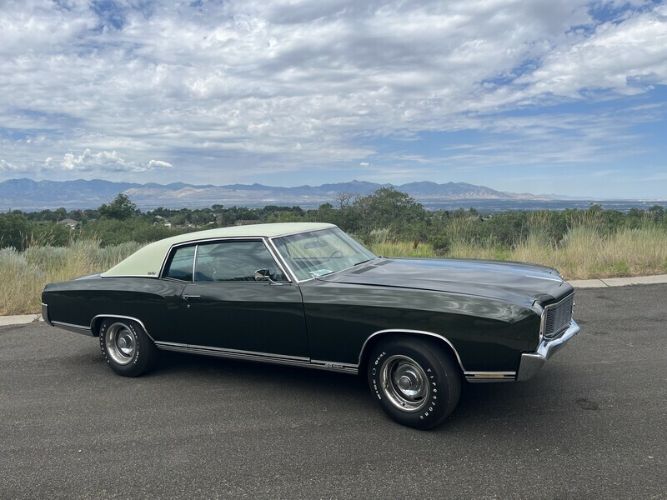
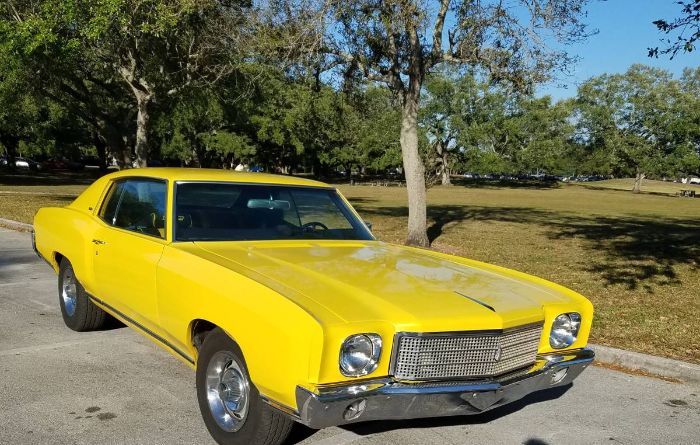
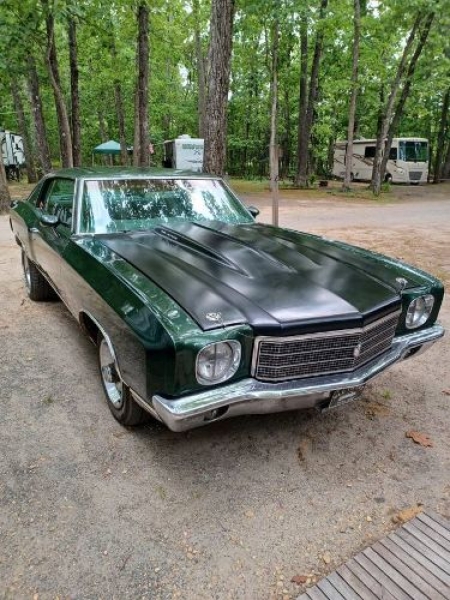
The first Monte Carlo paired a long hood and a formal roofline with the Chevelle chassis to create Chevrolet's personal luxury coupe. From the start the SS454 package offered the LS5 big block, which made the car a sleeper next to the flashier muscle models. Power dropped after 1970 as compression fell, and the SS was gone after 1971. These first cars combine clean styling with the option of serious performance and are the most collectible classic Monte Carlos.
Key Changes
→
Long-hood personal luxury coupe on the Chevelle chassis
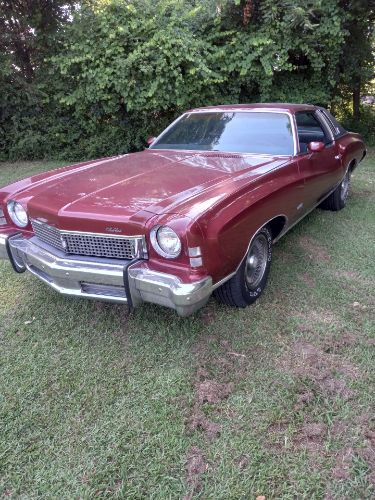
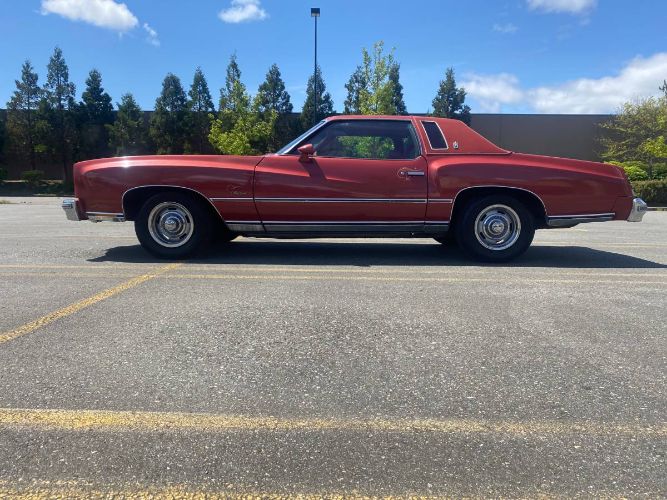
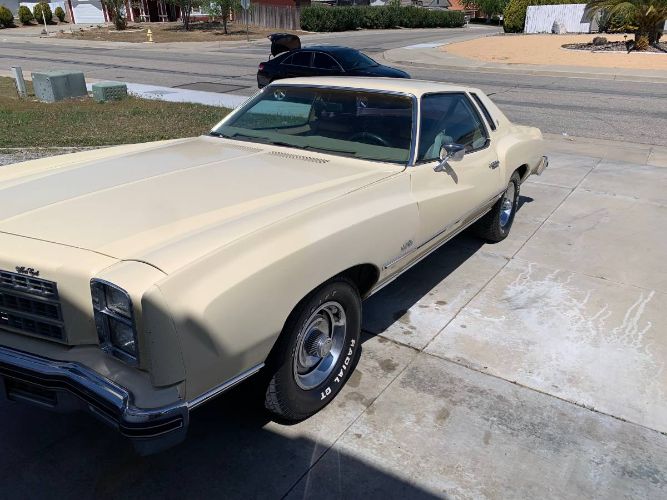
The 1973 Colonnade redesign grew the Monte Carlo and leaned further into luxury, with a more elaborate body, an upright formal roof, and a huge sales success that made it one of Chevrolet's most popular cars. The muscle was gone, replaced by softer V8s and the comfort features buyers wanted. These cars are plentiful and inexpensive, and they have a strong following in the lowrider and cruiser communities, which keeps clean examples in demand.
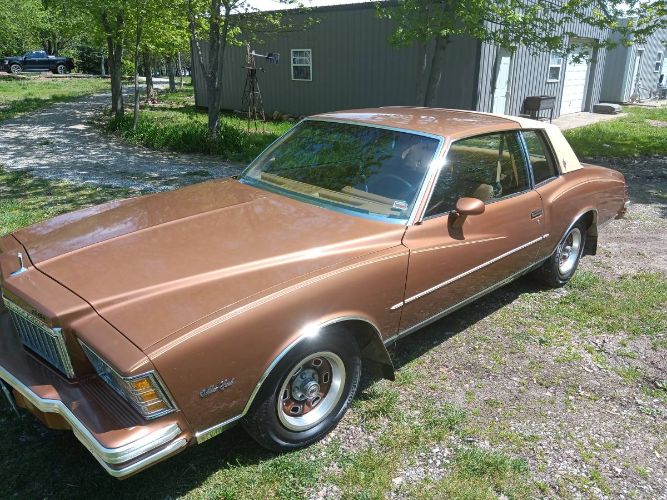
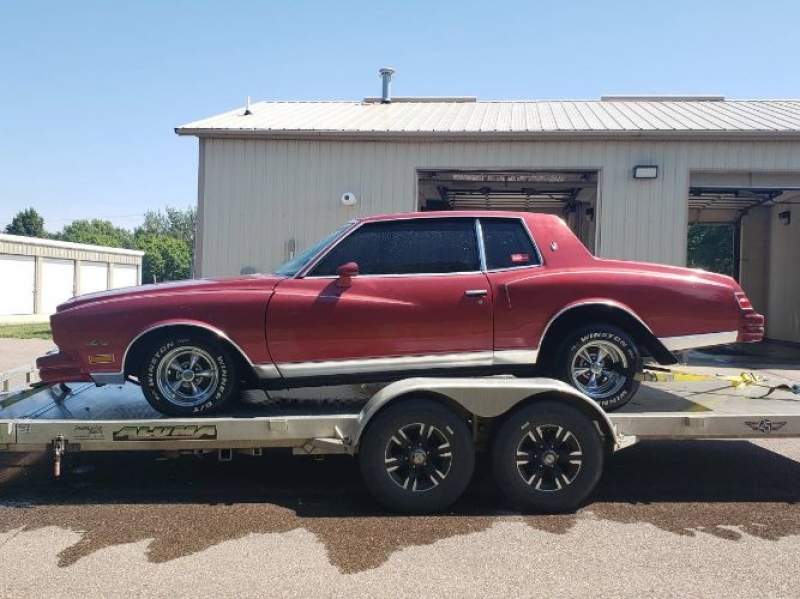
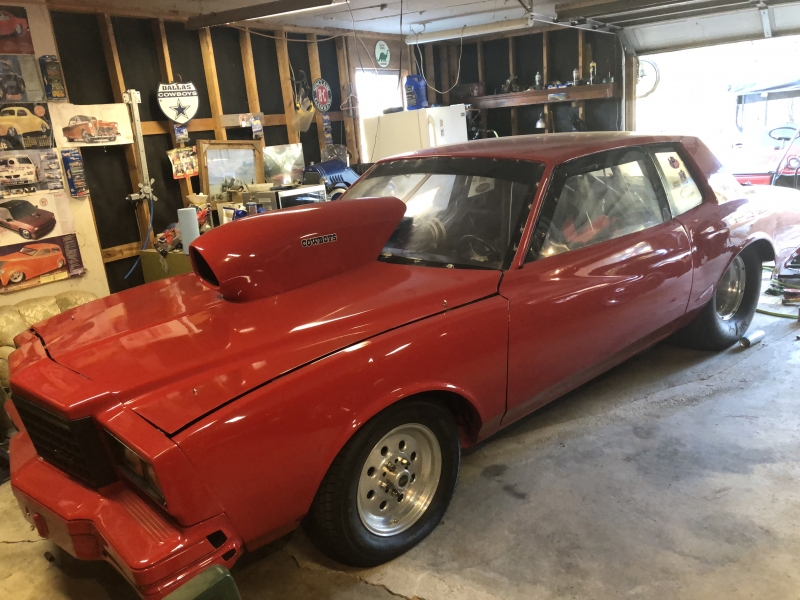
GM downsized the Monte Carlo for 1978 onto the trimmer rear-drive G-body, cutting weight and size while keeping the formal coupe character. Smaller V8s and even a V6 reflected the fuel-economy pressure of the era. These are lighter and more efficient than the Colonnade cars and share the huge G-body parts pool, which makes them easy to own and a common base for builds.
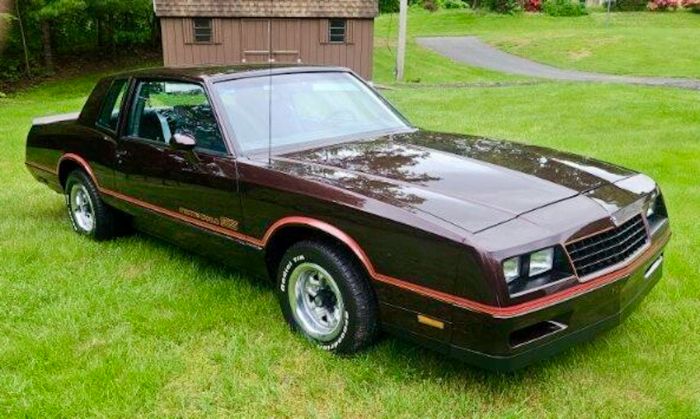
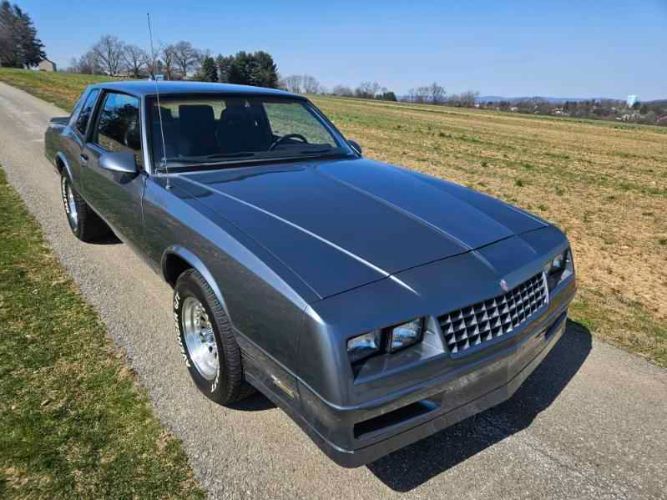
The 1981 restyle sharpened the aerodynamics, and in 1983 the SS returned with a 305 High Output V8 and a sloped nose tied directly to Chevrolet's NASCAR effort, where the Monte Carlo was a front-runner. The 1986 to 1987 Aerocoupe took it further with a fastback rear window built in limited numbers for homologation. These aero SS cars are the second great collector era of the Monte Carlo, and the Aerocoupe is the one to chase.
Two ends of the run get the attention. The 1970 to 1972 cars, especially the SS454, are the ones muscle people want, and a documented SS454 is a genuinely quick and rare personal luxury coupe. The 1983 to 1988 aero SS cars are the other favorite, riding the NASCAR connection and the small-block 305 HO, with the rare 1986 to 1987 Aerocoupe at the top of the heap. The Colonnade and early downsized cars in between are comfortable and cheap and have their own lowrider and cruiser following. Whatever you buy, the SS cars get cloned, so check the documentation, and watch the usual GM rust spots in the lower body and trunk.
Frequently Asked Questions
Yes. The first-year 1970 Monte Carlo offered the SS454 package with the LS5 454 cubic inch big block rated at 360 horsepower, pairing personal luxury styling with real performance. The SS454 continued into 1971 before being dropped.
The Aerocoupe was a 1986 to 1987 SS variant with a large sloping rear window and shorter trunk lid, built in limited numbers to improve aerodynamics for NASCAR homologation. It is the most collectible 1980s Monte Carlo.
The classic Monte Carlo spans four generations: 1970 to 1972, the 1973 to 1977 Colonnade cars, the 1978 to 1980 downsized cars, and the 1981 to 1988 aero generation that included the SS revival.
📖
Thinking of Buying One?
Read our Chevrolet Monte Carlo Buyer's Guide — pre-purchase checklist, common issues, and pricing.


 Dealer
 United States
 Dealer
 Dealer
 Dealer
 Dealer
 Dealer
 Dealer
 Dealer
 Dealer
 Dealer
 Dealer