
Classic Chevrolet Monte Carlo Buyer's Guide
Expert buyer's guide to the Chevrolet Monte Carlo 1970–1988. SS454 verification, T-top rust diagnosis, vinyl top blistering, Aero coupe identification, and market pricing by generation.

The Chevrolet Monte Carlo ran from 1970 through 1988 and made its collector case in two very different ways. The 1970–1972 first-generation cars are legitimate muscle-era machines — personal luxury coupes built on the Chevelle platform with engine options that climbed to the 454 LS6. The 1983–1988 Aero coupes are NASCAR-influenced collector pieces built to racing homologation rules. Between those two peaks are the middle-generation cars: comfortable, affordable classics with a strong styling identity. The first-gen SS454 is one of the most undervalued muscle cars in the market right now — and that window is not staying open much longer.
History & Generations
Chevrolet launched the Monte Carlo in 1970 as a personal luxury competitor to the Pontiac Grand Prix — a long-hood, short-deck coupe with upscale interior and big-block muscle available under the hood. The timing was perfect: the car arrived at the peak of the muscle era and offered buyers a stylish alternative to the Chevelle with genuine performance credentials.
First Generation (1970–1972)
The most desirable Monte Carlos by a wide margin. Built on the GM A-body (Chevelle) platform with a 116-inch wheelbase, these cars offered the full range of Chevrolet V8s including the LS5 454 (360 hp) and the LS5 454 (360 hp in 1970, the only SS 454 engine). The first-generation Monte Carlo SS is rare, with fewer than 3,800 produced for 1970. Its only big-block was the LS5 454 (360 hp); the LS6 was never a factory Monte Carlo option.
Second Generation (1973–1977)
The 1973 redesign brought a longer wheelbase and federalized bumpers. Performance took a backseat to luxury as emissions regulations squeezed output. These cars are stylish and affordable — a clean 454 example runs $12,000–$22,000. The optional Landau vinyl top is both a styling asset and a long-term rust liability.
Third and Fourth Generations (1978–1988)
The 1978 downsizing moved the Monte Carlo onto GM's G-body platform. The 1983 SS arrived with sporty trim, and the 1986–1987 Aero coupe followed with NASCAR-homologation body work: flush-mounted grille, composite nose, and sloped rear backlight. The Aero is a genuine collector car.
Years to Look For
- 1970 SS 454: The ultimate first-gen. 454/450 hp, extremely rare, six-figure territory when documented.
- 1970–1972 SS454 LS5: The accessible big-block Monte Carlo. $45,000–$70,000 documented.
- 1971–1972 SS: Last years before emissions cuts bit deeply. Still genuinely strong with original engines intact.
- 1986–1987 Aero: NASCAR-heritage homologation coupe with appreciating values and devoted following.
What to Look For In Person
On first-gen cars (1970–1972), the inspection mirrors a Chevelle: cowl tag authentication, block casting number verification, floor pan and rear quarter rust. Focus on the usual A-body rust spots: lower quarters, rocker panels, trunk floor, and cowl seam. On T-top cars from the third generation, water intrusion is the primary concern — pull back the carpet at the base of the B-pillar and check for rust staining and floor damage.
| Engine | Year(s) | Horsepower | Notes |
|---|---|---|---|
| L65 350 | 1970–1972 | 250 hp | Base V8 |
| LS5 454 | 1970–1972 | 360 hp | SS option, most common big-block |
| LG4 305 | 1983–1988 | 150–180 hp | SS and Aero base engine |
"The first-gen Monte Carlo is one of the most underappreciated muscle cars of the era. It sat in the Chevelle's shadow for fifty years while buyers chased Malibus and El Caminos. A documented first-gen Monte Carlo SS 454 is rare, and it's been trading at a significant discount. That gap is closing — buyers are figuring it out."
— Mike Sullivan
Market Outlook
First-gen SS350 driver: $18,000–$30,000. SS454 LS5 documented: $45,000–$70,000. SS 454 documented: $90,000–$140,000+. Second-gen 1973–1977 driver: $10,000–$22,000. Third-gen 1978–1980: $8,000–$15,000. Fourth-gen SS 1983–1985: $12,000–$20,000. Aero coupe 1986–1987 clean: $18,000–$32,000. First-gen appreciation has been running 8–12% annually — the gap against the equivalent Chevelle is narrowing quickly.
Browse Chevrolet Monte Carlo listings
 Dealer
 United States
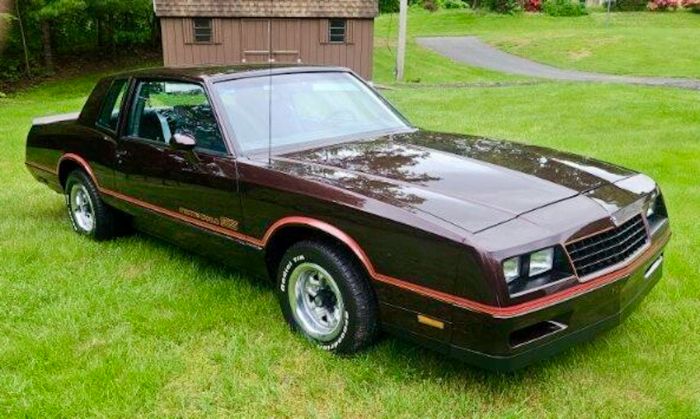
1985 Chevrolet Monte Carlo
 Dealer
United States
Dealer
United States
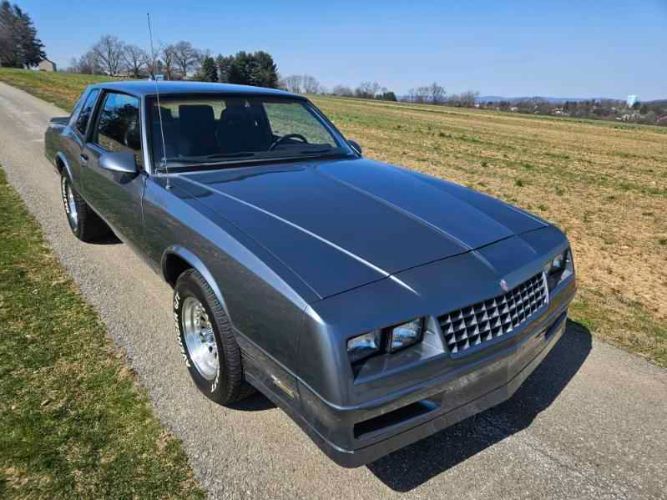
1985 Chevrolet Monte Carlo
What to Look For
On 1970–1972 cars, verify the cowl tag for SS package codes and the VIN engine code before paying any premium. Inspect A-body floor pans, rear quarters, and cowl seam for rust — identical to Chevelle inspection procedure. For T-top cars, pull the headliner and inspect T-top frame rails; check the B-pillar base for floor damage from seal leaks. On vinyl-top cars, check the metal underneath at the C-pillar — vinyl traps moisture and corrodes the roof and rear quarters silently. First-gen cars: verify block casting numbers match the claimed displacement and date. Aero coupes: inspect the composite front nose for cracks and poor prior repairs.Pre-Purchase Checklist
-
Cowl Tag Authentication
For 1970–1972 cars, verify the firewall cowl tag body code and option codes for the SS package. Match against VIN engine code. -
Block Casting Numbers
Read the block casting number on the rear driver's side. Verify it matches claimed displacement and production date window. -
Vinyl Top Check
Peel back vinyl at the C-pillar edges and check the metal underneath for rust. Bubbling or lifting vinyl nearly always means rot. -
T-Top Frame Inspection
On T-top cars, check the headliner for water staining. Pull back the carpet at the B-pillar base for floor rust from seal leaks. -
Floor Pan Condition
Probe floor pans from underneath with a screwdriver. A-body pans rot at seat mount areas and around the transmission tunnel. -
Rear Quarter Rust
Run a magnet along the lower rear quarters. Filler is non-magnetic. Check especially around the wheel openings. -
Cowl Seam
Inspect the cowl seam at the windshield base for rust staining, bubbling paint, or soft metal. -
Trunk Floor
Lift the trunk mat and check the floor and seams for rust-through, especially where quarters meet the trunk pan. -
Aero Nose Condition
On 1986–1988 Aero coupes, inspect the composite front nose for cracks, crazing, and poor-quality prior repairs. -
Cooling System
Check coolant condition and valve cover edges for signs of overheating on big-block cars.
Common Issues
Vinyl top rust is the most common problem on first-gen and second-gen cars — water trapped under vinyl at the C-pillar corrodes the roof and quarters silently for years. T-top seal failure on 1978–1981 cars leads to floor rot at the B-pillar base and interior damage. First-gen cowl rust mirrors the Chevelle: seam at the windshield base, trapped water, firewall rot. SS badge fraud is widespread on all generations. On LS5/LS6 cars, check for overheating history. Aero coupe composite nose pieces are fragile and increasingly hard to source as reproduction parts.More Monte Carlo for sale
 Dealer
United States
Dealer
United States
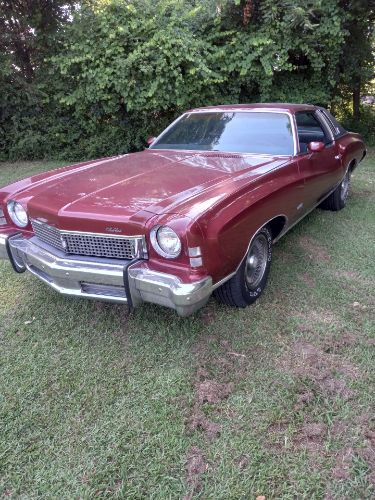
1973 Chevrolet Monte Carlo
 Dealer
United States
Dealer
United States
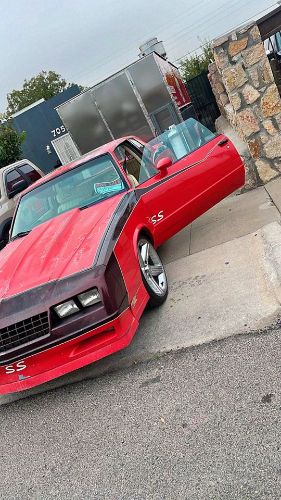
1985 Chevrolet Monte Carlo
Pricing Guide
First-gen 1970–1972 350 driver: $18,000–$30,000. SS454 LS5 numbers-matching: $45,000–$70,000. SS 454 documented: $90,000–$140,000+. Second-gen 1973–1977: $10,000–$22,000. Third-gen 1978–1980: $8,000–$15,000. SS 1983–1985: $12,000–$20,000. Aero 1986–1988: $18,000–$32,000. Deduct heavily for T-top cars with confirmed water damage — a fully rotted B-pillar floor section is a structural repair that can exceed the car's value.Fun Facts
The Monte Carlo name referenced the glamorous Monaco principality where Grand Prix racing was synonymous with European sophistication — exactly the image Chevrolet wanted for its new personal luxury coupe. In NASCAR, the Monte Carlo became one of the most successful platforms of the 1980s with Dale Earnhardt and Darrell Waltrip scoring major wins. The 1986–1988 Aero cars sold to the public were street-legal homologation specials built to keep Chevrolet's racing program legal.Frequently Asked Questions
Ready to find your Monte Carlo?
Browse 6+ active Chevrolet Monte Carlo listings on Classic Cars Arena.
View Listings →