
Chevrolet Corvette vs Ford Thunderbird — America's Sports Car Rivals
The Chevrolet Corvette and Ford Thunderbird launched within two years of each other in the early 1950s as America's first genuine sports cars. They quickly diverged: the Corvette pursued pure sports-car performance, while the Thunderbird evolved into a personal luxury car. Both are iconic American classics, but they occupy entirely different collector market positions — and understanding that difference is essential before buying either.
Specs side-by-side
| Spec | Chevrolet Corvette | Ford Thunderbird |
|---|---|---|
| Production (1st gen) | 1953-1962 (C1) | 1955-1957 (two-seat) |
| Body design | Sports roadster/coupe | Personal luxury (2 then 4 seat) |
| Top engine (1957) | 283 V8 FI (283 hp) | 312 V8 supercharged (300 hp) |
| Driver-quality value | \$35,000–\$70,000 (C2) | \$35,000–\$65,000 ('57 Bird) |
| Aftermarket depth | Deepest of any classic | Good for 1955-1957 |
| Investment tier | Blue-chip at L88/ZL1 level | Strong for 2-seat models |
The case for Chevrolet Corvette
Choose the Corvette for a genuine sports car experience, the deepest classic-car aftermarket of any American vehicle, and a collector market that offers investment-grade options at every level from $10,000 C4 drivers to seven-figure L88s. The Corvette was purpose-built for performance — independent rear suspension from 1963, disc brakes from 1965, and a continuous lineage of engineering improvement. Every Corvette generation delivers the sports-car experience the Thunderbird abandoned after 1957.
The case for Ford Thunderbird
Choose the Thunderbird for design elegance, the historic two-seat 1955-1957 "Baby Bird" (the direct Corvette rival), or the four-seat 1958-1966 personal luxury cars that defined a uniquely American genre. The 1955-1957 two-seat Thunderbird is the most desirable and most collectible — only 53,166 built over three years, with the 1957 model (312 V8, optional supercharger) being the performance peak. The later square-bird (1958-1960) and Bullet Bird (1961-1963) are impressive design exercises at accessible prices.
Verdict
For driving engagement and investment upside, the Corvette wins decisively — it has remained a true sports car for seven decades, while the Thunderbird became a luxury cruiser after 1957. For the best Thunderbird as a collector car, focus on the 1955-1957 two-seat cars — these directly competed with the Corvette and are the T-Bird's performance legacy. The 1957 supercharged Thunderbird and the 1963 Bullet Bird coupe are the design highlights worth chasing. Buy the Corvette if you want to drive hard; buy an early T-Bird if you want the quintessential 1950s American personal car.
Recent Chevrolet Corvette listings
 United States
1971 Chevrolet Corvette
 Dealer
United States
Dealer
United States
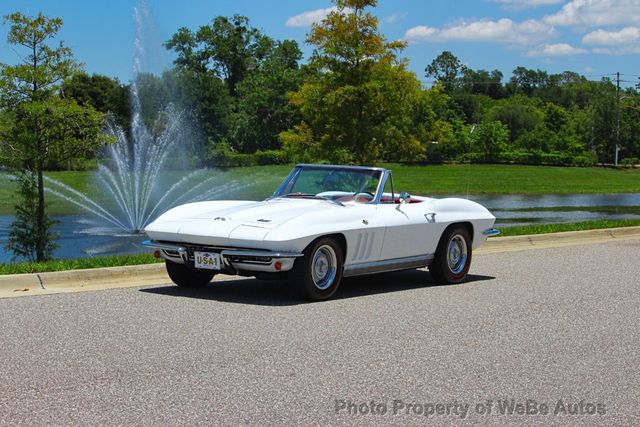
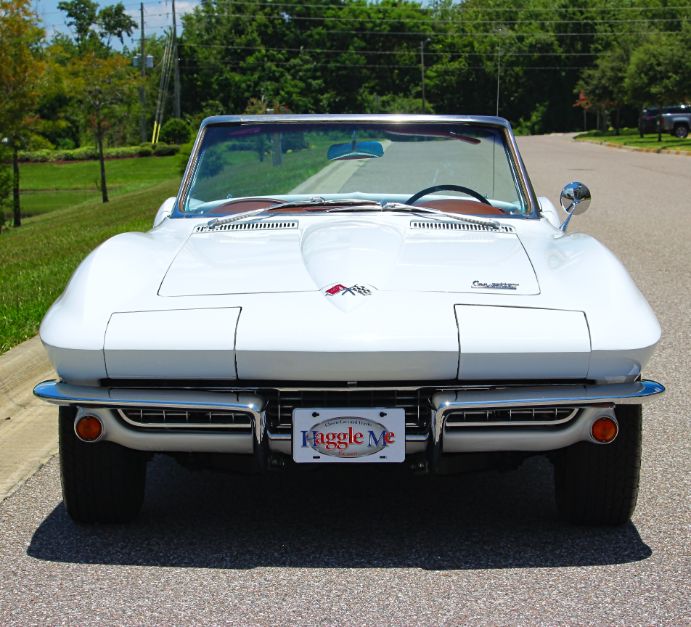
1966 Chevrolet Corvette
 Dealer
United States
Dealer
United States
1966 Chevrolet Corvette
 Dealer
United States
Dealer
United States
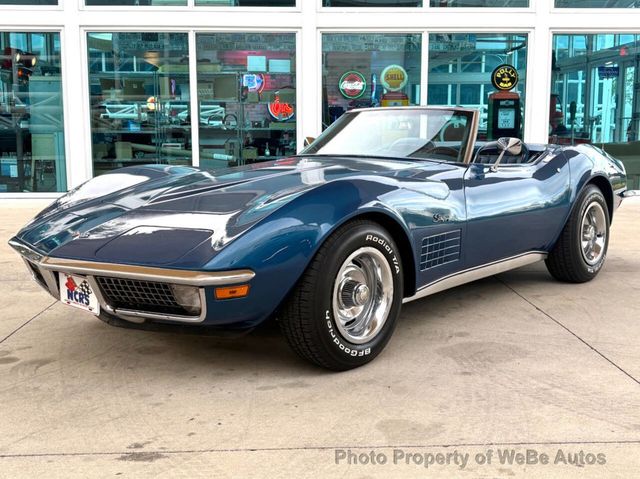
1971 Chevrolet Corvette
Recent Ford Thunderbird listings
 Dealer
United States
Dealer
United States
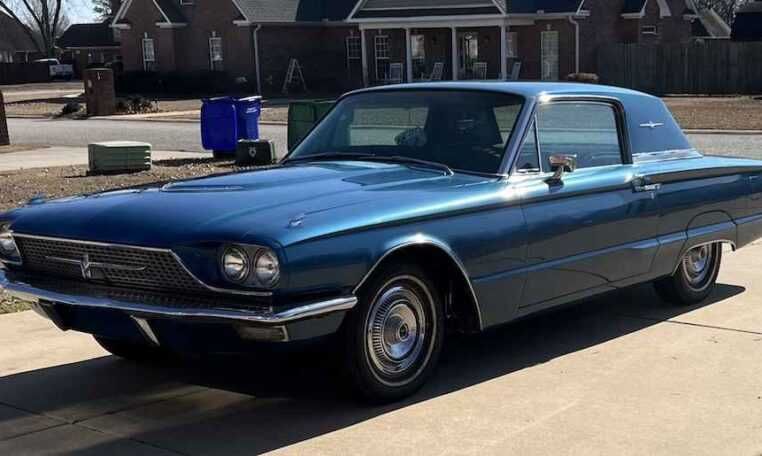
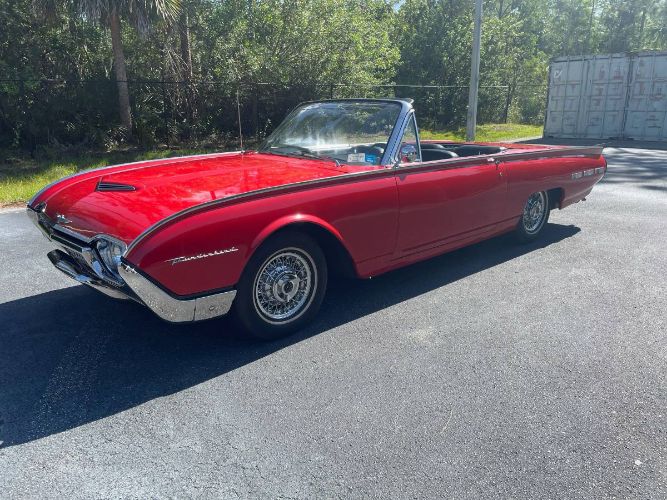
1966 Ford Thunderbird
 Dealer
United States
Dealer
United States
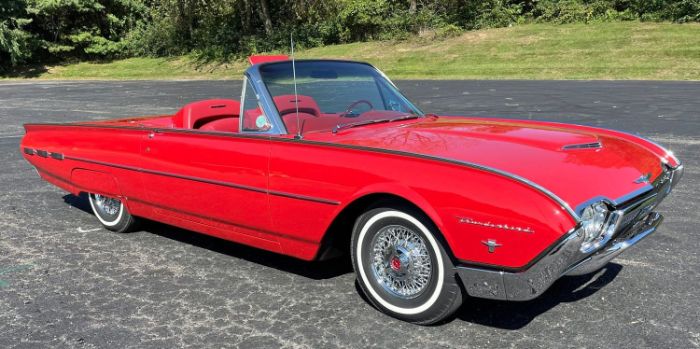
1962 Ford Thunderbird
 Dealer
United States
Dealer
United States
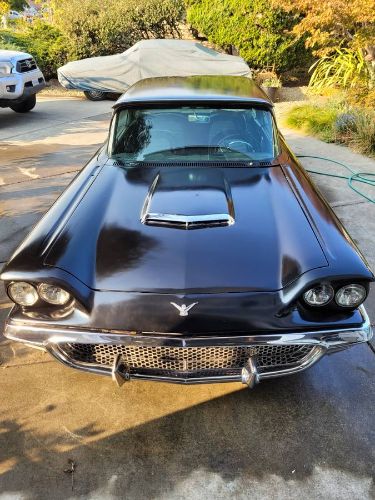
1958 Ford Thunderbird
 Dealer
United States
Dealer
United States