
Chevrolet Nova SS vs Ford Falcon — Budget Muscle From the Factory
The Chevrolet Nova SS and Ford Falcon share the same market position: compact, affordable body styles that received factory performance packages and became the foundation of some of the most accessible muscle-car experiences of the 1960s. The Nova SS grew into a genuine muscle car; the Falcon spawned the Mustang and then faded. Choosing between them means choosing between collector momentum and undervalued potential.
Specs side-by-side
| Spec | Chevrolet Nova | Ford Falcon |
|---|---|---|
| Performance peak year | 1969 (SS 396) | 1964 (Sprint Hi-Po) |
| Top engine option | L78 396 (375 hp) | 289 Hi-Po K-code (271 hp) |
| Platform | GM X-body | Ford Falcon/Mustang shared |
| Driver-quality value | \$22,000–\$55,000 | \$12,000–\$28,000 |
| Historical significance | Nova SS muscle heritage | Mustang predecessor |
The case for Chevrolet Nova
Choose the Chevrolet Nova SS for the stronger collector market, better parts support, and genuine muscle-car credentials in the SS package — particularly the 1969-1974 Nova SS with 350 and 396 V8 options. The Nova's clean, compact body style is universally attractive, and the SS package with its stripes and badging makes for an imposing-looking car. The X-body platform shares many components with the Camaro, meaning aftermarket support is excellent. The 1969 Nova SS 396 is the peak car: 375 hp L78 option, identical engine to the SS 396 Chevelle in a lighter body.
The case for Ford Falcon
Choose the Ford Falcon for a genuine historical artifact — the car that directly preceded the Mustang and shares its basic platform. The 1964 Falcon Sprint (with the K-code 289 Hi-Po V8) is the most performance-oriented Falcon and the most collectible. Falcon values are significantly lower than equivalent Novas, making them undervalued for buyers who appreciate the car's historical significance as the Mustang's direct ancestor. The Ranchero pickup-based-on-Falcon is also a rising niche market.
Verdict
For collector market liquidity and muscle-car credentials, the Nova SS wins — particularly the 1969 396 cars. The Falcon is the better value play for buyers who want something distinct and historically significant at below-market prices. Both are genuine 1960s performance artifacts; the Nova's stronger aftermarket and name recognition make it the safer investment choice, while the Falcon's Mustang DNA and lower entry point make it the smart contrarian pick.
Recent Chevrolet Nova listings
 Dealer
 United States
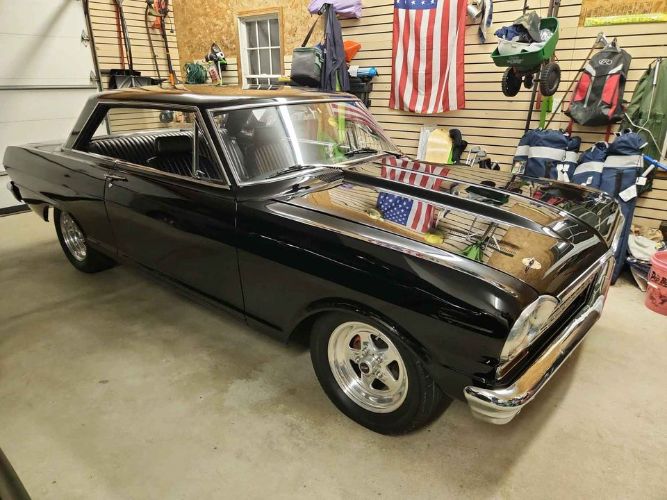
1964 Chevrolet Nova
 Dealer
United States
Dealer
United States
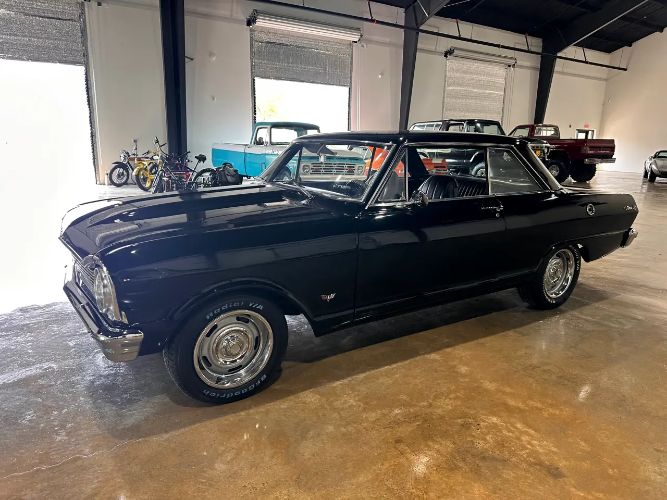
1965 Chevrolet Nova
 Dealer
United States
Dealer
United States
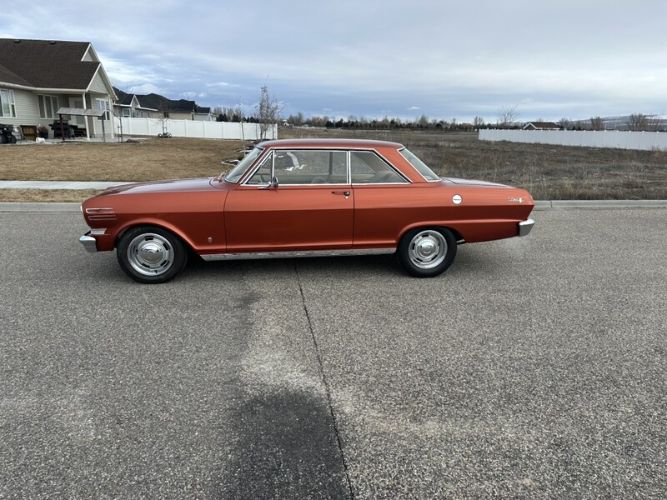
1962 Chevrolet Nova
 Dealer
United States
Dealer
United States
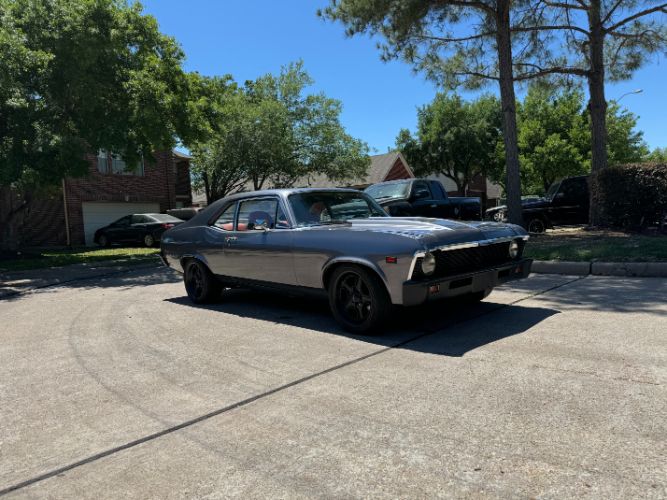
1969 Chevrolet Nova
Recent Ford Falcon listings
 Dealer
United States
Dealer
United States
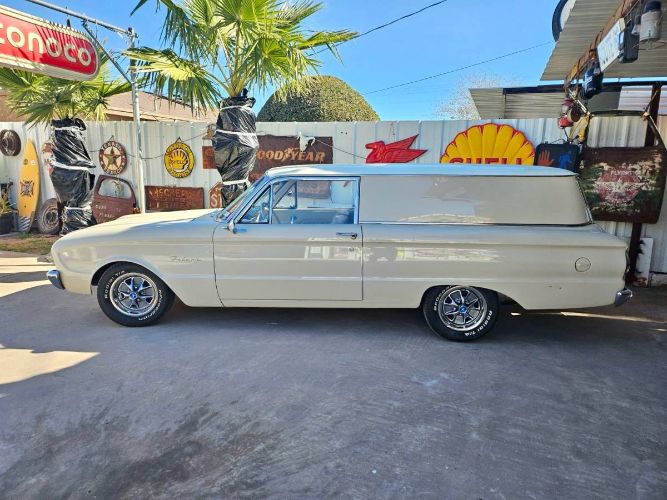
1961 Ford Falcon
 Dealer
United States
Dealer
United States
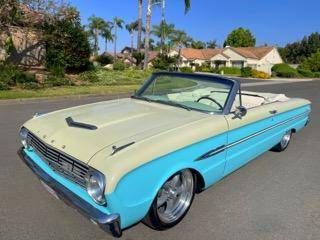
1963 Ford Falcon
 Dealer
United States
Dealer
United States
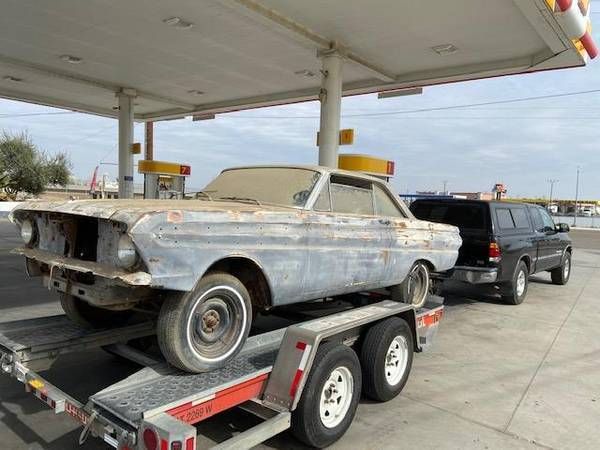
1964 Ford Falcon
 Dealer
United States
Dealer
United States