
Ford F-350 Buyer's Guide
The Ford F-350 is the heavy-hauler of the classic truck world — a one-ton workhorse with a devoted following among farmers, builders, and collectors who need something that can actually work for a living.

If you think the F-100 gets all the glory, you haven't spent time around F-350 people. This is a truck with a purpose — built to haul heavier loads, tow bigger trailers, and outlast just about everything else on four wheels. The F-350 has been quietly earning its keep since the early 1950s, and the classic examples from 1953 through 1979 represent some of the toughest, most honest machines ever to roll off a Detroit production line.
Robert Halloran here, and I'll be upfront with you: the F-350 isn't a show truck. It's a work truck that people happen to love restoring. The dual-rear-wheel variants especially have developed a cult following, and prices on clean examples have been climbing steadily. If you want a truck that was engineered without compromise, this is it.
Why the F-350 Deserves More Respect
While the F-100 has become the darling of the custom truck scene, the F-350 has always been about capability over style. One-ton rated, available with single or dual rear wheels, and engineered to tow and haul loads that would buckle a lighter truck — the F-350 was spec'd by people who needed a tool, not a trophy. That said, clean examples are genuinely beautiful machines, and the classic styling of the 1953–1972 era holds up beautifully against anything built today.
The first-generation Ford trucks (1953–1956) established the template with the iconic "Ford" lettering in the hood and a cab design that still looks modern seven decades later. The second generation (1957–1960) refined the formula, while the third (1961–1966) introduced the Twin I-Beam front suspension that became a Ford hallmark. The fourth-gen "Highboy" era (1967–1972) is probably the most collectible today — especially the lifted, high-clearance versions built before Ford lowered the front end in 1973.
Which Generation Suits You?
The "Highboy" F-350 (1967–1972) commands the strongest premiums right now, and for good reason. The combination of Twin I-Beam suspension, available big-block power, and that distinctive tall stance makes these among the most photogenic trucks ever built. They're mechanically simpler than the later trucks and parts availability is excellent.
The 1973–1979 "Dentside" generation is undervalued in my opinion. These trucks got longer, wider, and more comfortable, and the available 460ci big-block makes them serious towing machines. They're priced lower than the Highboys but offer more truck per dollar if you actually plan to use it. The cab interiors are surprisingly comfortable, and the dual rear wheel configurations are genuinely impressive to work with.
Engines and Drivetrain
The F-350's engine history is a parade of capable iron. Early trucks used the overhead-valve Y-block V8 (239–292ci), which is an honest, durable engine if somewhat thirsty by modern standards. The FE-series big-blocks (352, 360, 390ci) arrived in the late 1950s and proved near-bulletproof in work applications. By the late 1960s, the 360 and 390 FE were the workhorses, with the 460 big-block available for those who wanted more.
The 1968–1976 period brought the 360 and 390 FE to their most reliable state, with well-understood wear patterns and excellent parts support. The 360 in particular is an underrated engine — it doesn't have the cachet of the 390, but it's lighter, more fuel-efficient, and just as durable. The 1977–1979 trucks got the 351M and 400ci engines, which are less beloved but still capable, and the massive 460ci big-block that makes these late Dentside trucks genuinely formidable towers.
What Sets the F-350 Apart
Two things: the chassis and the rear axle. F-350s used heavier-duty frames than their F-100 and F-250 siblings, with larger cross-members and more robust C-channel construction. The rear axles — Dana 60 or Ford's own full-floating units — are legendary for their strength. A Dana 60 in the rear of a well-maintained F-350 will outlast the truck itself. Many of these axles have been rebuilt and repurposed into off-road rigs simply because they're that good.
The dual rear wheel (DRW) configurations are particularly sought after by collectors who want the complete "dually" experience. They add stability when towing and give the truck an unmistakable visual presence. If you find a clean DRW F-350 with an honest work history and no hidden rust, you've found something worth serious consideration.
Common Problems to Watch For
Rust is the primary concern, and it comes in predictable locations: the cab corners, the floor pans, the door bottoms, and around the windshield frame. Trucks from the Sun Belt states are dramatically better than those from the Rust Belt, and you'll pay a premium for them that's usually justified. Check the frame rails thoroughly — these trucks were used hard, and cracked or patched frames are not uncommon on high-mileage examples.
The Twin I-Beam front suspension is robust but wear-prone. Worn radius arm bushings, loose king pins, and tired ball joints are common on trucks that haven't been maintained. Budget for a complete front-end rebuild if the truck has high mileage and hasn't been recently serviced. The steering gear is also worth checking — a sloppy steering box ruins the driving experience on an otherwise solid truck.
Browse Ford F-350 listings
 Dealer
 United States
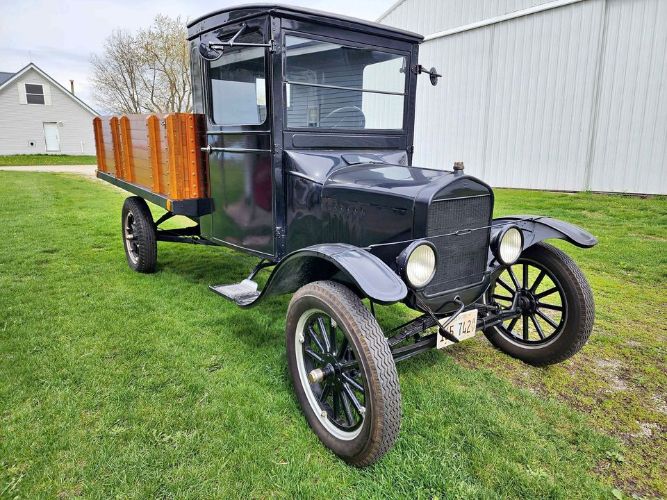
1924 Ford F-350
 Dealer
United States
Dealer
United States
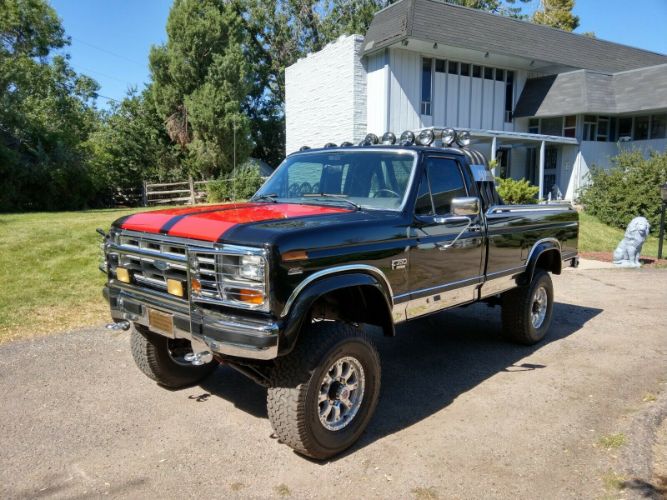
1984 Ford F-350
What to Look For
Frame integrity is the top priority — inspect the full length of both rails for cracks, patches, or previous repairs, especially at the cab mounts and front spring perches. Check the cab corners and floor pans for rust, which is virtually universal on Rust Belt trucks. On DRW models, inspect the rear wheel wells and inner fender structure carefully. The Twin I-Beam suspension should be tight with no play at the king pins or ball joints. Verify the engine doesn't smoke excessively on cold start — FE engines are durable but tired ones will burn oil. Check the transfer case on 4WD models for smooth engagement.Pre-Purchase Checklist
-
Frame Inspection
Check full length of both frame rails for cracks, patches, or previous welds, especially at cab mounts. -
Cab Corners & Floor
Inspect cab corners and floor pans for rust perforation — use a flashlight and probe suspect areas. -
Front Suspension
Check Twin I-Beam for worn king pins, ball joints, and radius arm bushings — grab each front wheel and check for play. -
Engine Cold Start
Start cold and watch for blue smoke (oil burning) or excessive blow-by at the oil filler. -
Rear Axle (DRW)
On dually models, inspect inner rear wheel wells and check for axle seal leaks. -
Transfer Case (4WD)
Engage 4WD high and low — both should engage smoothly without grinding or slipping. -
Brake System
Test vacuum booster function — pump brakes several times with engine off, then start; pedal should drop slightly. -
Bed & Tailgate
Check stake pockets, bed floor, and tailgate hardware for condition — work trucks often have significant bed wear. -
Title & VIN
Verify VIN plate matches title — F-350s are sometimes misrepresented as lighter-duty F-100s or F-250s. -
Documentation
Service records, build sheet, or window sticker add significant value and provenance for collector examples.
Common Issues
Cab corner and floor pan rust is nearly universal on anything north of the Mason-Dixon line. Cracked or repaired frame rails on trucks used for heavy towing. Worn king pins and radius arm bushings in the Twin I-Beam front suspension. FE engine oil consumption from worn valve stem seals or rings on high-mileage examples. Leaking rear axle seals on DRW configurations. Failing vacuum brake boosters on 1970s models. Difficult cold starts on the 360/390 FE engines if the carburetor hasn't been recently rebuilt.More F-350 for sale
 Dealer
United States
Dealer
United States
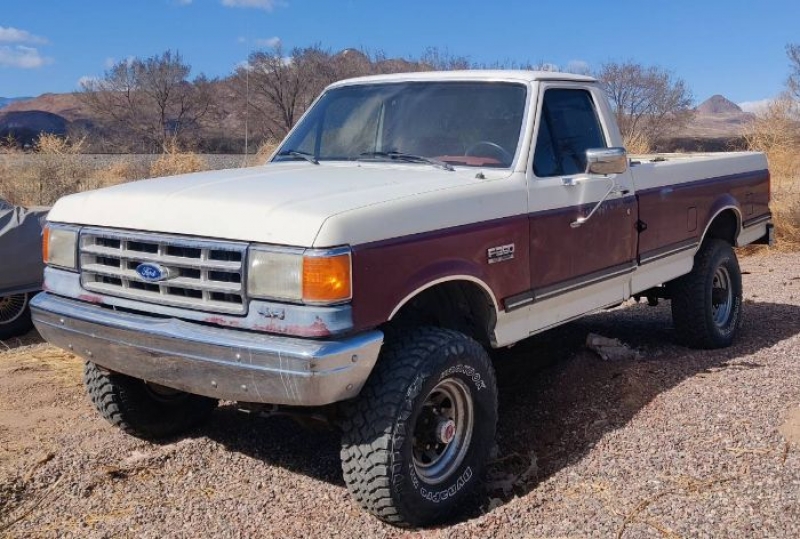
1988 Ford F-350
 Dealer
United States
Dealer
United States
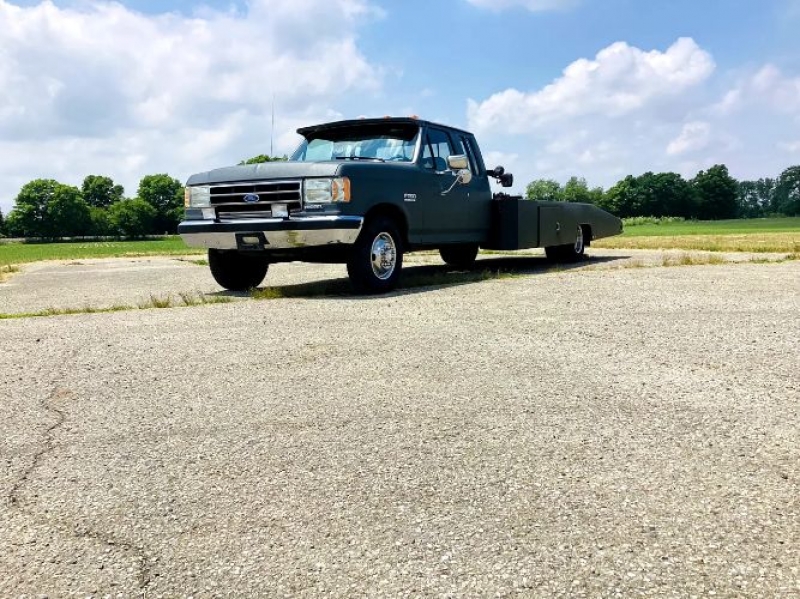
1991 Ford F-350
Pricing Guide
Highboy F-350s (1967–1972) in driver condition: $12,000–$22,000. Clean, restored Highboys: $28,000–$45,000+. DRW "dually" examples command a 15–25% premium. Dentside trucks (1973–1979) are undervalued at $8,000–$18,000 for good drivers. Pre-1966 trucks vary widely by condition: $6,000–$20,000. 4WD trucks add $3,000–$8,000 over comparable 2WD examples. Budget $3,000–$6,000 for a thorough front-end rebuild if needed.Fun Facts
The 1967–1972 F-350 Highboy earned its nickname because Ford's front suspension sat significantly higher than competitors' trucks — you had to step up to get in. When Ford lowered the front end in 1973, the pre-1973 trucks retroactively became "Highboys." The Dana 60 rear axle used in these trucks is still considered one of the strongest production axles ever made. Many original F-350 work trucks are still in daily use on ranches and farms — not as collectibles, but because they simply haven't worn out.Frequently Asked Questions
Ready to find your F-350?
Browse 6+ active Ford F-350 listings on Classic Cars Arena.
View Listings →