
Ford Fairlane 500 Buyer's Guide
The Ford Fairlane 500 started as a full-size cruiser and evolved into a genuine muscle car contender — giving buyers a unique mid-size platform that could be built for style, comfort, or straight-line speed depending on the year and options chosen.

The Fairlane 500 is one of the most underrated nameplates in American automotive history. It started life in 1957 as the top trim of Ford's full-size lineup, evolved into a mid-size platform in 1962, and by the mid-1960s was available with big-block power that made it a genuine muscle car — all before the GTO made mid-size performance fashionable.
I'm Mike Sullivan, and the Fairlane 500 has always been on my radar as a value play in the classic car market. These cars have the bones, the power options, and the styling to compete with anything from the muscle car era, but they haven't historically commanded the premiums of a Chevelle or a Buick GS. That's been changing, and buyers who got in early have done well.
The Fairlane Family Tree
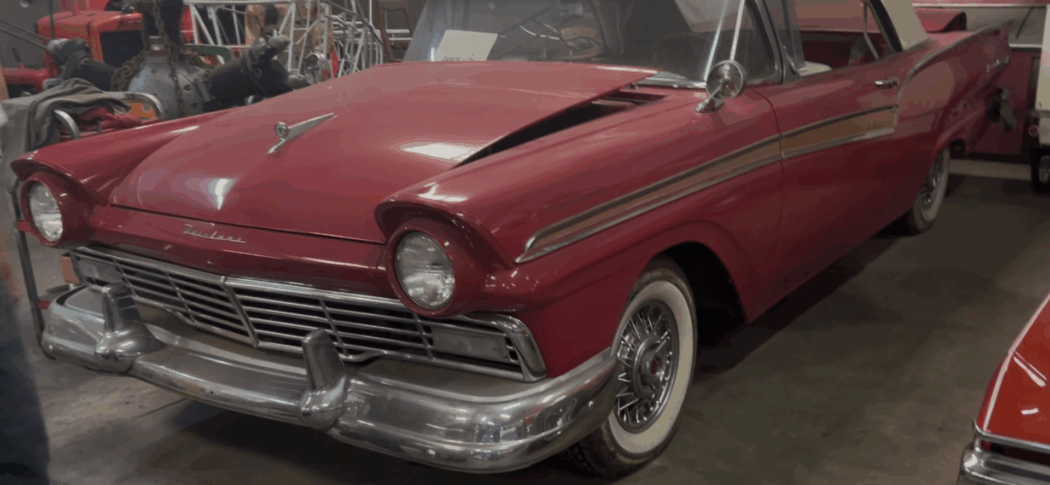
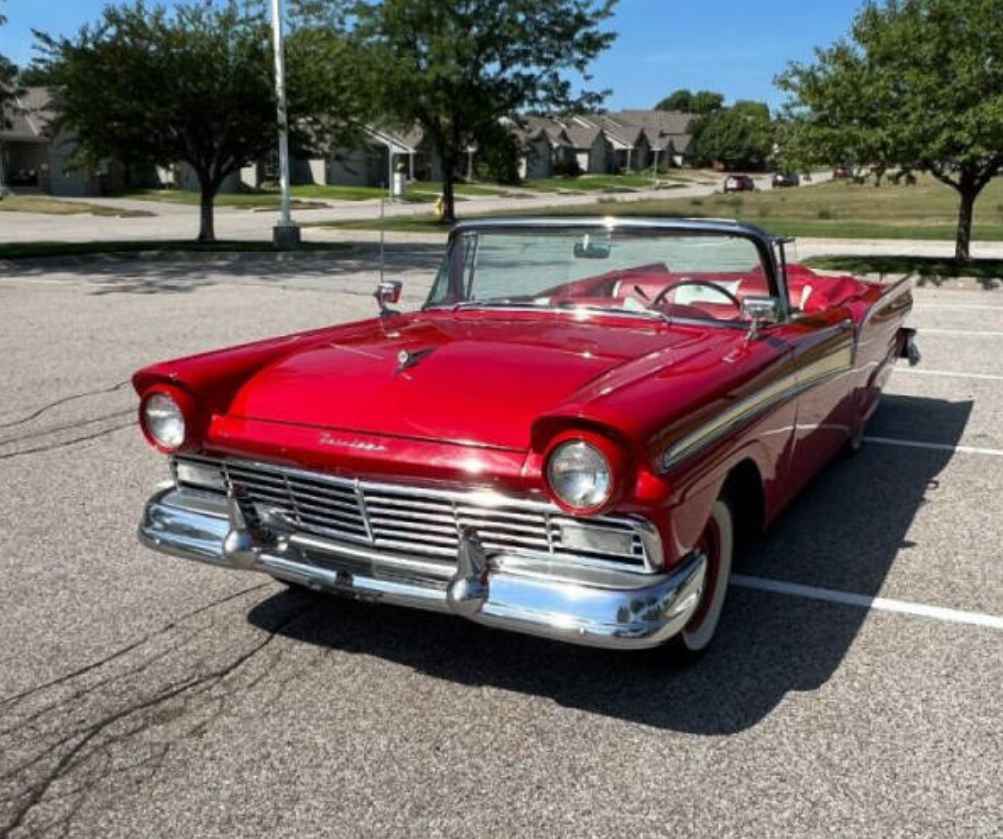
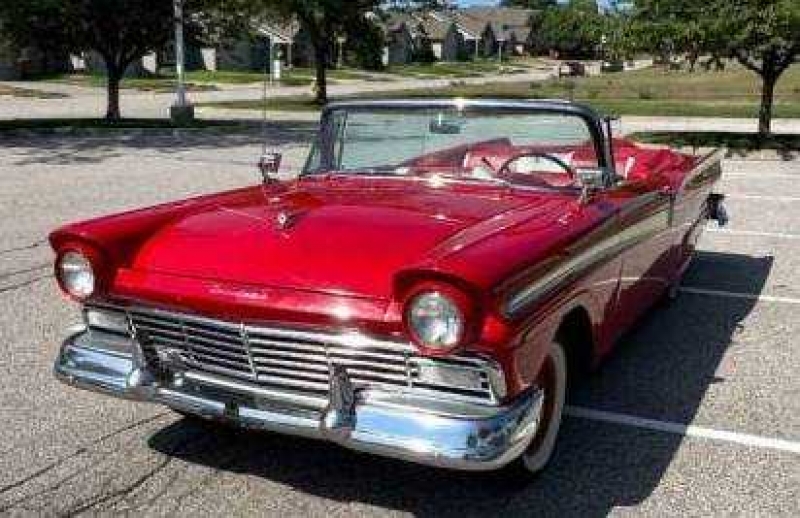
The Fairlane name appeared on Ford's full-size cars starting in 1955, with the Fairlane 500 designation emerging in 1957 as the top-of-the-line trim. These were large, chrome-laden cars that epitomized the excess of late-1950s American styling — fins, chrome, and plenty of both. The 1957–1959 full-size Fairlane 500 is a beautiful car in the period-correct sense, with the 312ci "Thunderbird Special" V8 available as a potent option.
Everything changed in 1962 when Ford downsized the Fairlane to a compact-intermediate size — about 115 inches of wheelbase and a curb weight of roughly 2,900 pounds. This was actually inspired by the success of the Rambler American and reflected genuine market research about what buyers wanted: a smaller, more efficient car that didn't sacrifice style. The 1962–1965 Fairlanes are handsome, practical cars that are easy to drive and maintain.
The Performance Years (1966–1969)
The truly exciting period for the Fairlane 500 begins in 1966. This year brought a significant body redesign that gave the Fairlane a muscle car stance before most people knew what a muscle car was. The key development was the availability of Ford's big-block 390ci FE engine — the same unit that powered the Mustang GT — in the mid-size Fairlane body. A 390-powered Fairlane 500 in 1966 was a legitimate street performer that most buyers never saw coming.
The 1967 Fairlane received a fastback body style option that produced one of the most beautiful mid-size cars of the decade. The roofline is clean and purposeful, the body has real presence, and the fastback styling translates perfectly to the street. Add the available 390ci or the 427ci big-block (a dealer option that created one of the fastest street cars of 1966–1967) and you have a genuine performance machine that remains undervalued compared to its contemporaries.
The 1968–1969 Fairlane received the Torino nameplate as a companion, with the Fairlane 500 continuing as a distinct model in the lineup. These cars are arguably the best-sorted of the generation: more refined than the 1966–1967 cars, available with the 390 and 428 Cobra Jet engines, and still light enough that the big-block made an enormous difference in performance.
The GT and Cobra Jet Connection
The Fairlane GT (1966–1969) is the high-performance model to look for, but the plain Fairlane 500 with a factory 390 or 428 option is nearly as fast and considerably less expensive. The 428 Cobra Jet, introduced in 1968, is the most desirable engine option — these were underrated at 335 horsepower from the factory to keep insurance costs down, but actual output was considerably higher.
Documenting original engine options matters for these cars. A Fairlane 500 with a properly documented 390 or 428 big-block is worth 40–70% more than the same car with a replacement small-block. Decoding the door tag and verifying the powertrain codes is essential before any significant purchase.
What to Watch For
The Fairlane shares many rust vulnerabilities with other Ford mid-size cars of the era: the lower rear quarters, the floor pans, the trunk floor, and the front fender lower edges are all common problem areas. Cars from the Sun Belt are significantly better than Northern examples. The unibody construction means structural rust in the floor is expensive to repair correctly.
Engine and drivetrain authenticity is the other major concern. Many Fairlane 500s have had their drivetrains swapped over the decades — either upgraded (adding a 428 that wasn't original) or downgraded (replacing a worn-out big-block with a more available small-block). The door tag broadcast sheet and engine stamp codes tell the story if you know how to read them.
Browse Ford Fairlane 500 listings

What to Look For
Verify drivetrain authenticity via the door tag and engine stamp codes before committing to a big-block premium. Inspect the lower rear quarter panels and trunk floor for rust — these are structural on the unibody. Check the floor pans from underneath and probe the rocker panels. On fastback body styles, inspect the sail panel area where the roofline meets the quarter panel — water collects here. Verify the 1968–1969 models don't have replaced hood or front sheet metal from poor collision repairs. Check the VIN and title for potential title washing.Pre-Purchase Checklist
-
Door Tag / Build Sheet
Decode the door tag to verify original engine, transmission, and color codes before paying big-block prices. -
Engine Stamp
Check the engine stamp code — verifiable against factory records to confirm original or replacement engine. -
Lower Quarter Rust
Inspect lower rear quarters and trunk pan — probe with a pick, not just visual examination. -
Floor Pan Integrity
Check floors from underneath for rust perforation, particularly at the rocker panel welds. -
Fastback Sail Panel
On fastback models, check where the roofline meets the sail panel — water collects here and causes hidden rust. -
FE Engine Condition
Check for cracked exhaust manifolds, oil leaks at the rear main seal, and smooth idle without misfiring. -
Transmission Performance
Test the automatic or 4-speed manual for smooth shifts and no slipping — C6 rebuilds run $1,500–$2,500. -
Brake System
Verify dual-circuit master cylinder on 1967+ cars — single-circuit pre-1967 cars should ideally be upgraded. -
Hood Alignment
Check hood and front fender alignment — uneven gaps indicate previous front collision work.
Common Issues
Lower rear quarter rust on unibody structure — expensive to repair correctly. Floor pan perforation, especially in the footwells. Trunk floor rust around the spare tire well. Incorrect drivetrain swaps (misrepresented as big-block cars). Cracked exhaust manifolds on 390/428 FE engines from heat cycling. Worn out C4 or C6 automatic transmission — common on cars with performance-driving history. Brake master cylinder deterioration on pre-1966 single-circuit systems.More Fairlane 500 for sale
Pricing Guide
1957–1961 full-size Fairlane 500 in driver condition: $12,000–$22,000. 1962–1965 mid-size: $8,000–$16,000. 1966–1969 standard small-block drivers: $12,000–$20,000. 1966–1969 documented 390ci big-block cars: $20,000–$35,000. 1968–1969 documented 428 Cobra Jet cars: $35,000–$60,000. Fastback body styles command 15–25% premium over hardtops. GT models add significant premium.Fun Facts
The 1966 Fairlane was actually available with a 427ci race engine through select Ford dealers — making it one of the fastest street cars sold in America that year, years before most people associated "muscle car" with mid-size platforms. The Fairlane name derived from Fair Lane — the name of Henry Ford's personal estate in Dearborn, Michigan, now a National Historic Landmark. The 1969 Fairlane Cobra with a 428 Cobra Jet ran the quarter mile in the low 14-second range — quicker than many dedicated sports cars of the period.Frequently Asked Questions
Ready to find your Fairlane 500?
Browse 6+ active Ford Fairlane 500 listings on Classic Cars Arena.
View Listings →