
Ford LTD Buyer's Guide
The Ford LTD outsold Cadillac in 1969 — not a typo. America's most popular luxury car wasn't from the General; it was this big, smooth, 429-powered Ford that delivered genuine isolation and highway manners at a working family's price.

Mike Sullivan here. I know the LTD doesn't headline any muscle car auction, but hear me out: in 1969, Ford sold more LTDs than General Motors sold Cadillacs. The marketing claimed it was quieter than a Rolls-Royce — which was a stretch — but the blindfold test comparing the LTD's interior noise to a Cadillac DeVille was close enough that Ford ran it nationally. These were genuinely refined automobiles at a price middle-class families could manage.
Today the LTD is one of the most underpriced American cars of its era. Clean 1969–1971 two-door hardtops with the 429ci engine are trading at fractions of equivalent Chevrolet Caprices. That won't last. The collectors who recognized this five years ago have already made money, and there's still runway left.
LTD History and Generations
Ford launched the LTD nameplate in 1965 as a prestige trim level on the Galaxie 500. The response was strong enough that Ford elevated the LTD to its own standalone model for 1966. From that point through 1978, the LTD was Ford's answer to the Chevrolet Caprice — full-size, V8-powered, luxury-focused, and aimed squarely at the buyer who wanted a Cadillac experience without the Cadillac price.
1966–1968: Establishing the Brand
The early LTD used the 390ci FE V8 as the standard engine — a proven, torquey unit that delivered comfortable highway performance. These cars established the LTD's character: quiet, soft-riding, pillow-interior luxury. The optional vinyl roof, the thicker carpeting, the power accessories — all of it communicated the right message to buyers trading up from standard Fords.
1969–1971: The Peak
The 1969 redesign gave the LTD the proportions it needed: a long hood, formal roofline, and the optional 429ci V8 that replaced the 390. The 1969 LTD Brougham was the apex — with the 429, optional air conditioning, power everything, and a ride that Car Life called "comparable to Cadillac DeVille." Ford's marketing team ran with the Cadillac comparison aggressively, and the sales numbers validated the positioning.
1972–1978: The Emissions Era
Federal emissions regulations arrived in 1972 and the 429 gave way to the 460ci V8 — a larger displacement engine that compensated for detuning with additional torque. These are perfectly competent cars that ride and drive well, but the 1974 safety legislation brought the chunky 5 mph bumpers that changed the visual proportions. Post-1974 LTDs are good drivers but less collectible than the cleaner pre-bumper cars.
Engine Options
| Engine | Displacement | Output | Years |
|---|---|---|---|
| FE V8 | 390ci / 6.4L | 265–315 hp | 1966–1971 |
| Thunder Jet V8 | 429ci / 7.0L | 320–360 hp | 1968–1971 |
| Lima V8 | 460ci / 7.5L | 202–275 hp | 1972–1978 |
| Windsor V8 | 351ci / 5.8L | 148–240 hp | Optional, various years |
The 429ci is the sweet spot — enough torque to move the car effortlessly, smooth enough for the luxury context, and durable with basic maintenance. The 460 that followed is also a good engine; the main criticism is the emissions-era calibration that softened output, but the torque curve is actually impressive at low rpm, which is where a luxury car lives.
The Brougham and Country Squire
The LTD Brougham added thicker insulation, richer upholstery, the opera windows (on later cars), and additional chrome content over the standard LTD. It's the package most buyers specify when they're looking for the full experience. The Country Squire station wagon with LTD trim is a separate collector category that deserves more attention than it gets — these are the quintessential American family wagons of the era, with real Di-Noc vinyl wood paneling and the same luxury amenities as the sedan.
"I've driven LTDs that genuinely surprised me. Quiet cabin, effortless power, a ride that absorbs everything. And then I looked at what they asked for it and laughed. The market hasn't figured these cars out yet — but it will."
— Mike Sullivan
Market Outlook
The LTD occupies an interesting collector position: quality is documented and the cars are well-understood, but the market hasn't attached the premiums it has to comparable Caprices or Impalas. Clean 1969–1971 two-door hardtops with the 429 and the Brougham package represent genuine value. As the generation that grew up riding in these cars enters peak collecting years, the gap between LTD and Caprice values should compress.
Browse Ford LTD listings
 Dealer
 United States
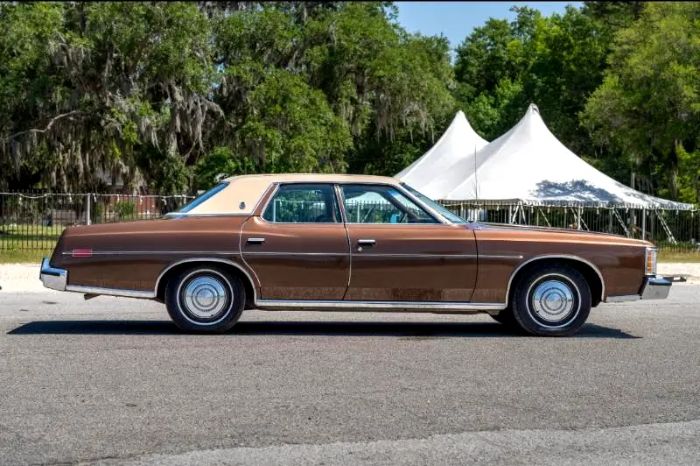
1973 Ford LTD
 Dealer
United States
Dealer
United States
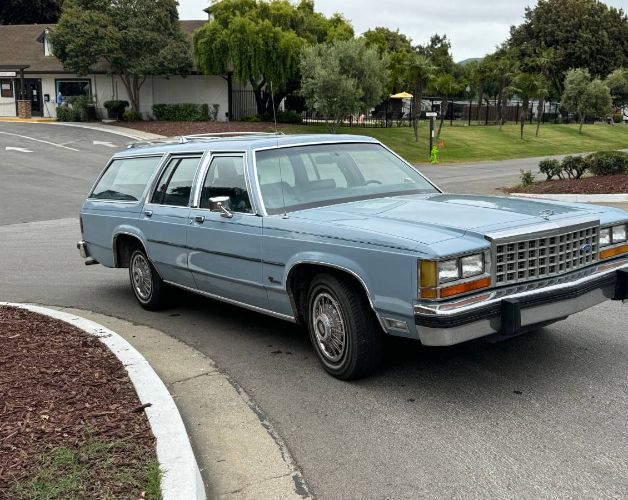
1987 Ford LTD
What to Look For
Trunk floor rust is the primary concern — the LTD's trunk pan collects water through deteriorated seals and rusts from the inside out, invisible from below. Bring a probe and check the full floor. Rear quarter panels above the wheel wells are the second rust location on salt-belt cars. Inspect the vinyl roof on Brougham models by lifting the leading edge at the C-pillars — trapped moisture creates rust behind the vinyl that isn't visible until it perforates. On 429ci cars, run a compression test: four even cylinders with no outliers confirms healthy rings and heads. On 460ci cars, cold start and warm idle should be smooth — a varnished carburetor from sitting is a $300 fix but tells you about overall maintenance history. Test every power accessory: windows, locks, trunk release — the circuits are aging and connector corrosion is common. Check the frame rails the full length for surface rust and any evidence of structural repair, especially at body mount points.Pre-Purchase Checklist
-
Trunk Floor Rust
Probe the full trunk floor — inside-out rust from water intrusion is the most common structural failure. -
Rear Quarter Panels
Check above both rear wheel wells for rust perforation — standard salt-belt failure point. -
Vinyl Roof Seams
Lift the vinyl at C-pillar leading edges to check for hidden rust under the roof covering. -
Engine Compression
Compression test on 429 or 460 V8 — even cylinders confirm healthy rings and no head issues. -
Carburetor Function
Cold start and warm idle — rough running on a 460 usually indicates a varnished carb from sitting. -
Power Accessories
Test every power window and door lock — operate each switch through full travel. -
Frame Rails
Walk the full frame length inspecting for rust and any evidence of structural repair at body mounts. -
Exhaust Tick
Listen for ticking at cold startup — exhaust manifold cracks are common on high-mileage FE V8s. -
Bumper Mounts (1974+)
On post-1973 cars, verify 5 mph bumper mounting hardware is intact and not rusted through.
Common Issues
Trunk floor pan rust from water intrusion is the most common structural issue — universal on cars without regular maintenance and often worse than visible inspection suggests. Rear quarter panel rust above wheel wells. Vinyl roof trapped moisture at C-pillar seams causing hidden rust. 460ci carburetor varnish from storage — drivability issues until properly cleaned or rebuilt. Power window and door lock failures from age-deteriorated electrical connectors and worn actuators. Exhaust manifold cracks on high-mileage V8s, especially on the 390 FE — listen for ticking at startup. Cooling system deterioration: hoses, water pump, and thermostat housing on unserviced examples. On 1974–1978 cars, the 5 mph bumper mounting hardware rusts and the hydraulic shock bumpers lose function — neither is structural but both affect authenticity.More LTD for sale
 Dealer
United States
Dealer
United States
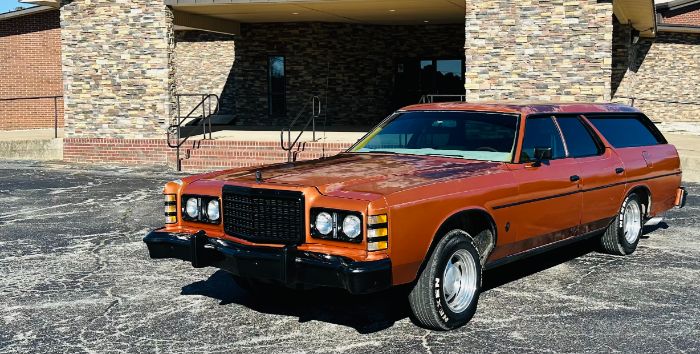
1978 Ford LTD
 Dealer
United States
Dealer
United States
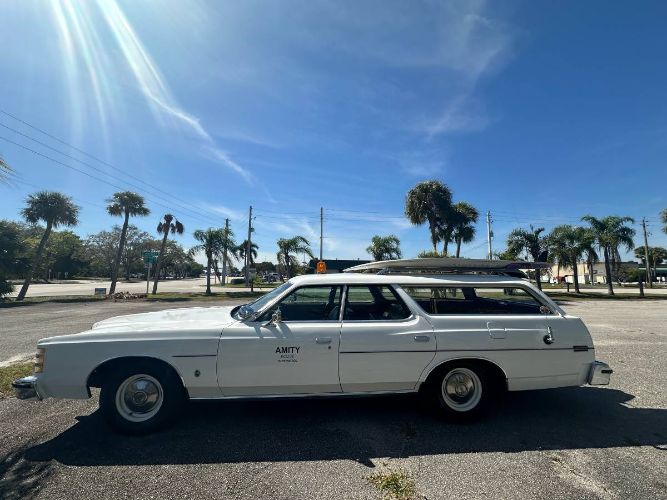
1976 Ford LTD
Pricing Guide
1966–1968 LTD 2-door hardtop (390ci): $7,000–$16,000. 1969–1971 LTD 2-door hardtop (429ci): $13,000–$30,000. 1969–1971 LTD Brougham: $15,000–$35,000. 1972–1973 LTD (pre-bumper body): $6,000–$15,000. 1974–1978 LTD (any body): $4,000–$12,000. Country Squire LTD wagon: $7,000–$22,000. Sun Belt rust-free cars command 25–40% premiums over comparable northern examples. Documented low mileage with original paperwork pushes any configuration to the top of the range.Fun Facts
In 1969, Ford's "More people drive LTDs than any other luxury car" campaign was statistically accurate — the LTD outsold every individual luxury nameplate including the Cadillac DeVille. Ford's comparison test put blindfolded buyers in a running LTD, asked them to rate the interior noise, then moved them to a Rolls-Royce Silver Shadow — the results were close enough that Ford ran the comparison nationally. The Country Squire station wagon with LTD trim became one of the defining images of American suburban family life in the 1970s, appearing in advertising and film as the aspirational middle-class American vehicle.Frequently Asked Questions