
Ford Super Deluxe Buyer's Guide
The Ford Super Deluxe was the top of the Ford lineup during the wartime pause and postwar recovery — a prewar-designed car built to postwar standards that kept American families mobile and became the starting point for the custom car culture that followed.

Jim Vasquez here. People forget how strange the postwar Ford market was. Ford spent 1942–1945 building war materials and resumed civilian car production in mid-1945 with... the same design they'd frozen in 1942. The 1946–1948 Ford Super Deluxe was essentially a 1942 car with minor updates, and yet it was enormously popular. Americans were starved for new cars, the Super Deluxe was the best Ford offered, and the flathead V8 continued to deliver the performance that had made Ford's reputation.
For the custom car world, the 1941–1948 Super Deluxe is foundational material. The proportions are near-perfect for chopping and lowering, the flathead V8 is endlessly modifiable, and the cars were common enough that building supplies were readily available in the late 1940s and 1950s when the custom movement took off. Some of the most famous early customs were built on Super Deluxe foundations.
The Super Deluxe in Context
The Super Deluxe was Ford's top-trim model from 1941 through 1948 — positioned above the Deluxe trim with more chrome, better interior materials, and more body style options. The name itself communicated the marketing logic: this was the "super" version of an already-deluxe car. In practice, the differences between the Super Deluxe and the base Deluxe were real but modest — the Super Deluxe had more brightwork, a nicer instrument panel, and access to the convertible and wagon body styles that the Deluxe didn't offer.
The 1941 pre-war cars are the most stylistically interesting. Ford's design for 1941 updated the 1939–1940 design with a more modern grille treatment and cleaner body sides. The 1941 Super Deluxe in convertible form is particularly attractive — lower hood line, longer proportions, and available in a range of striking colors that reflect the prewar confidence of American design.
The Wartime Freeze and Postwar Return
Ford halted civilian production in early 1942, and when production resumed in 1945–1946, the cars were essentially the same design with minor updates. The 1946–1948 Super Deluxe received a revised grille, updated interior trim, and some accessory revisions, but the fundamental car — the flathead V8, the body proportions, the chassis — was unchanged from 1941. This continuity is not a problem for collectors: the design was good in 1941 and it was good in 1948.
The postwar Super Deluxe was produced in larger numbers than the prewar cars, which makes examples more available but also means fewer survivors command the rarity premium. The 1941 Super Deluxe is rarer and more carefully scrutinized by collectors than the 1946–1948 cars, but the postwar examples are more practical for buyers who want a daily driver or project car without paying concours prices.
Body Styles
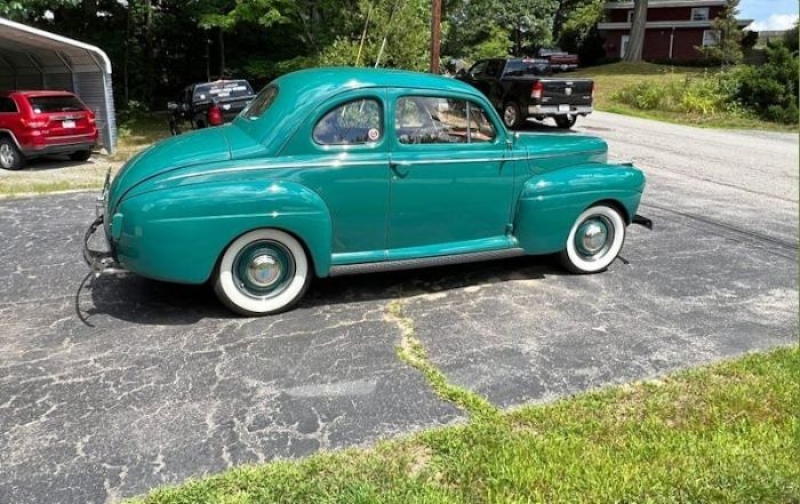
The Super Deluxe was available in an impressive range of body styles: the two-door Tudor sedan, four-door Fordor sedan, the three-passenger coupe, the convertible club coupe, the sportsman convertible (with wood body accents), and the station wagon. The convertible and sportsman are the most collectible today; the Tudor sedan is the most available and affordable entry point.
The Sportsman was a specific postwar variant (1946–1948) that combined the convertible body with decorative mahogany and maple woodwork on the body sides — essentially a woodie convertible. These are extremely rare and extremely valuable: only 3,487 total Sportsmans were built across three years, and finding one in original condition is a significant event.
Flathead V8: The Enthusiast's Foundation
The 239ci flathead V8 in the Super Deluxe produced 100 horsepower in 1946–1948 — modest by modern standards but perfectly matched to the car's character. The flathead's architecture invites modification: multiple carburetor setups, high-compression heads, and better ignition systems can push output to 150–200 hp with period-correct equipment. This modifiability is why the custom culture adopted the flathead Ford so enthusiastically: you could build any level of performance you wanted with available parts and machine shop work.
Browse Ford Super Deluxe listings
What to Look For
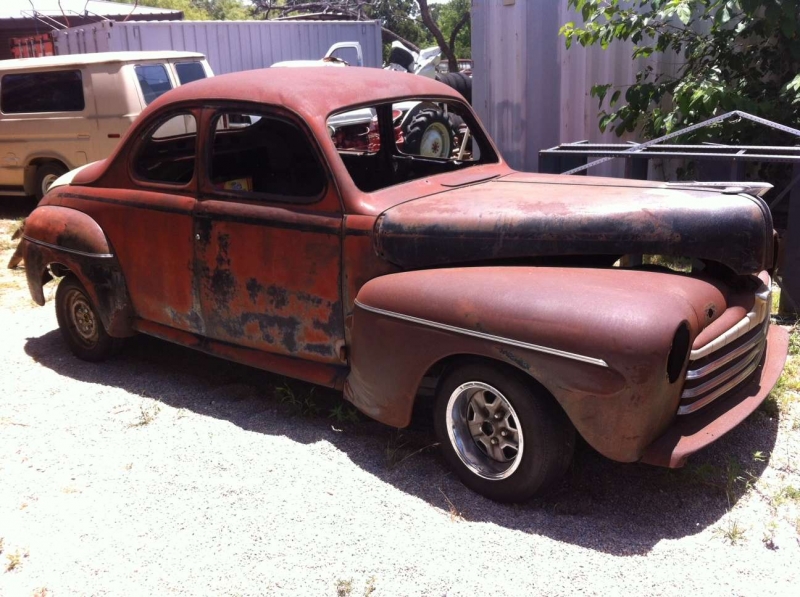
Inspect the lower door skins and sill areas carefully — these rust consistently on pre-war and early postwar Fords from any climate. Check the floor pans and firewall area. On convertibles, inspect the body structure for rust from top-down water intrusion. Verify the flathead V8 doesn't overheat — cooling system failures on these engines are serious if the block's water passages have corroded. On Sportsman variants, verify the woodwork is original and structurally sound — wood rot is common and expensive to repair.Pre-Purchase Checklist
-
Lower Door Rust
Probe lower door skins and sills — consistent rust location on all pre/postwar Fords. -
Floor Pan Condition
Check floors from underneath and inside — perforation common on unrestored examples. -
Flathead Cooling System
Warm to operating temperature and watch for overheating — water passage corrosion is serious. -
Convertible Structure
On convertibles, inspect the body structure behind the doors for water intrusion rust. -
Sportsman Wood (if applicable)
On Sportsman models, probe all wood sections for rot — soft spots mean expensive repair. -
Glass Completeness
Check all glass — original pre-war style glass can be expensive to source. -
Head Gasket Condition
Check for white exhaust smoke and oil emulsification — flathead head gasket failure. -
Trim Completeness
Inventory chrome trim — Super Deluxe-specific pieces can be difficult to source correctly.
Common Issues
Lower door skin and sill rust. Floor pan corrosion. Flathead V8 cooling system failures from blocked water passages in the block. Head gasket leaks (modern replacements are much better than originals). Rubber seal and weatherstripping deterioration. Convertible top mechanism rust. Sportsman wood body rot — extremely expensive to restore correctly.More Super Deluxe for sale
 Dealer
 United States
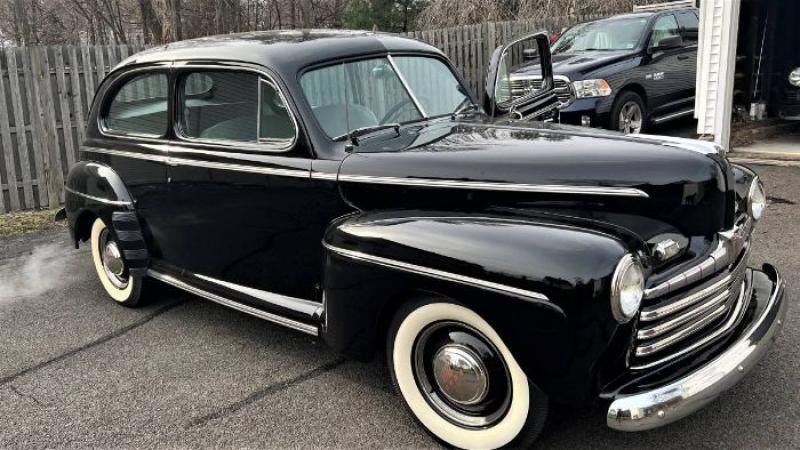
1946 Ford Super Deluxe
 Dealer
United States
Dealer
United States
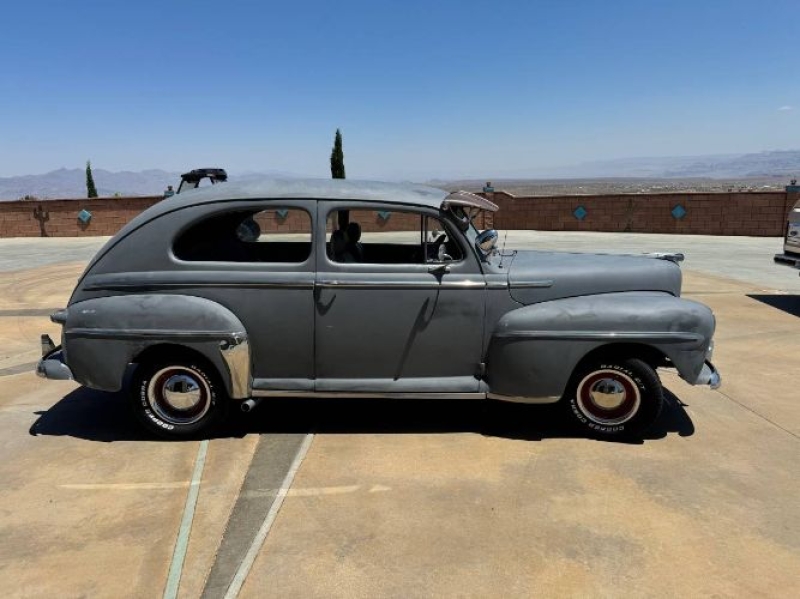
1948 Ford Super Deluxe
Pricing Guide
1941 Tudor sedan: $10,000–$22,000. 1946–1948 Tudor sedan: $8,000–$18,000. Convertibles (any year): $20,000–$45,000. 1941 Convertible: $30,000–$60,000+. 1946–1948 Sportsman: $45,000–$90,000+ for genuine examples. Period-correct custom builds: $25,000–$150,000+ depending on quality.Fun Facts
The 1946–1948 Ford Sportsman was the only American car of the postwar era to feature factory-installed decorative wood body trim on a convertible — a concept that was simultaneously luxurious and impractical in the American weather context. The Ford Sportsman was directly competing with the Chrysler Town & Country, another woodie convertible that has become one of the most recognizable American classic cars. The 1941 Ford's flathead V8 produced exactly 90 horsepower — the same number as the year of the car's production, a coincidence that Ford's marketing team reportedly noticed with satisfaction.Frequently Asked Questions
Ready to find your Super Deluxe?
Browse 6+ active Ford Super Deluxe listings on Classic Cars Arena.
View Listings →