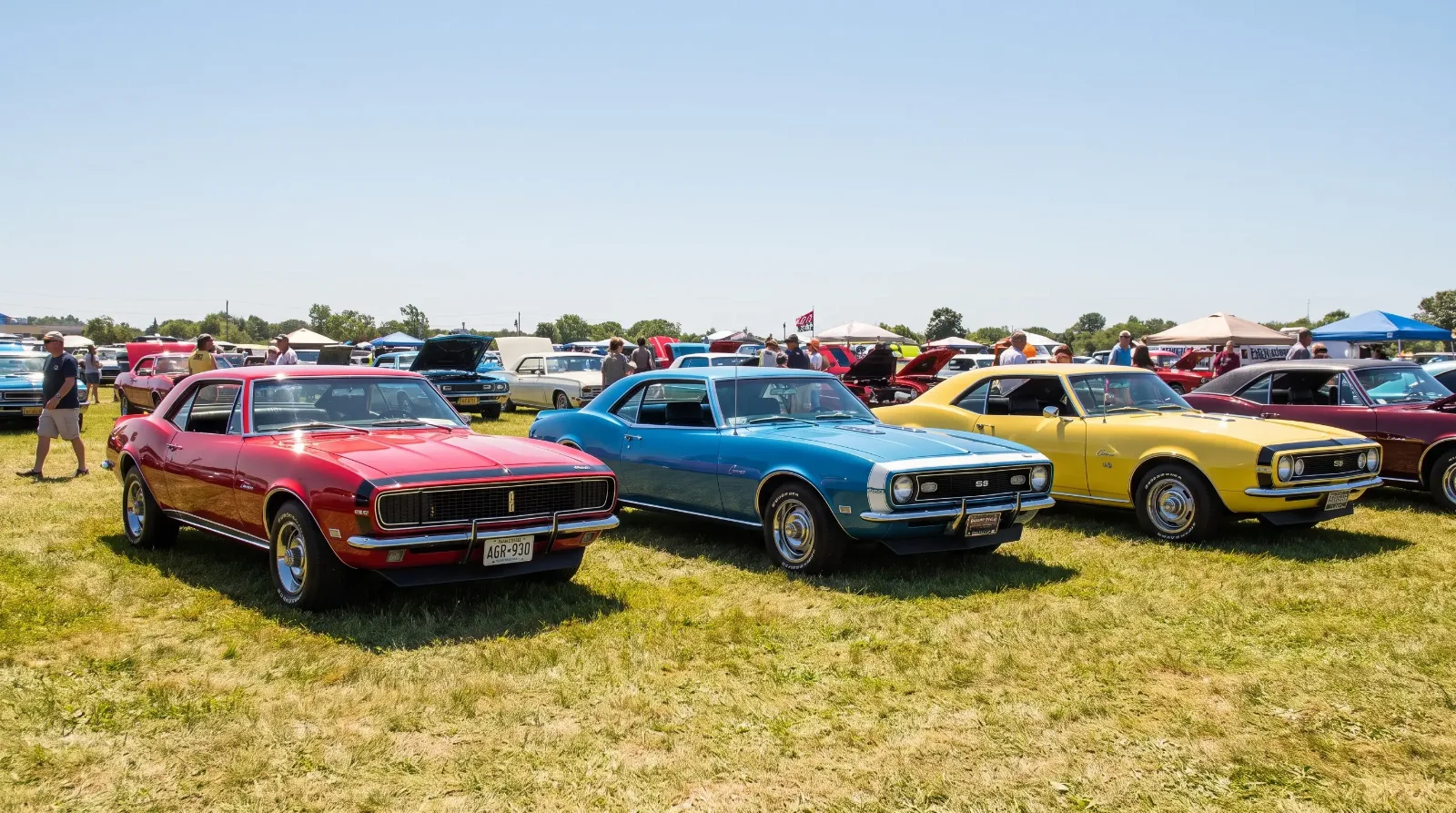

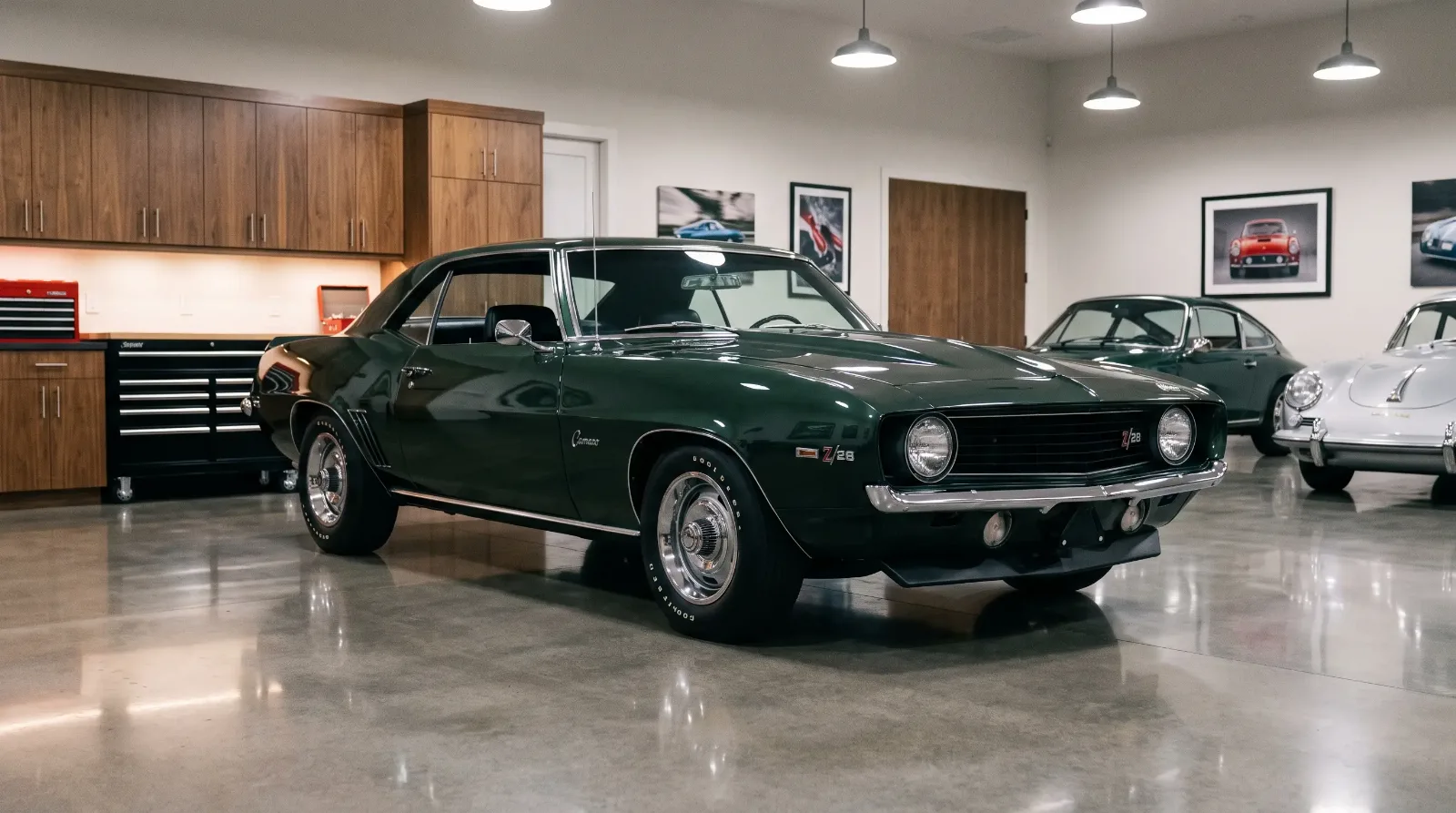
From used car to cultural artifact
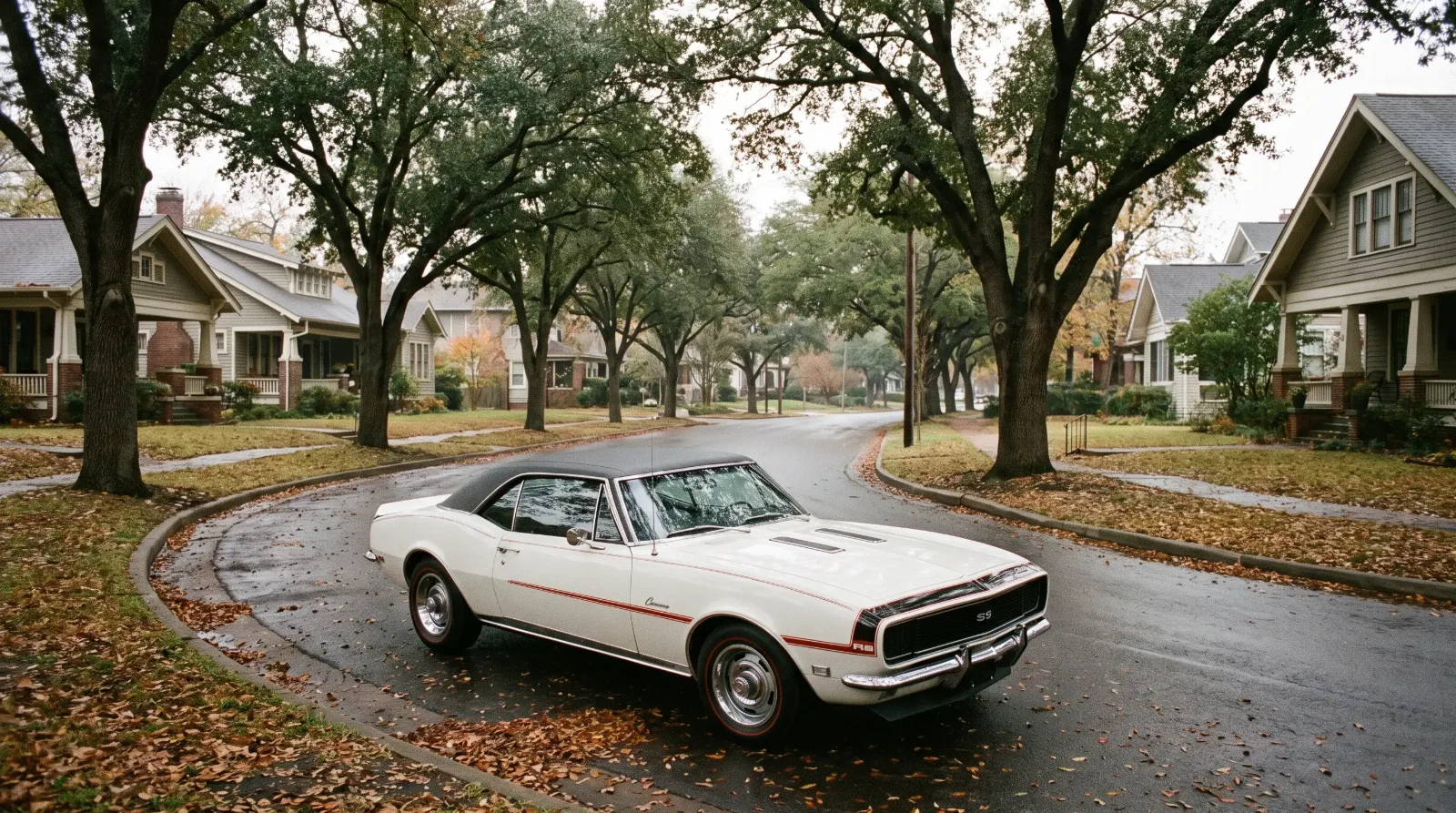
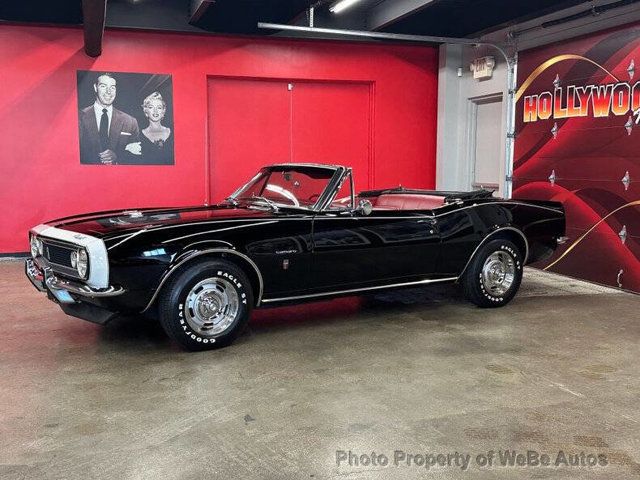
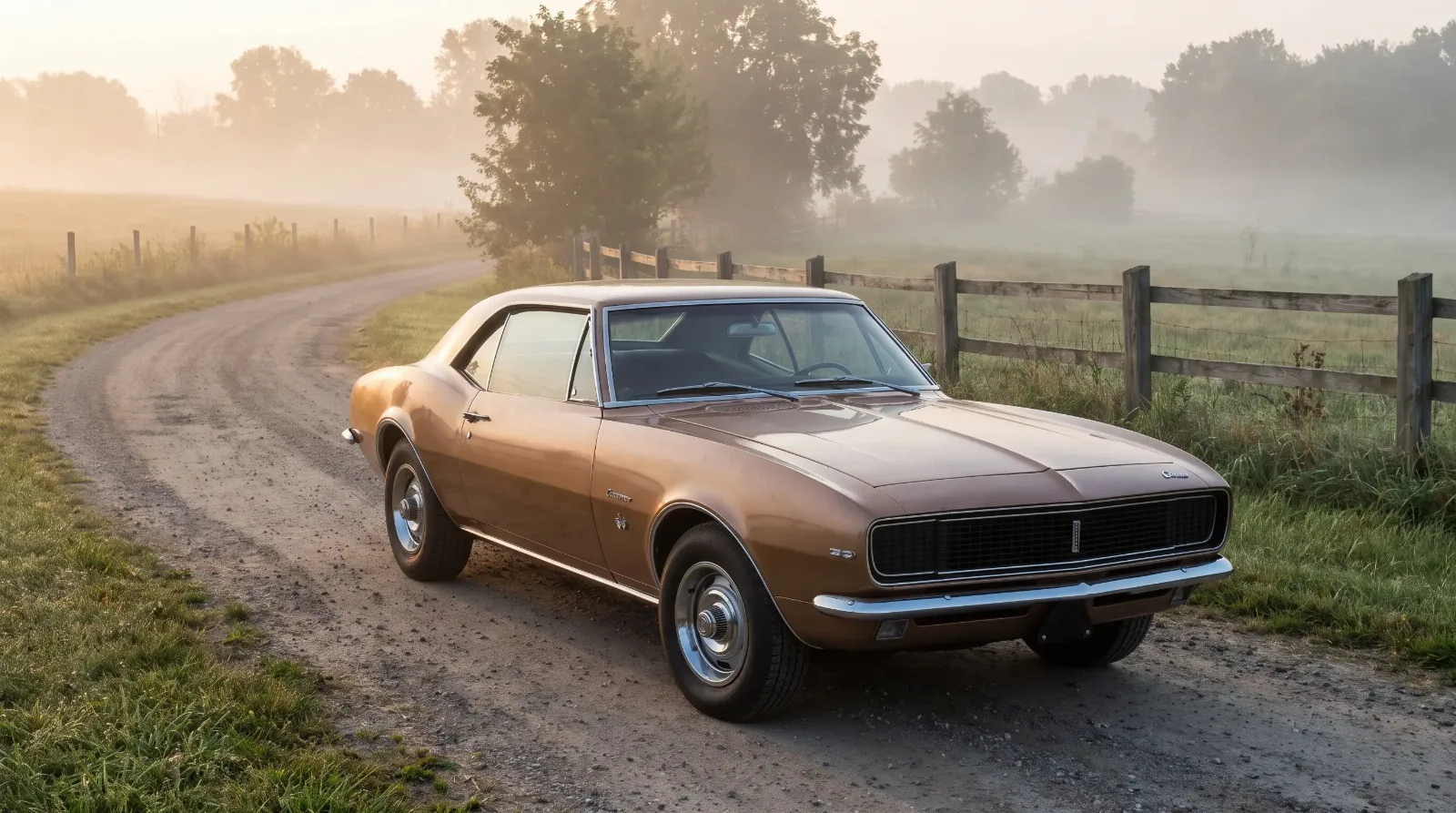
In the mid-1970s, a used 1967 Camaro SS was a practical transportation choice for a young buyer who could not afford a new car. By the early 1990s, those same cars had crossed the threshold from used transportation into collectibles. By 2010, a documented Z/28 or SS396 in excellent condition was selling for six figures at Barrett-Jackson, Mecum, and RM Sotheby's. By the early 2020s, authenticated COPO and ZL1 examples were clearing one million dollars at major auction events.
This trajectory is not accidental, and understanding what drove it is useful for anyone considering a first-gen Camaro as an investment, a hobby car, or a long-term hold. The market dynamics are rooted in specific, traceable factors: generational nostalgia, production rarity at the high end, the Z/28's racing heritage, and the structural reality that the supply of authentic, unmodified first-gens is finite and shrinking.
For a broader perspective on the generation's place in automotive history, the first-generation Camaro history covers the full arc. And the complete Chevrolet Camaro story on Classic Cars Arena provides context across all generations for those tracking the nameplate's evolving market position.
What the auction data actually shows
Publicly available auction results from the major houses provide a reasonably clear picture of how the market has structured itself across car types and condition grades. At the broad level, first-gen Camaros sort into four value tiers:
| Tier | Description | Approx. Value Range (2024) |
|---|---|---|
| Entry | Six-cylinder, driver condition, no documentation | $12,000 - $28,000 |
| Mid-range | V8 coupe, restored or solid driver, moderate options | $28,000 - $65,000 |
| High | SS, RS, or Z/28 in documented, excellent condition | $65,000 - $180,000 |
| Trophy | COPO, ZL1, or rare-option cars with full provenance | $200,000 - $1,000,000+ |
These ranges are broad approximations based on publicly reported results and shift with broader economic conditions; current figures should be checked against live auction-house and price-guide data before any transaction. The spread between tiers has generally widened over time as the trophy tier has appreciated faster than the entry tier -- a pattern common in collector car markets when a specific nameplate achieves cultural landmark status.
The factors that drive premium values
Several well-documented factors push first-gen Camaros toward the upper end of their respective tiers. Documentation is the most powerful: a car with an original window sticker, Protect-O-Plate, dealer invoice, and broadcast sheet will command 20 to 40 percent more than an equivalent car without paperwork, depending on the specific configuration. This premium exists because documentation resolves authentication questions that would otherwise require expensive technical verification.
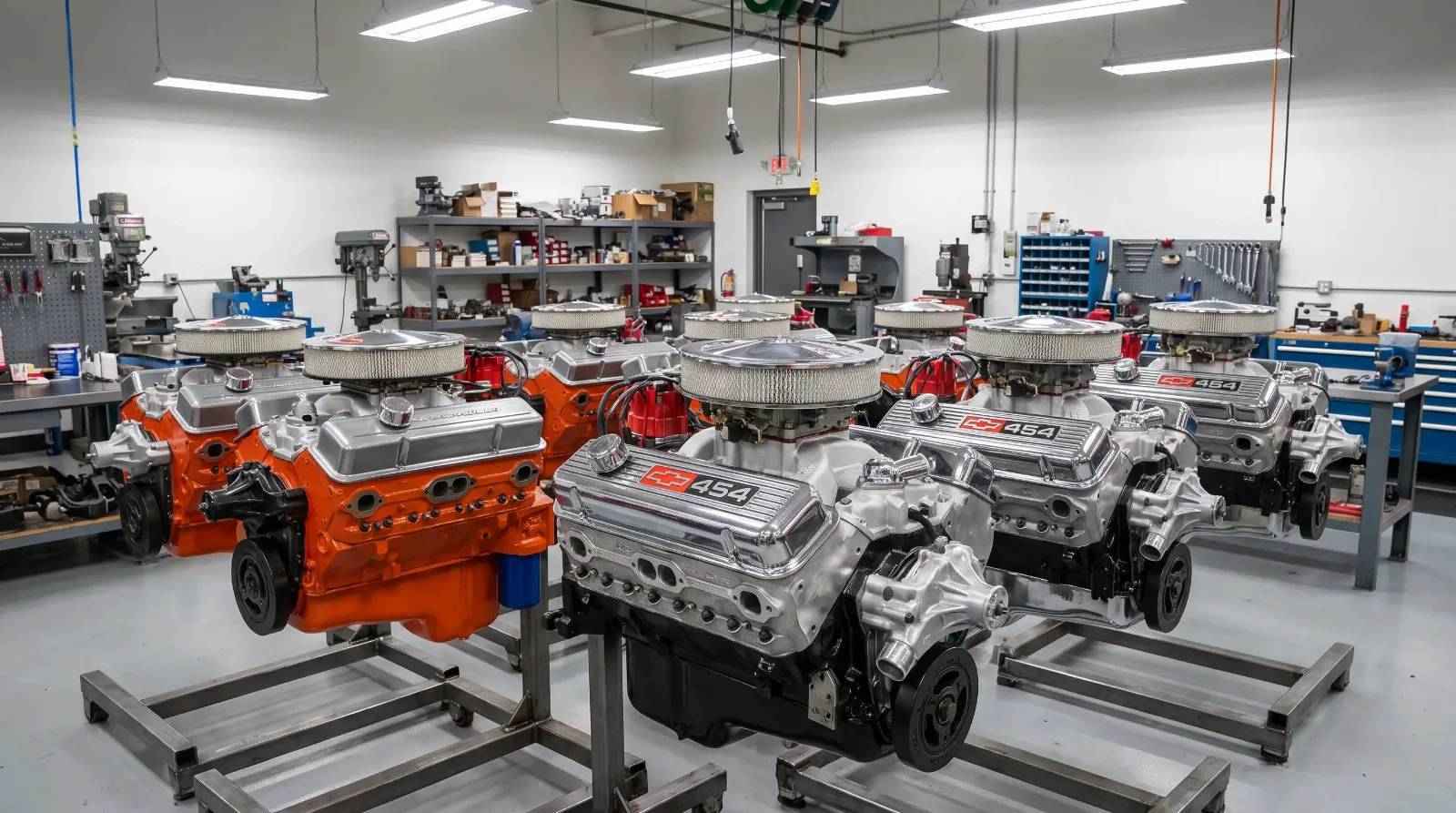
Option rarity is the second major driver. The L89 aluminum-head SS396 was expensive when new and ordered by relatively few buyers; surviving examples with verified L89 heads are genuinely uncommon. Similarly, the RPO Z28 package in 1967 and 1968 was produced in low numbers relative to total Camaro production -- 602 units for 1967 and 7,199 for 1968, before jumping to roughly 19,000-20,000 for 1969. These production figures are well-documented in GM records and underpin the Z/28's collector premium.
Condition and authenticity interact in a specific way in the first-gen market. A frame-off restoration to factory-correct specifications by a recognized restoration shop can increase value, but only if the restoration itself is verifiable and the underlying car retains its correct numbers (matching engine, transmission, and rear axle ratio). A well-documented, correct-numbers restoration at concours level often outperforms an unrestored car in the same configuration.
"The Z/28 market specifically has moved in lockstep with documentation quality. Ten years ago, a plausible-looking Z/28 without full paperwork could still bring strong money. Today, the buyers at the top of the market want every piece of paper verified before they bid. That shift has repriced the entire tier."
-- David Mercer
The generational nostalgia engine
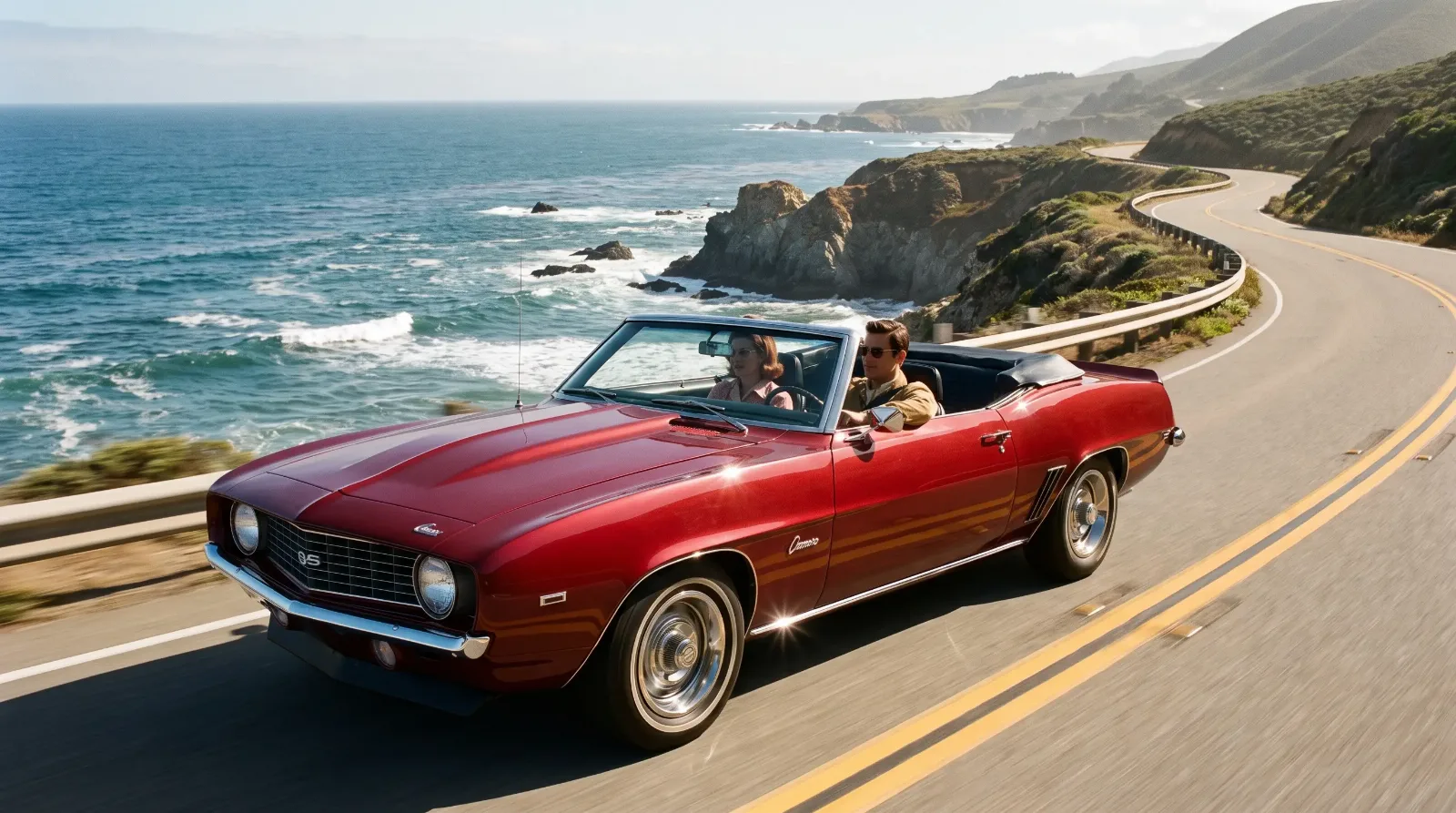
The buyers who pushed first-gen Camaros into the trophy tier were primarily members of the Baby Boom generation -- people who were teenagers or young adults when these cars were new in 1967-69. As that cohort entered peak earning years through the 1990s and 2000s, the cars they had wanted but could not afford in youth became the cars they bought in middle age. This pattern is well-established in collector markets and has been analyzed extensively by auction house economists.
The question of what happens as Baby Boomer buyers age out of the market -- and whether younger buyers will sustain the same price levels -- is the most frequently debated structural question in the first-gen collector community. Early data from auction house demographic tracking suggests that Gen X buyers have entered the market for 1967-69 cars in meaningful numbers. The consensus among market analysts is cautious optimism: the first-gen Camaro has enough cultural gravity to retain strong collector demand, but the rate of appreciation may moderate from the sharp trajectory of the 2000s-2010s.
Buying strategy for the current market
For a buyer entering the first-gen collector market today, the practical implications are clear. Documentation matters more than it ever has; pay the premium for a car with its paperwork rather than buying a cheaper undocumented car and hoping to find the documents later. Correct numbers are non-negotiable for any car above the mid-range tier. And condition grades from recognized appraisers (the Hagerty Price Guide condition scale or comparable systems used by Mecum and Barrett-Jackson) provide a standardized vocabulary for comparing cars across different sellers.
If you are actively looking for a first-gen Camaro to add to your collection, the Classic Cars Arena first-generation Camaro listings aggregate current inventory with detailed specifications. The next article in this series covers one specific segment within the first-gen market that carries its own distinct dynamics: the convertible first-gens.
Sources and notes
Production figures, engine specifications, codes, and dates in this article are cross-referenced from established Camaro references, period documentation, and owner registries. Where sources differ, the most commonly cited value is used. Cost figures are indicative and vary by supplier, region, and condition.