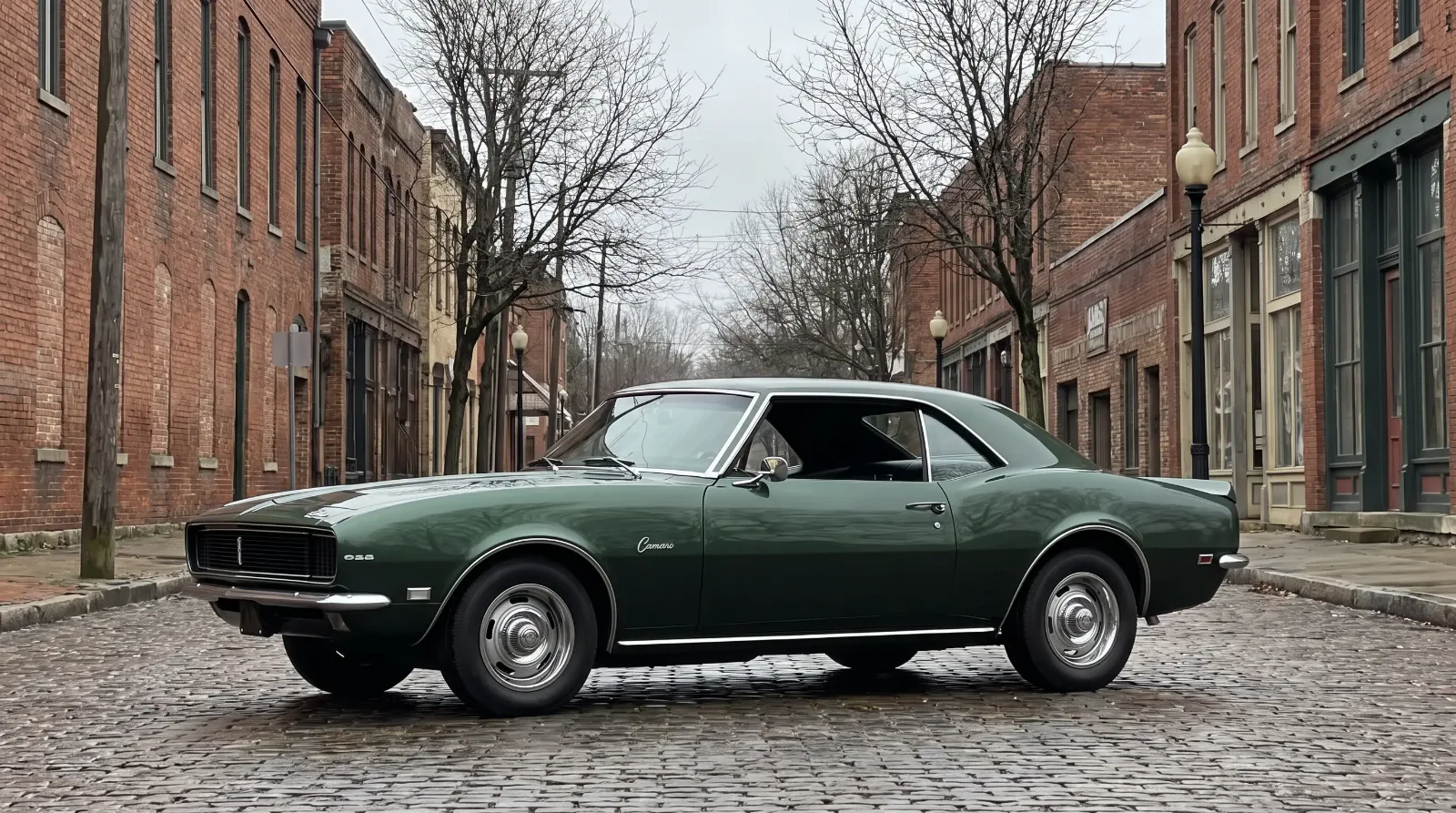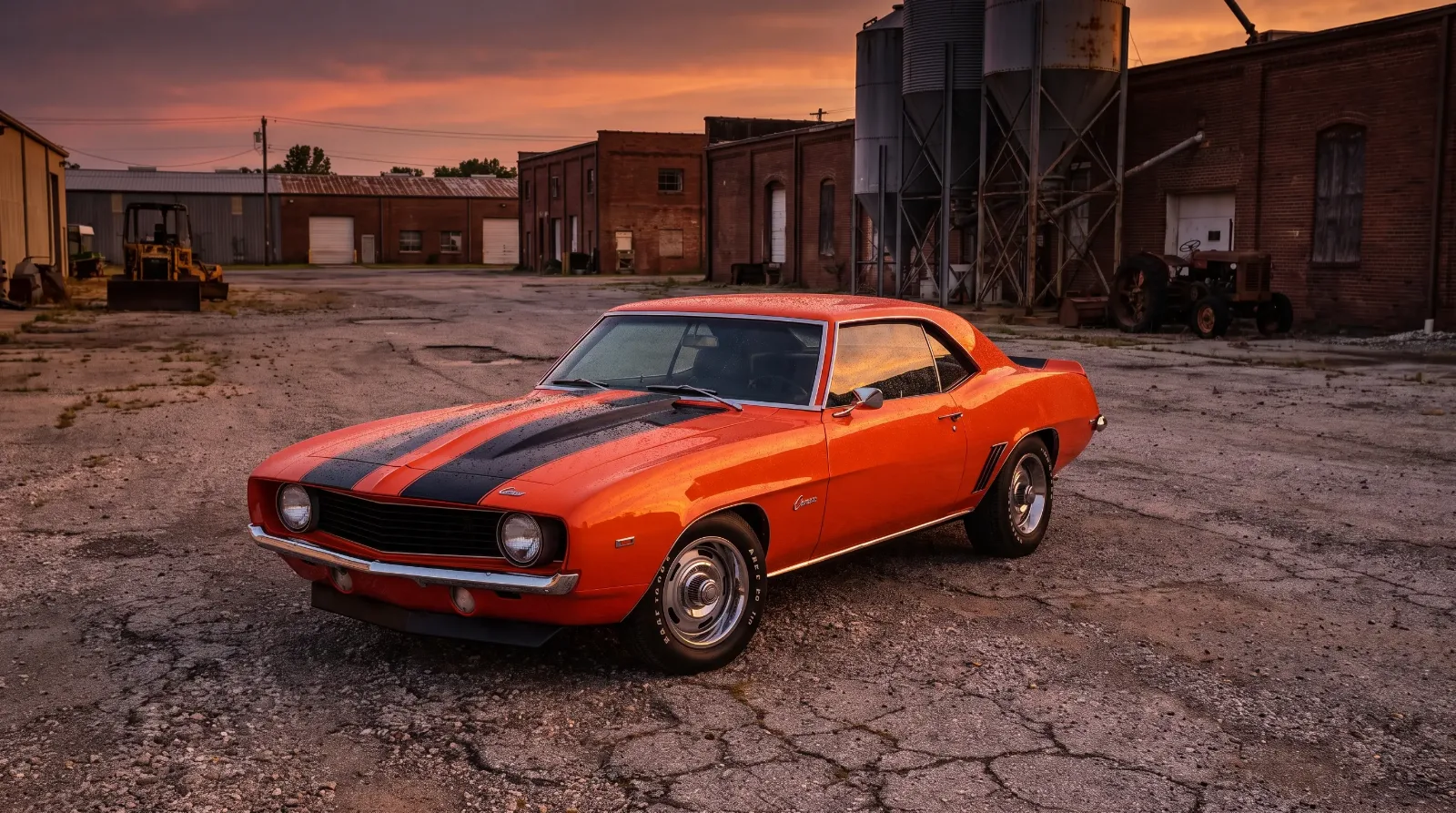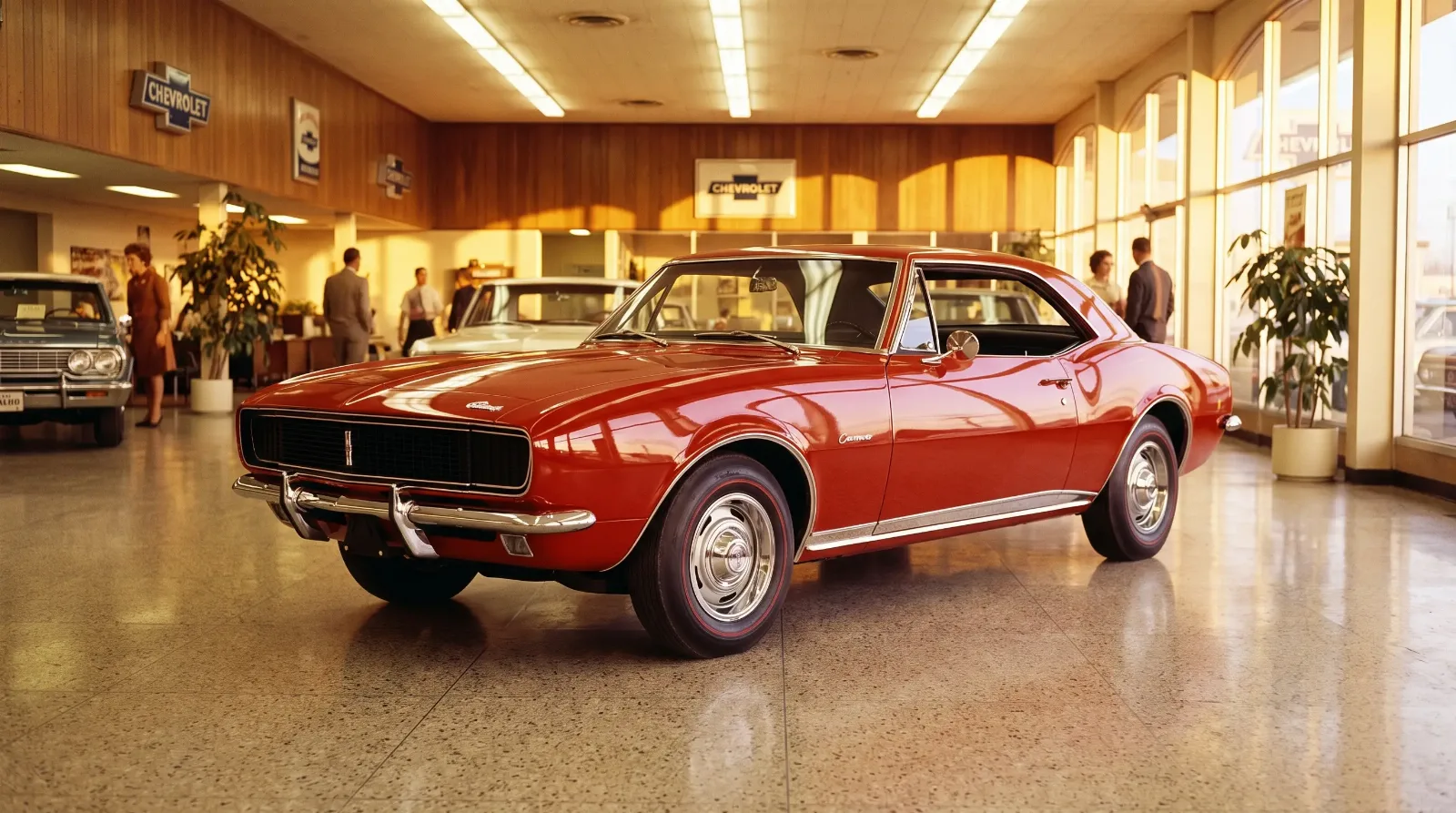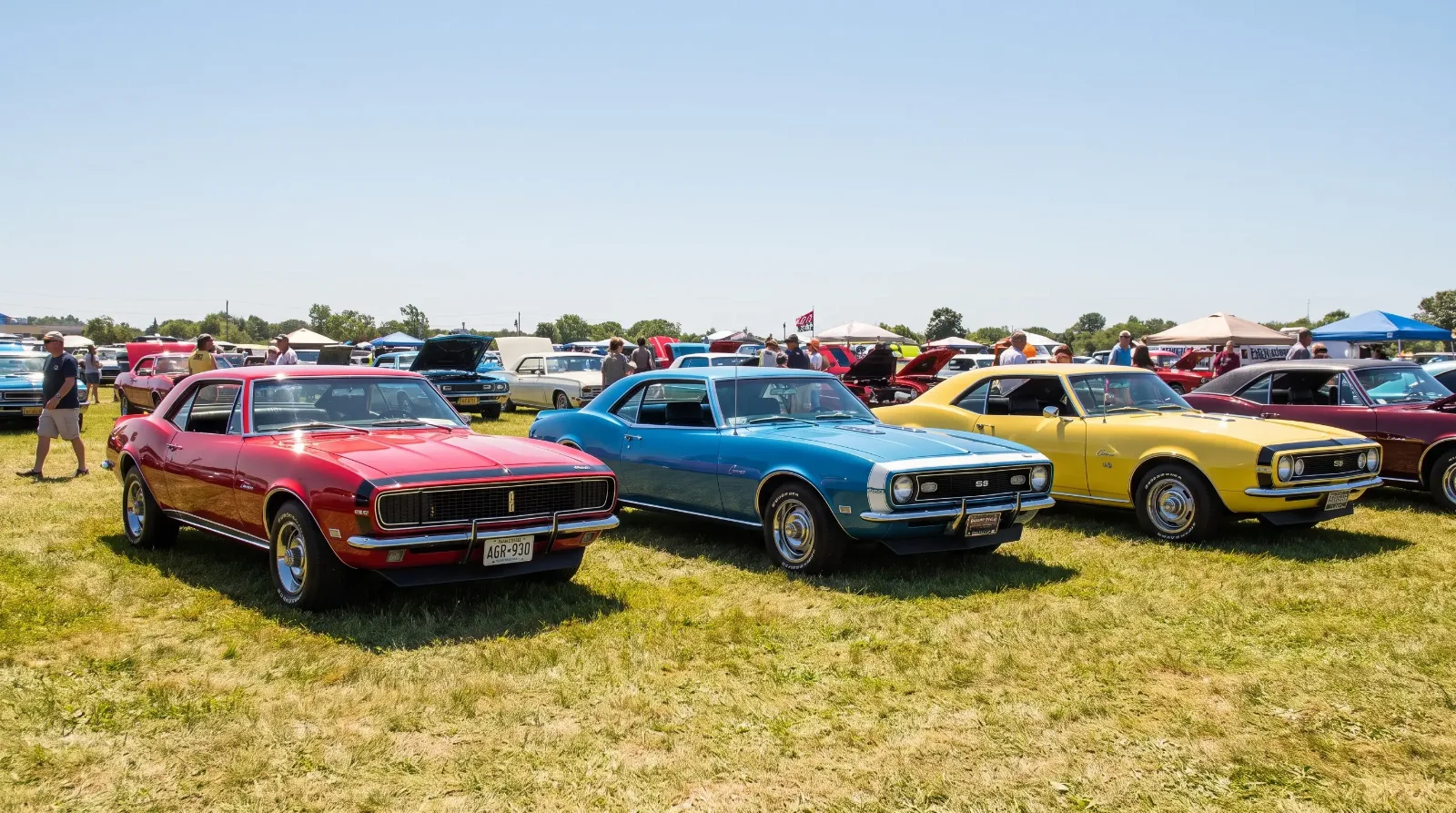
There is a photograph that gets passed around at Camaro shows. A dealer lot somewhere in the Midwest, autumn of 1966, a row of brand-new 1967 Camaros sitting under fluorescent lights. Nobody in that picture knew they were looking at one of the most consequential American cars of the twentieth century. They just knew Ford had a two-year head start with the Mustang, and Chevrolet had finally shown up to the fight.
The first generation Camaro ran for three model years: 1967, 1968, and 1969. Short by any measure. But those three years produced enough variation, enough special editions, and enough genuine performance to keep collectors arguing about which year is best for the next half-century. If you want to understand what the excitement is actually about, you need to walk through them one at a time.
Why the Camaro existed
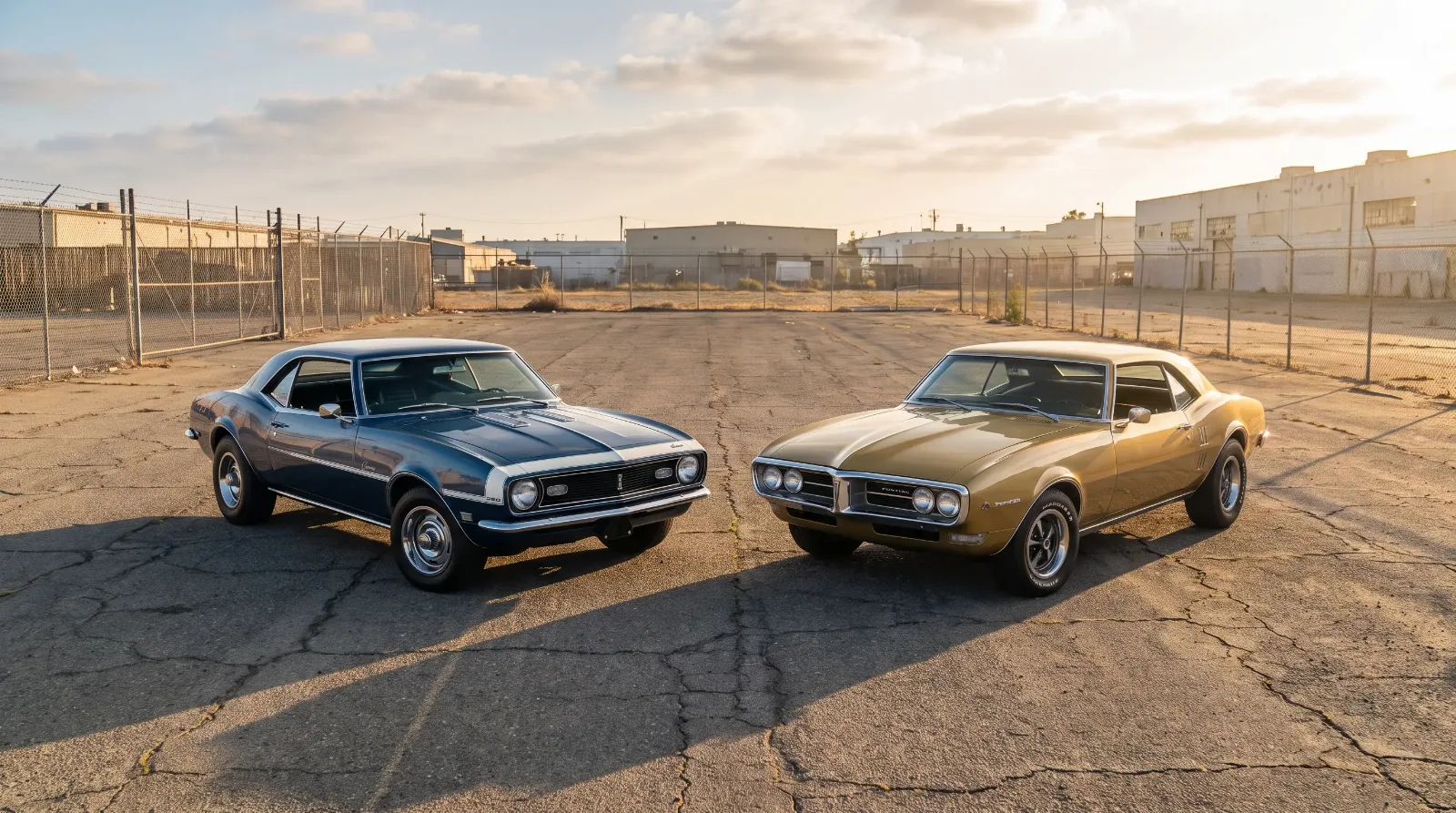
Ford launched the Mustang in April 1964 and sold 418,000 units in its first year. General Motors watched that happen and spent roughly two years building a response. The Camaro arrived in September 1966 as a 1967 model. It shared its F-body platform with the Pontiac Firebird, which debuted the same season, but everything visible was Chevrolet's own work.
The development team inside GM called the project Panther, an internal name that leaked just enough to generate rumor before the official Camaro name was announced. The word "Camaro" had no documented meaning in English; a GM spokesperson said it meant "friend" or "comrade" in French, which linguists found dubious then and still do. None of that mattered on the showroom floor. What mattered was that the car was a direct shot at the Mustang's buyer: young, aspirational, not necessarily wealthy, but willing to stretch for something that looked like a sports car even if the base model drove like a practical economy car.
The base engine in a 1967 Camaro was a 230 cubic-inch inline-six making 140 hp. That car was priced to compete with the base Mustang coupe and was never the point. The point was what you could order from the option sheet, and the option sheet on the first-generation Camaro was extraordinary.
The 1967 model: vent windows and a clean start
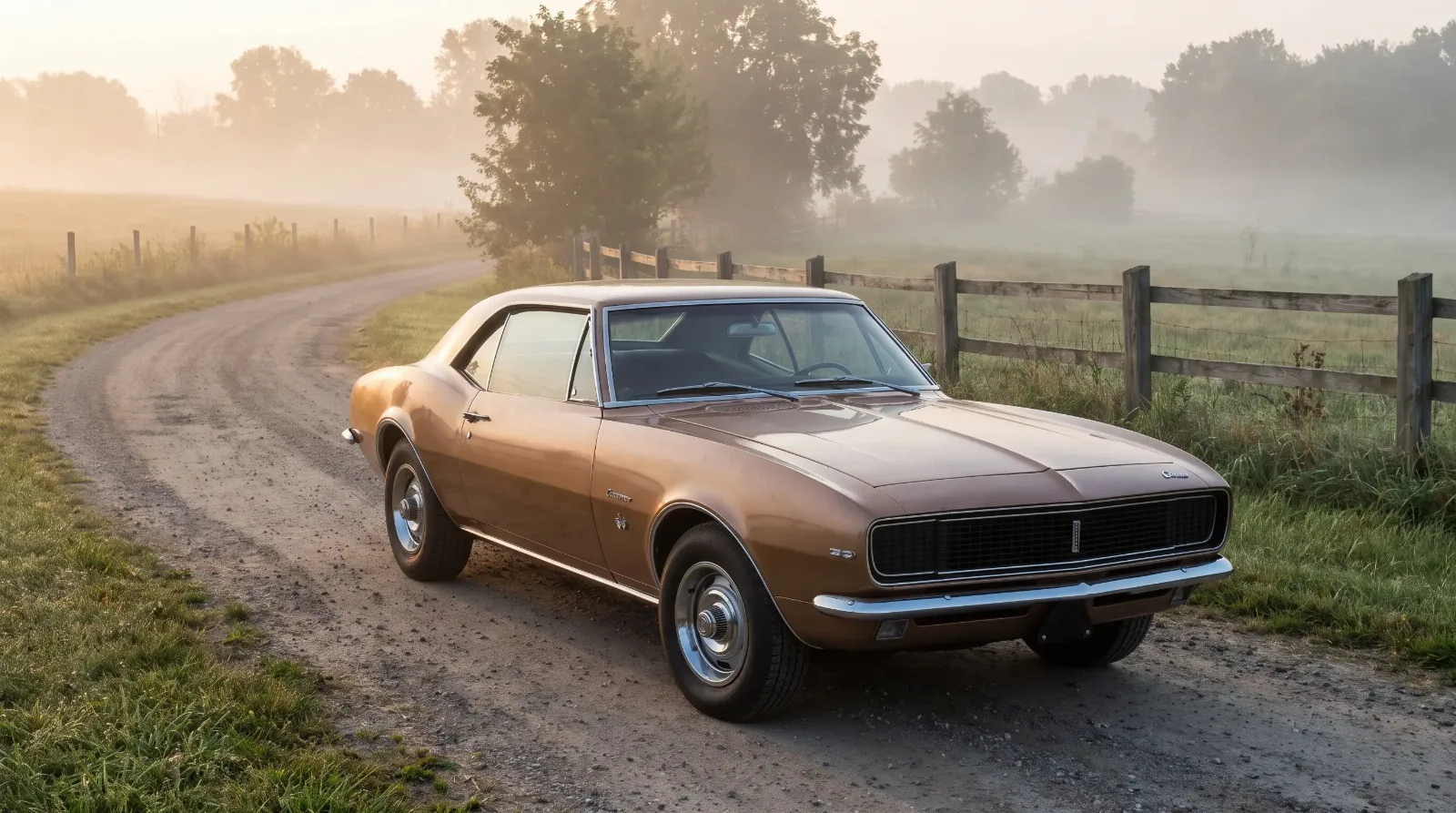
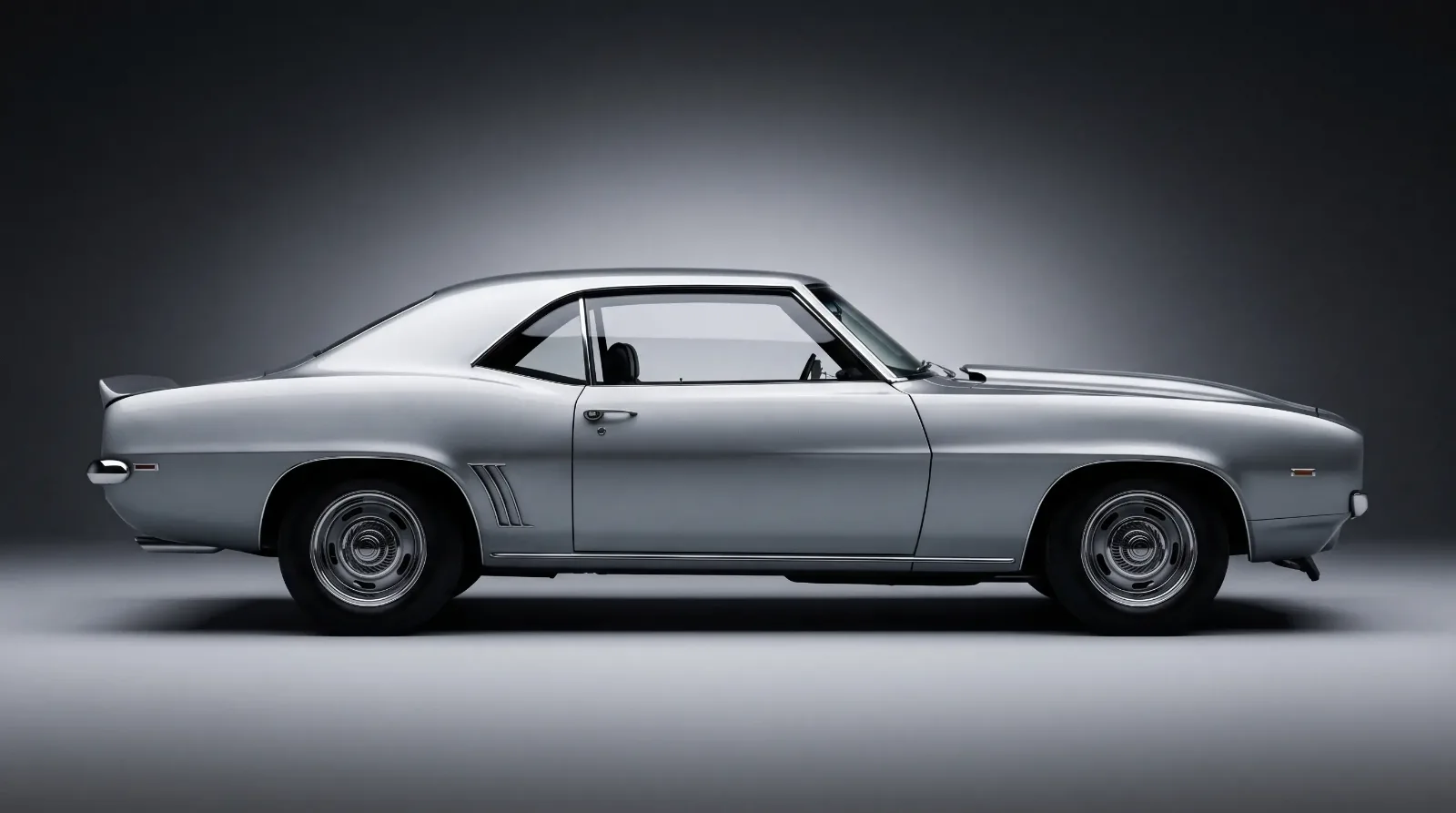
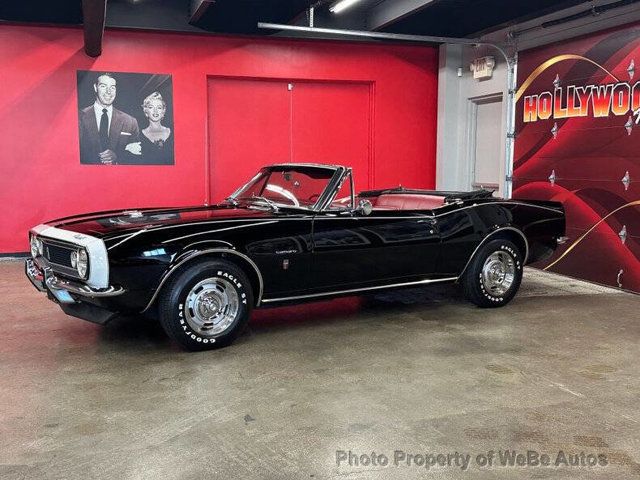
The 1967 Camaro has a design detail that every enthusiast knows and every casual observer misses: vent windows. Those small triangular panes ahead of the main door glass, angled to direct air into the cabin, were standard on 1967 coupes. They were gone by 1968. For people who grew up with pre-air-conditioning cars, vent windows are a functional touch from a different era. For purists, they make the 1967 coupe look slightly more formal, slightly more of its moment.
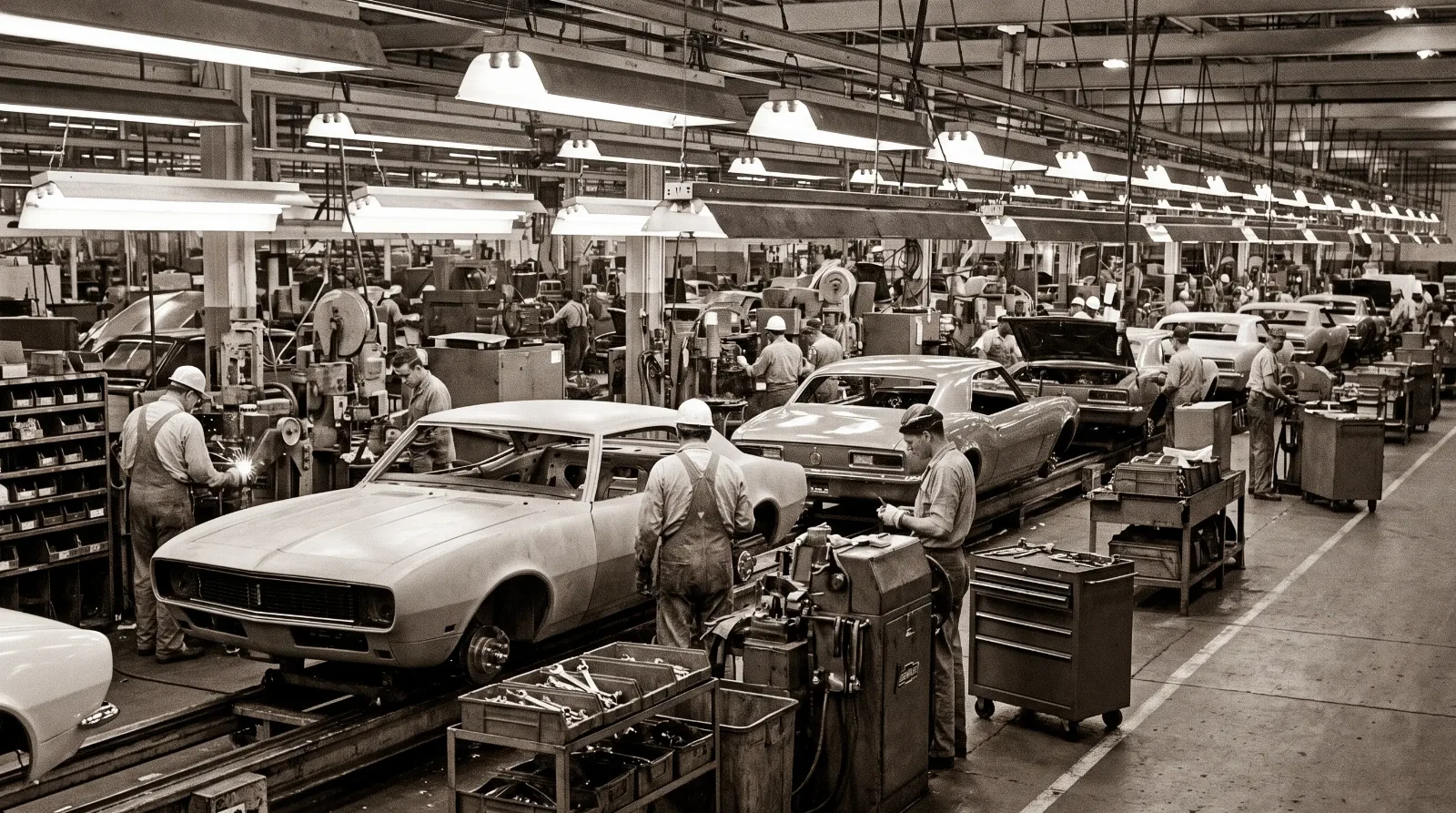
The body itself was clean in the way that late-1960s GM design was often clean: long hood, short rear deck, a shape that suggested speed without overclaiming. Fisher Body built the unit-body structure, which was new territory for Chevrolet at that price point. Early examples had minor fit and finish issues that second-year cars corrected, but nothing that undermined the basic structure.
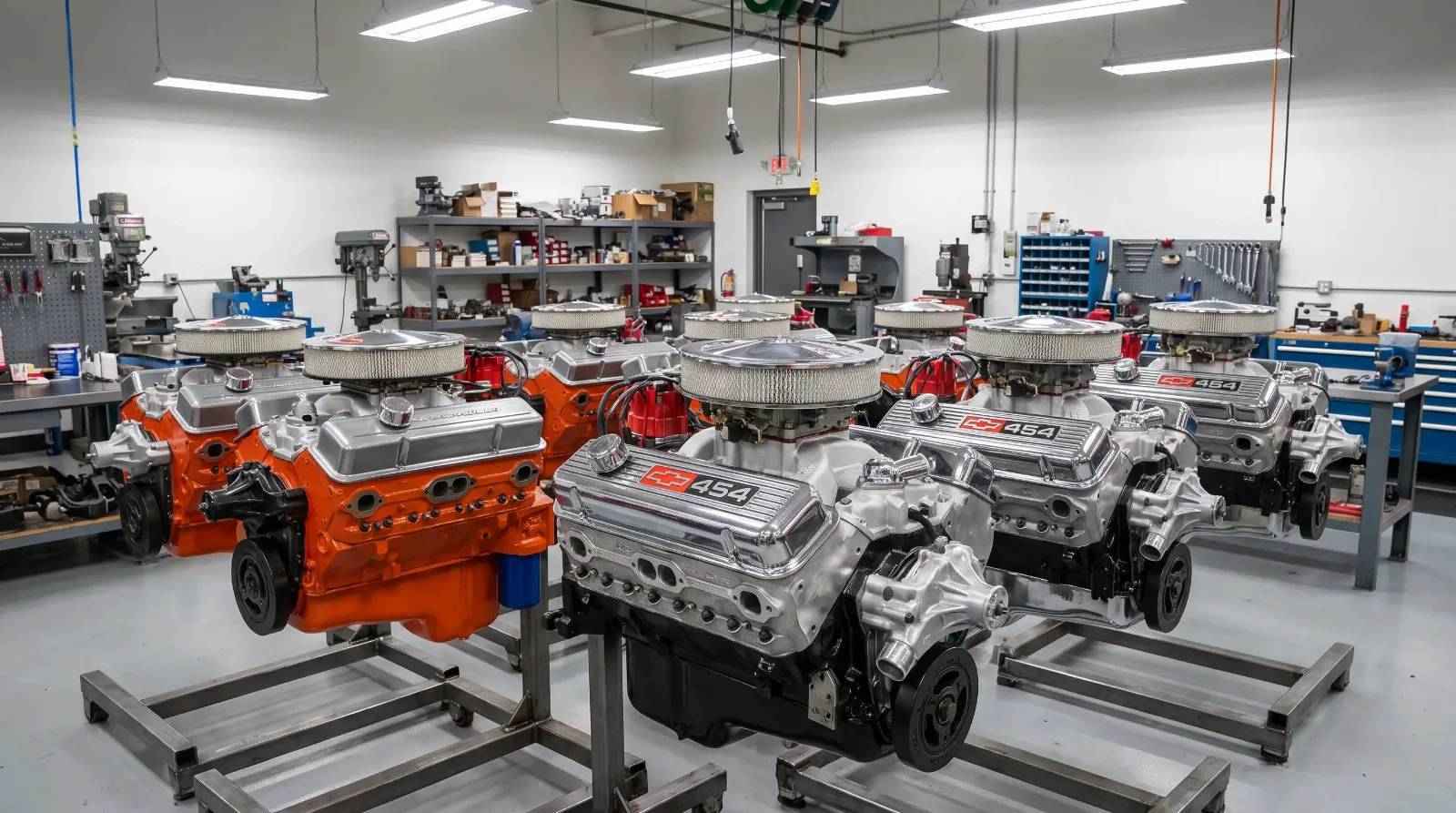
Engine availability in 1967 covered the full range. The inline-six was the starting point. Above that, buyers could choose from a 327 V8 in two states of tune, a 350 V8, or the 396 big-block in multiple configurations. The top performance option was the L78 396 making 375 hp, which in a car that weighed around 3,200 pounds was serious business by any standard.
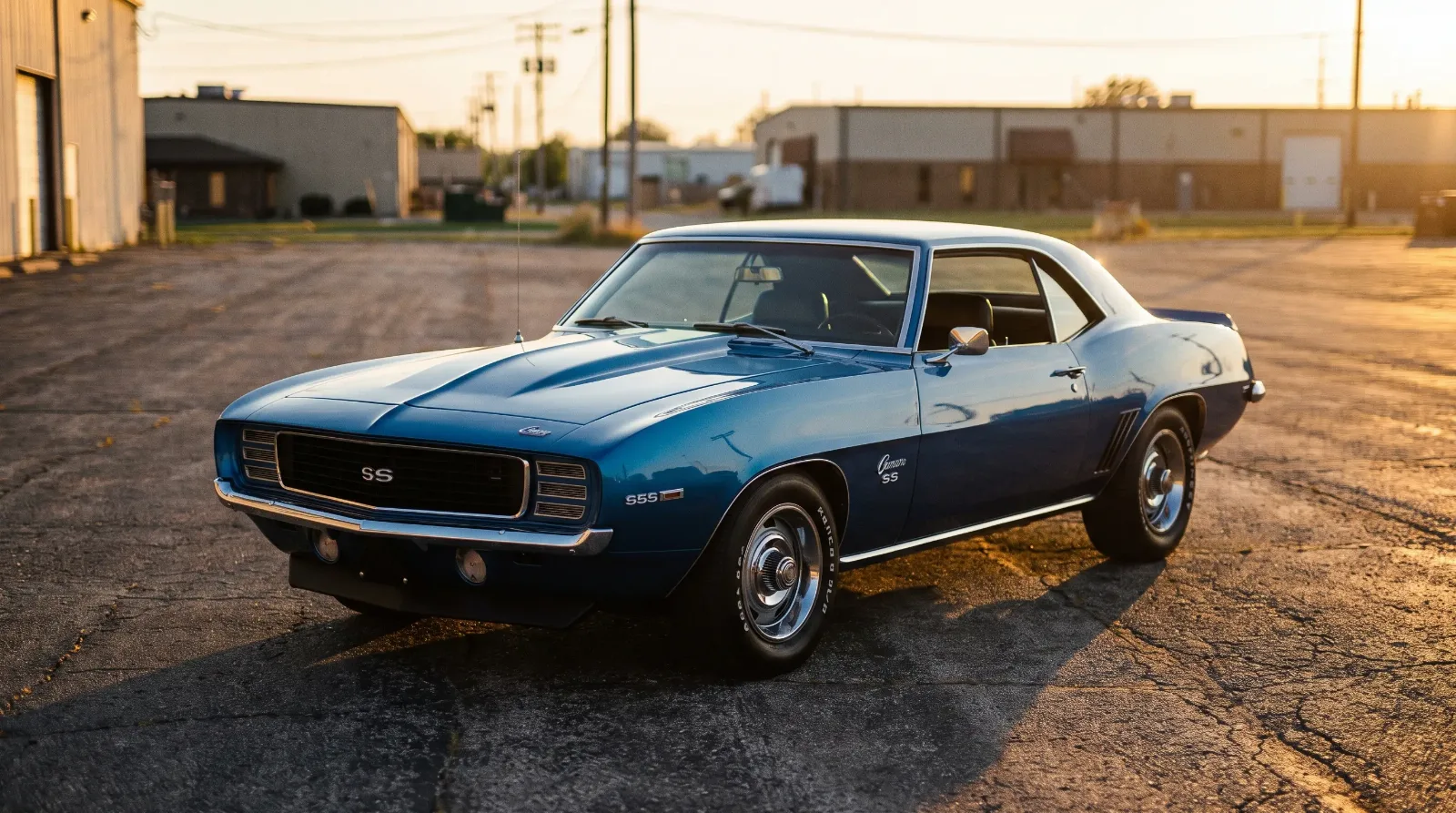
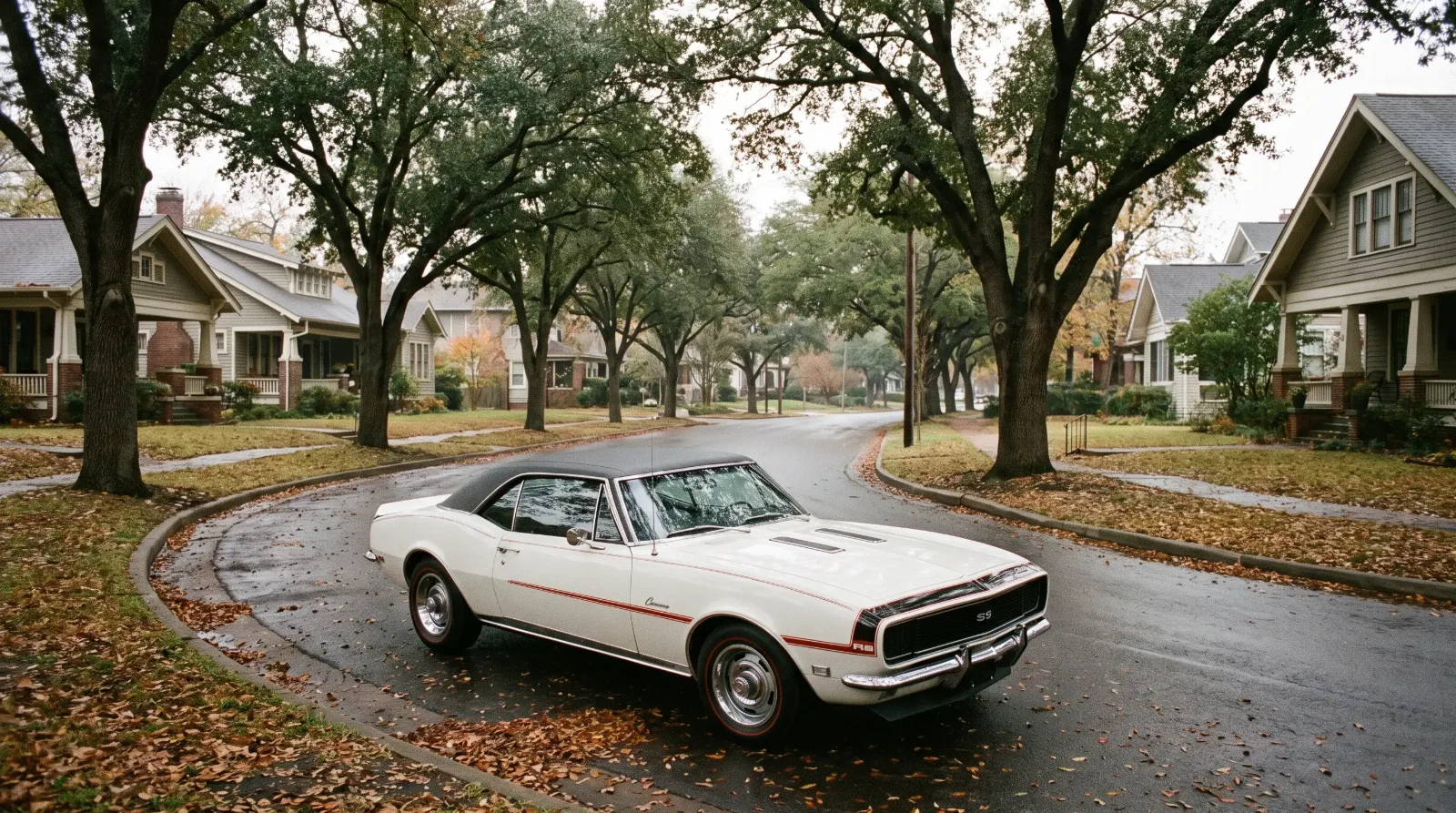
The RS and SS packages appeared from the start. Understanding what they were matters because buyers sometimes conflate them. The RS, or Rally Sport, was an appearance package: hidden headlights behind doors that swung open on startup, backup lights relocated below the rear bumper, specific badging. It changed nothing mechanical and could be ordered on any engine. The SS, or Super Sport, was a performance-oriented package that required at least the 350 V8 and included specific hood treatment, badges, and suspension tuning. Both could be ordered together, producing the RS/SS combination that is among the most recognizable configurations of the era.
| Year | Notable change | Top V8 option | Approx. production |
|---|---|---|---|
| 1967 | Launch year; vent windows; hidden headlight RS option | 396 L78, 375 hp | ~220,900 |
| 1968 | Vent windows removed; federally mandated side markers added; revised taillights | 396 L78, 375 hp | ~235,100 |
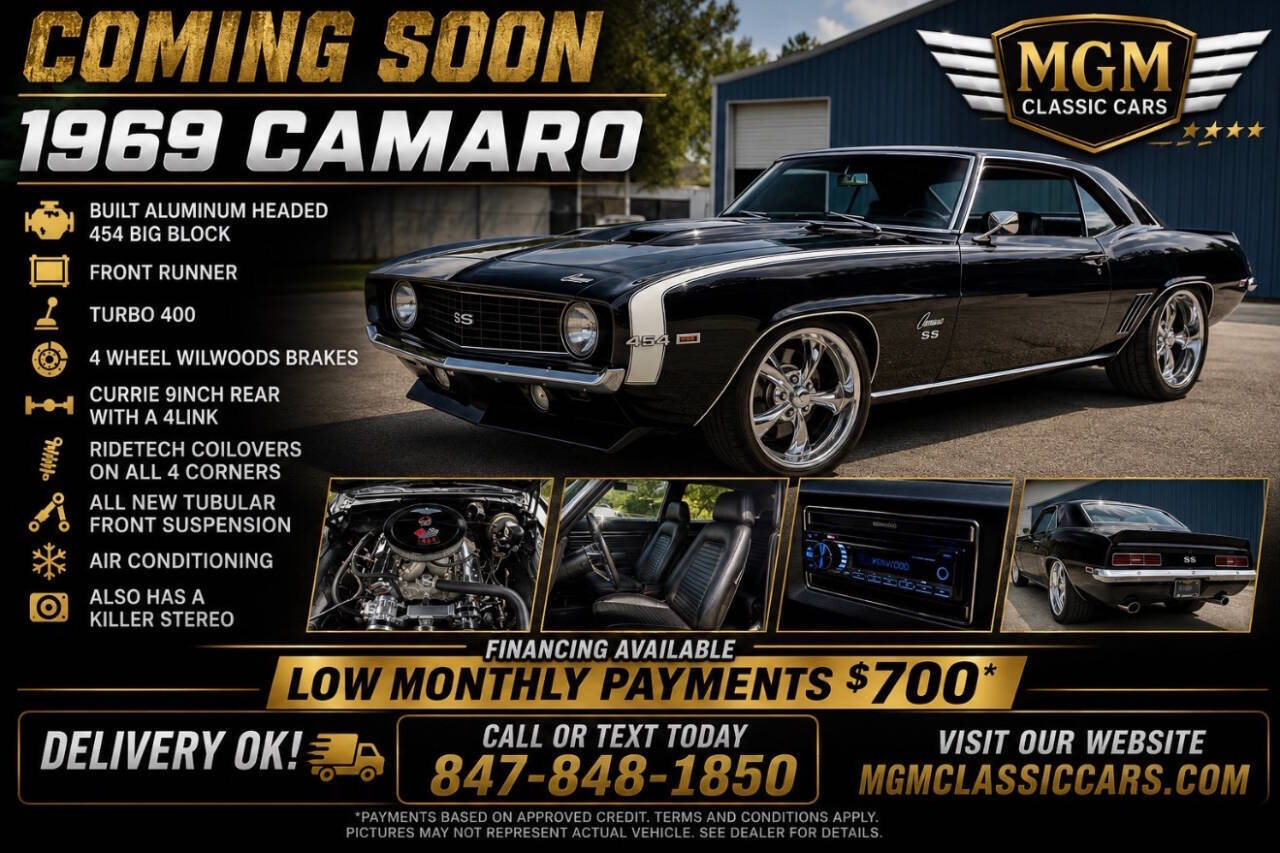
| 1969 | Full restyle; wider body, revised nose and tail; Z/28 catalog option; COPO 427 available | 427 COPO / ZL1, up to 430 hp | ~243,100 |
The 1968 model: federal mandates and a cleaner look
The 1968 Camaro lost the vent windows and gained something less romantic: federally mandated side marker lights. The National Traffic and Motor Vehicle Safety Act required reflectors or lights on the front and rear flanks of all 1968 model-year cars, and the side markers on the 1968 Camaro are small and simple, integrated into the body without obvious awkwardness. Still, the change from 1967 to 1968 is one of the ways to date these cars at a glance.
The taillights were revised slightly. The rear panel treatment changed enough that 1967 and 1968 tails are not interchangeable. Inside, the instrument panel received minor updates. None of these were dramatic changes. The 1968 was a refinement year, not a rethink, and the car benefited from the attention. Build quality tightened, and Chevrolet sold more of them than in the launch year.
Engine options remained largely consistent with 1967, though the small-block lineup saw some revision. The 327 was phased out in favor of the 307 at the base end and the 350 higher up. The 396 continued at the top of the range. If you are reading about the full history of this model line, the complete Camaro history covers the broader arc from this generation through the fifth, with the competitive context that shaped each era.
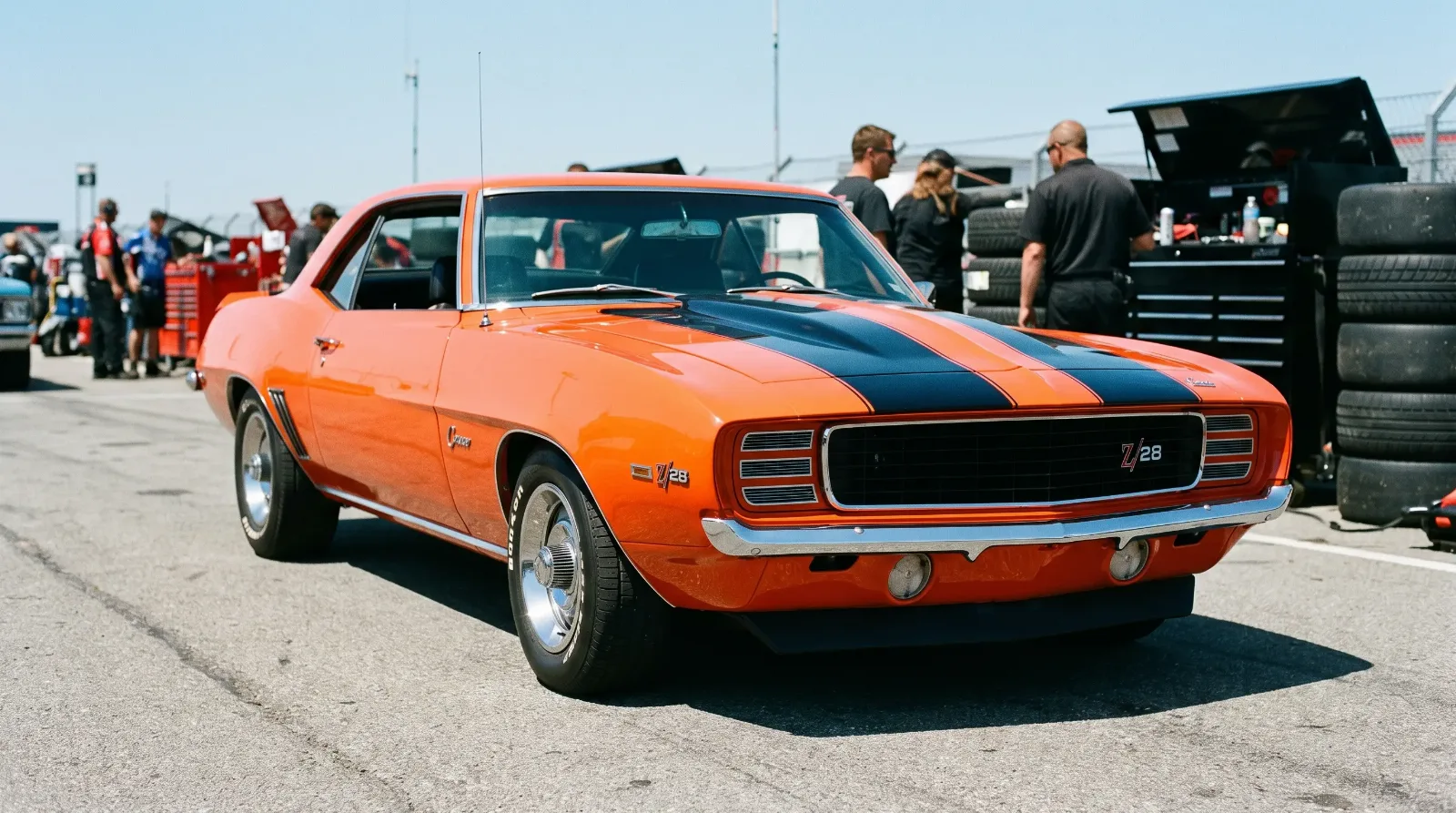
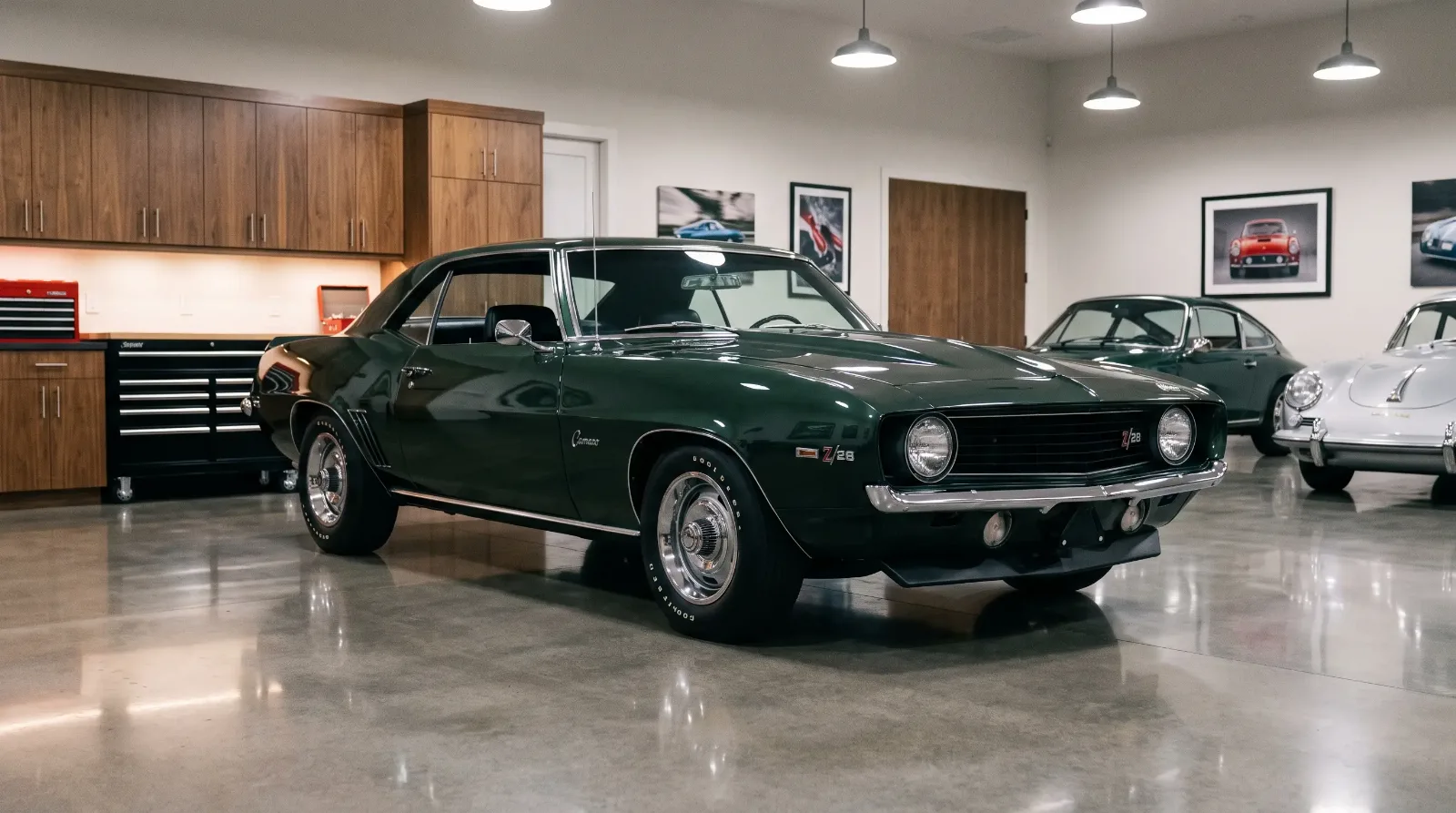
One engine that deserves separate mention: the Z/28. This was a Trans-Am racing homologation package that Chevrolet offered quietly in 1967 and brought into broader availability by 1968. The Z/28 used a 302 cubic-inch V8 built from a 327 block and a 283 crankshaft to come in under the 305 cubic-inch Trans-Am class limit. Factory power was listed at 290 hp, which was generally understood to be a conservative figure. The Z/28 was not a comfortable car. It came with a heavy-duty suspension, close-ratio four-speed gearbox, and an engine that needed high revs to make its power. It was built for one purpose, and it worked at that purpose very well.
"The Z/28 is the car that tells you what the first-generation Camaro was actually capable of when the engineers were aiming at something specific instead of trying to please everyone at once."
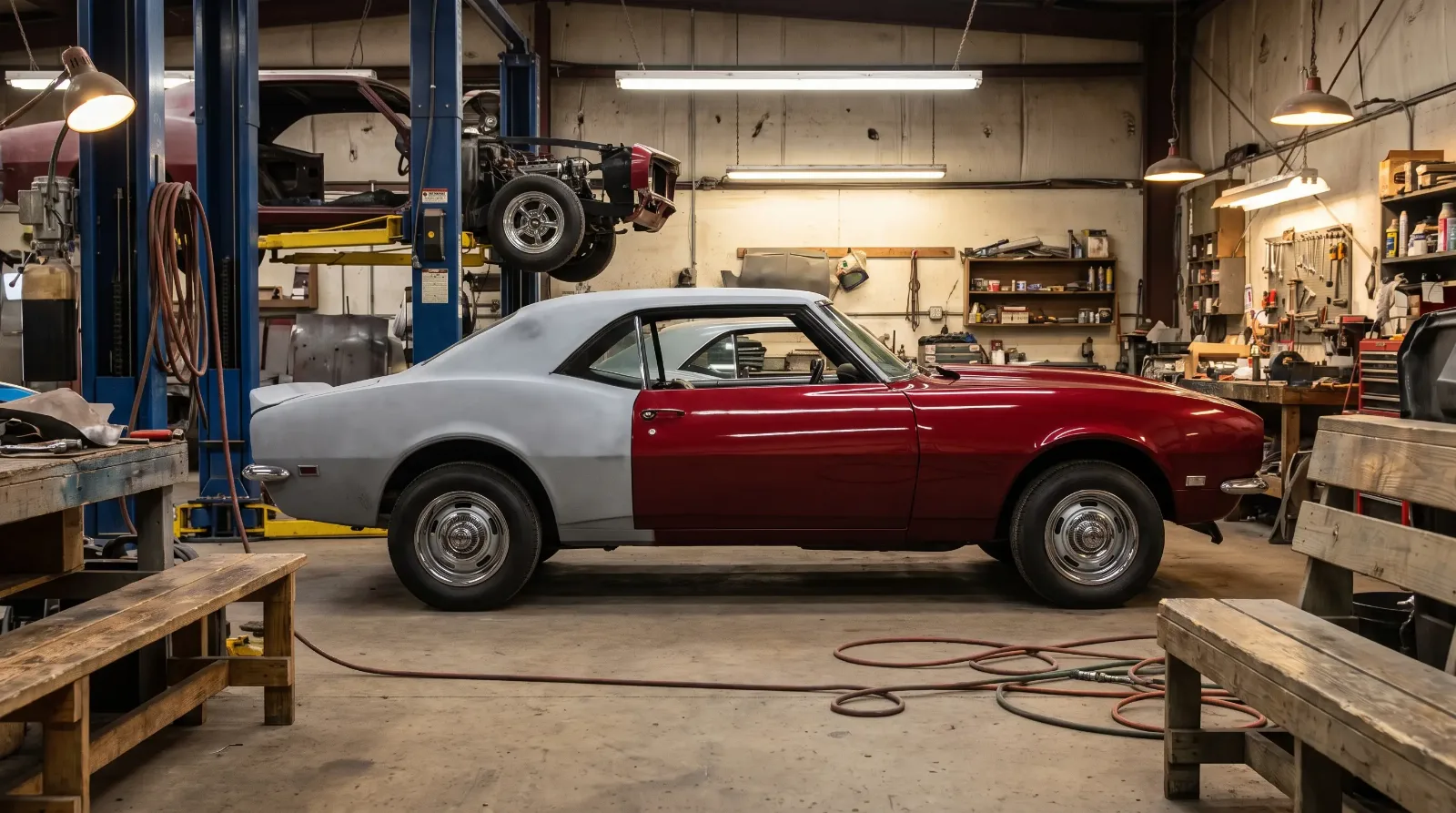
Buying one of these early cars is the easy part. Bringing a tired one back is its own job, walked through in restoring a classic Camaro.
— Patrick Walsh
The 1969 model: the restyle that defined the generation
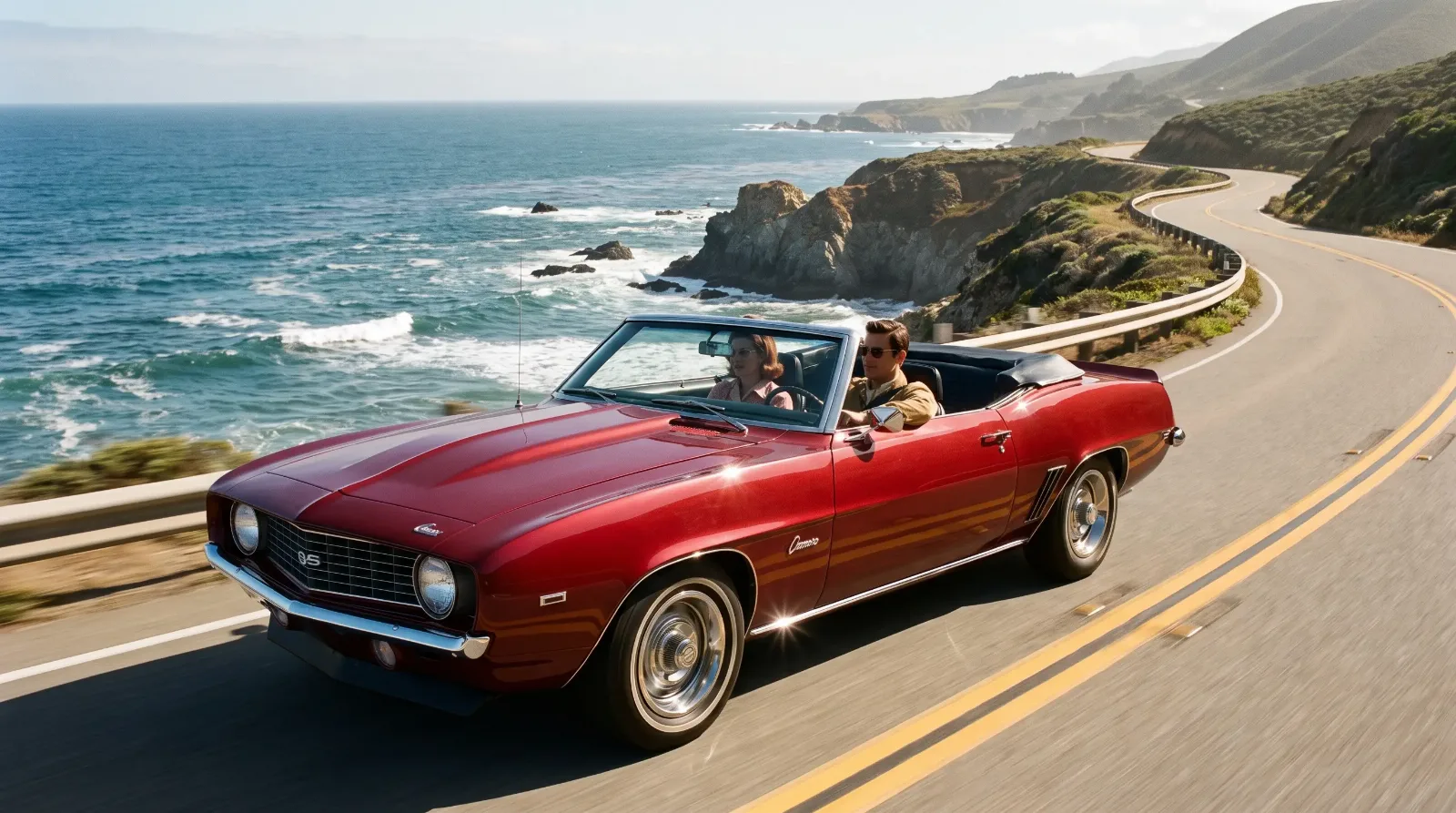
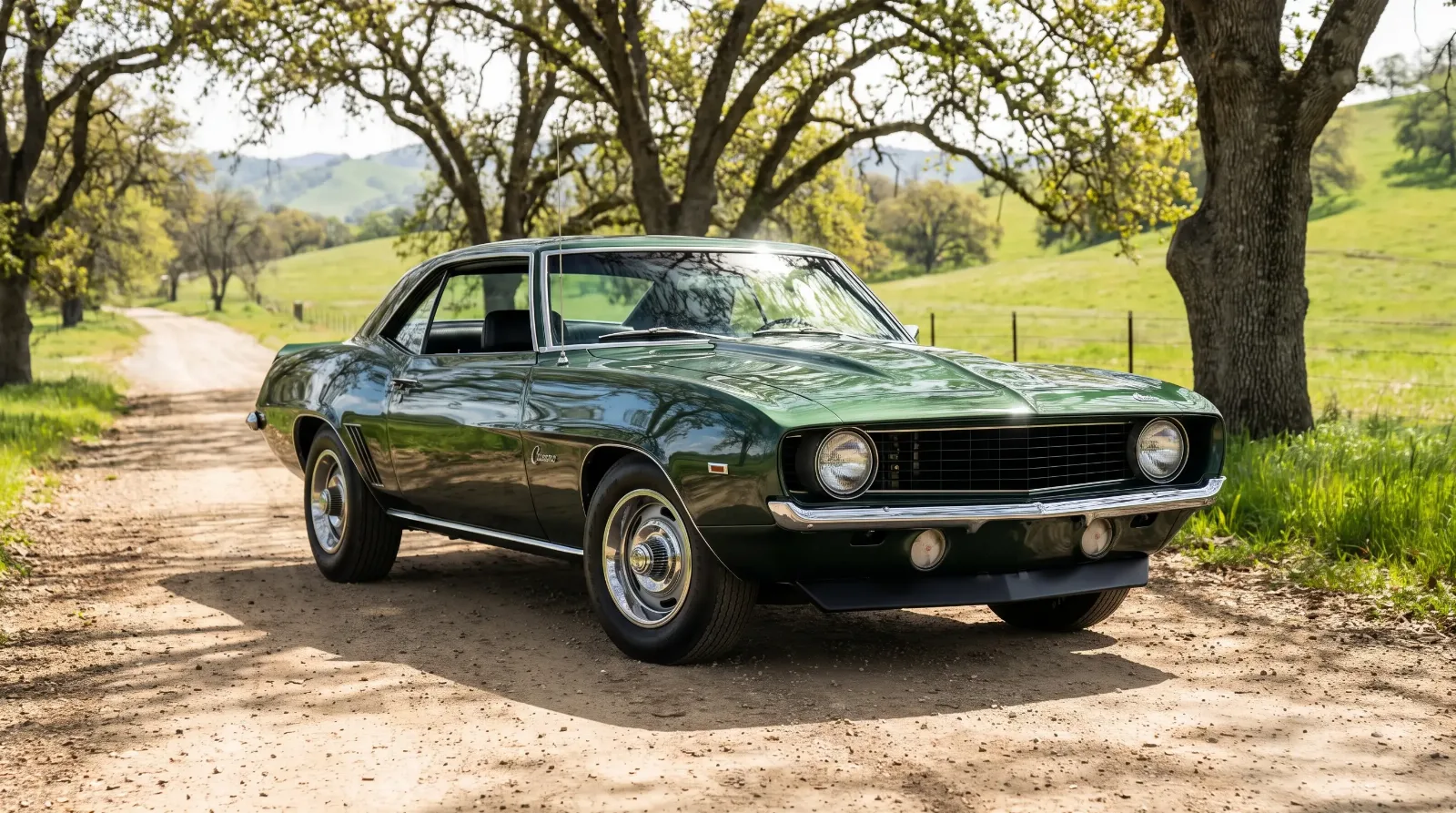
The 1969 Camaro is a different shape from the 1967 and 1968. Not a different car in any structural sense, since the F-body platform continued, but a notably different piece of design. The body became wider and lower in appearance without actually changing dimensions dramatically. The nose was reshaped with a wider grille opening and a more aggressive front fascia. The rear panel was redesigned, the taillights changed completely, and the overall stance read as more planted than the earlier cars.
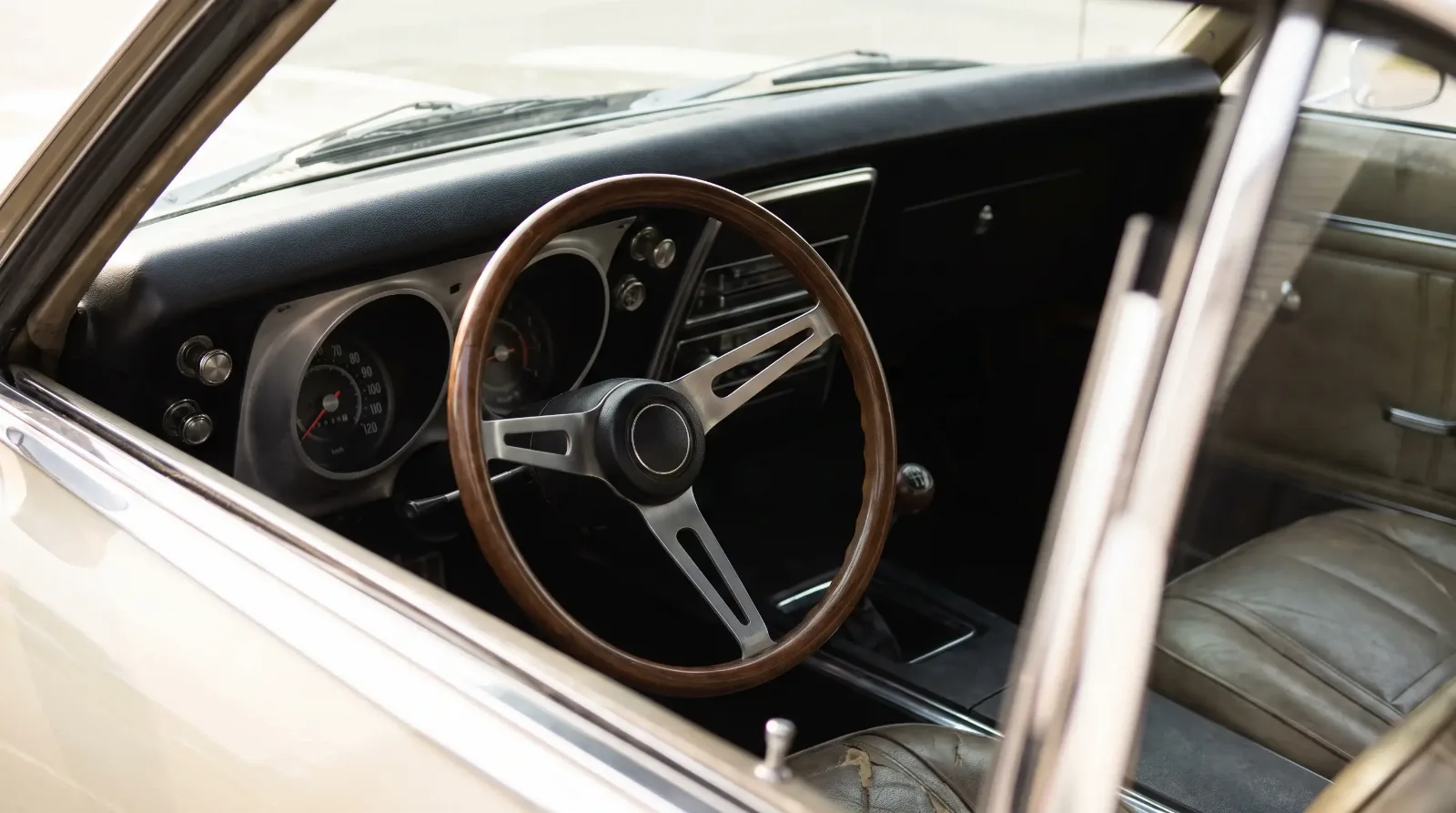
Many collectors regard the 1969 as the best-looking car of the generation, and it is not hard to understand why. The proportions tightened. The design deleted some of the ornamentation that was common on late-1960s American cars and let the bodywork carry the weight. The 1969 also got a revised interior with a new instrument cluster and door panel treatment.
Performance options expanded significantly for 1969. The Z/28 became a proper catalog option rather than a dealer-ordered package. The COPO, or Central Office Production Order, program allowed fleet buyers and dealers to order cars with drivetrains not listed in the standard catalog, including the 427 cubic-inch big-block in configurations that Chevrolet could not officially offer given corporate displacement limits on intermediate and pony cars. The ZL1, an all-aluminum 427 that weighed roughly 100 pounds less than the iron-block version, was available through this channel at a price that was genuinely shocking for 1969. Production was tiny: around 69 ZL1 Camaros were built, making them among the rarest production performance cars of the era.
RS and SS: what you are actually getting
The RS and SS packages generate more buyer confusion than almost anything else about this generation. Part of the confusion is that the RS looks like the more desirable car, because those hidden headlights are dramatic. Part of it is that the SS designation is sometimes treated as if it guarantees a specific engine.
To be clear: RS is cosmetic. A 1967 RS with a 230 inline-six is just as legitimate an RS as one with a 396. The hidden headlights, the blacked-out grille, the specific badging are all appearance items. They are fragile items, too. The headlight door mechanism is an electrical and vacuum system that requires maintenance to function reliably. Original-operating RS headlight doors on an unrestored car are worth verifying before purchase.
The SS required a V8 engine and included suspension and brake upgrades along with the visual treatment. The specific package varied somewhat by year, but the core distinction held: SS meant something happened under the hood, RS meant something happened to the styling. An RS/SS combined both, and those are the cars that appear most frequently in photographs from the period because they looked the most complete.
If you are in the market, browsing first-generation Camaros for sale will show you the full range of what survives, from genuine SS cars with documented engines to RS-optioned coupes that started life with modest powerplants and have had various things done to them since.
The cultural moment these cars arrived in
The first-generation Camaro appeared in a specific window of American culture that made exactly this kind of car possible. The Mustang had proven there was a mass market for affordable coupes that looked sporty and could be ordered with genuine performance. The muscle car era was at full speed. Young buyers had money, car culture had a vocabulary, and the American automotive industry was spending freely on performance because performance sold.
The Camaro appeared in film and television almost immediately. It became the car of a certain kind of American character: not wealthy, not establishment, fast and perhaps a little rough around the edges. That image stuck in ways that continued to drive the market for original examples decades after production ended.
What the first-generation Camaro did not have was time. The production run ended after 1969 to make way for the redesigned second-generation car. Three years is not a long time in automotive history. But the combination of strong initial design, meaningful performance options, and that very compression of the timeline created something that felt complete rather than merely discontinued. The first generation did not get watered down by too many years of cost-cutting and market research. It arrived, it performed, and it stopped.
What survives and what it means now
First-generation Camaros have been collected seriously since the mid-1970s, when prices were still low enough that genuine performance cars were accessible. The market has matured considerably since then. Documented high-performance examples, particularly Z/28s and COPO cars with provable build histories, command prices that reflect both their rarity and the depth of the collector community around them.
Driver-quality examples without major documentation are available at considerably lower prices, and for buyers who want to own and use a first-generation car rather than show it, that tier is often the honest answer. The F-body structure is well understood by specialists. Parts availability is reasonable for most components. The cars drive well within the context of what a late-1960s American pony car is: firm, direct, loud when you ask them to be.
The ones that hold value and meaning are the ones with documented histories. That was true twenty years ago and it is more true now. Paperwork does not replace good metal, but good metal without paperwork is harder to sell at the number the seller has in mind. The trim tag, the broadcast sheet if one survives, the title history: all of it matters more than it used to.
The first-generation Camaro arrived as a competitor and became a reference point. That is not always how it goes with cars that start as market responses. Most do not age that way. These did, and the collector community around them reflects it.
Sources and notes
Production figures, engine specifications, codes, and dates in this article are cross-referenced from established Camaro references, period documentation, and owner registries. Where sources differ, the most commonly cited value is used. Cost figures are indicative and vary by supplier, region, and condition.
- Chevrolet Camaro (first generation) - Wikipedia
- CRG Research Report - The First-Generation Camaro Z28 (Camaro Research Group)
- CRG Research Report - COPO 427 Camaros (Camaro Research Group)
- 1967-2002 Camaro Production Numbers: First-Gen to Fourth-Gen (Classic Industries)
- 67-69 Camaro Production Numbers (Nook & Tranny reference)