Ford caught General Motors sleeping
On April 17, 1964, Ford unveiled the Mustang at the New York World's Fair and sold 22,000 units on the first day. By the end of that calendar year, Ford had moved more than 263,000 Mustangs off dealer lots. General Motors executives had dismissed the pony car concept internally, betting that American buyers would keep gravitating toward full-size cars and traditional muscle. They were spectacularly wrong.
The lesson landed hard inside the fourteenth floor of the GM Building in Detroit. Chevrolet Division general manager Semon "Bunkie" Knudsen and his product planning team faced a straightforward problem: Ford now owned an entire market segment that GM had essentially invented the demand for, and they had nothing ready to compete. What followed was one of the fastest product development programs in postwar American automotive history, a story that goes well beyond simple corporate rivalry into questions of engineering philosophy, identity politics, and how a brand fights back.
The corporate machinery behind the response
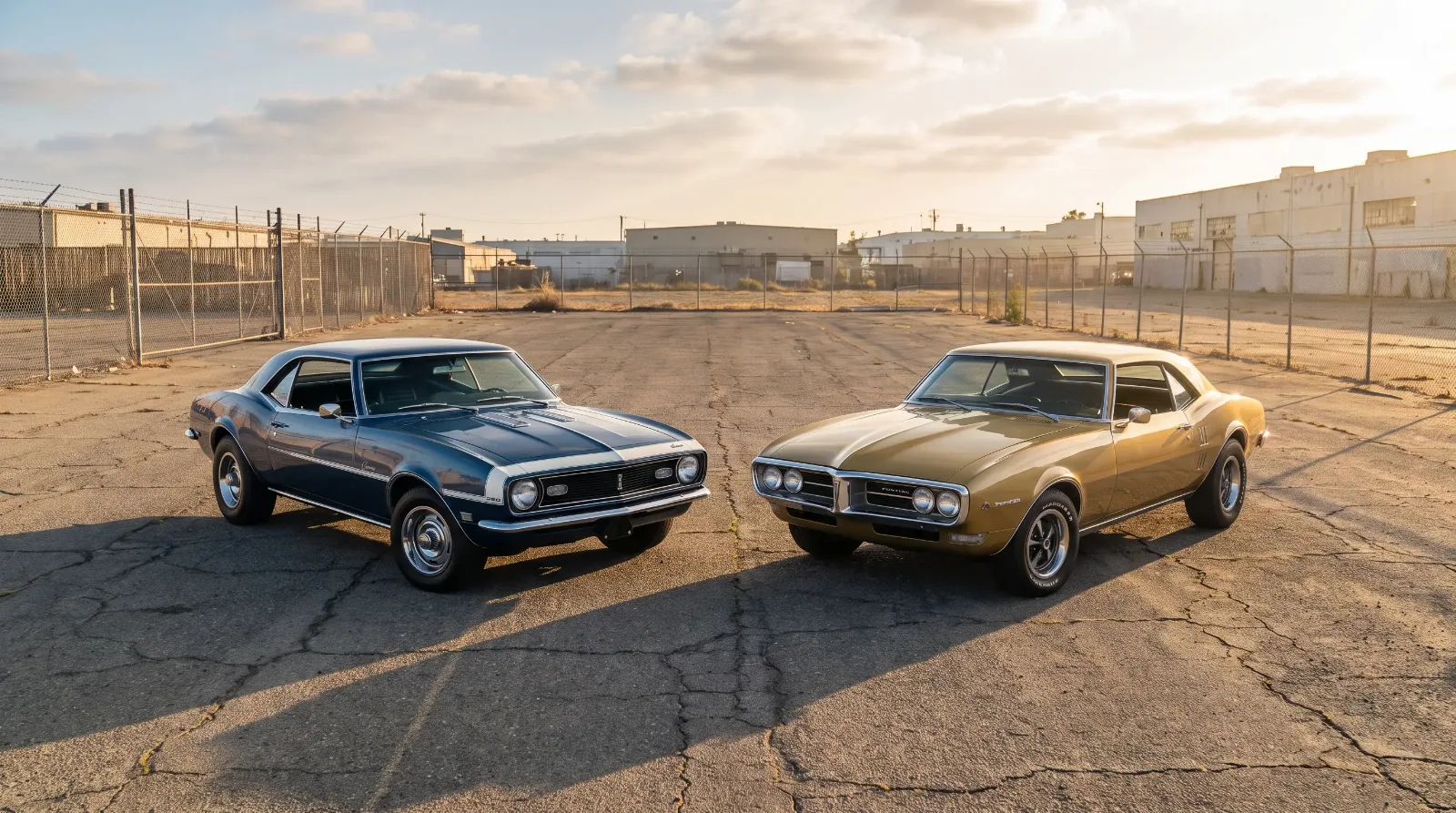
General Motors assigned the project to Chevrolet under the umbrella of the GM F-body platform, a rear-wheel-drive unibody architecture that would be shared with Pontiac for the Firebird. The engineering team was led by chief engineer Alex Mair, with body engineering under Henry Haga at GM Styling. Work began in earnest in 1964 under what GM called "Project Panther," and the target was a September 1966 introduction for the 1967 model year -- roughly a 26-month runway from green light to showroom.
That timeline was aggressive by any standard. For context, most new GM platforms of the era required 36 to 48 months. The pressure forced some creative decisions: rather than engineer an entirely new platform, GM adapted the existing Chevy II (Nova) front suspension geometry and rear leaf-spring setup for cost and speed. The result was a compact, torque-friendly rear-drive chassis that could accept a wide range of inline-six and V8 engines without major structural changes.
"GM didn't panic, exactly, but there was a real urgency in those planning meetings that you didn't see on other programs. Everyone understood the Mustang was eating lunch they had planned to eat themselves."
-- Patrick Walsh
What the Camaro was supposed to be -- and not be
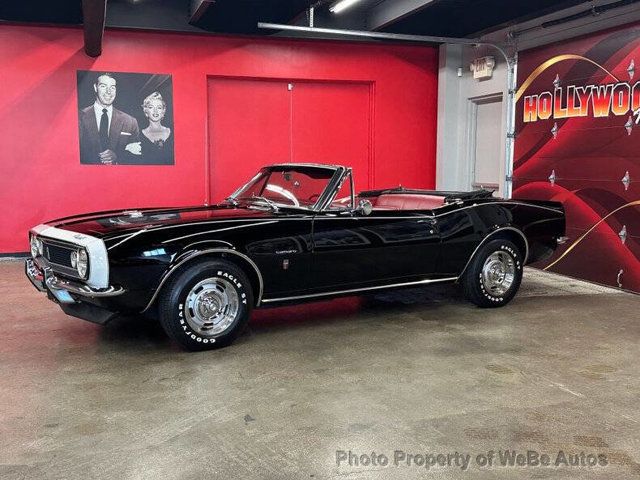
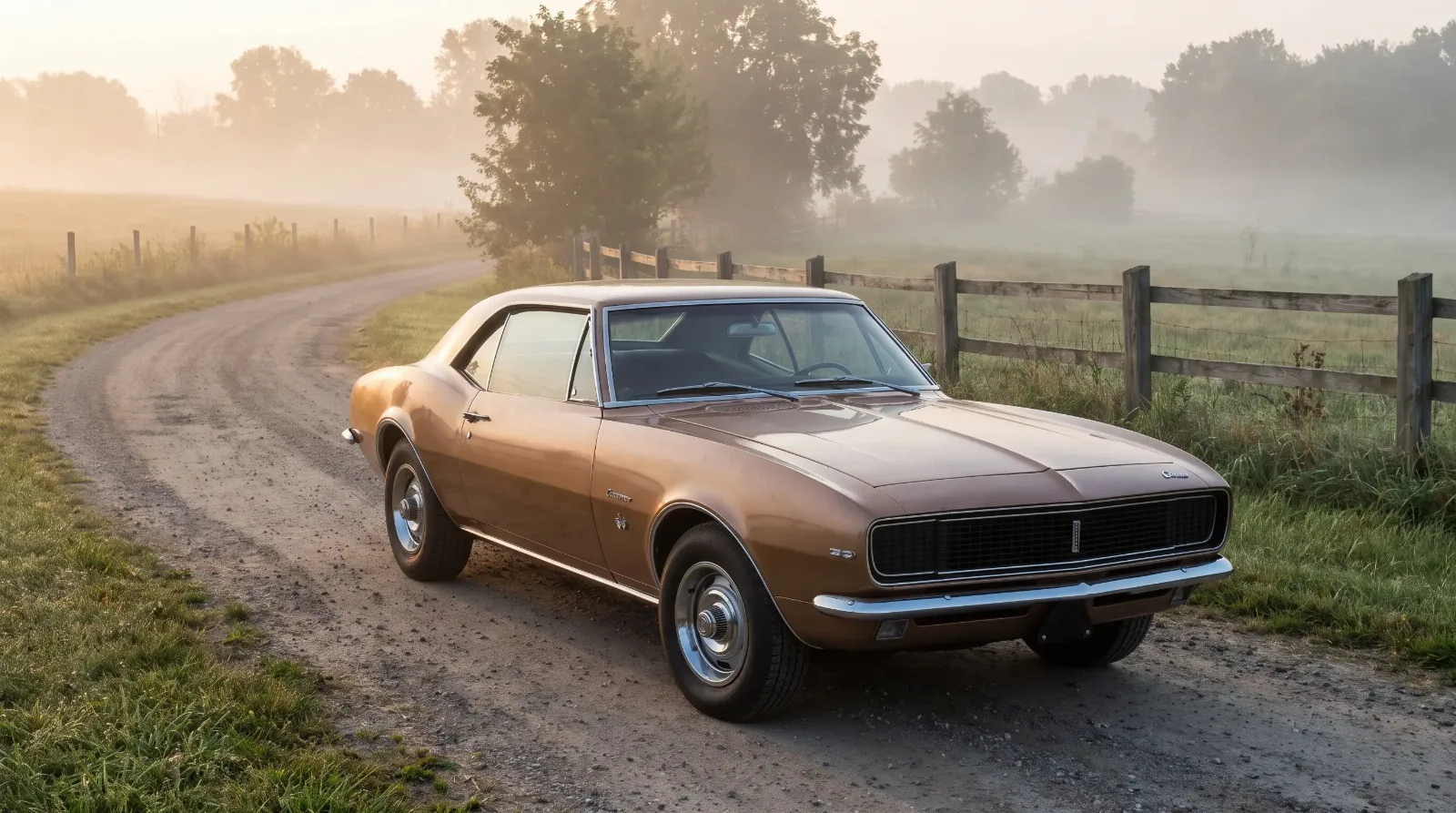
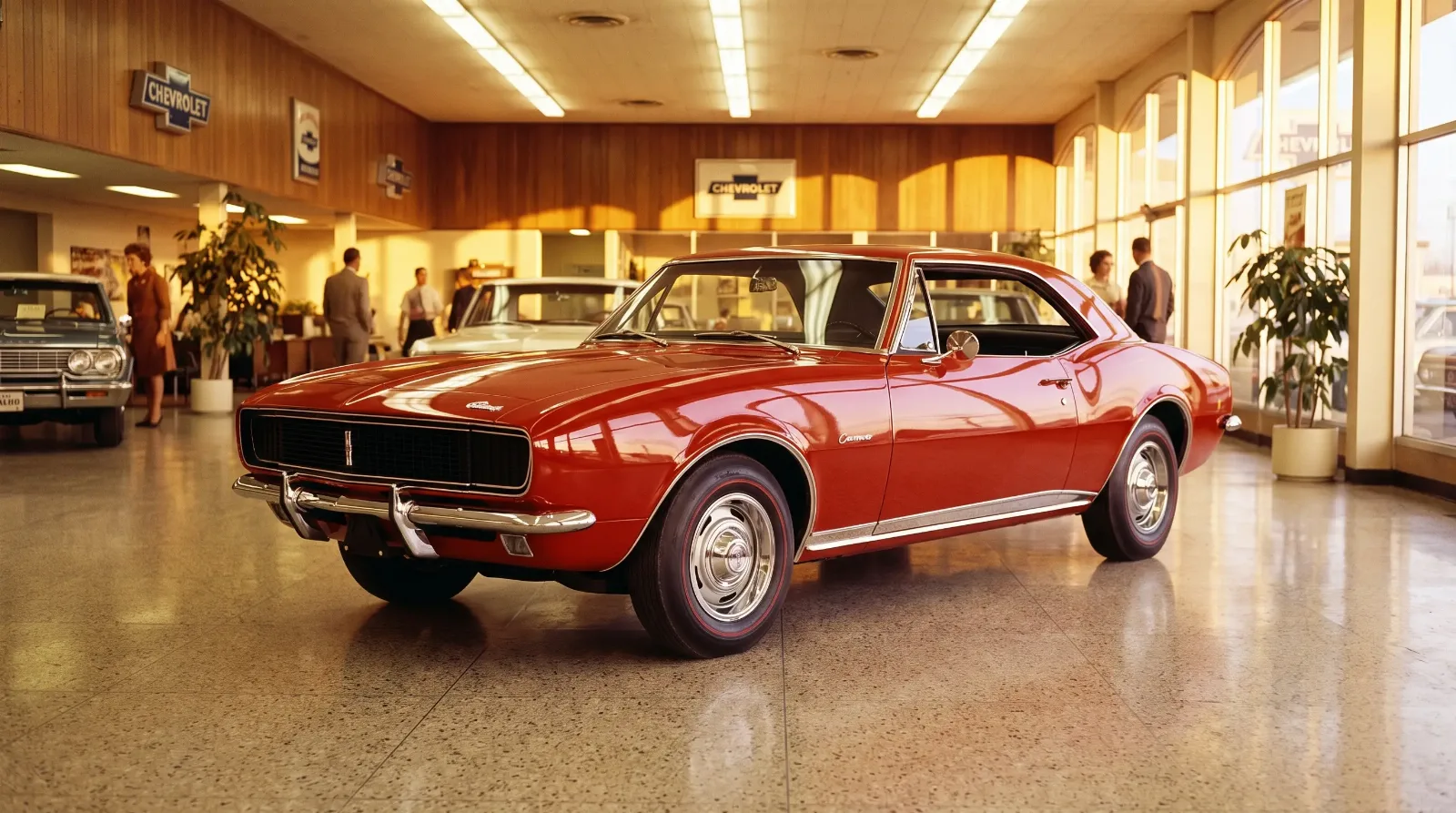
Chevrolet's strategic brief for the Camaro was precise: match or undercut the Mustang's base price, offer similar body style variety (coupe and convertible at launch), and make the car customizable enough to appeal to a broad demographic. The 1967 Camaro Sport Coupe started at $2,572 -- compared to the Mustang's base of roughly $2,461 at the time -- a gap small enough that dealers could bridge it with option packages.
Crucially, the Camaro was not designed to be a pure performance car out of the box. The base engine was a 230-cubic-inch inline-six producing 140 horsepower, aimed squarely at younger buyers who wanted the look of a sports car without the insurance cost of a V8. Performance versions, including the SS (Super Sport) and the Z/28 racing homologation model, were layered on top as options. This modular approach let Chevrolet sell one car to a very wide audience -- budget-conscious commuters and SCCA Trans-Am racers could both find their version of the Camaro in the same order book.
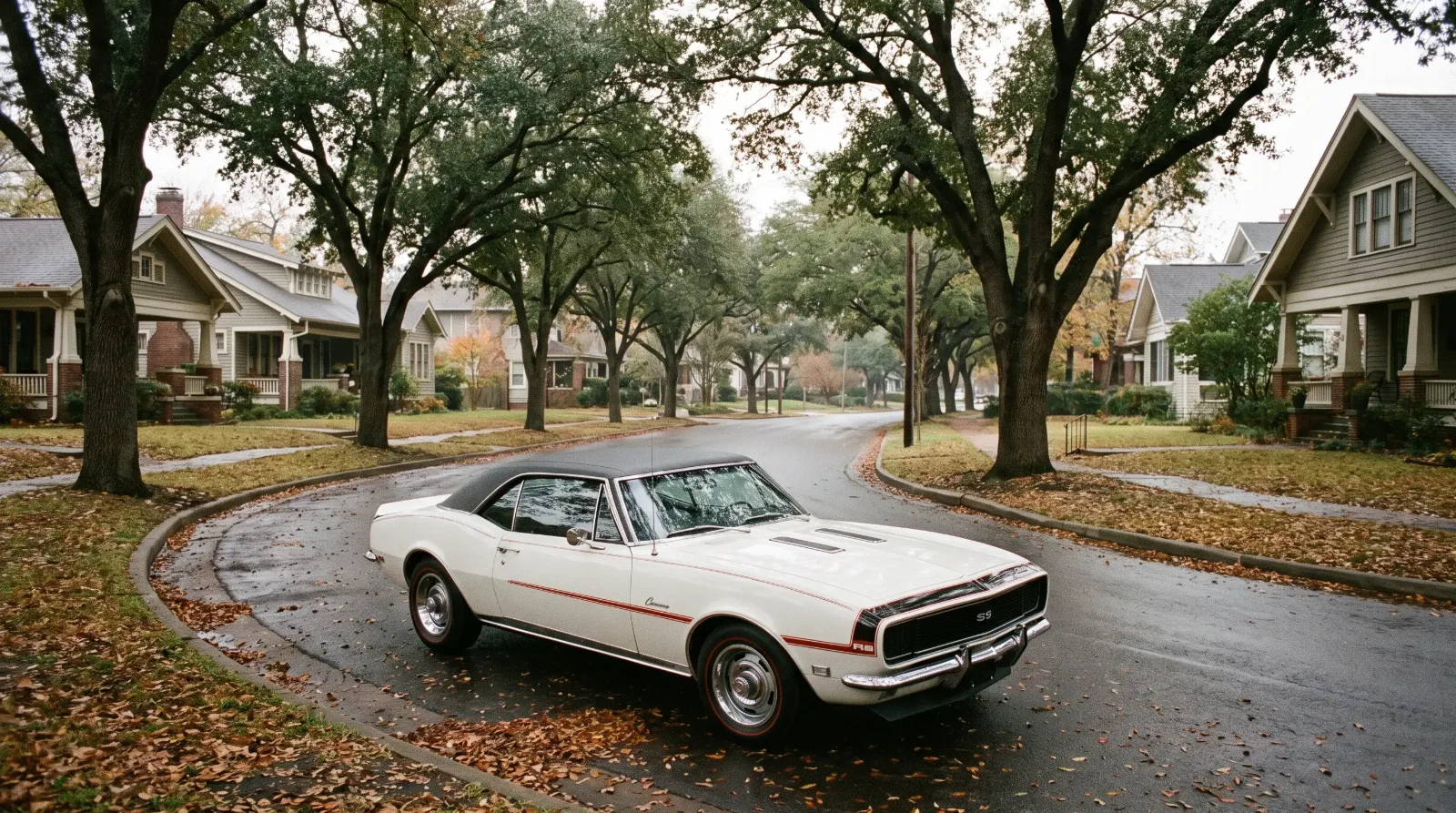
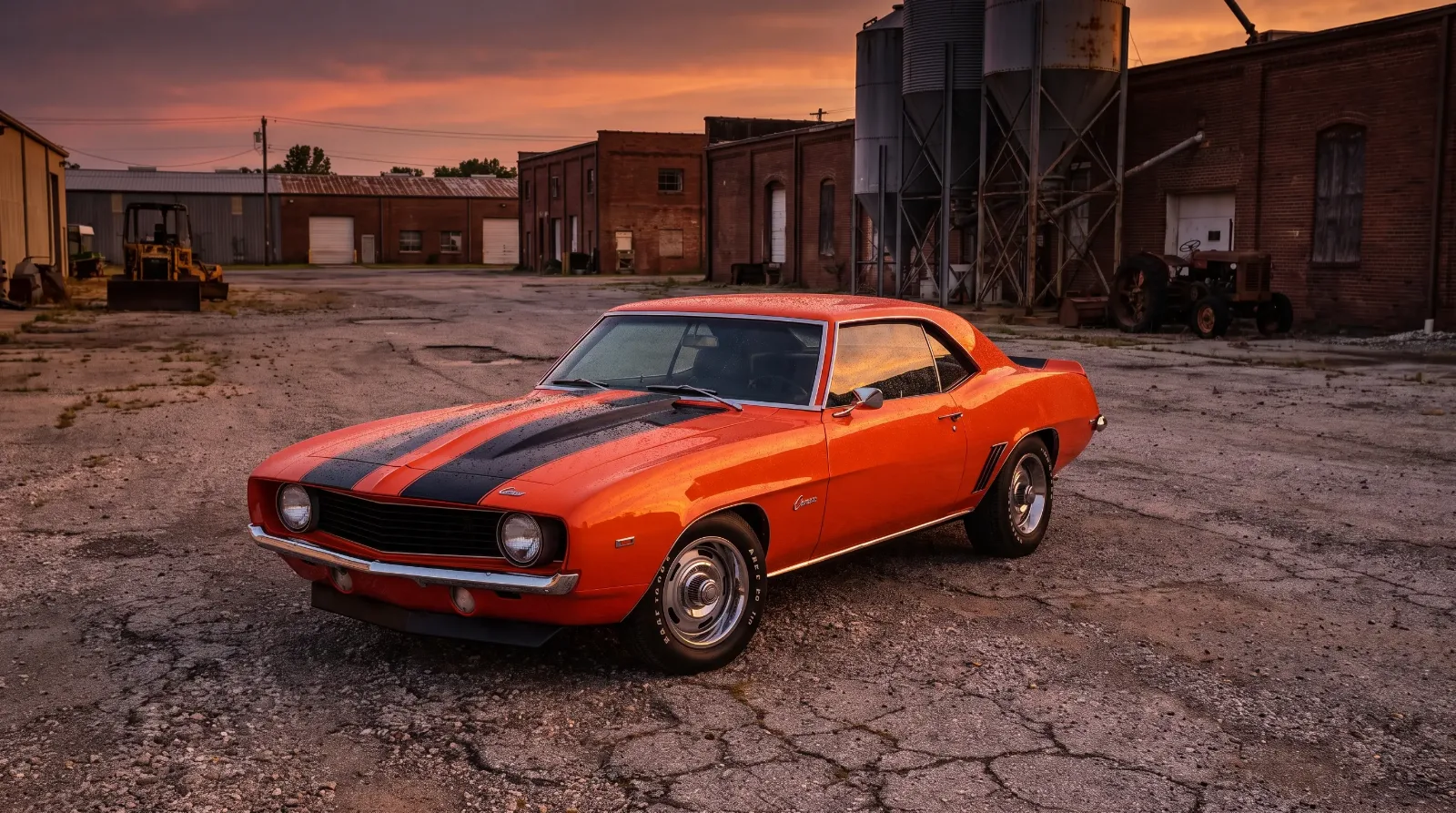
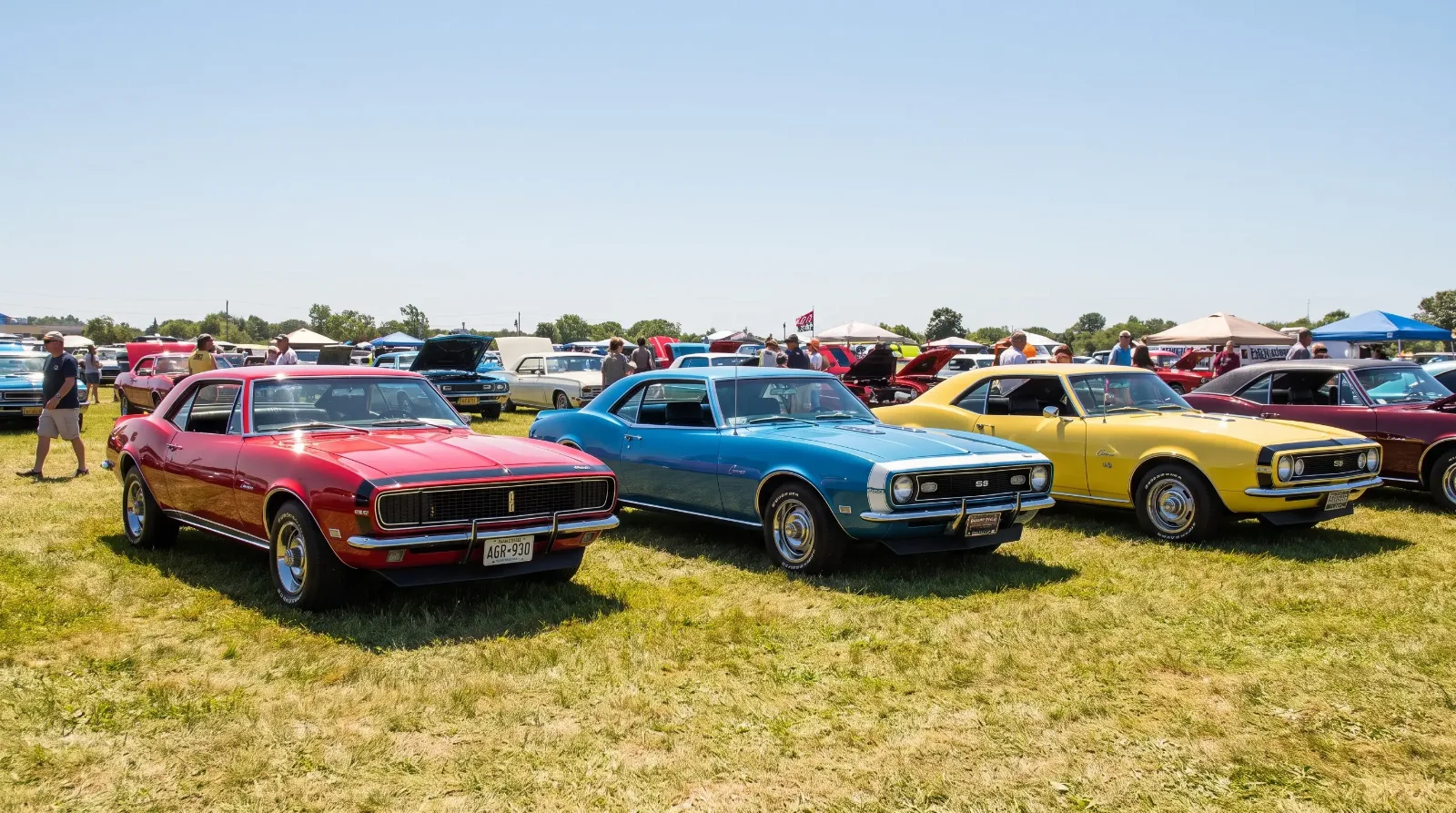
For a deeper look at how those three model years evolved visually and mechanically, the first-generation Camaro overview covers the full 1967-69 arc in detail. And the broader complete Chevrolet Camaro story traces the nameplate from that 1967 debut all the way through later generations.
The Z/28 and the racing imperative
Perhaps the most consequential decision Chevrolet made in the Camaro's development was creating the Z/28 package for SCCA Trans-Am racing competition. The Trans-Am series had a displacement limit of 305 cubic inches, so Chevrolet engineers combined the 327's cylinder block with the 283's crankshaft to produce a 302-cubic-inch V8. This engine, rated at 290 horsepower -- a figure most historians regard as deliberately understated, with period and modern dyno testing suggesting real output well above 300 horsepower -- was never listed in the public option order guide by name -- it was just RPO Z28, a $358.10 add-on that also included front disc brakes, a close-ratio four-speed gearbox, and specific suspension tuning.
The Z/28 gave the Camaro credibility on the track that advertising alone could never have bought. Roger Penske campaigned a Z/28 with driver Mark Donohue starting in 1967, and the combination won the Trans-Am manufacturers championship in 1968 and 1969. That racing heritage attached to the street car and became a permanent part of Camaro mythology.
Why this car mattered beyond the sales war
By the end of the 1967 model year, Chevrolet had sold 220,906 Camaros -- a strong debut, though it still trailed the Mustang's 472,121 units that same year. The gap would narrow over time, and in certain years the Camaro would outsell Ford's pony car. But the numbers only tell part of the story.
The Camaro gave Chevrolet a cultural anchor point. It showed up in drag strips, on movie screens, and in the garages of a generation of American enthusiasts who would keep restoring and collecting first-generation cars well into the twenty-first century. The car's origin -- a rushed, politically charged response to a competitor -- ultimately produced one of the most beloved American automobiles ever built. That is not a result that corporate planning alone can achieve.
Read the next article in this series: how to tell 1967, 1968, and 1969 first-gen Camaros apart.
Sources and notes
Production figures, engine specifications, codes, and dates in this article are cross-referenced from established Camaro references, period documentation, and owner registries. Where sources differ, the most commonly cited value is used. Cost figures are indicative and vary by supplier, region, and condition.