An engine lineup built for everyone
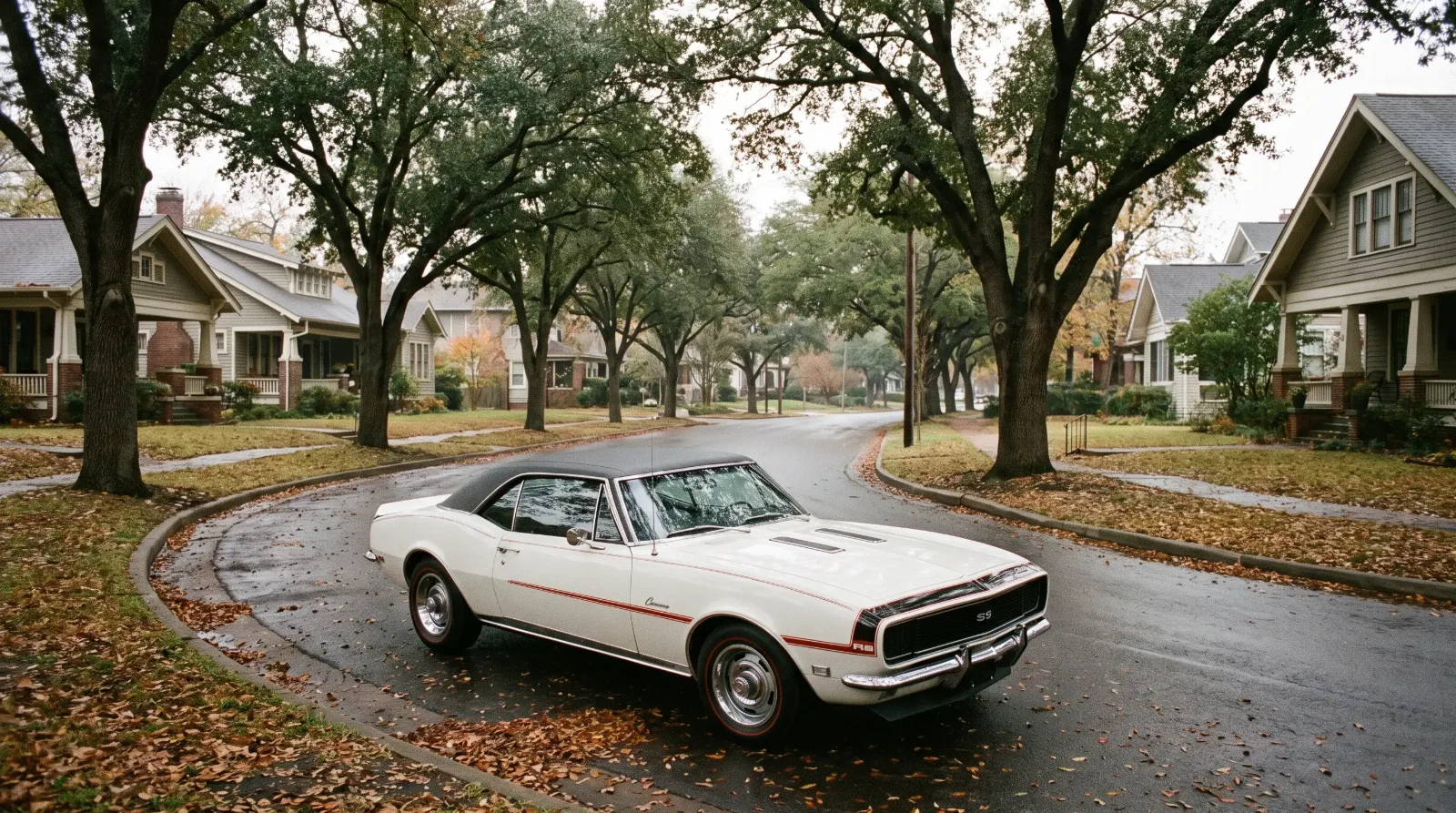
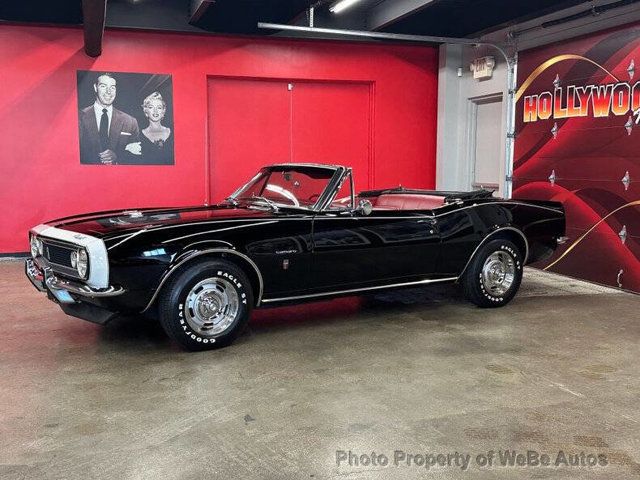
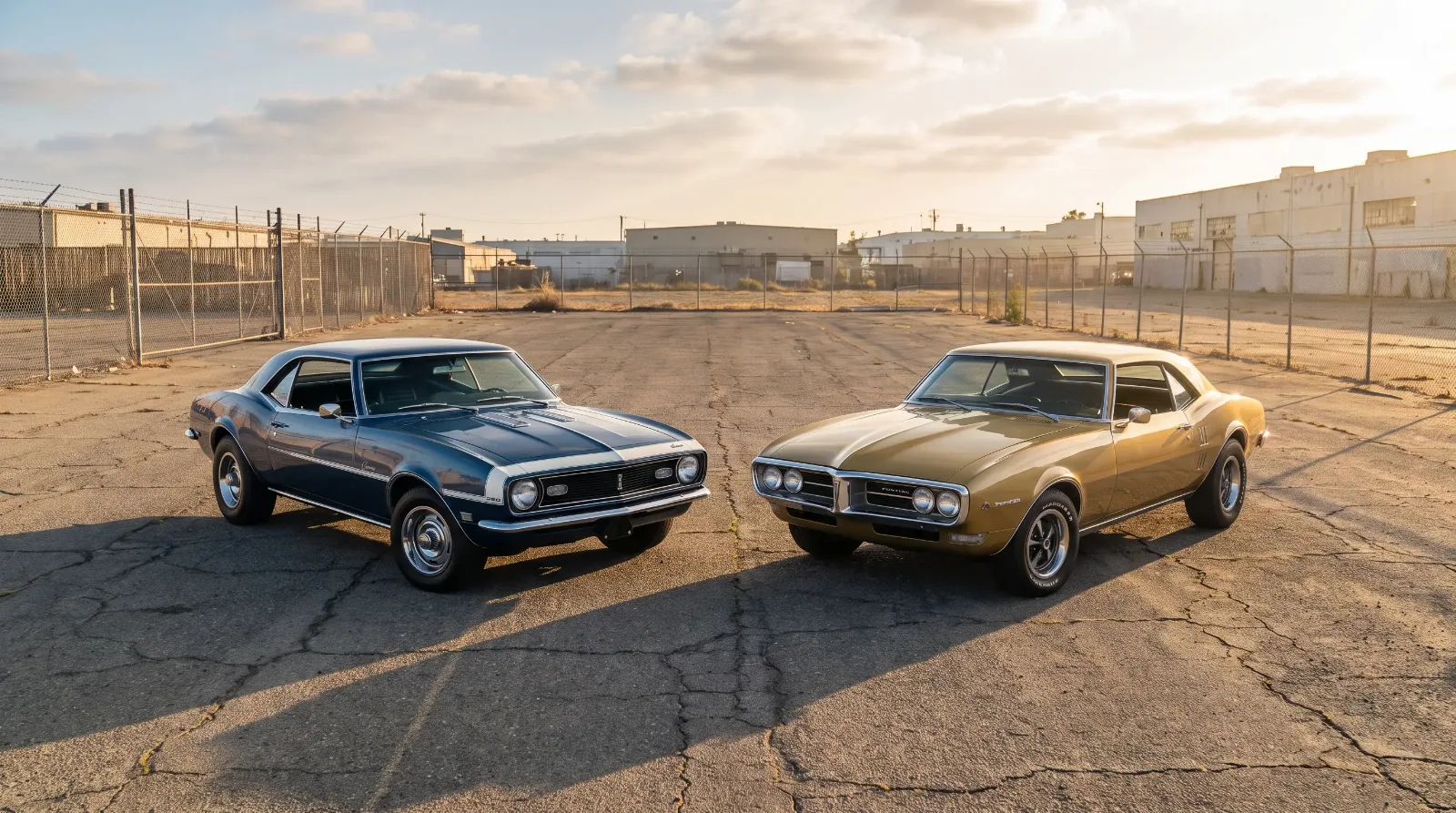
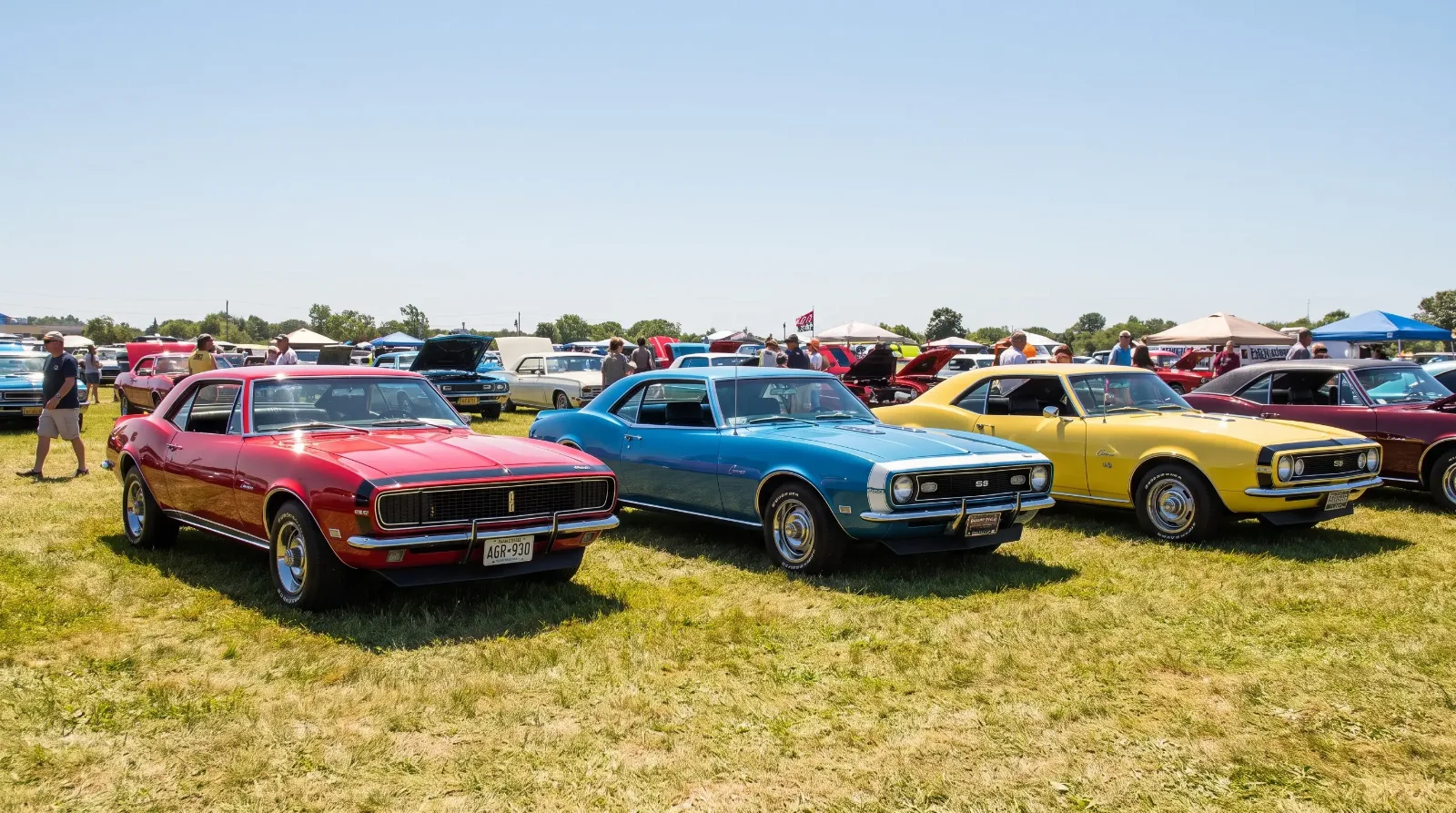
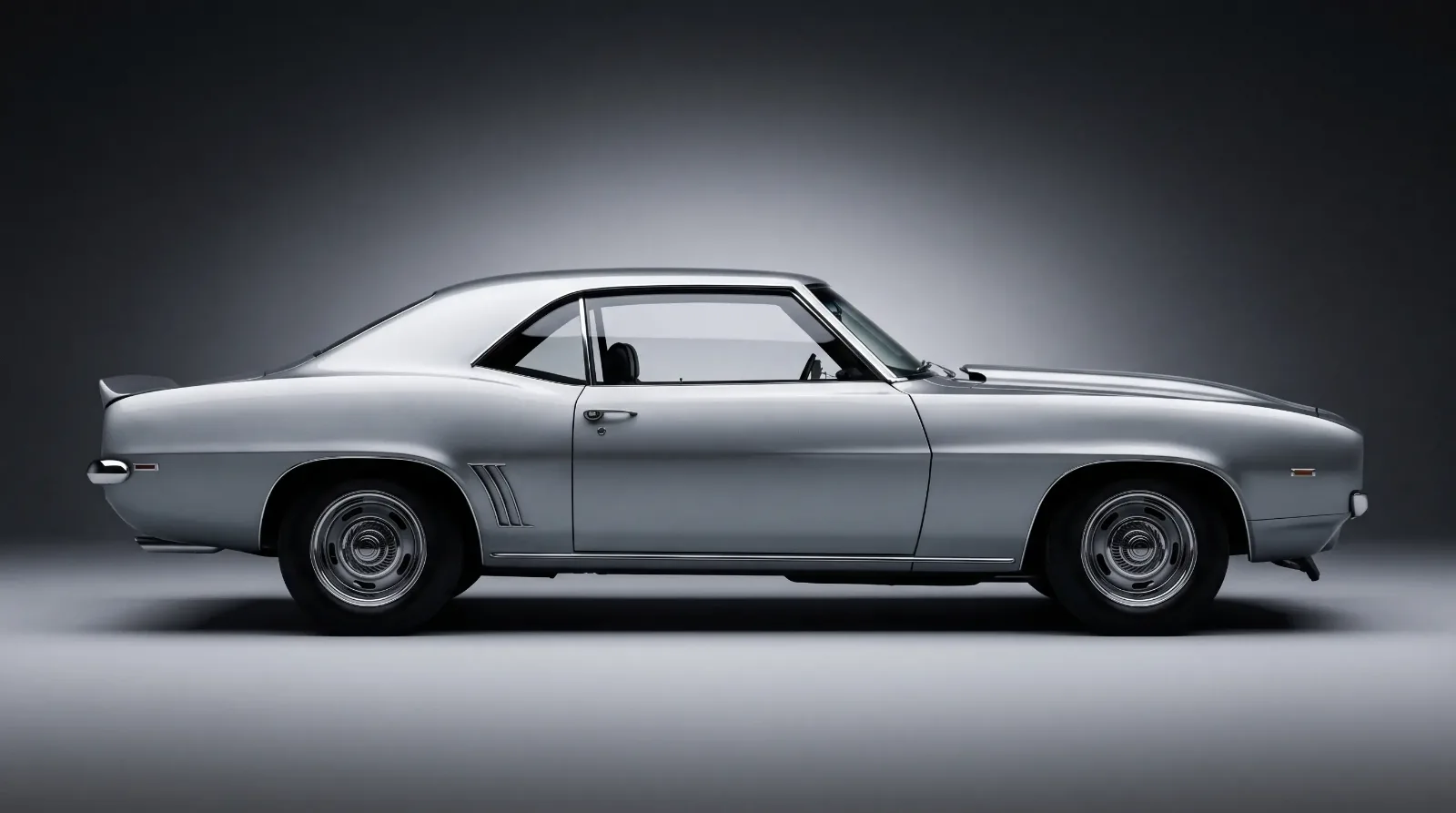
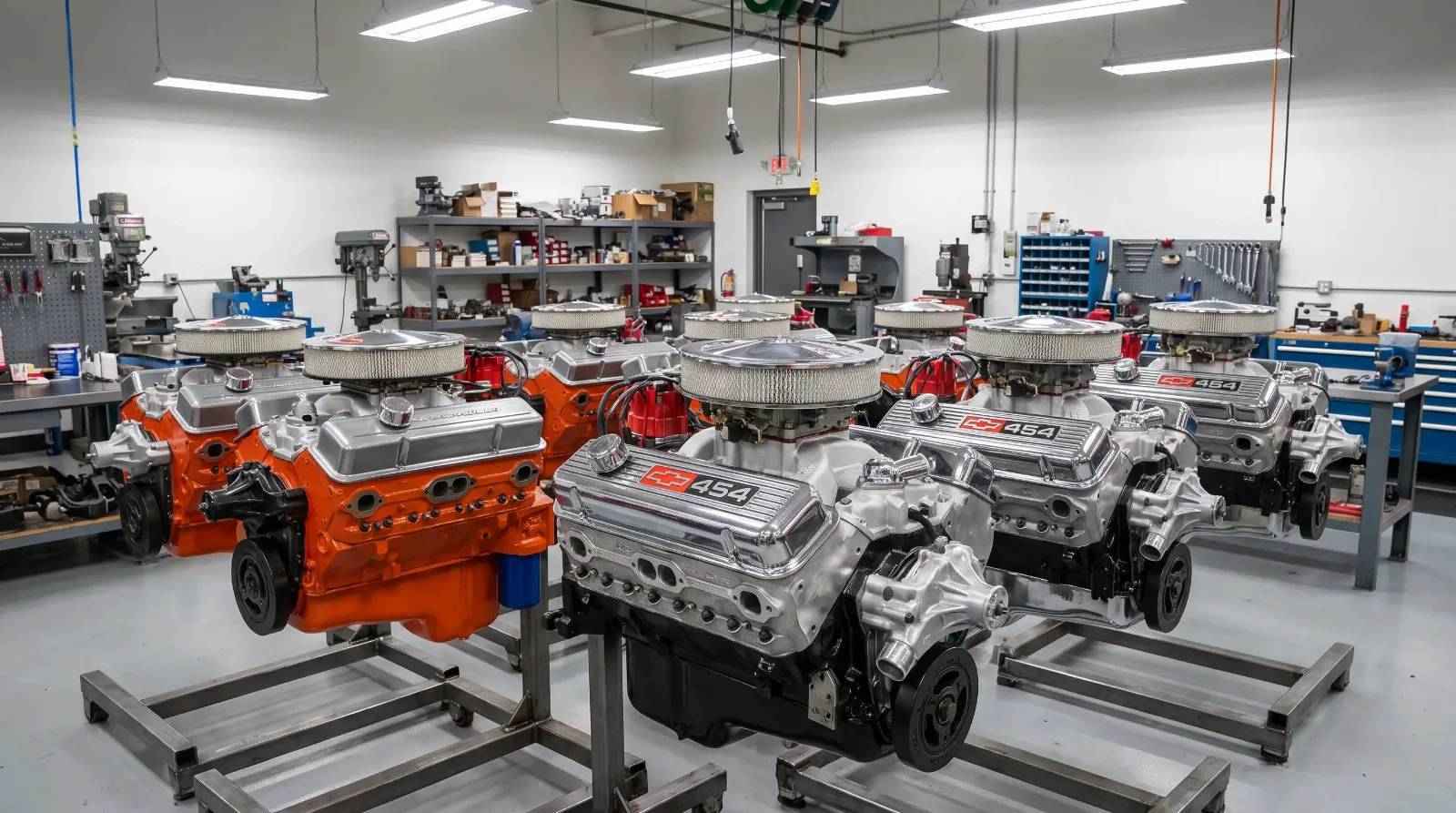
Chevrolet's strategy with the first-gen Camaro was to offer such a wide range of engines that the car could be sold to a college student buying her first car and a drag racer preparing for the NHRA Super Stock class -- and both would be getting exactly what they needed. The official option catalog for 1967 alone listed six distinct engine choices. By 1969, if you include COPO and dealer-special options, the number of possible powertrains exceeded a dozen configurations. This is the complete breakdown of what was available, what it cost, and what it did.
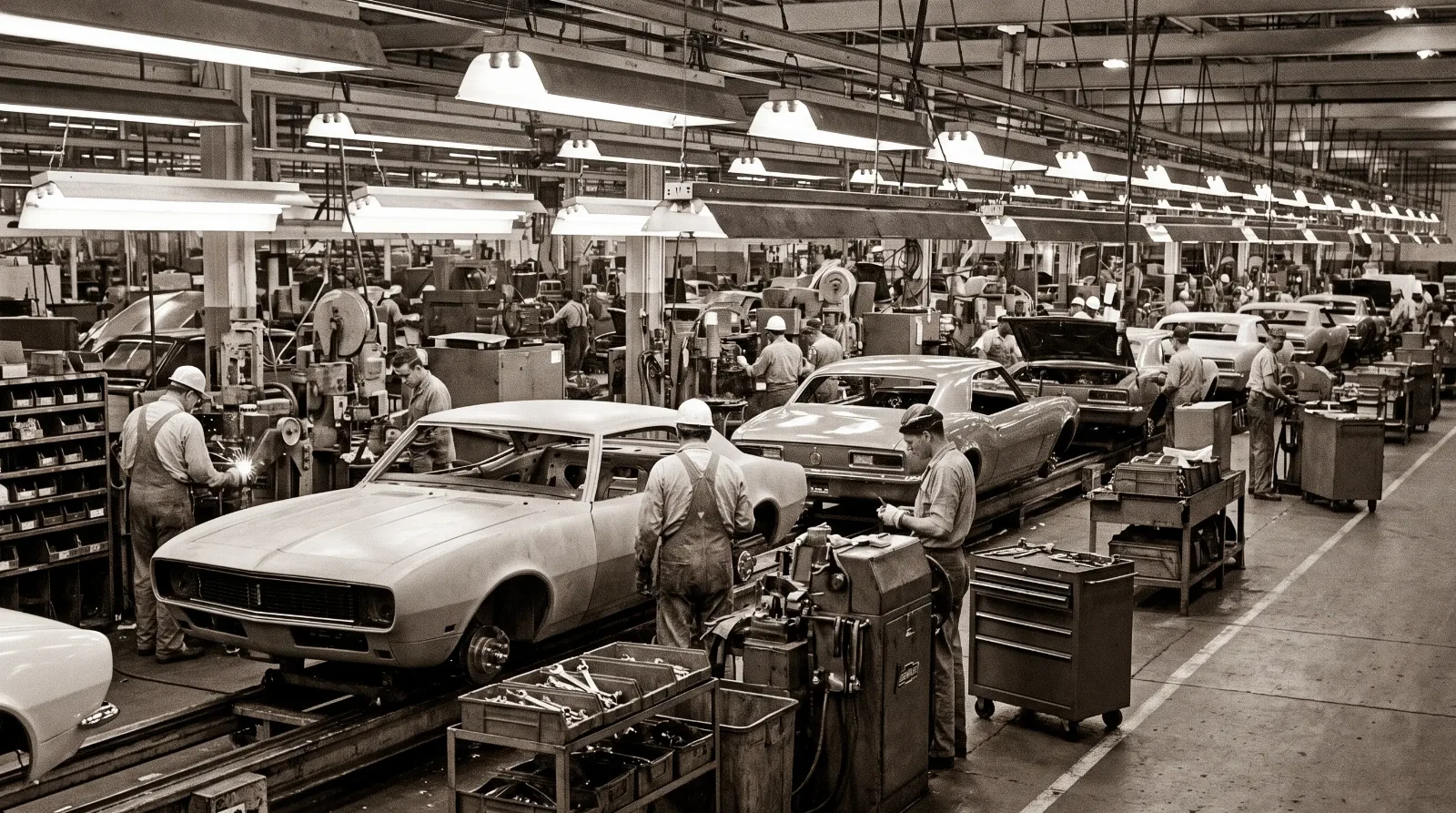
For the full context of how these engines fit into the car's development history, the first-generation Camaro story covers the program from its 1964 conception through the end of 1969 production. The engine lineup was the product of that compressed development timeline, and understanding the platform helps explain why Chevrolet could offer so many options so quickly.
The six-cylinder base engines
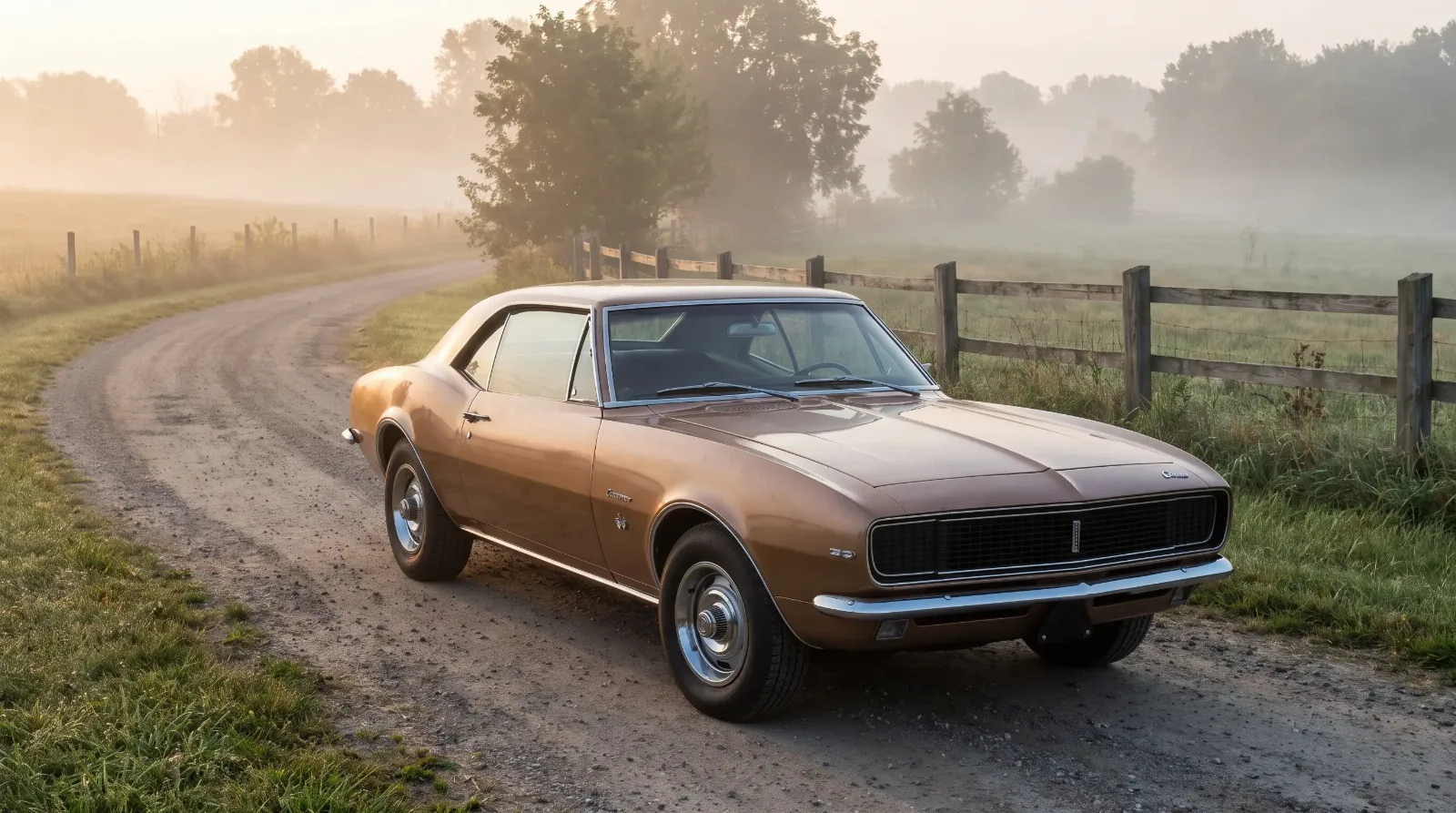
The base Camaro engine in all three years was an inline-six. For 1967, this was the 230-cubic-inch L22 producing 140 horsepower and 220 lb-ft of torque. The 230 was a smooth, economical engine that kept the base Camaro's insurance costs manageable and its entry price below $2,600. For 1968, the standard six grew to 250 cubic inches, producing 155 horsepower. The 250 remained the base six for 1969 with the same output rating.
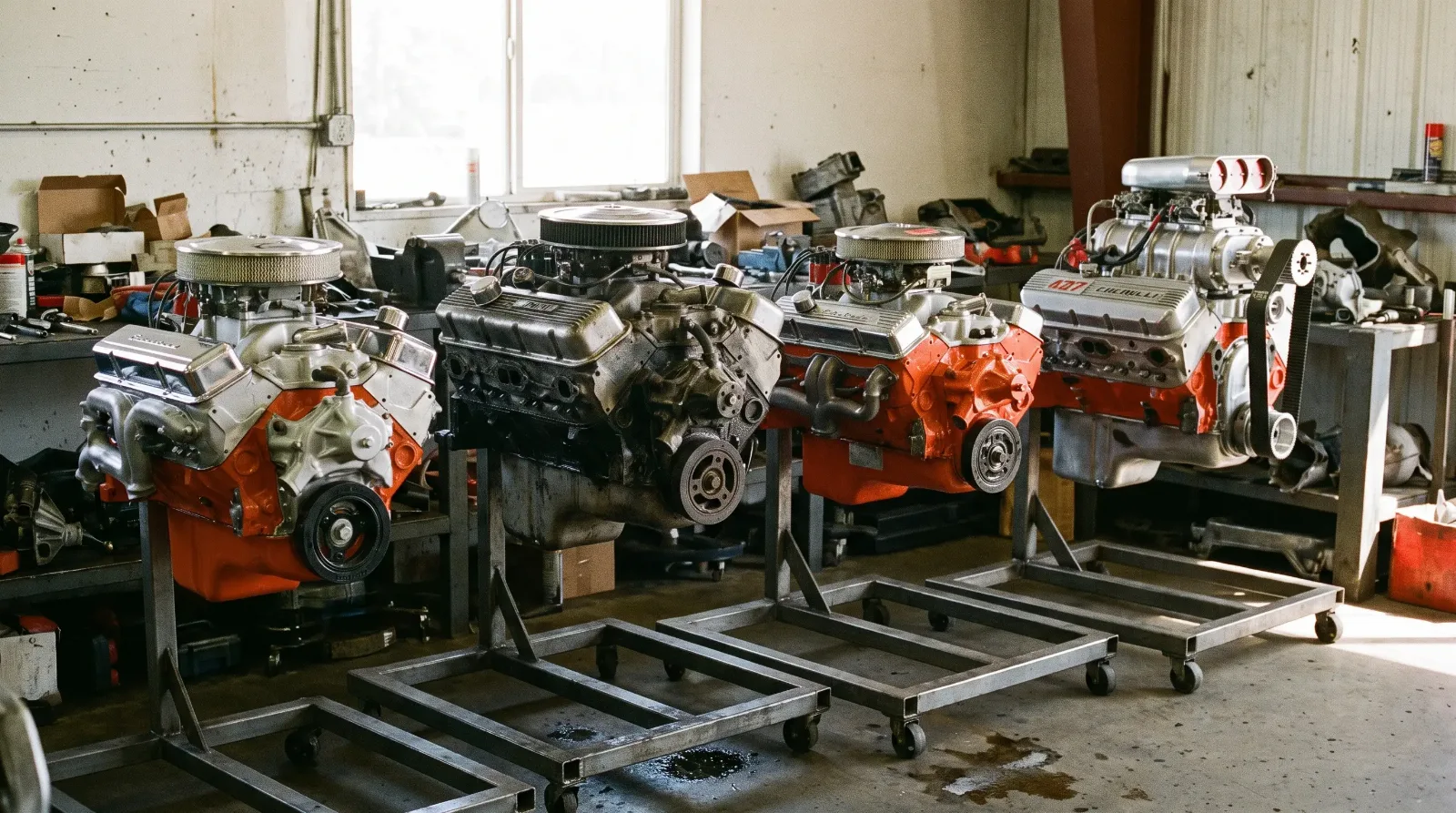
Six-cylinder Camaros are undervalued in the current collector market, which makes them an interesting entry point for buyers who want the body style and driving experience without the premium attached to V8 cars. A clean, numbers-matching 1967 six-cylinder Sport Coupe represents one of the more accessible ways into first-gen ownership.
The small-block V8 family
The small-block Chevrolet V8 was available in multiple states of tune across all three model years. Here is the breakdown by RPO code:
| RPO Code | Displacement | Horsepower | Years Available | Key Feature |
|---|---|---|---|---|
| L30 | 327 ci | 210 hp | 1967-68 | 2-barrel carburetor |
| L79 | 327 ci | 275 hp | 1967-68 | 4-barrel, high-compression |
| L48 | 350 ci | 295 hp | 1967-69 | Standard SS engine, 4-barrel |
| LM1 | 350 ci | 250 hp | 1969 | Emission-tuned 350 |
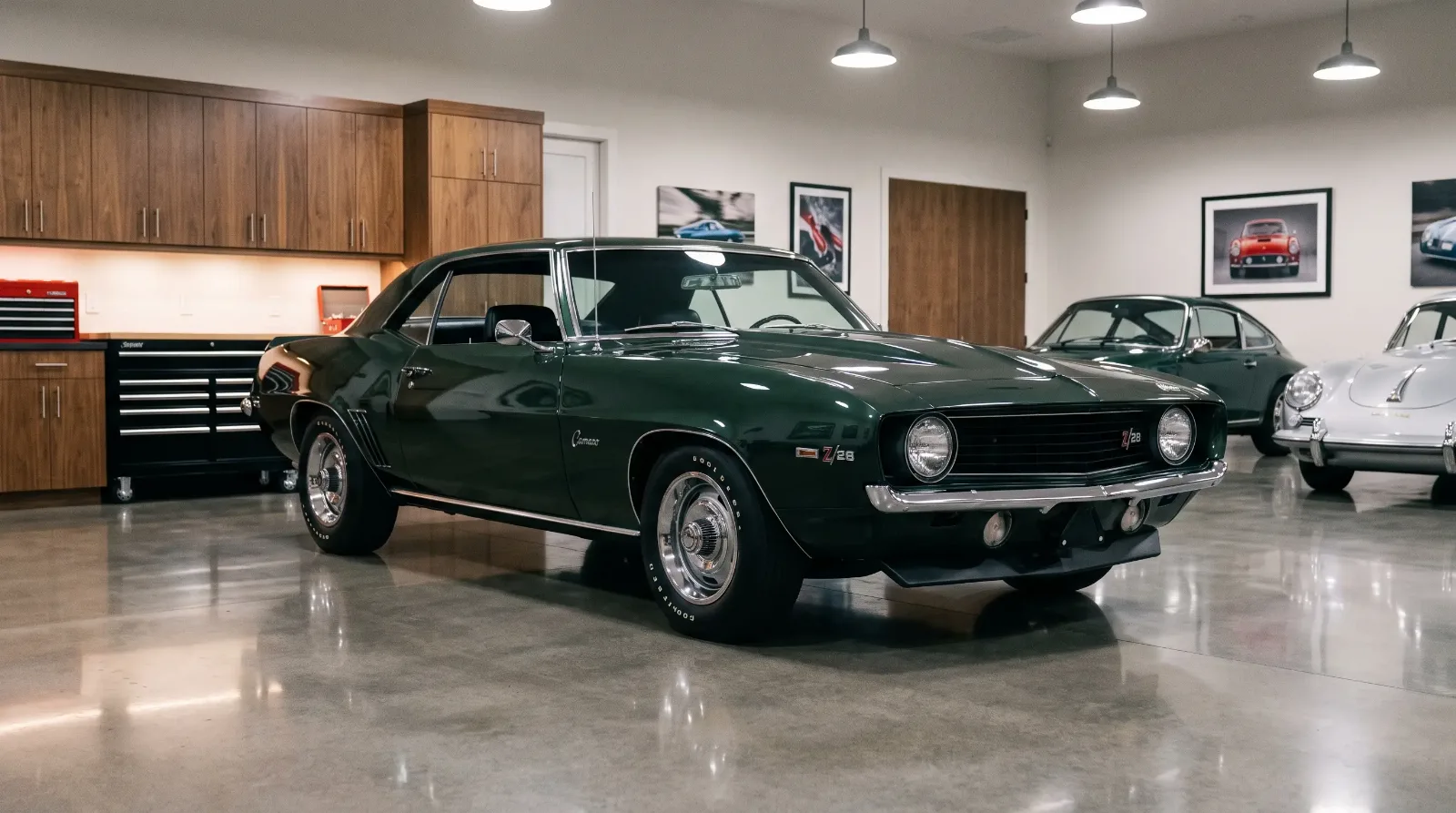
| Z28 (302) | 302 ci | 290 hp (factory rating, widely regarded as understated) | 1967-69 | Trans-Am homologation, 4-bolt main |
The L79 327 was a particular favorite of performance buyers who wanted strong street performance without big-block insurance rates. The 275-hp rating at 5200 rpm gave the car a high-revving character that the torquier big-blocks did not match. L79 cars are sought after today for this reason, and correct L79 documentation adds meaningful value to a 1967-68 coupe or convertible.
"The 302 in a Z/28 is a different animal from anything else in the Camaro lineup. It wants to be revved -- the power is up top, the cam is aggressive, and if you drive it like a lazy small-block torque motor you'll be disappointed. Understand what it is and it's one of the best-driving cars of the era."
-- Mike Sullivan
The big-block 396 options
The 396-cubic-inch big-block, internally designated the Mark IV, arrived in the Camaro for 1967 as part of the SS (Super Sport) package. Output levels were:
- L35: 325 horsepower, conservatively tuned 4-barrel, available 1967-69
- L34: 350 horsepower, 4-barrel, available 1968-69 (it was not offered in 1967)
- L78: 375 horsepower, solid-lifter camshaft, 4-bolt main bearing caps, available 1967-69
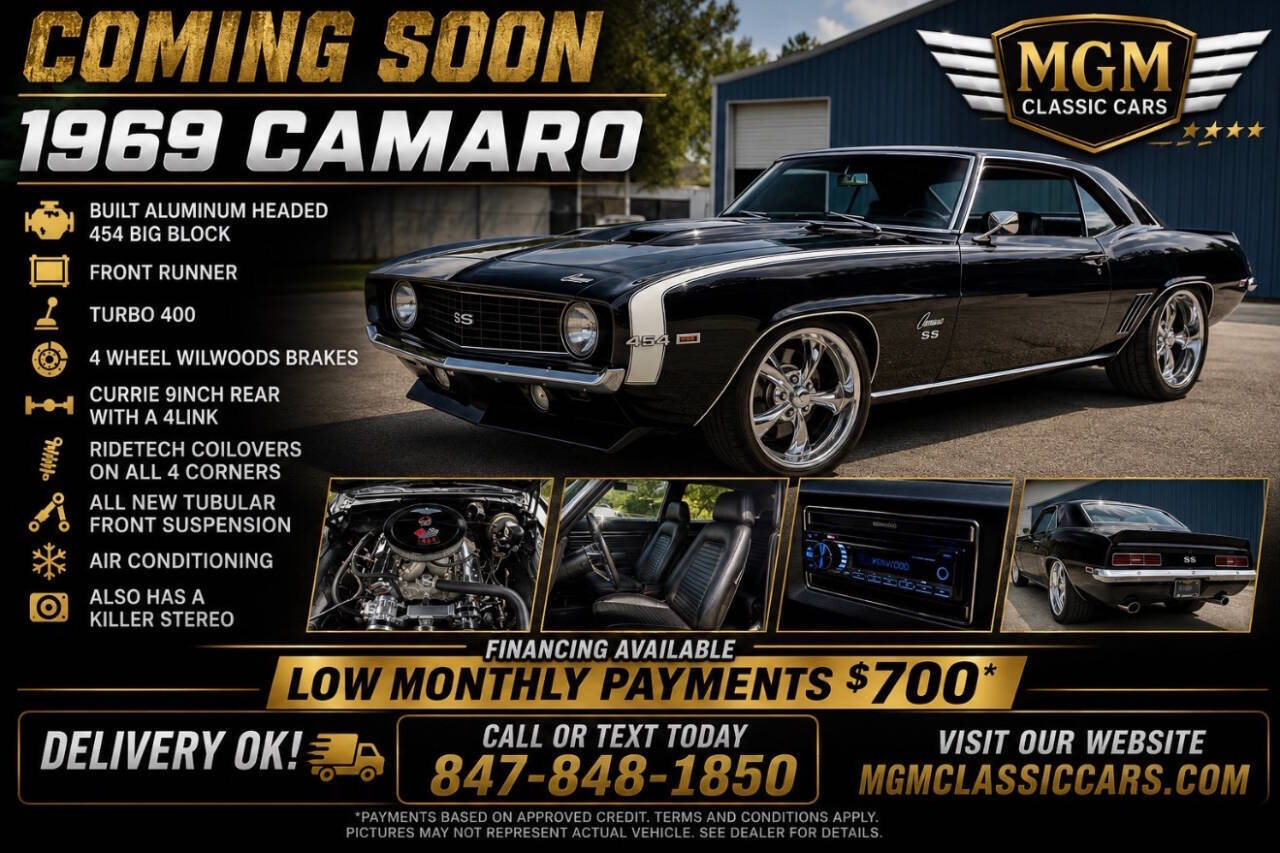
- L89: 375 horsepower, aluminum cylinder heads, solid-lifter cam -- same as L78 mechanically but approximately 75 pounds lighter, available 1968-69
The SS package included specific hood, body striping, SS badging, and -- critically -- a heavy-duty suspension package and front disc brakes. An SS396 with the L78 engine and M22 "Rock Crusher" four-speed close-ratio gearbox is among the most capable stock configurations the factory offered, and it remains one of the most valuable non-COPO, non-Z/28 first-gen combinations today.
The COPO 427s: the factory's back door to big power
For 1969, Chevrolet's corporate policy technically prohibited engines displacing more than 400 cubic inches in F-body cars. The COPO (Central Office Production Order) system was a dealer ordering mechanism originally designed for fleet and special-purpose vehicles, and a handful of performance dealers -- most notably Yenko Chevrolet in Canonsburg, Pennsylvania, Dana Chevrolet in South Gate, California, and Nickey Chevrolet in Chicago -- discovered that COPO orders bypassed the displacement restriction.
Two 427 engines were available through COPO for 1969:
- COPO 9561 / L72 427: 425 horsepower, cast-iron block, solid-lifter cam. The COPO 9561 package carried a modest premium over a base V8 car. Roughly 1,015 units are generally documented as produced.
- COPO 9560 / ZL1 427: 430 horsepower (factory rating, widely considered understated), all-aluminum block and heads, approximately 100 pounds lighter than the iron 427. The ZL1 option added several thousand dollars to the price -- so much that it nearly doubled the cost of the car. Just 69 units were produced.
ZL1 Camaros are among the most valuable first-gen cars in existence. The combination of extreme rarity, racing provenance, and mechanical uniqueness has pushed authenticated examples to seven-figure auction results in recent years. For any car claimed to be a ZL1, independent documentation verification by a recognized Camaro research specialist is not optional -- it is essential.
What to look for under the hood today
Decades of modifications mean that engine swaps in first-gen Camaros are common. Verifying that an engine is the numbers-matching original requires checking the partial VIN stamped on the engine block pad (driver's side of the block, in front of the cylinder head on most small-blocks and big-blocks). This stamp should show the last eight digits of the car's VIN followed by a suffix code identifying the engine type and assembly plant. An engine without a readable VIN stamp, or with a stamp that does not match the car's VIN, is not the original engine -- which is fine for a driver but important to price correctly.
The next article in this series looks at how engine options, rarity, and documentation combine to shape the collector market: how the first-gen Camaro became a collector icon.
Sources and notes
Production figures, engine specifications, codes, and dates in this article are cross-referenced from established Camaro references, period documentation, and owner registries. Where sources differ, the most commonly cited value is used. Cost figures are indicative and vary by supplier, region, and condition.