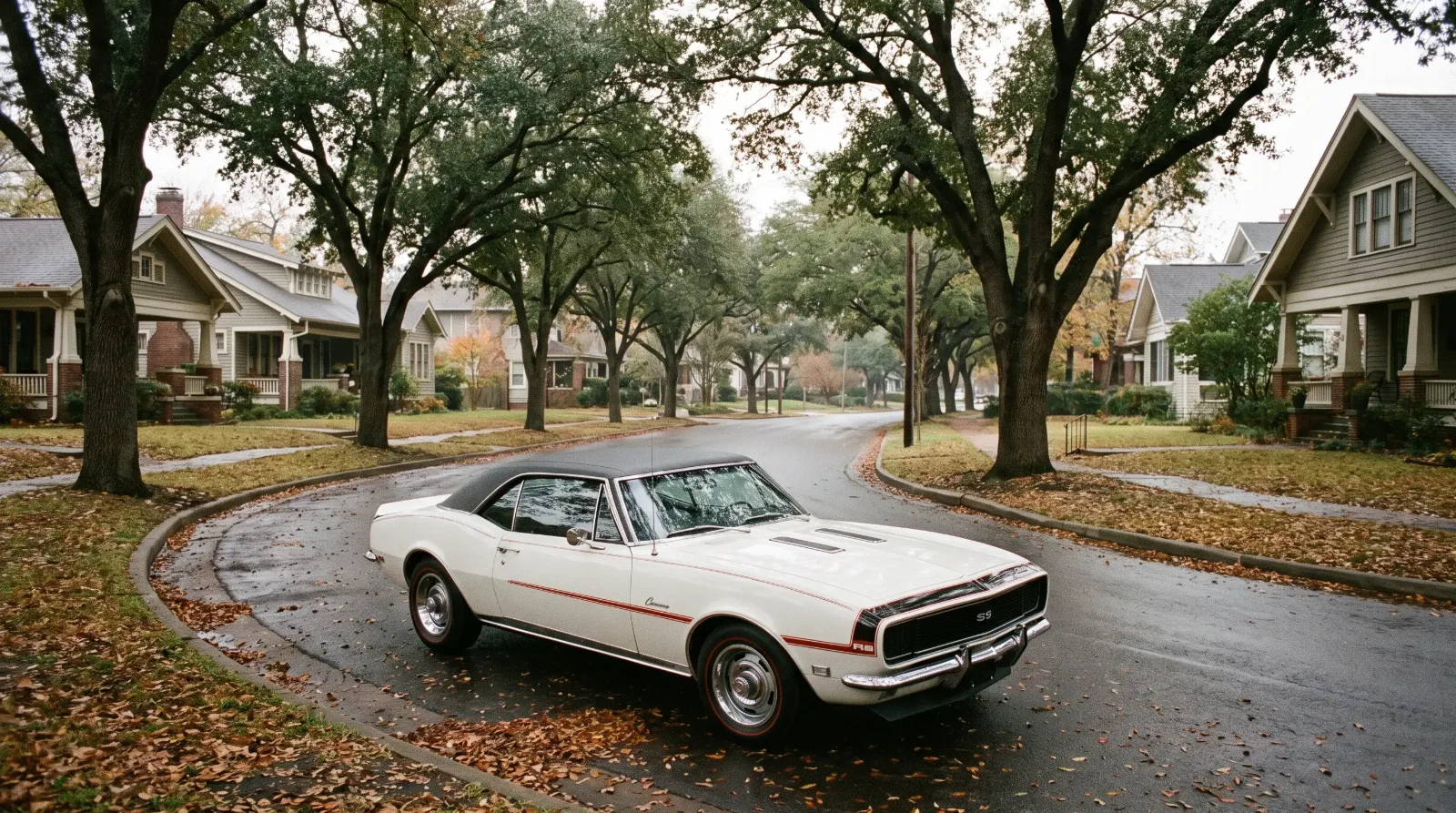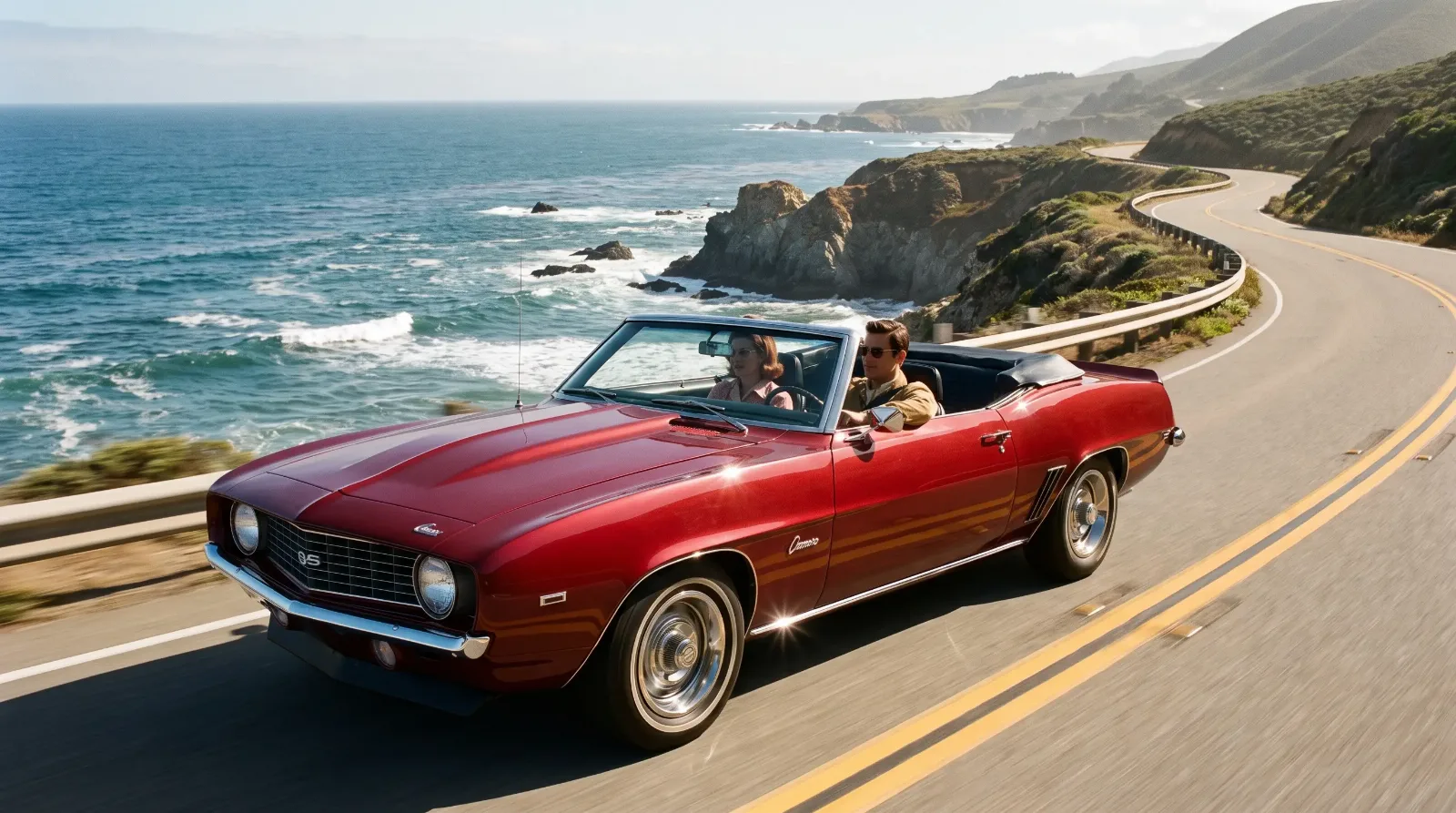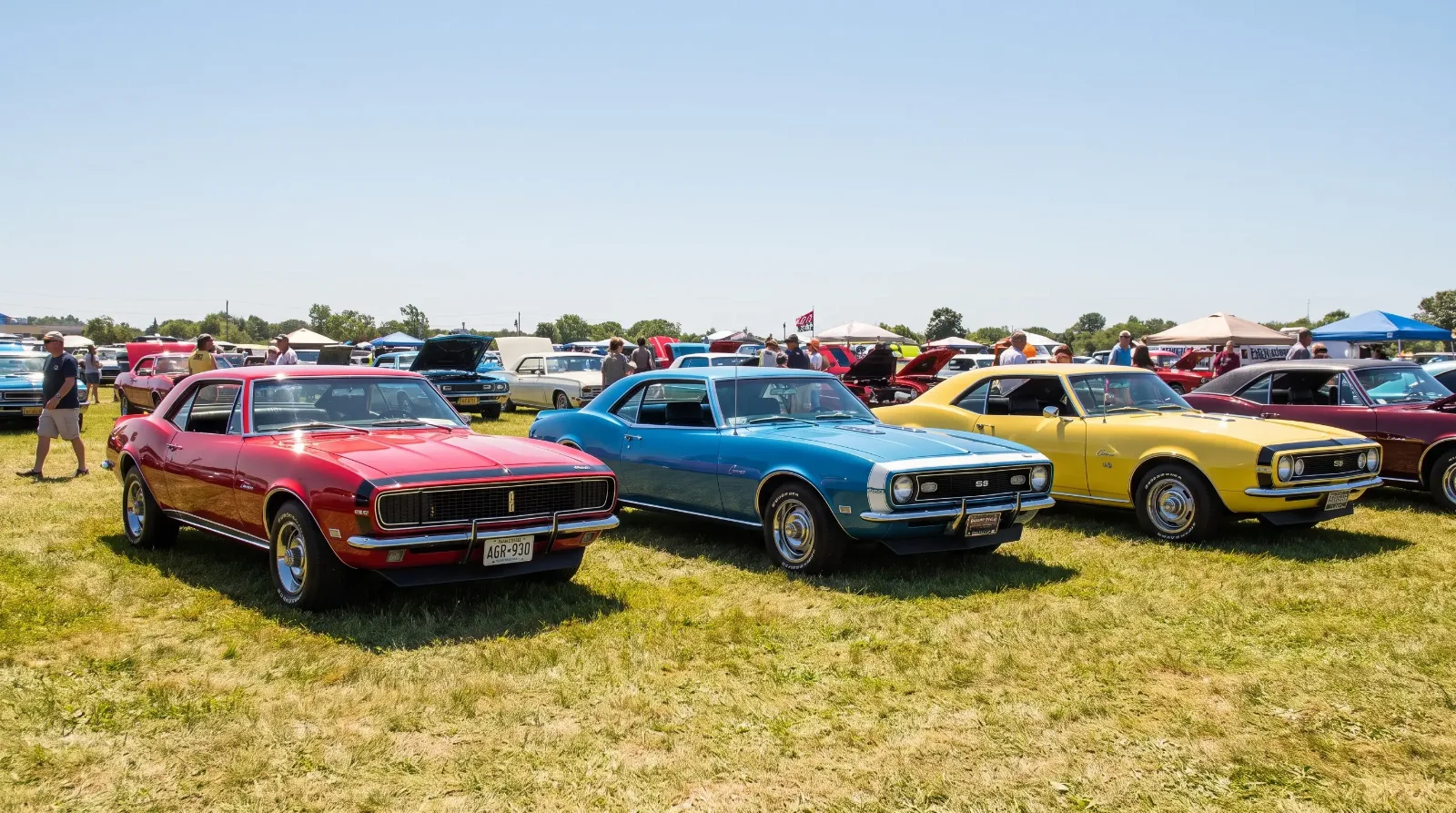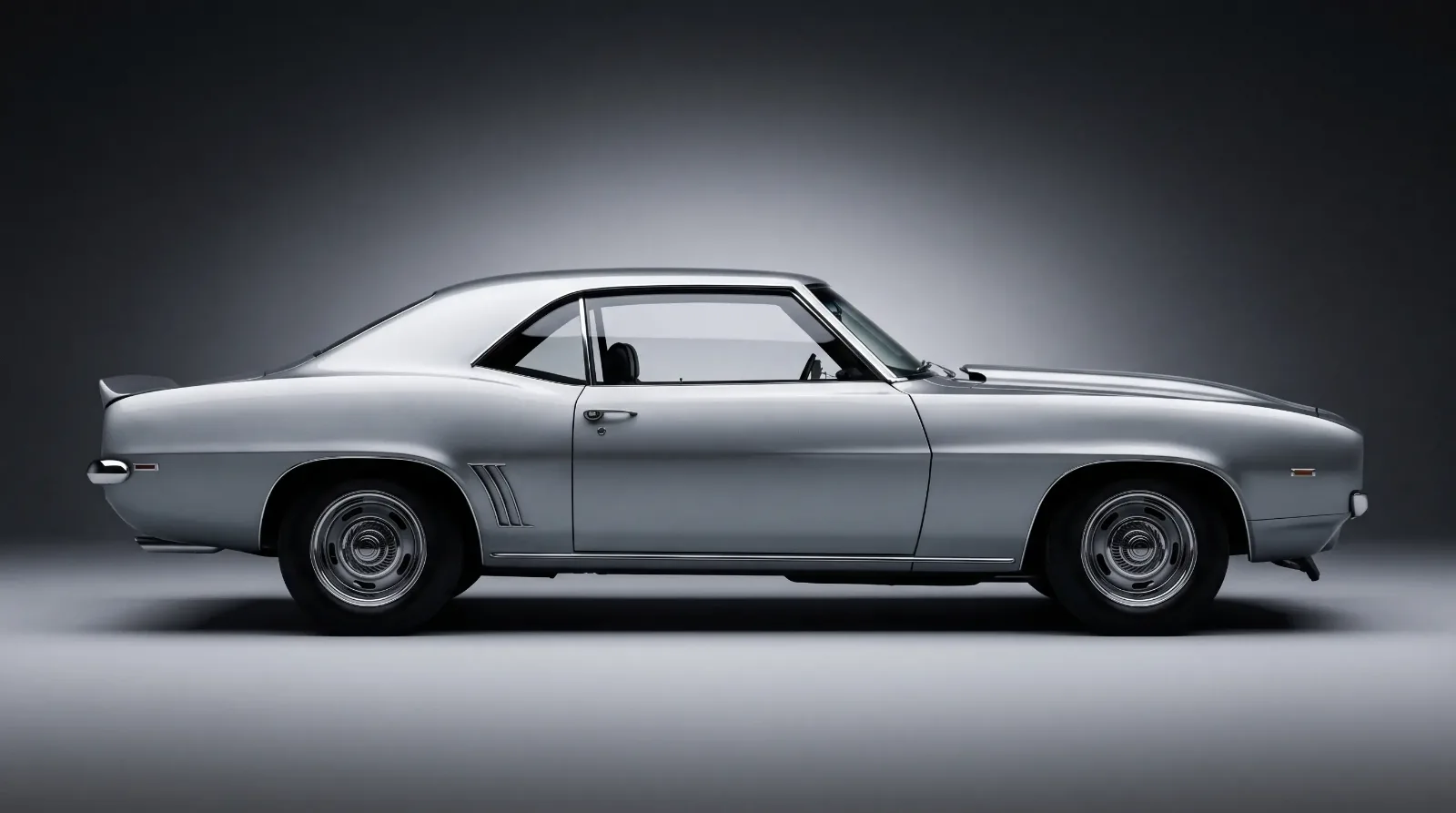

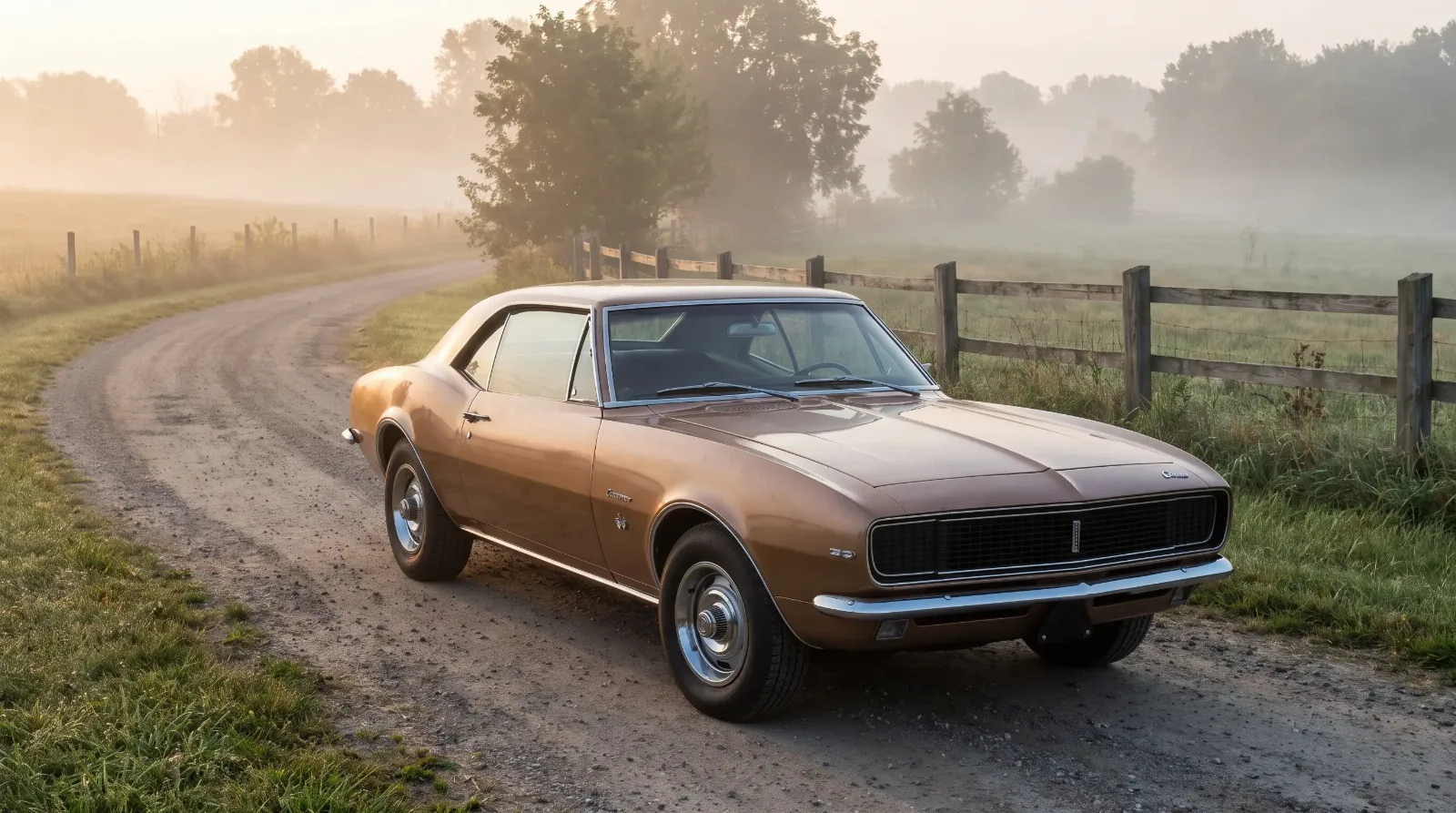
Chevrolet had a problem going into the 1967 model year, and the problem had a name: Mustang. Ford had been selling pony cars since 1964, and the market had responded enthusiastically enough that Chevrolet could not afford to sit still. The answer was the Camaro, introduced in September 1966 as a 1967 model, built on a new F-body platform and offered in enough configurations to cover nearly every buyer Chevrolet could imagine reaching. To understand what followed over the next fifty-plus years, you have to start here, with the first-generation Camaro story and the specific choices Chevrolet made in that opening year.
The 1967 car was a coupe and a convertible, a six-cylinder commuter and a 396-powered muscle car, a show piece and a racer. All of that from a platform that had never existed before. What made the car work was not any single feature but the coherence of the package: it looked right, it could be optioned into almost anything, and it arrived with enough performance variants to give Chevrolet something to talk about at every price point.
What made the 1967 body distinctive
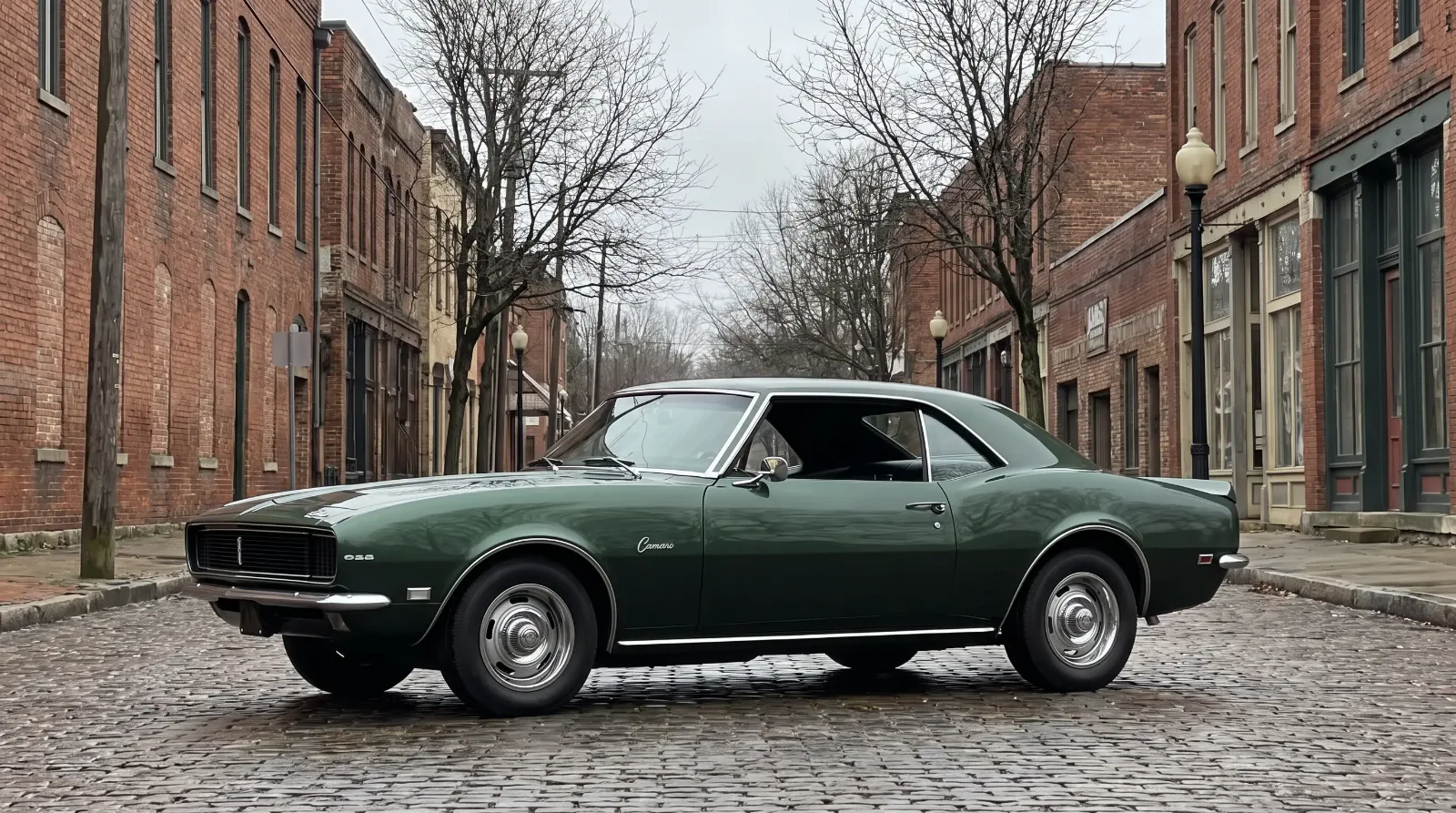
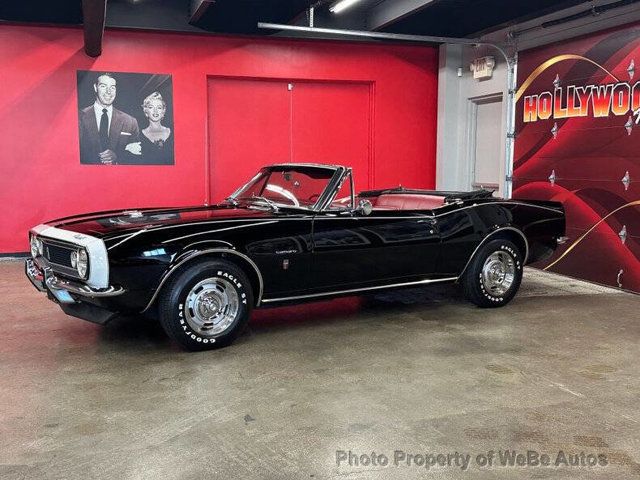
The 1967 Camaro has a profile that reads immediately as first year. The most obvious tell is the vent windows: triangular panes at the front of each door that swiveled open for ventilation. They disappeared for 1968, replaced by a flow-through ventilation system that Chevrolet called Astro Ventilation. Some buyers prefer the cleaner door glass of the later cars. The people who grew up with the 1967 tend to disagree.
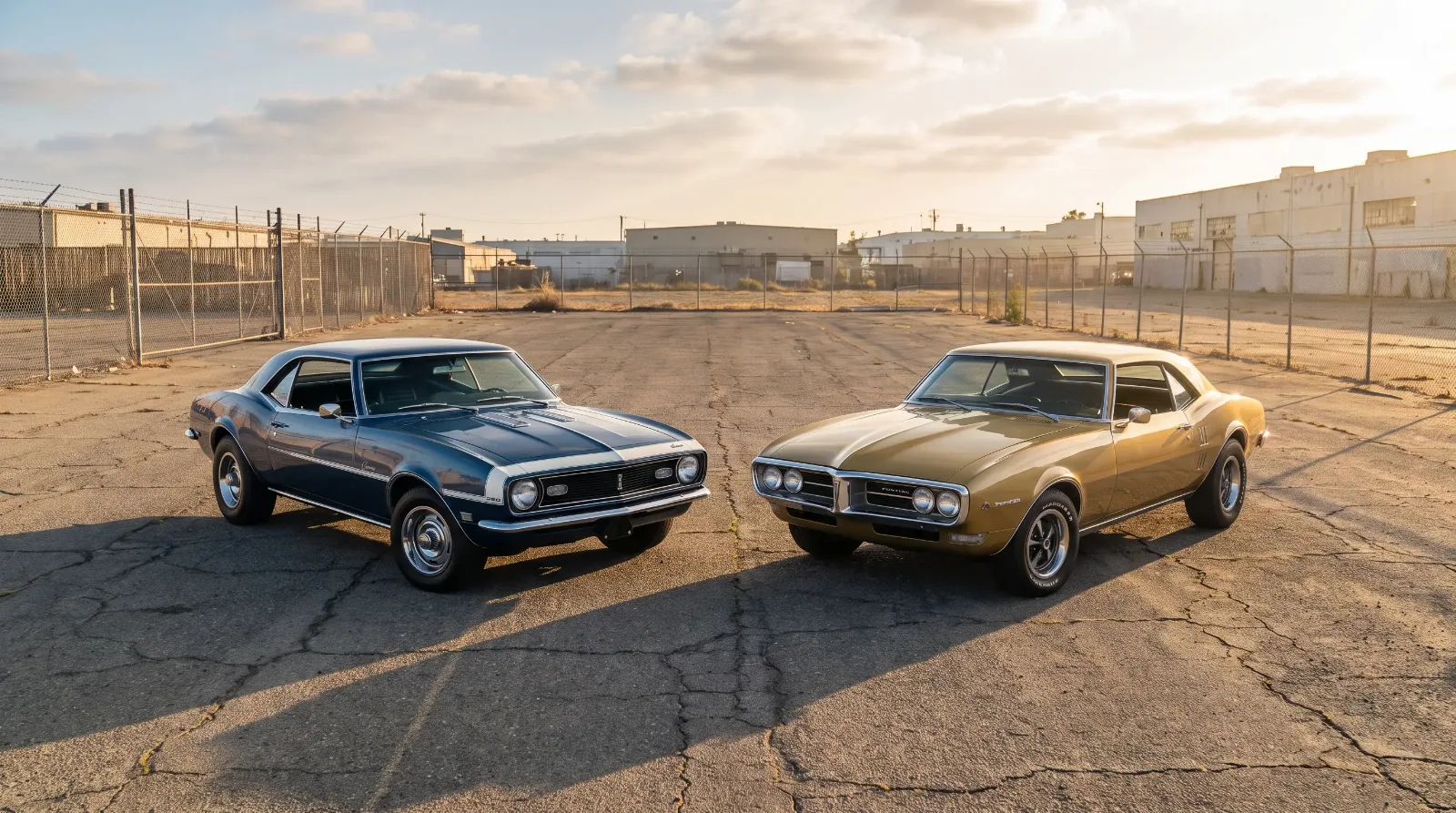
Beyond the vent windows, the 1967 has a different tail treatment than the 1968. The rear panel is flatter, the taillights sit in a configuration that was revised the following year, and the overall greenhouse is slightly different in proportion. None of these are dramatic changes, but a side-by-side comparison makes them clear. The 1967 is not a lesser car for any of this. It is just the original, before Chevrolet decided what to refine.
Buyers chose between a Sport Coupe and a convertible. Base engines ran from a 230 cubic inch inline six up through several small-block V8 options. The car was priced to compete, and the base figures were designed to let dealers work upward from there through the option sheet.
The RS and SS option packages
Chevrolet structured the 1967 Camaro around option packages rather than distinct trim levels in the way later cars would use them, and two packages defined how the car was perceived in the market. The Rally Sport, coded RPO Z22, was a styling package. It brought hidden headlights behind doors that opened electrically when the lights came on, a blacked-out grille, revised exterior trim, and a few interior touches. The Rally Sport had nothing to do with performance. It was about how the car looked standing still, and it sold well for exactly that reason.
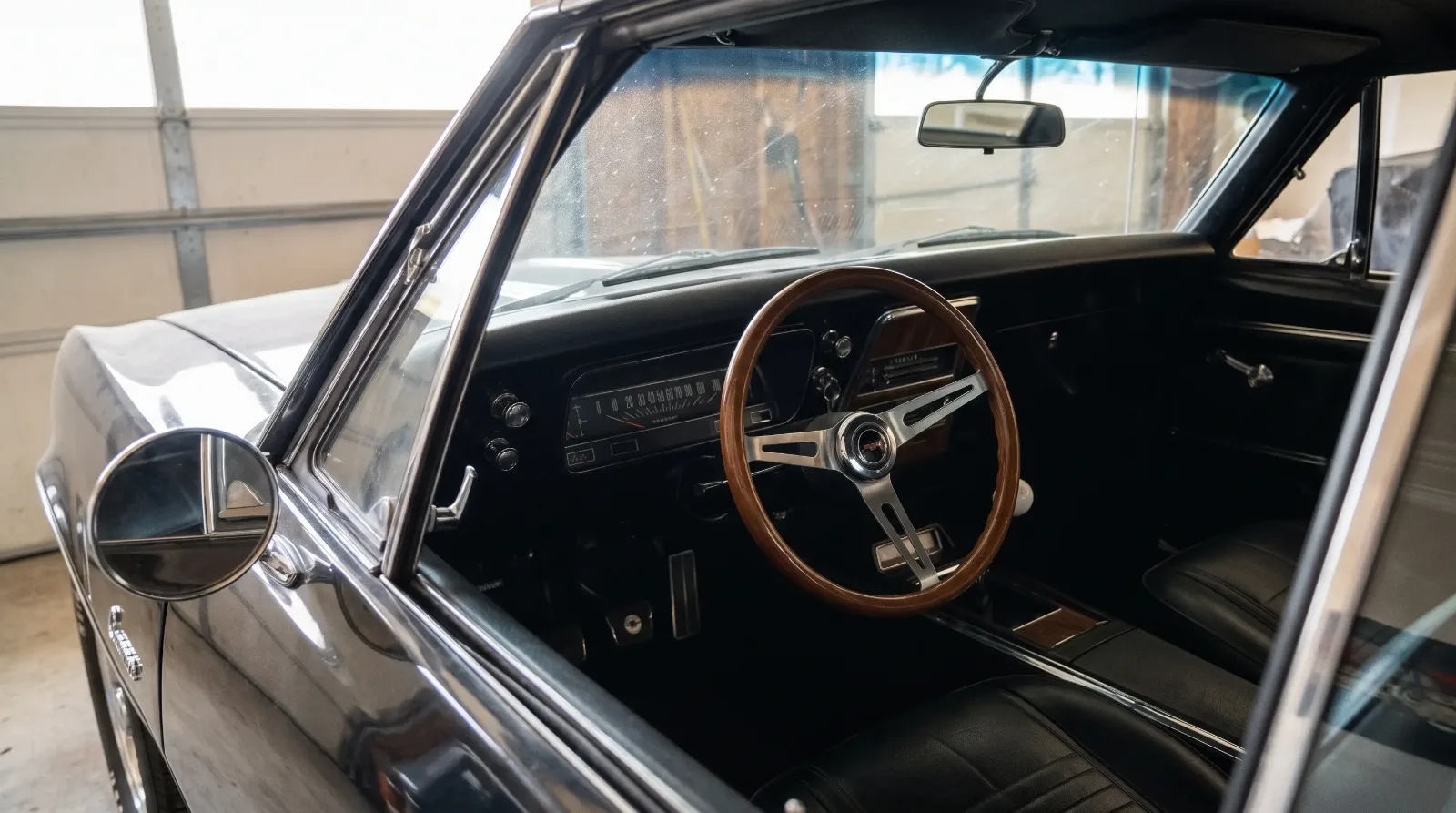
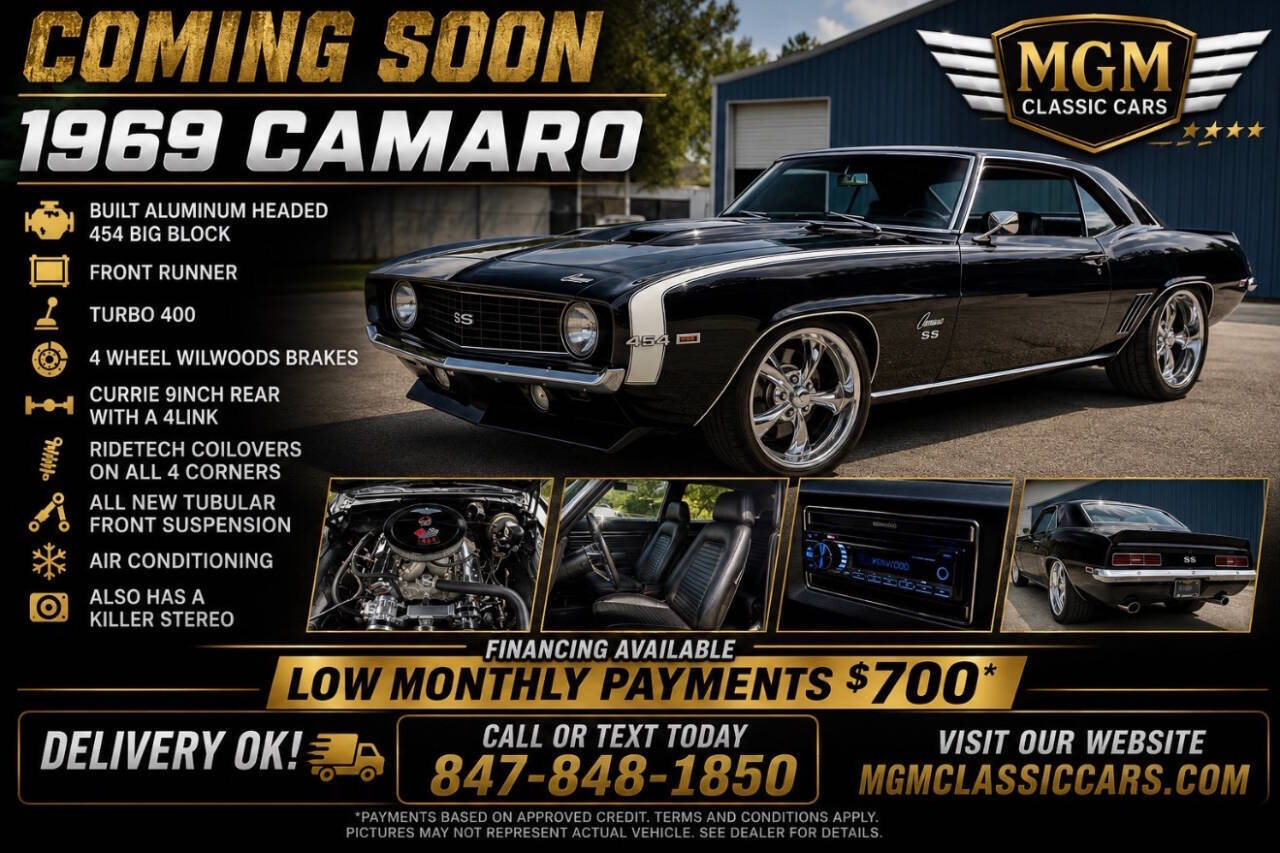
The Super Sport, coded RPO Z27, was the performance package. It required a V8, brought a specific hood with simulated air intakes, sport suspension, a special steering wheel, and SS badging. The SS could be had with the 350 cubic inch small-block making 295 horsepower, or with the 396 big-block in either 325 or 375 horsepower form. The 375 horsepower L78 version of the 396 was a serious piece of hardware that did not pretend to be a touring car.
The two packages could be combined: an RS/SS Camaro got the hidden headlights and the performance hardware together. This combination sold well and is often what people picture when they think of a classic first-year Camaro. Buyers could also take the RS package on a six-cylinder car, which gave the exterior appearance without the performance, a choice that frustrated some purists but made practical sense for buyers who wanted the look on a budget.
The Z/28: a homologation car from day one
Most buyers in 1967 never heard of the Z/28. Chevrolet did not advertise it. It did not appear in showroom literature. It existed because the Sports Car Club of America's Trans-American Sedan Championship required a minimum number of street-legal cars to be built with whatever engine configuration a manufacturer wanted to race, and Chevrolet wanted to race a car with a specific small-block that fit under the series' 305 cubic inch displacement limit.
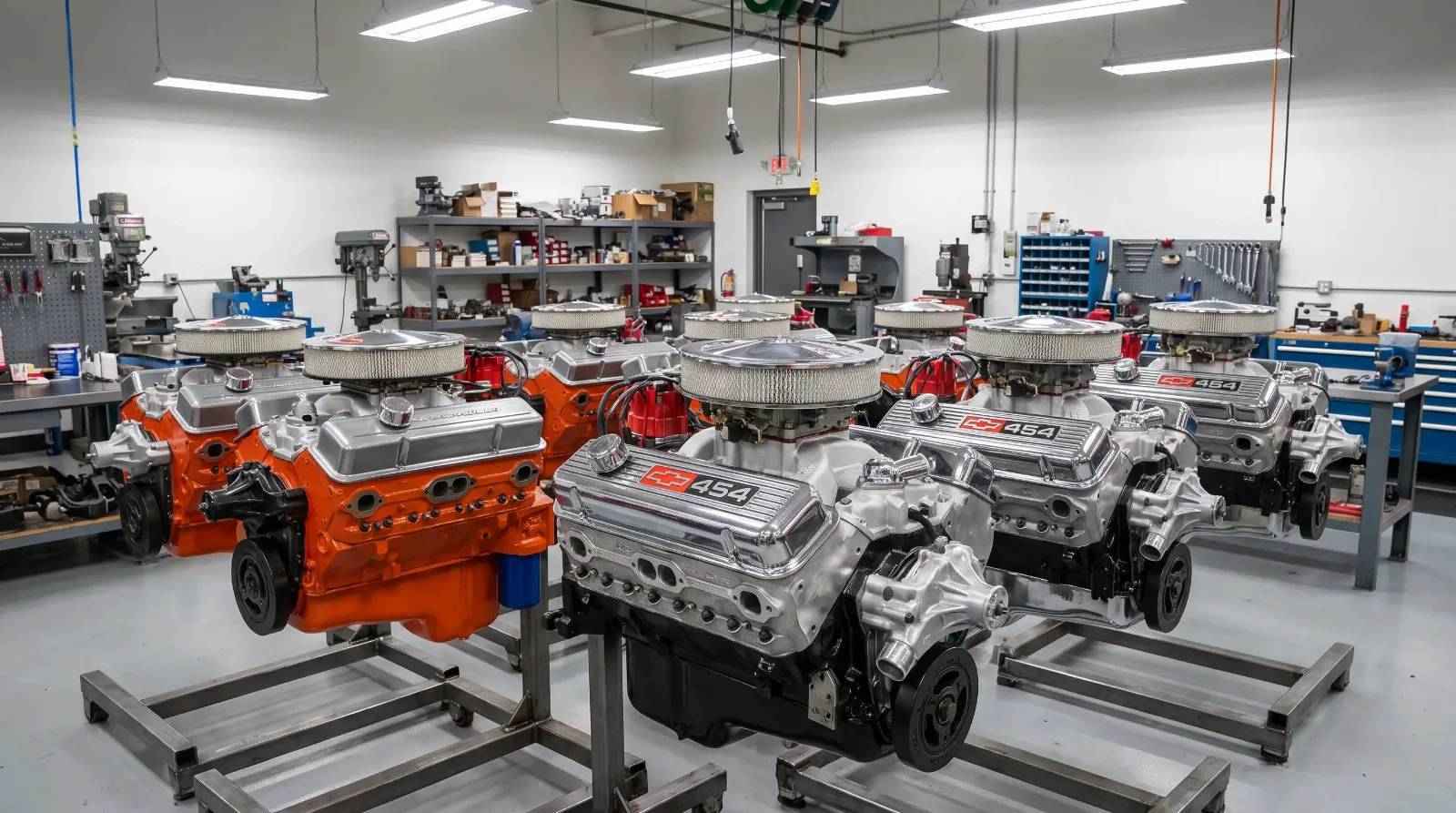
The solution was a 302 cubic inch engine built by using a 327 block with a 283 crankshaft, arriving at 302.4 cubic inches. The engine used a solid-lifter camshaft, a large Holley carburetor, and an aluminum intake. Chevrolet rated it at 290 horsepower, a figure that was widely understood at the time to be conservative. The Z/28 option package added front disc brakes, a close-ratio four-speed transmission, and a pair of body stripes. The price over a base Sport Coupe was around $358.
Chevrolet built approximately 602 Z/28s for the 1967 model year. These were not road cars that doubled as track cars. They were track cars that happened to be street legal, and the distinction showed in how they drove. The solid-lifter 302 needed to rev to make power, the suspension was tuned for cornering rather than comfort, and the whole package rewarded the kind of driver who knew what it was for. For those buyers, 1967 Camaros for sale today that carry verified Z/28 documentation are a different category of car from anything else offered that year.
"The Z/28 was never meant to be discovered in a showroom. It was built to satisfy a rulebook, and the people who found it in 1967 were the ones already deep enough in racing to know the rulebook existed."
— Patrick Walsh
How the 1967 compares to the 1968
The question comes up often enough to deserve a direct answer. Mechanically, the two cars are close. The 1968 brought the Astro Ventilation system that eliminated the vent windows, a revised front end and grille, different taillights, and some interior revisions. (Note: the first-generation Camaro used a one-piece full-width front bumper across all three years; the distinctive split front bumper belongs to the 1970-1973 second-generation Rally Sport, not the 1967.) From a performance standpoint, the engine options were broadly similar, though the 1968 Z/28 is often easier to find with proper documentation because production increased to around 7,199 cars.
The reason collectors care about the distinction comes down to originality and scarcity. The 1967 was a first-year car, built in smaller numbers, with features that were changed immediately afterward. The vent windows alone separate it visually from every Camaro that followed. For a buyer who wants the original specification, the 1967 is the only choice. For a buyer who wants the best driver, the two years are close enough that condition and documentation matter more than the model year digit.
| Feature | 1967 Camaro | 1968 Camaro |
|---|---|---|
| Door glass | Vent windows (triangular pivot pane) | No vent windows (Astro Ventilation) |
| Front bumper | One-piece full-width bumper | One-piece full-width bumper, revised grille |
| Taillights | Three-section horizontal arrangement | Revised layout, slightly different lens shape |
| Z/28 production | Approx. 602 | Approx. 7,199 |
| Indianapolis Pace Car | Yes (convertible) | No |
Why the first year still matters
The 1967 Camaro was not a refined product. It was a launch-year car built under competitive pressure, with Chevrolet trying to cover as many market segments as possible at the same time. Some things worked better than they would on later cars, and some things were obviously changed the next year for good reasons. That tension is part of what makes the 1967 interesting. It shows you what Chevrolet thought the Camaro needed to be, before the market had a chance to respond.
The RS hidden-headlight system is a good example. It was elegant in theory and occasionally troublesome in practice, with the vacuum-operated doors sometimes failing to open completely. Chevrolet kept refining the system, but the 1967 version is the first attempt, and the mechanism is complex enough that a fully functional example is worth noting when you find one. The Z/28's solid-lifter 302 is another case: a purpose-built racing engine dropped into a street car with minimal concession to daily usability. Later Z/28 engines were more livable. The 1967 is the purest version of what the car was supposed to be before the market asked for something easier to drive.
For anyone researching where the Camaro fits in the collector car world, reading the full Camaro story puts the first year in context. The 1967 did not exist in isolation. It was the opening move in a product story that ran through six generations, and every argument about what a Camaro should be traces back to the choices Chevrolet made in this first year.
Sources and notes
Production figures, engine specifications, codes, and dates in this article are cross-referenced from established Camaro references, period documentation, and owner registries. Where sources differ, the most commonly cited value is used. Cost figures are indicative and vary by supplier, region, and condition.