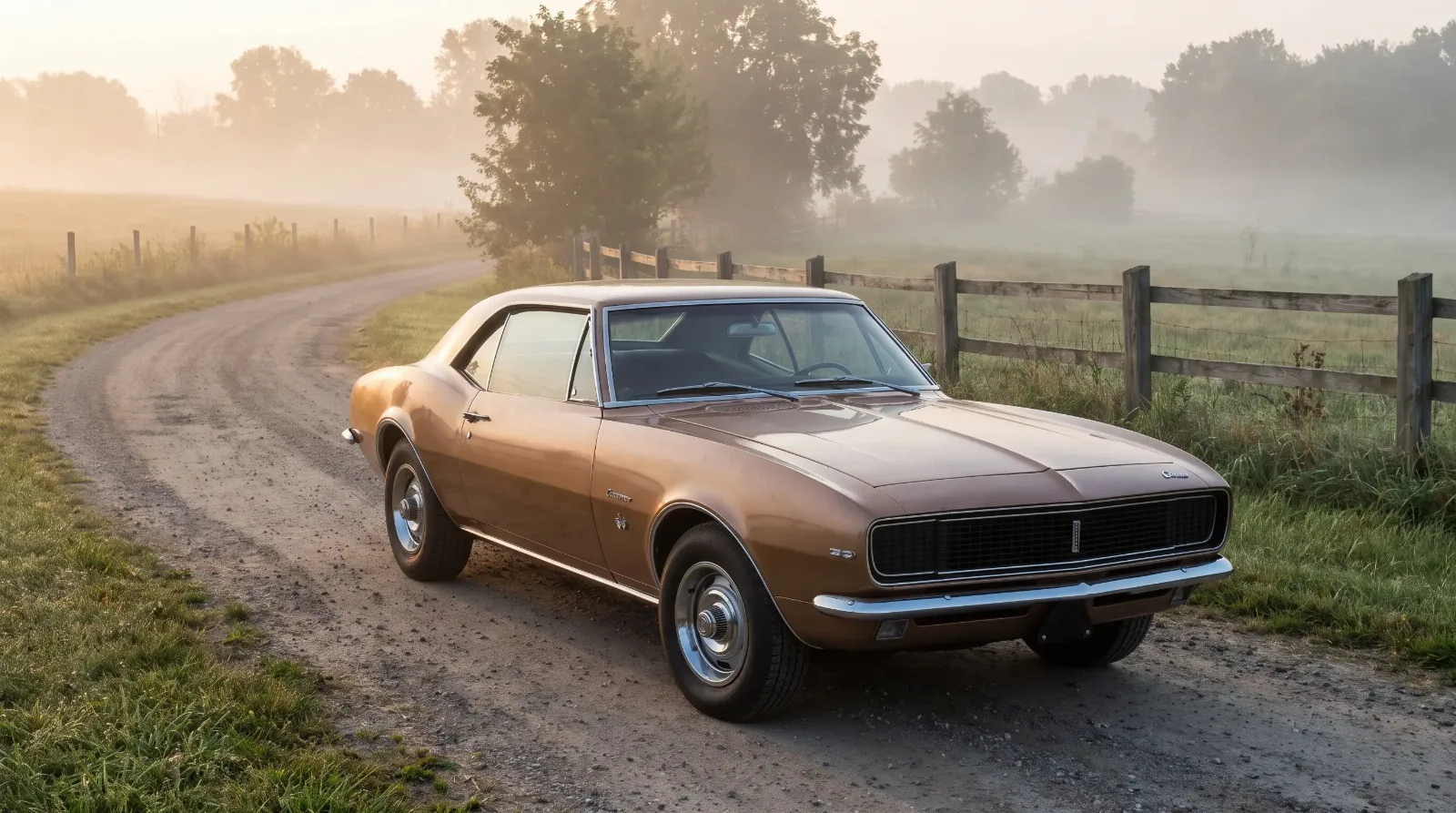
Chevrolet spent most of 1965 telling reporters it had no interest in building a sporty compact. There was no answer to the Ford Mustang in the works, the company said, nothing to see here. Then in June 1966 it gathered the automotive press onto a conference call, introduced a car nobody outside Detroit had heard of, and the classic Camaro was suddenly real. Somebody asked what a Camaro even was. The famous answer came back: a small, vicious animal that eats Mustangs.
That is the whole personality of the car in one line. The Camaro arrived late, arrived angry, and arrived with something to prove. Chevrolet sold roughly 220,000 of them in that first 1967 model year, and it has been chasing and defining the American pony car ever since. But here is the thing most people miss: the classic Camaro is not one car. It is fifteen model years of them, from the 1967 original to the last of the second-generation cars in 1981, and each one has its own argument to make. This is the story of how all of them fit together.
Why Chevrolet built the Camaro
The Mustang caught General Motors flat-footed. Ford launched it in April 1964 and sold a million in under two years, and Chevrolet had nothing on the lot that could answer it. The Corvair was rear-engined and headed for trouble. The Chevy II was honest transportation. Neither one made a nineteen-year-old's pulse move. GM needed a front-engine, rear-drive coupe with a long hood and a short deck, and it needed it fast.
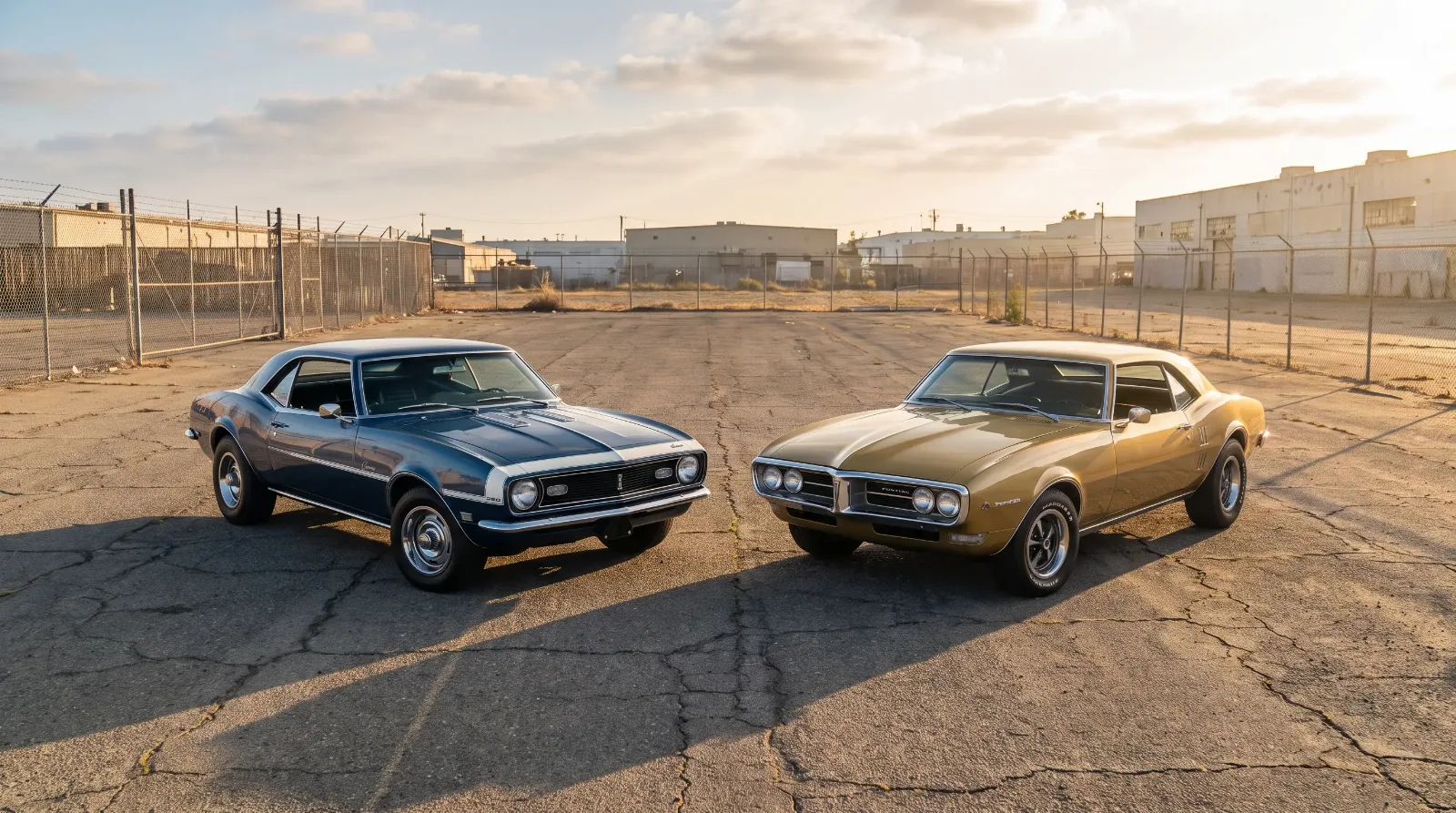
The project ran under the codename Panther while it was secret. The platform that came out of it was the F-body, a unibody shell with a bolt-on front subframe carrying the engine and front suspension, and Chevrolet shared it with Pontiac, whose version became the Firebird. That subframe matters more than it sounds. It is cheap to build, it isolates the cabin from engine vibration, and decades later it is the thing that makes these cars so easy to modify. The Camaro was engineered to be ordered a thousand different ways, and that flexibility is half of why we are still talking about it.
The first generation, 1967 to 1969: the shape that started it all
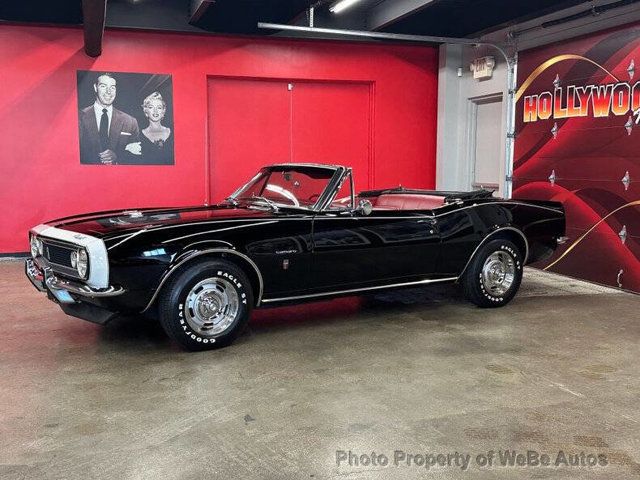
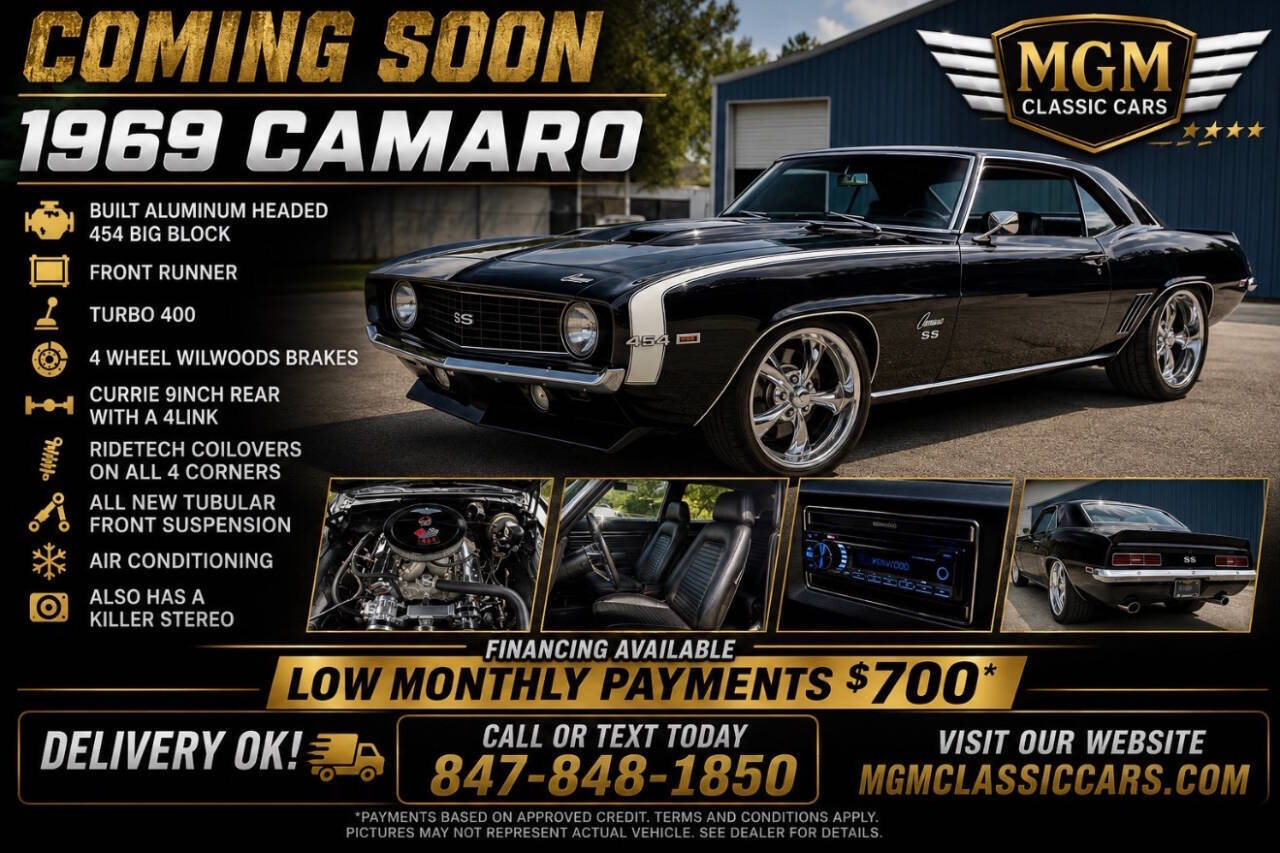
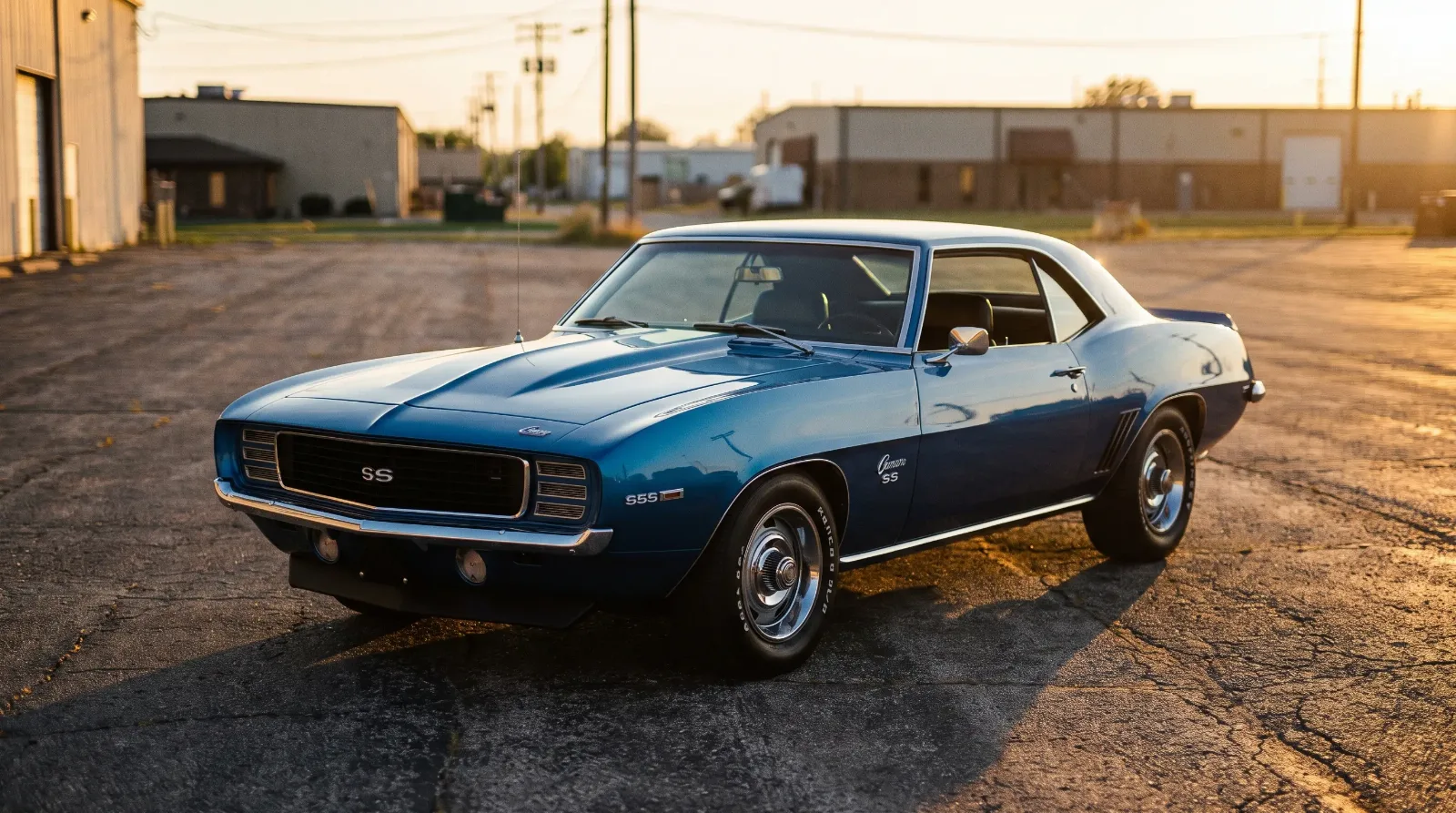
The 1967, 1968 and 1969 cars are where the legend lives, and they are easy to tell apart once you know the tells. The 1967 has vent windows in the doors and the cleanest, roundest version of the body. The 1968 dropped the vent windows and added side marker lights to meet new federal rules. The 1969 got the major restyle, with the creased fender lines and the wider, meaner stance, and it is the one most people picture when they hear the word Camaro.
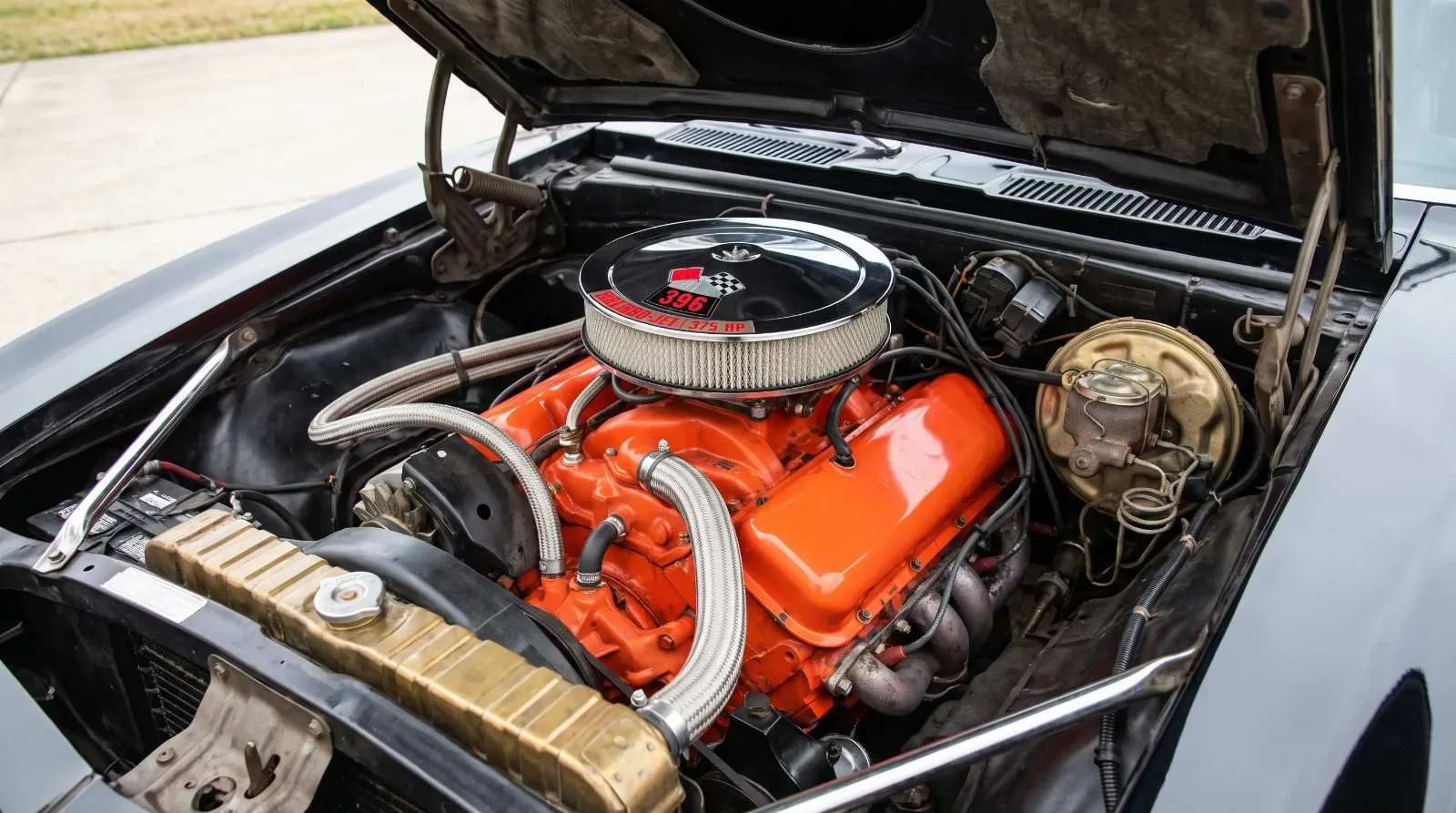
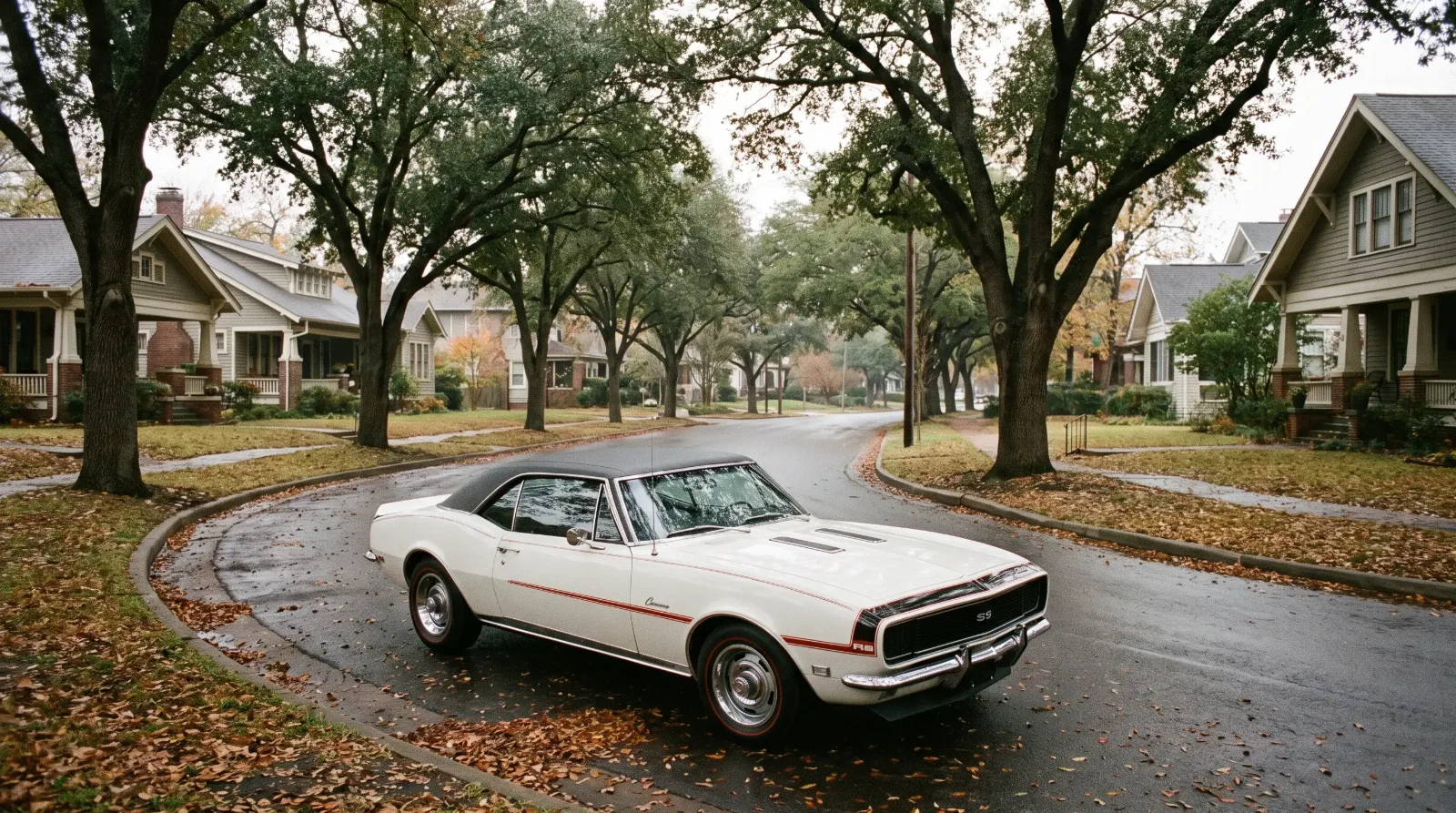
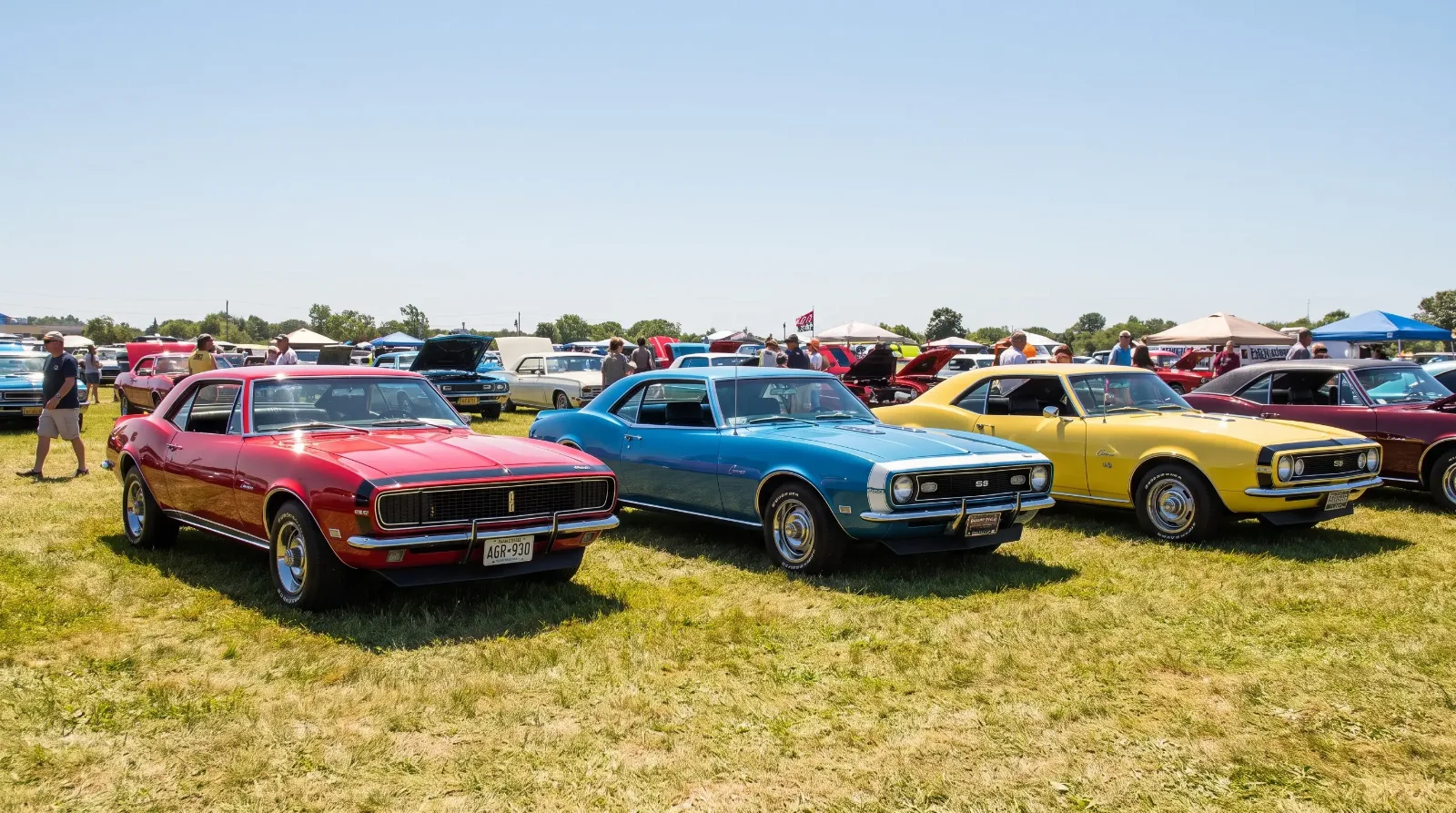
From the start you could dress the car two ways that still drive the market. The Rally Sport, or RS, was an appearance package built around hidden headlights and trim. The Super Sport, the SS, was the performance package, with a bigger engine and the right badges. You could order both together, which is why an RS/SS car is a specific and desirable thing rather than a contradiction. The full account of these three years, year by year, sits in the first-generation story, and if you want to see what survivors actually trade for, the first-generation Camaros for sale tell you more than any price guide.
| Generation | Years | Signature engines | Notable variants |
|---|---|---|---|
| First | 1967-1969 | 302, 350, 396, COPO 427 | RS, SS, Z/28, COPO, Yenko |
| Second (early) | 1970-1973 | 350, 396/402, LT-1 | SS, Z/28, split-bumper RS |
| Second (late) | 1974-1981 | 305, 350 | Z/28 (returned 1977), Type LT |
Performance legends: SS, Z/28 and the COPO 427 monsters
If the first generation is the icon, the performance cars are why. Three names do most of the work here, and they came from three completely different ideas about what a fast Camaro should be.
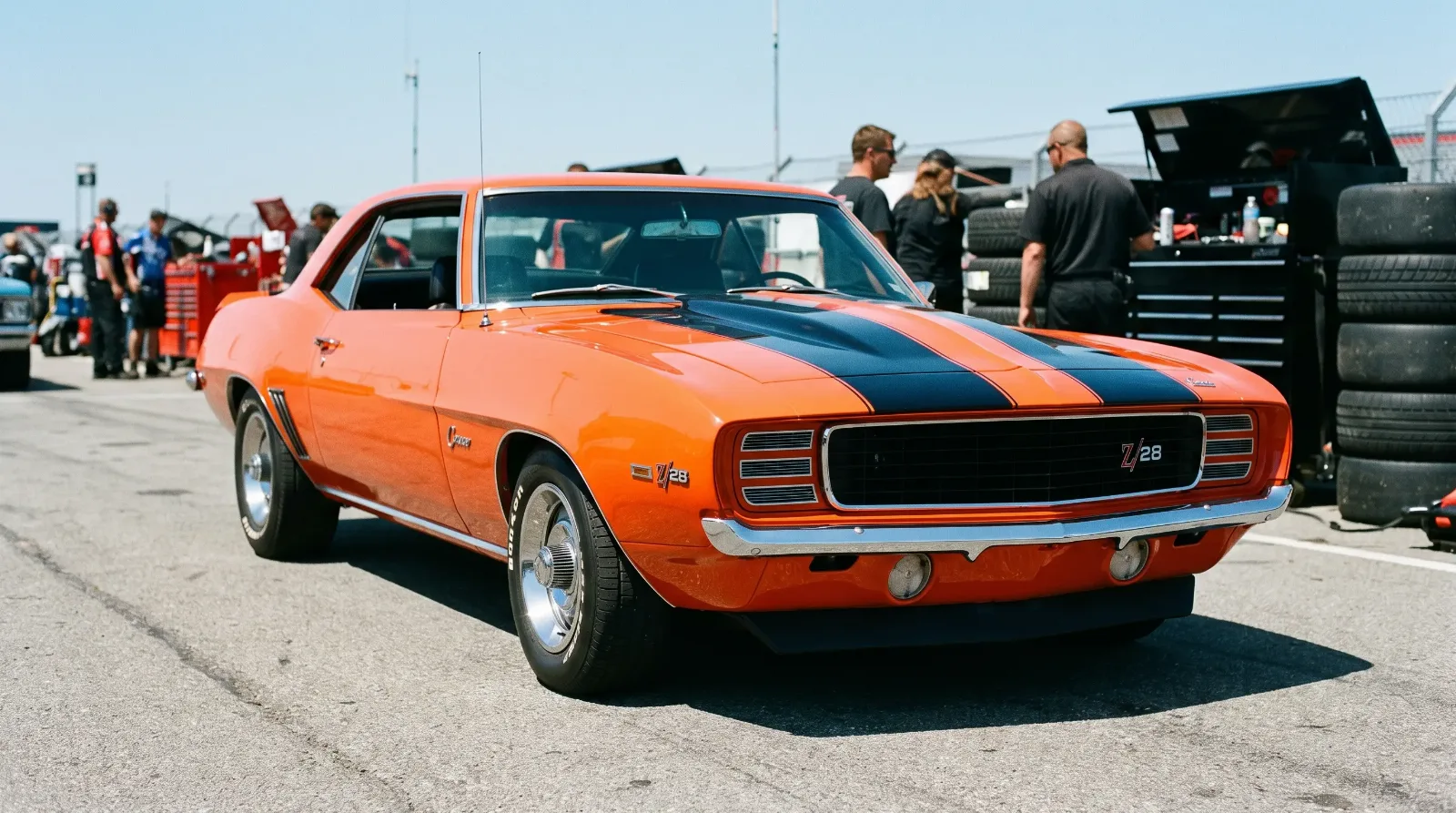
The Z/28 was the road-racer. Chevrolet built it to qualify the Camaro for the Trans-Am series, which capped engine size at 305 cubic inches, so the engineers stuffed a 302 small-block under the hood by combining a 327 block with a 283 crankshaft. It was advertised at 290 horsepower, a number nobody who has driven one believes, because the engine made its real power high in the rev range where the rule book could not see it. The Z/28 was never the easiest Camaro to live with. It was the one that handled.
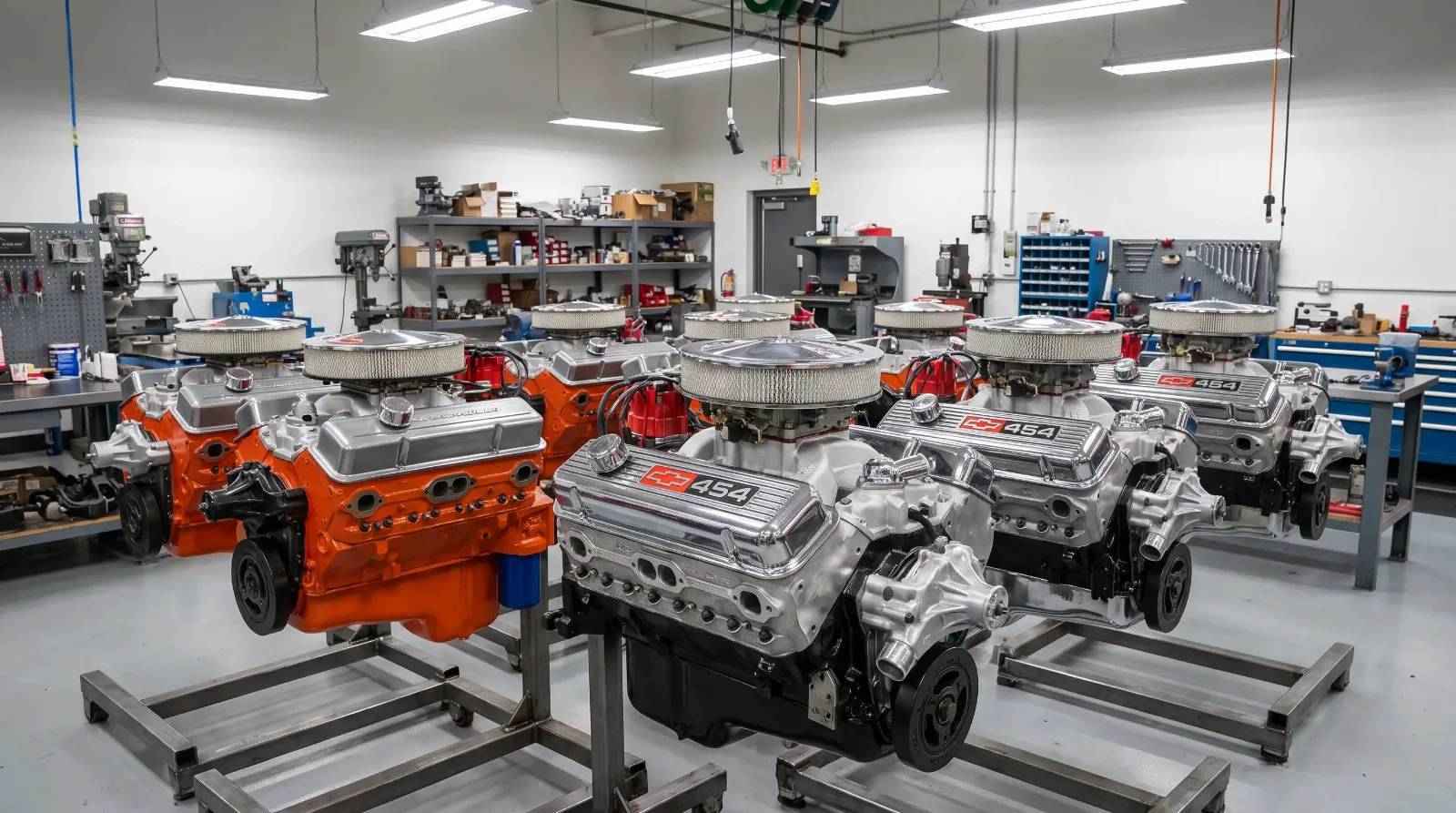
The SS was the muscle car in the traditional sense. SS 350 cars were strong and streetable; SS 396 cars, with the big-block, were the ones that emptied stoplights. And then there were the cars Chevrolet was not really supposed to sell. Using the Central Office Production Order system, a back door meant for fleet orders, dealers ordered Camaros with the 427 big-block that the regular options list would not allow. The wildest of them used the all-aluminum ZL1 racing engine, of which only around 69 were built, and Don Yenko's dealership turned its own batch of 427 cars into the Yenko Super Camaros. The whole tangled, brilliant scheme is laid out in the Z/28, SS and COPO legends, and the survivors that come up for sale now sit at the very top of the market, which you can watch on the classic Camaro Z/28s for sale.
"People ask me which first-gen Camaro is the best one, and I always answer the same way. The 1969 is the icon, the 1967 is the purist's car, and the right answer is whichever one you saw in a driveway when you were fifteen."
— Patrick Walsh
The second generation and the long 1970s
The car that replaced the original in February 1970 is, to a lot of people, the better-looking Camaro, and they have a case. The 1970½ body was lower and more European in its proportions, with a long fastback roofline and, on the early Rally Sport cars, the much-loved split front bumper that frames the grille. For three or four years it was a genuine muscle car, with the 396 still available and the sharp LT-1 350 in the Z/28.
Then the decade happened. Tightening emissions rules, rising insurance costs and the fuel crises squeezed the life out of horsepower across the whole industry, and the Camaro felt all of it. The Z/28 disappeared after 1974 and did not return until 1977. Compression dropped, power figures fell, and the cars got softer. None of that is a reason to write off the late second-generation cars, though. They are the value entry point into the classic Camaro today, they look the part, and a mild build wakes them right back up. For a lot of first-time buyers, a 1970s second-gen car is the smart way in.
The Camaro on track and in the culture
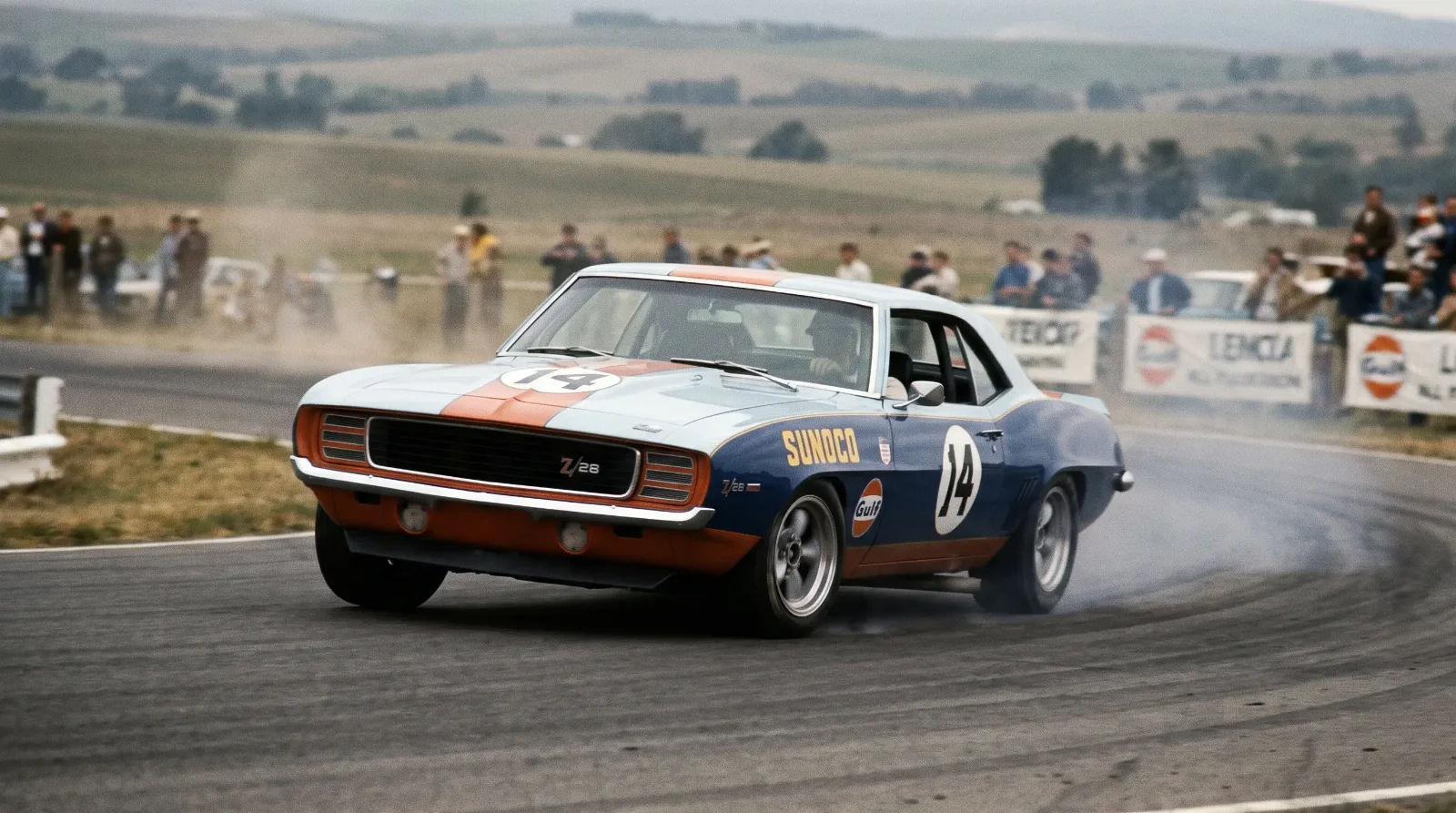
The Camaro earned its reputation in two places at once, and both of them mattered. On the track, the Trans-Am series turned the Z/28 into a winner. Roger Penske's team, with Mark Donohue driving the blue Sunoco cars, made the Camaro the car to beat in 1968 and 1969, and that racing pedigree is exactly what homologation rules were designed to put on the street. The full account of the Camaro's competition career, from Trans-Am to the drag strip, lives in the Camaro's racing history.
Off the track, the Camaro became a kind of cultural shorthand. It is the car in the movie, the car in the music video, the car parked outside the diner in every story about a certain kind of American freedom. A whole generation met the Camaro through a yellow first-generation car on a movie screen long before they could name the year. That side of the car, the one that has nothing to do with horsepower and everything to do with what the car means, is its own story in the Camaro on screen and in music.
Owning and restoring a classic Camaro today
Here is where the romance meets the checkbook. The classic Camaro market rewards two things above all: originality and documentation. A numbers-matching car with its build paperwork is worth real money over a clone, even a beautifully built clone, and the gap is widest at the top of the range with the SS and Z/28 cars. So before anything else, learn to read a car's identity, the trim tag and the engine stampings, because the difference between a genuine SS and a tribute is the difference between two very different prices.
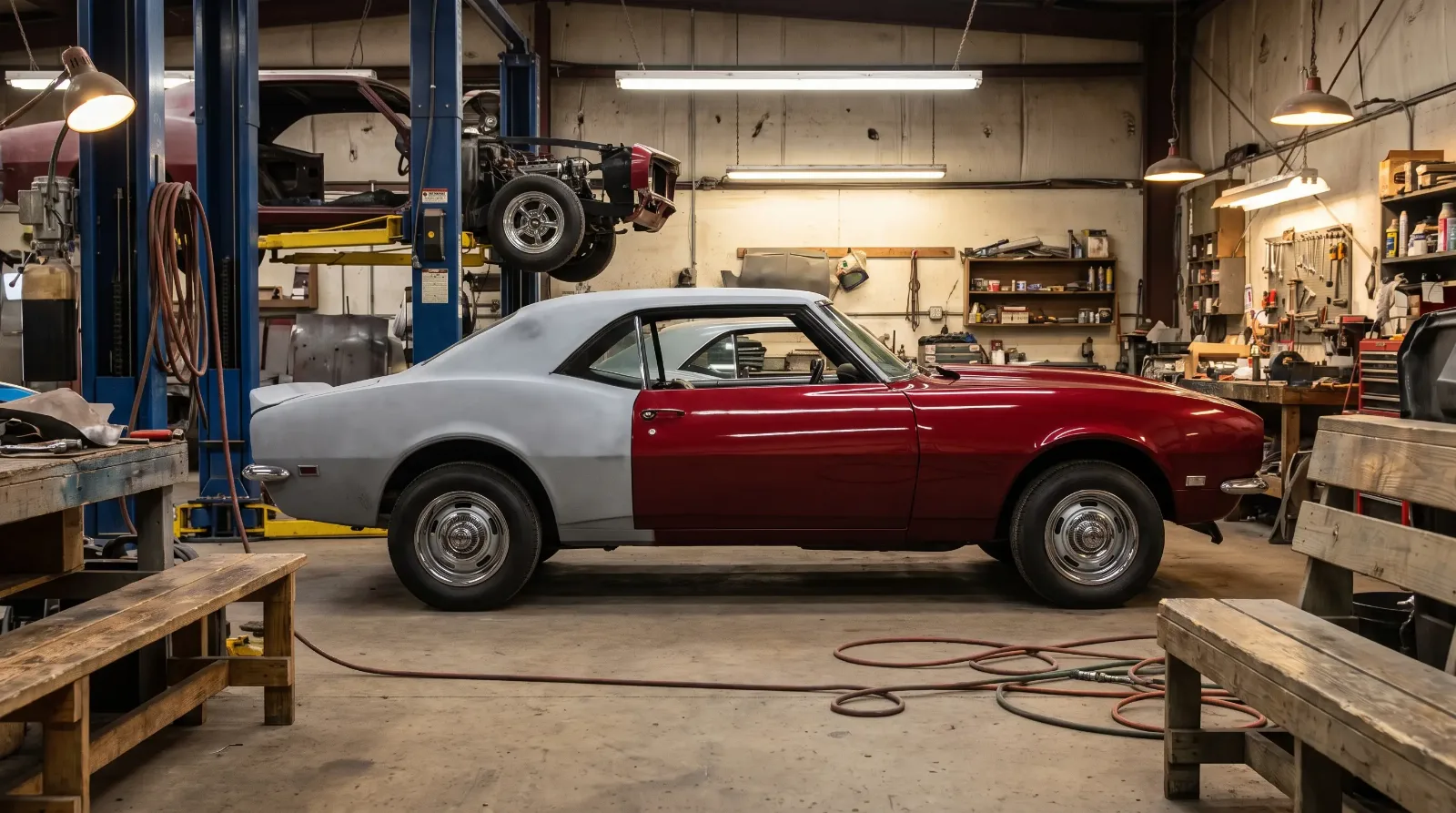
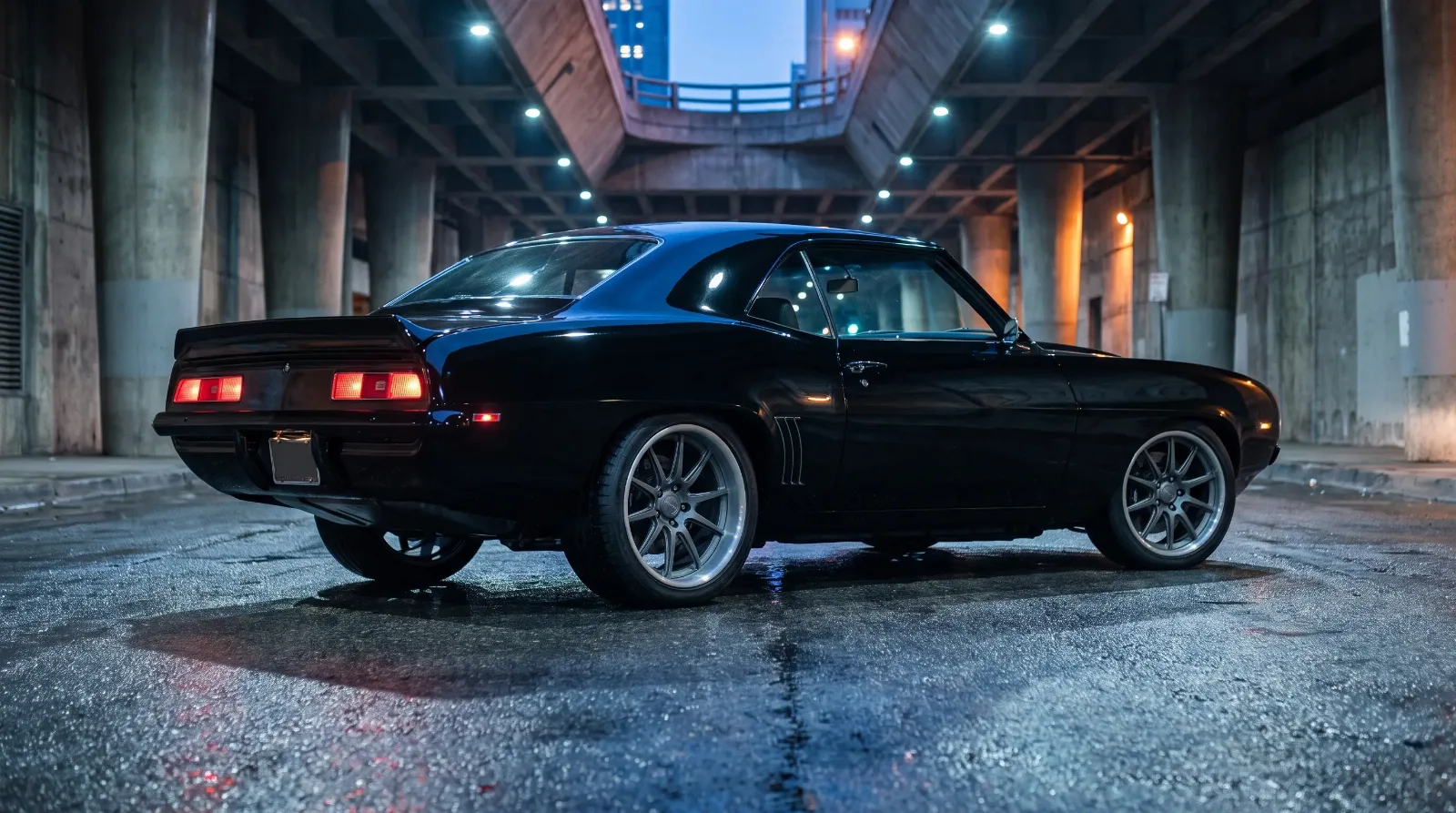
From there the road forks. You can chase a correct restoration, which means hunting the right parts and getting the details period-correct, and that path is covered in restoring a classic Camaro. Or you can build a restomod, keeping the classic shape but putting modern brakes, suspension and a fuel-injected engine underneath, which is the approach in restomod and pro-touring builds. Neither one is wrong. They are answers to different questions about what you want from the car.
🔧 Inspection Priorities
- Trim tag and VIN against the options. An SS or Z/28 badge means nothing without the codes to back it. Mismatches turn a six-figure car into a driver.
- Floors, trunk and frame rails. These cars rust from the bottom up. Lift the carpet and probe the rails before you fall in love.
- Engine stampings. Numbers-matching is the whole ballgame on the valuable cars. Verify before you pay the premium.
Which classic Camaro is right for you
So which one should you actually buy? It comes down to what you want the car to do. If you want the icon and you have the budget, the first-generation cars, especially a 1969, are the bullseye, and the documented SS and Z/28 examples are the blue-chip end of the hobby. If you want the same era for less money and you are happy with a small-block, a clean SS 350 or a base coupe gives you most of the feeling. And if your budget is real-world, the second-generation cars are honestly the smartest entry into the whole thing.
"The best classic Camaro is the one you will actually drive. I have watched too many people buy the trailer queen they were afraid to start. Buy the one you can take to breakfast on Sunday."
— Patrick Walsh
Whichever way you lean, the honest move is to spend an afternoon looking at what is really out there before you set a number in your head. You can browse classic Camaros for sale across every generation and variant, and seeing the spread of conditions and prices in one place does more to calibrate your expectations than any guide can.
The car Chevy did not want to build
That is the quiet joke at the center of all of this. Chevrolet spent two years insisting it had no plans for a Mustang fighter, then built the car it is now most identified with. The classic Camaro outlived the denials, outlived the malaise years, and became the thing every later Camaro had to live up to. Start with the generation that speaks to you, learn to read the cars before you buy one, and the rest of this silo, from the performance legends to the restoration realities, is here to walk you the rest of the way.
Sources and notes
Production figures, engine specifications, codes, and dates in this article are cross-referenced from established Camaro references, period documentation, and owner registries. Where sources differ, the most commonly cited value is used. Cost figures are indicative and vary by supplier, region, and condition.
- Chevrolet Camaro (first generation) - Wikipedia
- CRG Research Report - The First-Generation Camaro Z28 (Camaro Research Group)
- CRG Research Report - COPO 427 Camaros (Camaro Research Group)
- 1967-2002 Camaro Production Numbers: First-Gen to Fourth-Gen (Classic Industries)
- When the Penske/Sunoco Trans Am Camaros were in action (Hagerty)
- Ford Mustang (first generation) - Wikipedia