Why the differences matter beyond trivia
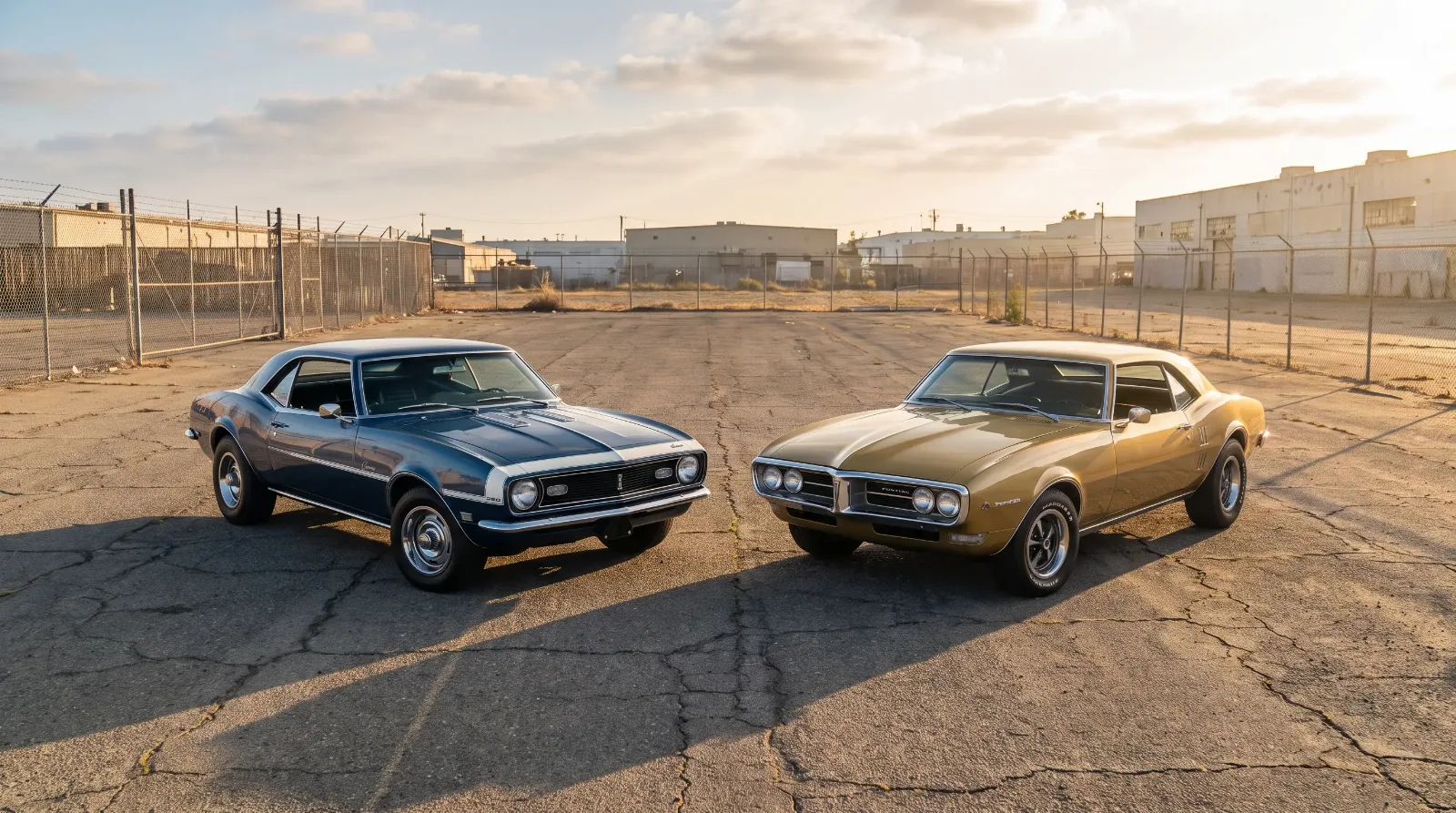
From a distance, a 1967, 1968, and 1969 Camaro all look like the same car. They share the same 108-inch wheelbase, the same basic fastback roofline, and the same fundamental proportions. But buyers, restorers, and auction-goers need to know the distinctions because they affect value, parts sourcing, insurance classification, and authenticity points at shows. A 1967 RS with its hidden headlights carries different documentation requirements than a 1969 COPO. The differences are real, and they are documented in GM engineering records and Fisher Body trim guides.
This breakdown covers the production-year changes that you can verify by eye and by VIN. For broader context on the generation as a whole, the first-generation Camaro history covers what unified these three years into a single arc.
The 1967 Camaro: the founding year
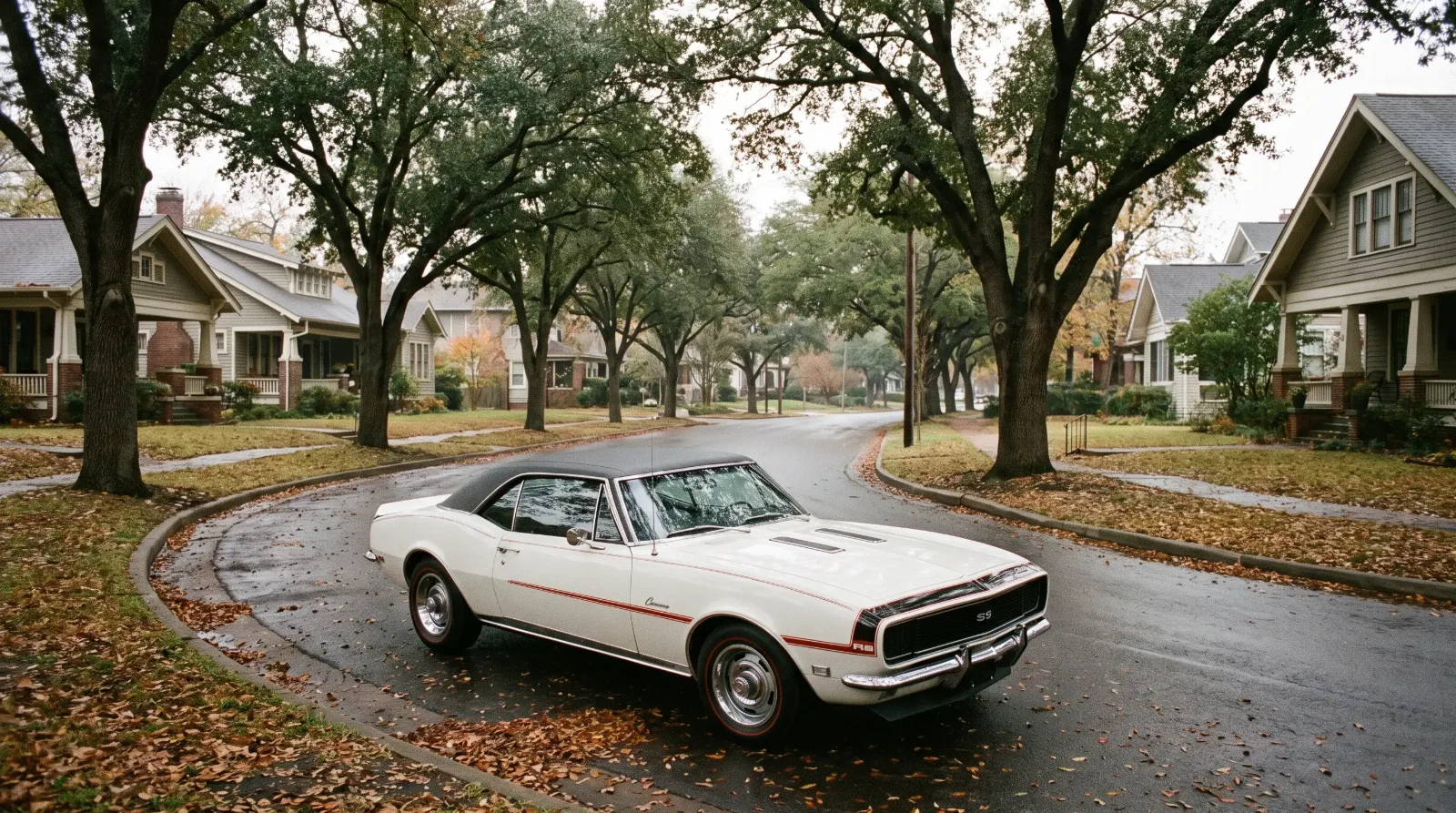
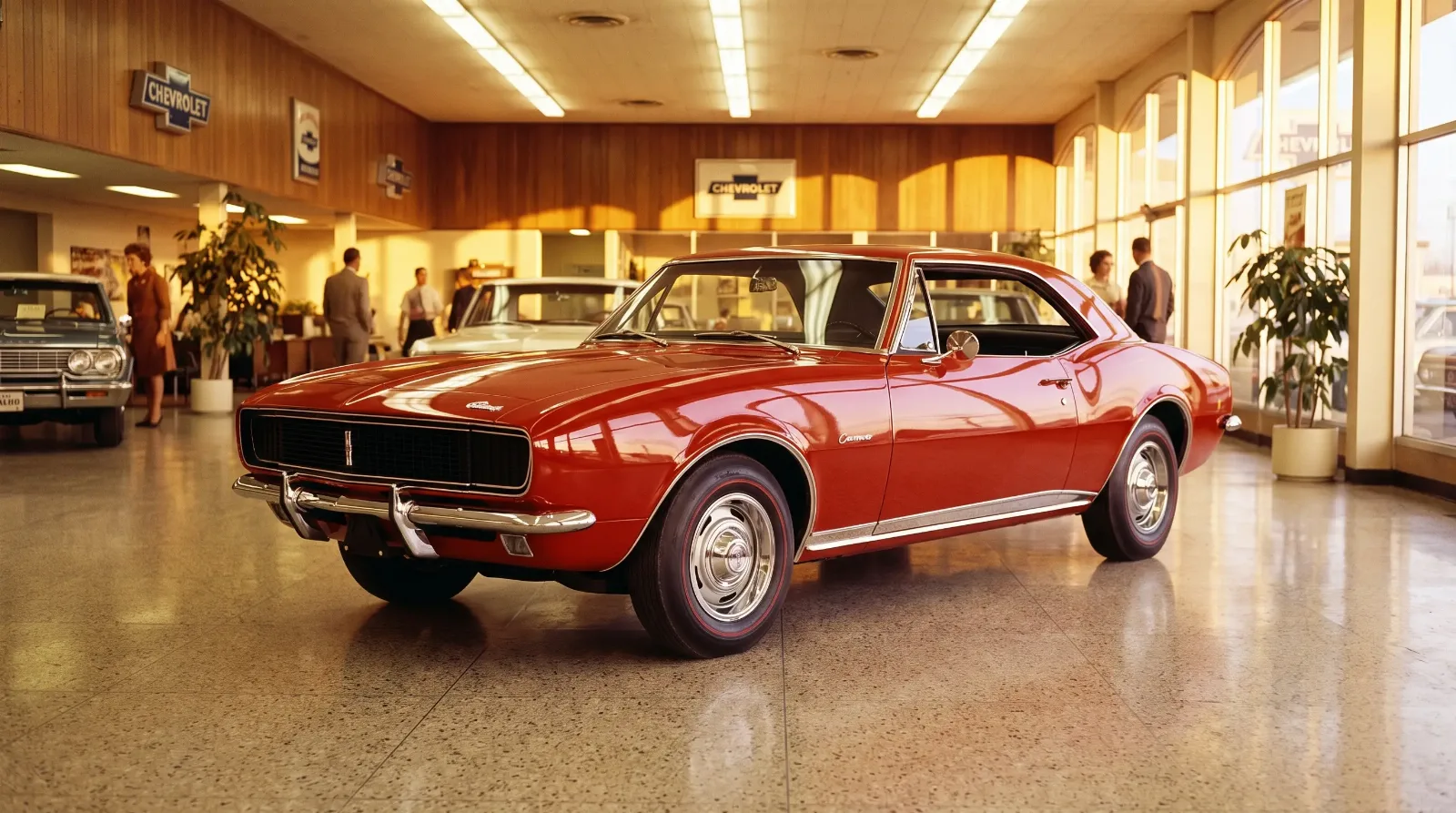
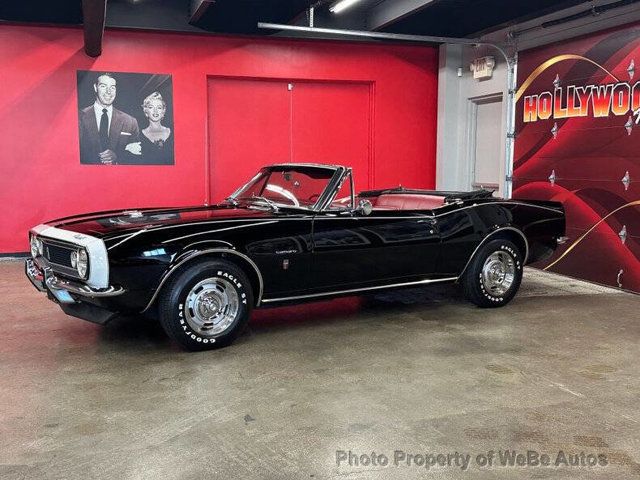
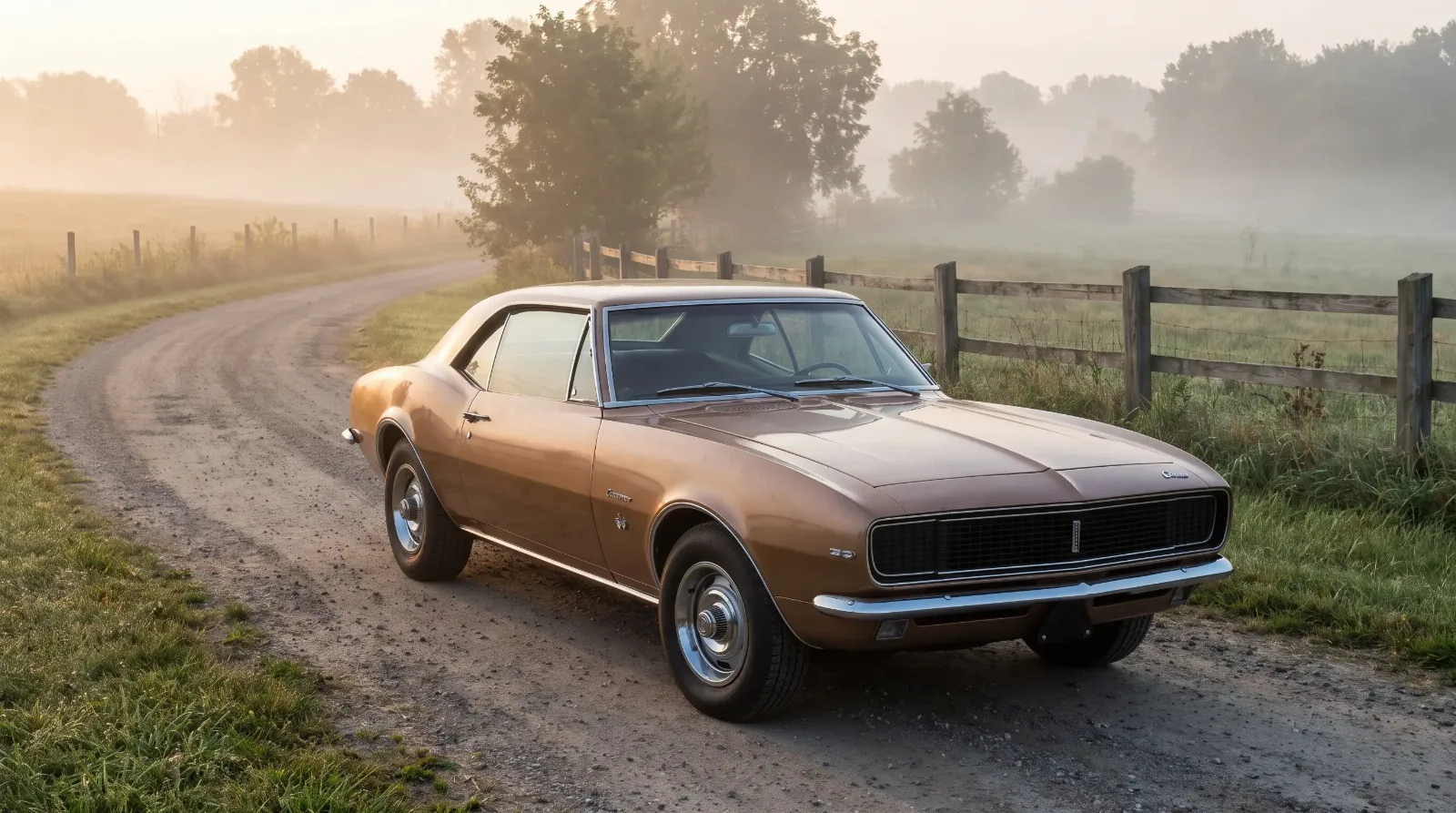
The 1967 model launched on September 29, 1966, and carried several features that were unique to that first year. The most immediately obvious visual tell is the vent windows on the front doors -- small triangular panes that pivoted open for ventilation. These appeared only on 1967 coupes and convertibles. Federal safety regulations eliminated them for 1968 in favor of flow-through ventilation.
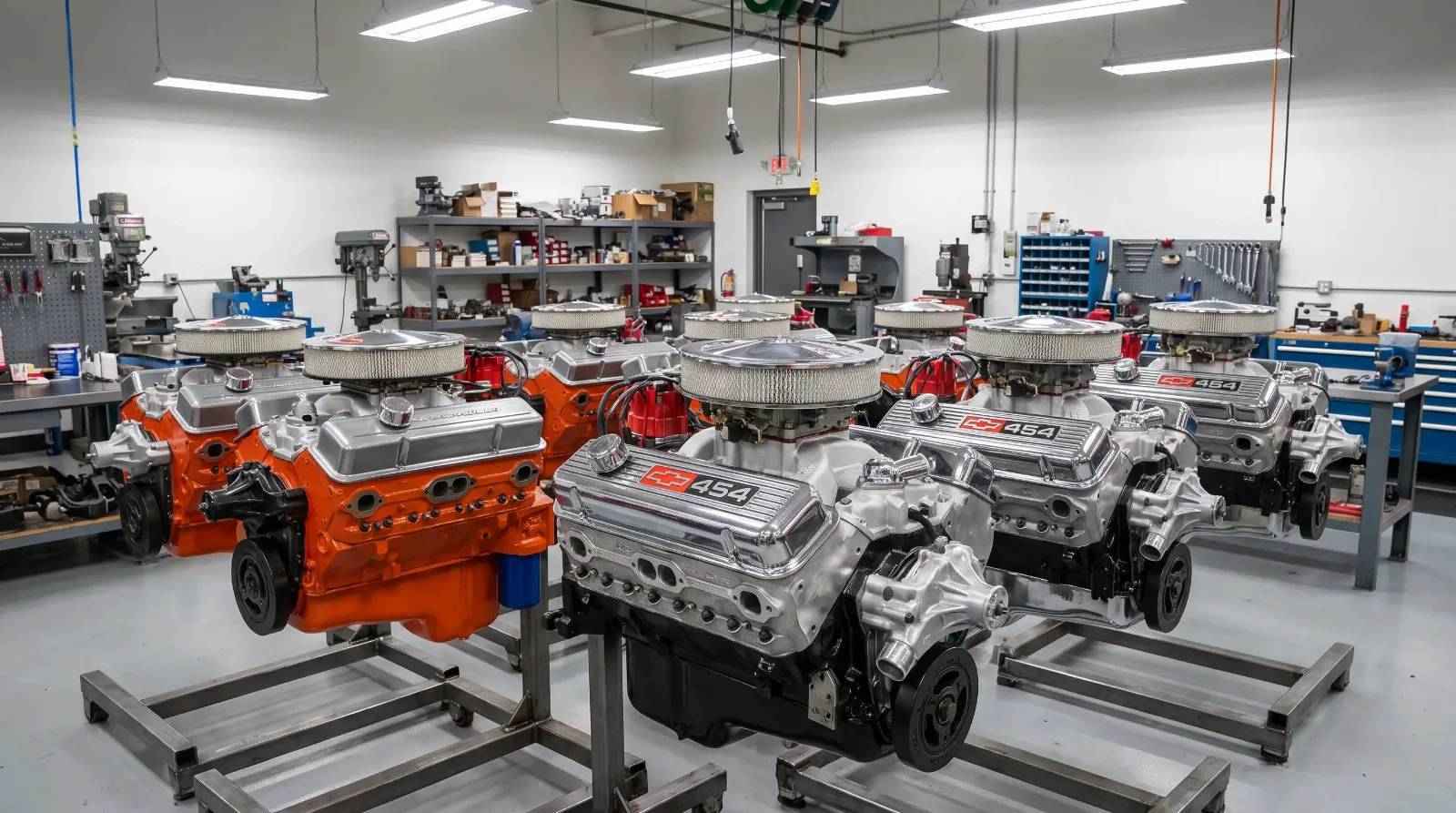
The 1967 grille is a simple horizontal bar design with thin horizontal dividers. The turn signals sit in the front valance panel below the bumper rather than integrated into the grille surround. Taillights run as a horizontal strip across the full rear panel with a distinctive flat, rectangular shape. Under the hood, the 1967 engine lineup ran from the base 230-cubic-inch L22 inline-six (140 hp) through V8 options including the 210-hp 327 (L30), the 275-hp 327 (L79), and the 295-hp 350 (L48) for SS models. The big-block 396 arrived as the L35 (325 hp) and L78 (375 hp).
| Year | Front Vent Windows | Side Marker Lights | Steering Column Lock | Notable Engine Add |
|---|---|---|---|---|
| 1967 | Yes | No | No | Z/28 (302 ci) mid-year |
| 1968 | No | Yes (federal mandate) | No | L89 aluminum heads for SS396 |
| 1969 | No | Yes | Yes (federal mandate) | COPO 427, ZL1 427 |
The 1968 Camaro: federal mandates reshape the details
The 1968 model year brought the most federally driven changes of the three years. Side marker lights became mandatory under Federal Motor Vehicle Safety Standard 108, and Chevrolet integrated them into the front and rear body panels -- amber up front, red at the rear. The vent windows disappeared, replaced by a revised door glass that used a single pane. The dashboard received padding updates to meet FMVSS 201 interior impact standards.
The 1968 grille is the easiest visual distinguisher from the 1967. It features a more complex horizontal bar pattern with a wider center divider, and the RS (Rally Sport) package for 1968 used a distinctive blacked-out grille with concealed headlights behind vacuum-operated doors. Engine news for 1968 included the introduction of the L89 option for the SS396 -- aluminum cylinder heads on the 375-hp 396 that reduced weight by approximately 75 pounds. This option was expensive and rare -- only 272 L89-equipped Camaros were built for 1968 -- and surviving L89 cars command significant premiums today. The Z/28 continued with its 302-cubic-inch V8 and added a front spoiler as standard equipment for the first time.
The 1969 Camaro: a complete restyle on the same bones
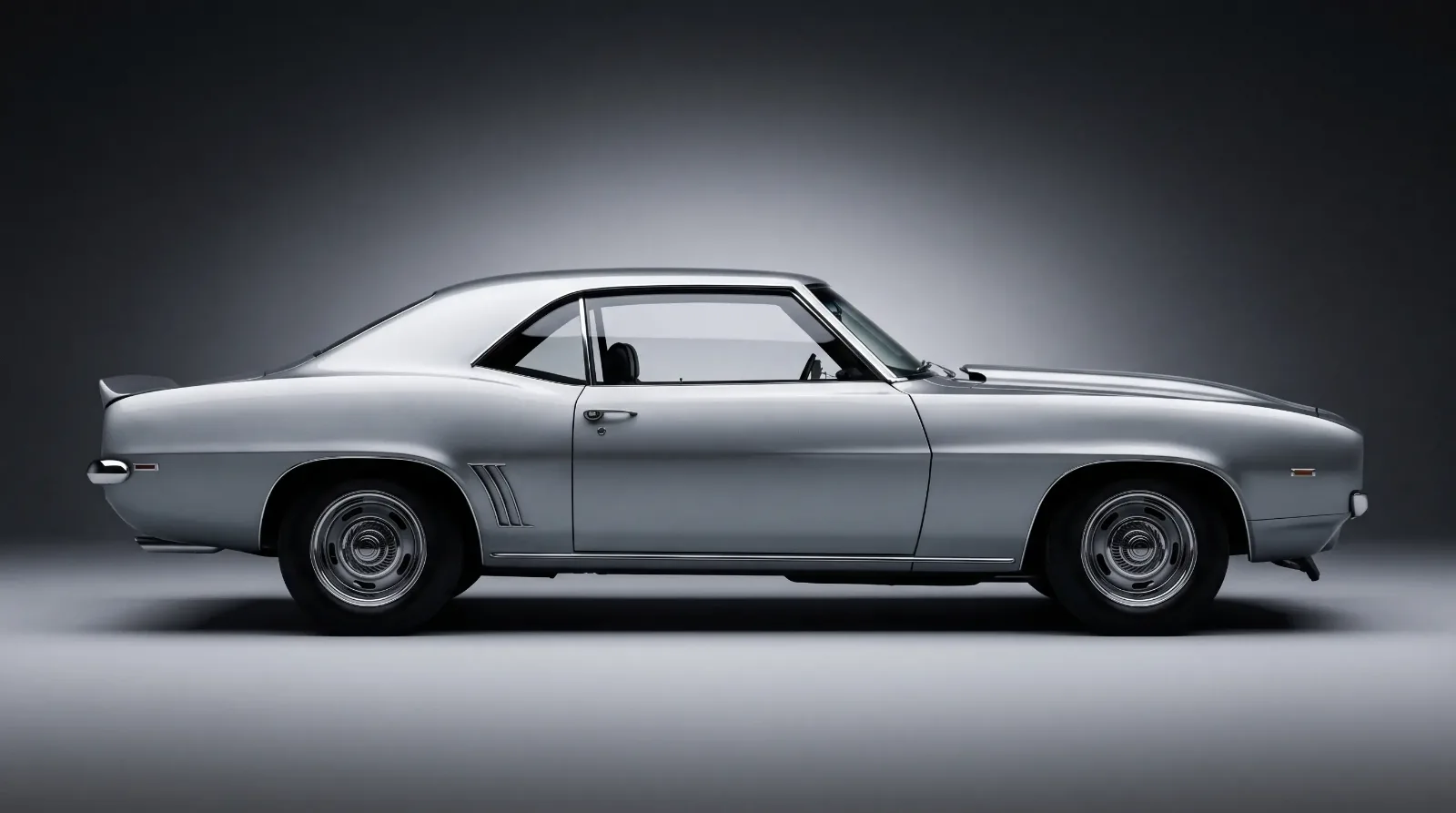
The 1969 model is the most visually distinctive of the three years despite sharing the identical wheelbase and basic structure. Chevrolet restyled the body extensively: the front end received a wider, lower grille opening with a more aggressive horizontal bar pattern and reshaped bumper. The hood gained twin power-dome bulges on V8 and SS cars. Body character lines were sharper and more muscular, with a pronounced crease running along the lower door and quarter panel.
Rear styling changed significantly. The 1969 taillights are divided into four separate rectangular units rather than the continuous strip of 1967-68. This is the single fastest visual identifier for a 1969 from the rear. The RS package for 1969 used a unique split bumper front end. Federally mandated steering column locks appeared for 1969. Engine options expanded dramatically: the COPO system allowed dealers to order L72 427-cubic-inch V8s (425 hp). The most extreme version was the ZL1 -- an all-aluminum 427 factory-rated at 430 hp -- a figure widely considered understated, as period dyno testing pointed to roughly 500 or more horsepower in stock form -- that weighed approximately 100 pounds less than the iron-block 427.
"The body number stamp on the cowl tag tells you which Fisher Body plant built the shell. Cross that against the VIN plant code and you can quickly spot a car that has been re-VINed or assembled from mismatched components -- a real concern in the high-dollar 1969 COPO market."
-- Tom Ramirez
Quick reference for buyers and show judges
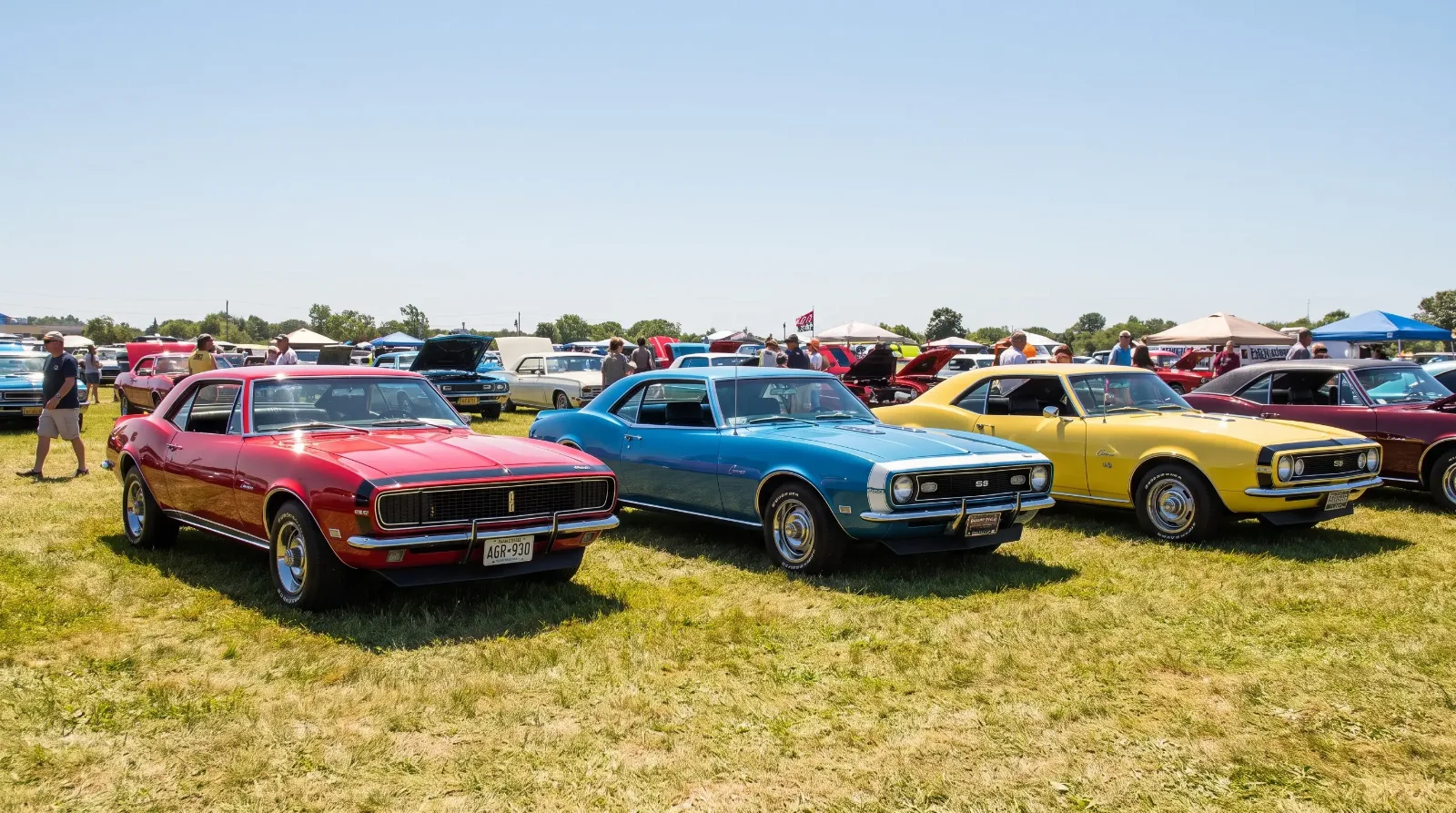
When you approach an unknown first-gen, use this sequence: check for vent windows (1967 only), check for side markers (1968-69), count the taillight units (four separate lenses means 1969), and look at the grille pattern. Then pull the cowl tag -- Fisher Body stamped the model year, trim combination, and build date there, and it should agree with the VIN. Discrepancies between the cowl tag and VIN are common on heavily modified cars and should prompt deeper research before any significant purchase.
If you are actively shopping for one of these cars, the Classic Cars Arena first-generation Camaro listings are sorted by year and can help narrow your search. The next article examines the design language behind the car in depth: the coke-bottle design of the first-gen Camaro.
Sources and notes
Production figures, engine specifications, codes, and dates in this article are cross-referenced from established Camaro references, period documentation, and owner registries. Where sources differ, the most commonly cited value is used. Cost figures are indicative and vary by supplier, region, and condition.