Two plants, one pony car
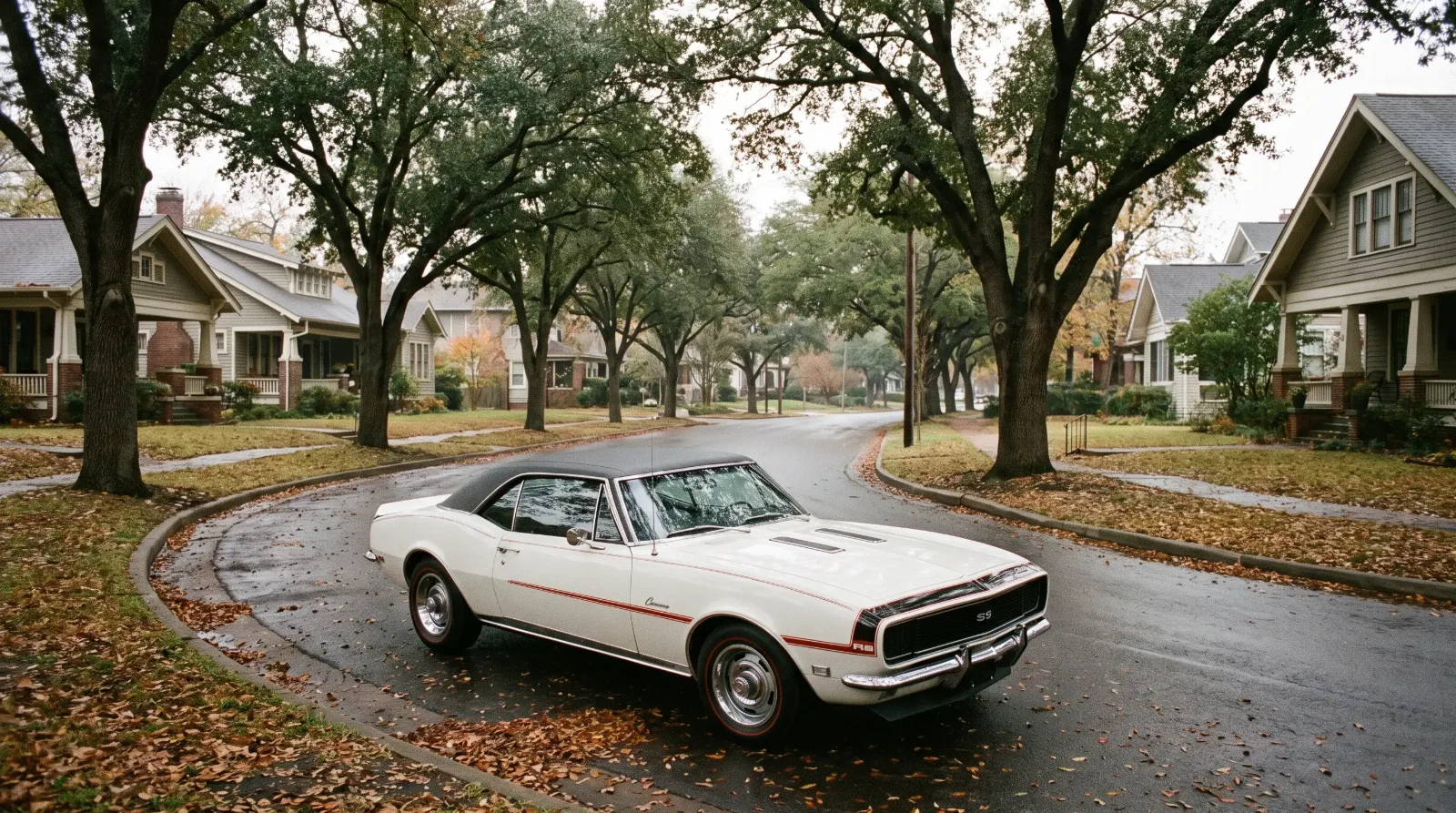
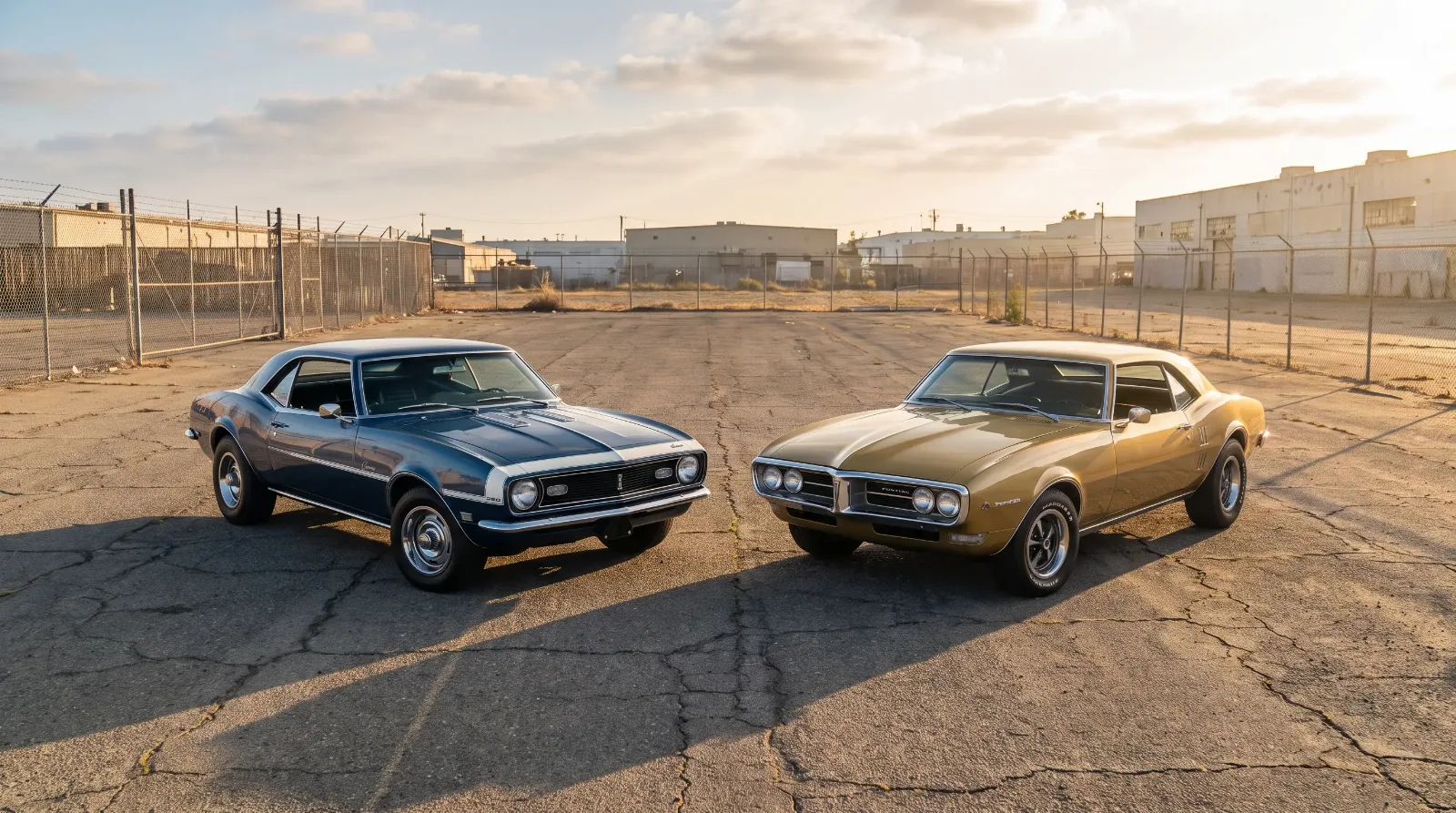
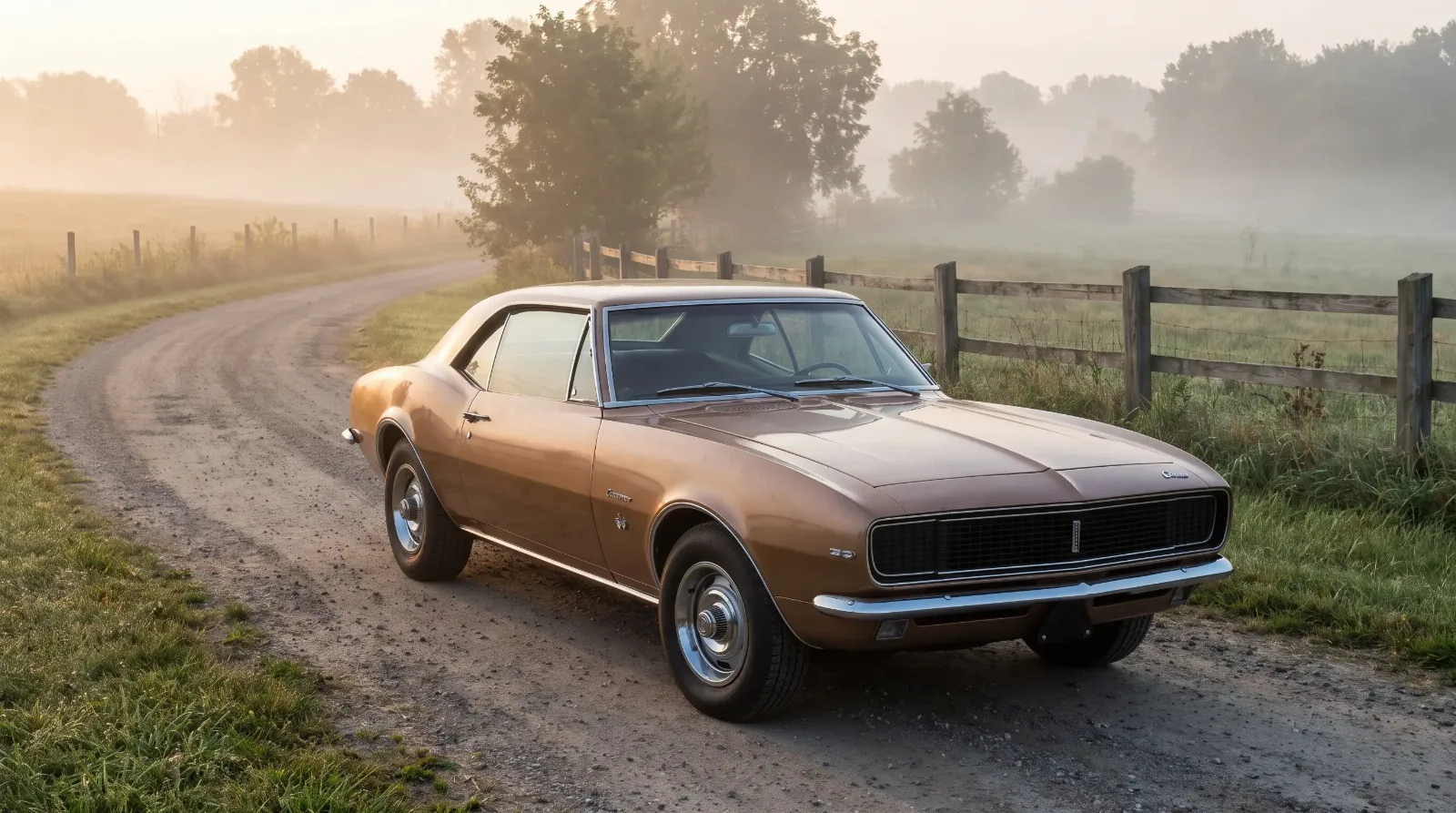
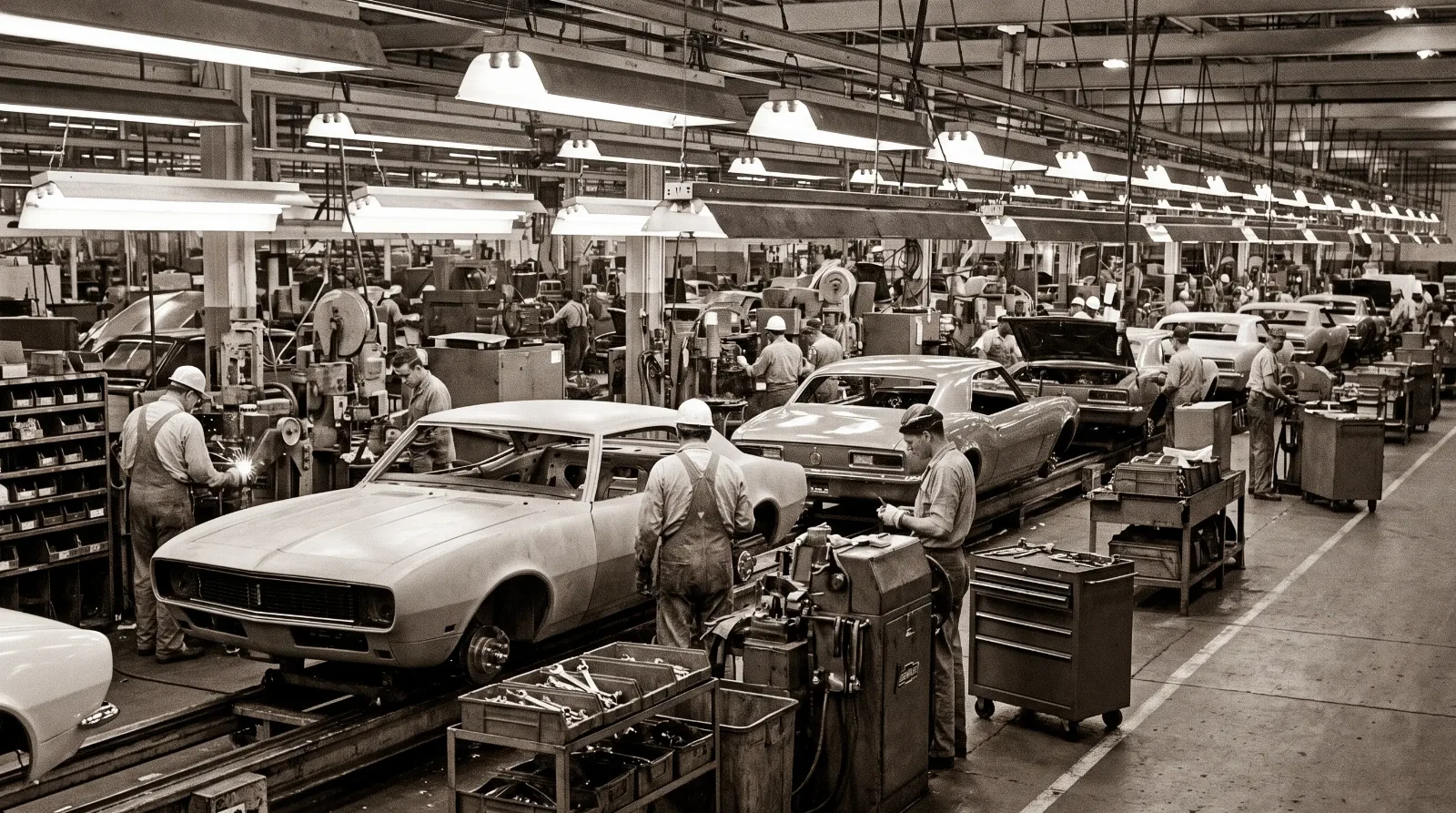
Every first-generation Chevrolet Camaro built between September 1966 and the end of the 1969 model year rolled off one of two final assembly lines: the Norwood Assembly plant in Norwood, Ohio (a suburb of Cincinnati), or the Van Nuys Assembly plant in Van Nuys, California. These were the only two facilities authorized to assemble Camaros during the first generation, and the plant code stamped into every VIN tells you exactly which one built your car.
Understanding where a first-gen Camaro was built is not purely academic. Norwood and Van Nuys cars show measurable differences in certain production details, option availability at the time of build, and even -- according to some long-term collectors -- in the quality consistency of their body gaps and paint application. Neither plant was definitively "better," but the differences are real enough that experienced restorers often specify which plant's car they are looking for when sourcing a project.
For the complete story of how the Camaro program came together, the full Chevrolet Camaro history on Classic Cars Arena covers the broader picture. And the first-generation Camaro overview ties the production context directly to the cars' design and engine evolution.
Reading the VIN: finding the plant code
The first-generation Camaro VIN followed a 13-character format through 1967, shifting to a 17-character format for 1968-69 in compliance with federal standardization requirements. In the 1967 VIN, the eleventh character identifies the assembly plant: "N" for Norwood, "L" for Los Angeles (which in practice meant Van Nuys -- the plant was formally part of the Los Angeles metropolitan area for GM administrative purposes).
In the 1968-69 standardized 17-digit VIN, the assembly plant also occupies position eleven, with the same plant codes. If you have a Camaro without a legible VIN, the partial VIN stamped on the engine side of the firewall and the partial VIN on the engine block pad should agree with each other and with the door jamb VIN plate. Mismatches between these three locations are a red flag for a car that has had its numbers manipulated.
The Norwood plant: Ohio's Camaro factory
Norwood Assembly, formally known as the Norwood, Ohio General Motors Assembly Division (GMAD) plant, was the primary Camaro production site from day one of first-gen production. The plant had been assembling Chevrolets since 1923 and was well-established in the GM production network by the time Camaro tooling arrived in 1966.
Norwood's geographic position in the industrial Midwest gave it advantages in parts sourcing. The major Chevrolet engine plants in Flint, Michigan and Tonawanda, New York were within reasonable freight distance. Fisher Body's stamping and welding operations fed directly into Norwood's assembly sequence. Production throughput at Norwood was generally higher than Van Nuys, and Norwood built the clear majority of first-gen Camaros across all three model years -- commonly estimated at roughly three-quarters or more of total U.S. production, with Van Nuys handling the balance for the western market.
Norwood-built cars are identified not just by the VIN "N" code but by subtle differences in how certain body seams were finished and how some trim pieces were installed. Concours judges who specialize in first-gen Camaros have documented lists of these plant-specific details, though they are beyond the scope of a general buyer's guide.
The Van Nuys plant: building Camaros for the West Coast
Van Nuys Assembly served the western United States market. Shipping completed vehicles by rail from Ohio to California added time and cost that the Van Nuys plant eliminated for West Coast dealers. The plant assembled Camaros alongside other Chevrolet products during this period, which created some scheduling complexity that Norwood -- as a more dedicated Camaro facility by the end of the generation -- did not face to the same degree.
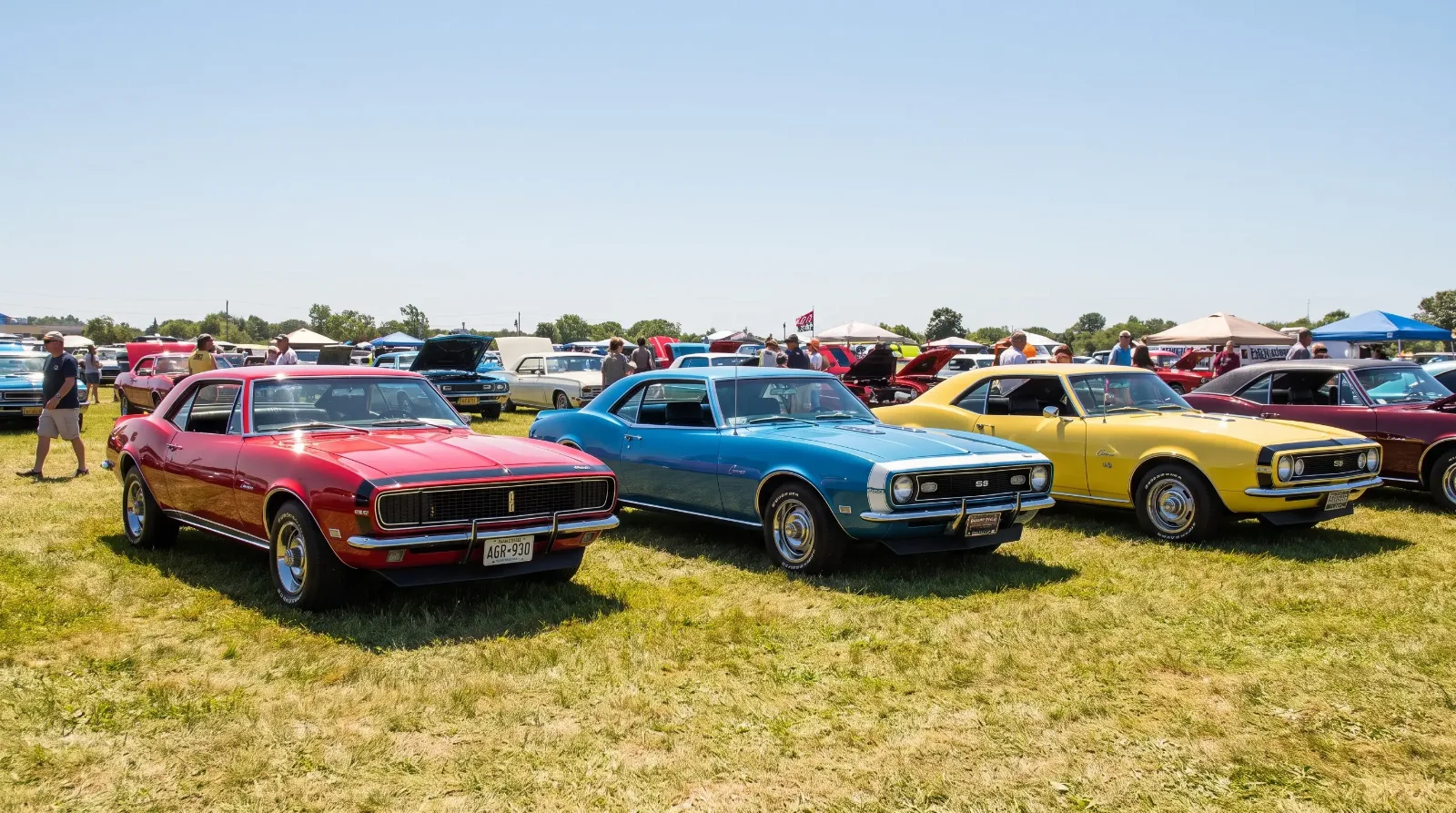
Van Nuys cars show up in greater concentration in the California and Pacific Coast collector market today, partly because West Coast rust rates are lower and partly because regional distribution logic left more of these cars in the area. A well-preserved Van Nuys Camaro is not inherently more or less valuable than a Norwood car of equivalent specification, but regional enthusiasts often develop strong preferences based on familiarity.
"I've documented hundreds of first-gen Camaros at this point, and the honest answer is that both plants built good cars. What you're really looking for is the specific build date in relation to when major specification changes hit the line -- and that applies to both Norwood and Van Nuys equally."
-- Tom Ramirez
Build dates, model year changeovers, and what they mean for your car
Within each model year, Chevrolet issued production change orders (PCOs) that altered specifications on the assembly line at a specific build date. A Camaro built in September 1968 might differ from one built in March 1969 in ways that a simple model-year designation does not capture. The broadcast sheet -- sometimes found tucked inside seat cushions, under carpets, or inside door panels on surviving cars -- listed every option and specification for that specific vehicle as it moved down the line. When a broadcast sheet survives with a car, it is the most authoritative documentation of what the car was when it left the plant.
The assembly plant relationship to build date matters most for high-performance variants. The Z/28 was introduced mid-year 1967 -- the RPO debuted in December 1966 with Z/28 production beginning December 29, 1966, and the first customer deliveries following in January 1967 -- and only some Norwood build slots received them in the first weeks of availability. Similarly, certain COPO orders in 1969 were prioritized at specific plants depending on dealer allocation. Understanding plant and build date together gives the most complete picture of a car's provenance.
Using plant data in the buying process
When evaluating a first-gen Camaro for purchase, confirm plant code agreement across: the door jamb VIN plate, the firewall partial VIN stamp, the engine block pad stamp (should show the last eight digits of the VIN), and the rear axle stamp. A dealer invoice or Protect-O-Plate card (the warranty card issued at sale) showing the full VIN provides additional verification. Third-party VIN decode services maintained by Camaro research organizations can cross-reference production records for many surviving cars, though records are not complete for all units.
The next article examines what was under the hood at both plants: the full first-gen Camaro engine lineup from 1967 to 1969.
Sources and notes
Production figures, engine specifications, codes, and dates in this article are cross-referenced from established Camaro references, period documentation, and owner registries. Where sources differ, the most commonly cited value is used. Cost figures are indicative and vary by supplier, region, and condition.