
How the classic car market prices restomod work
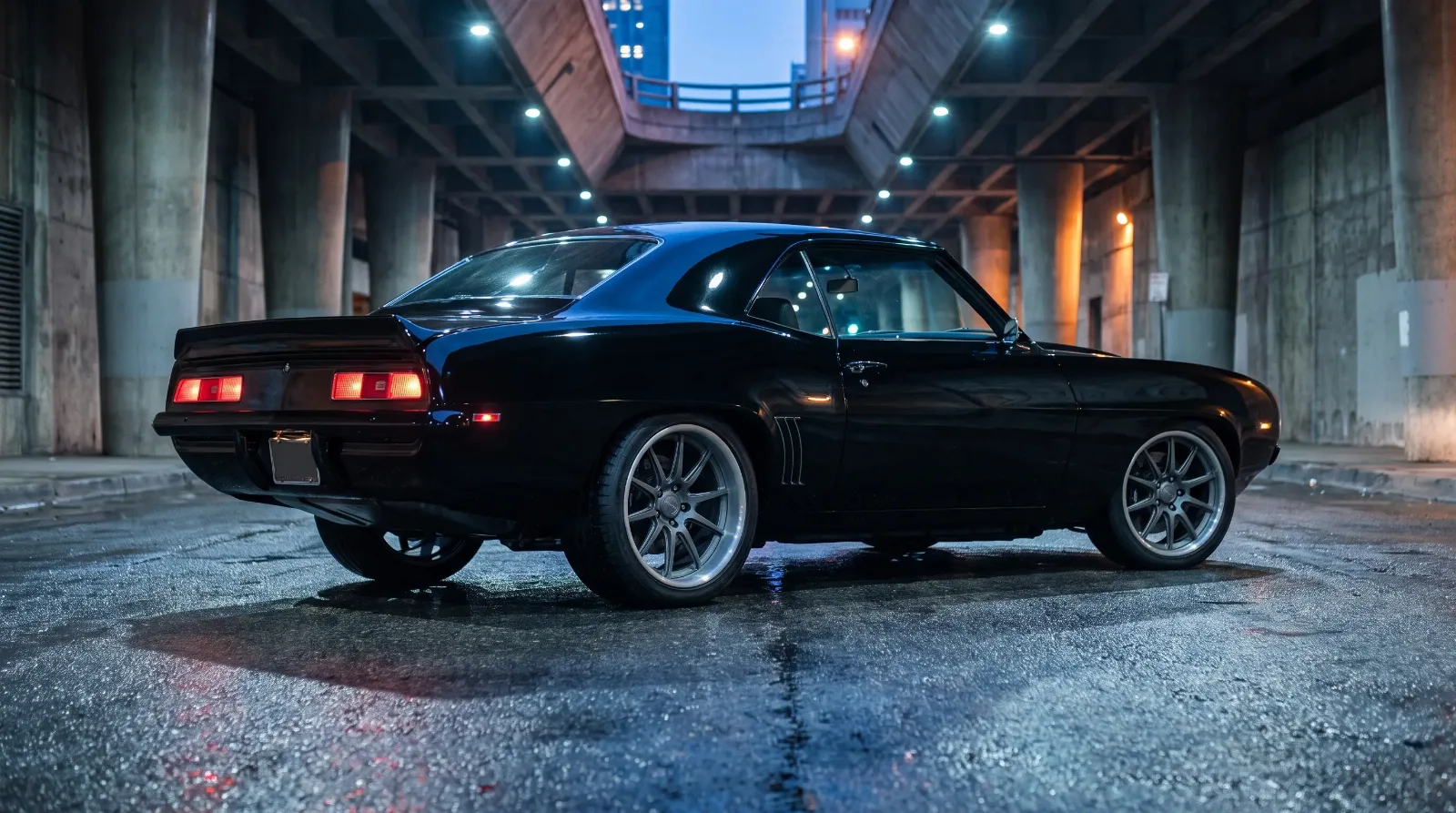
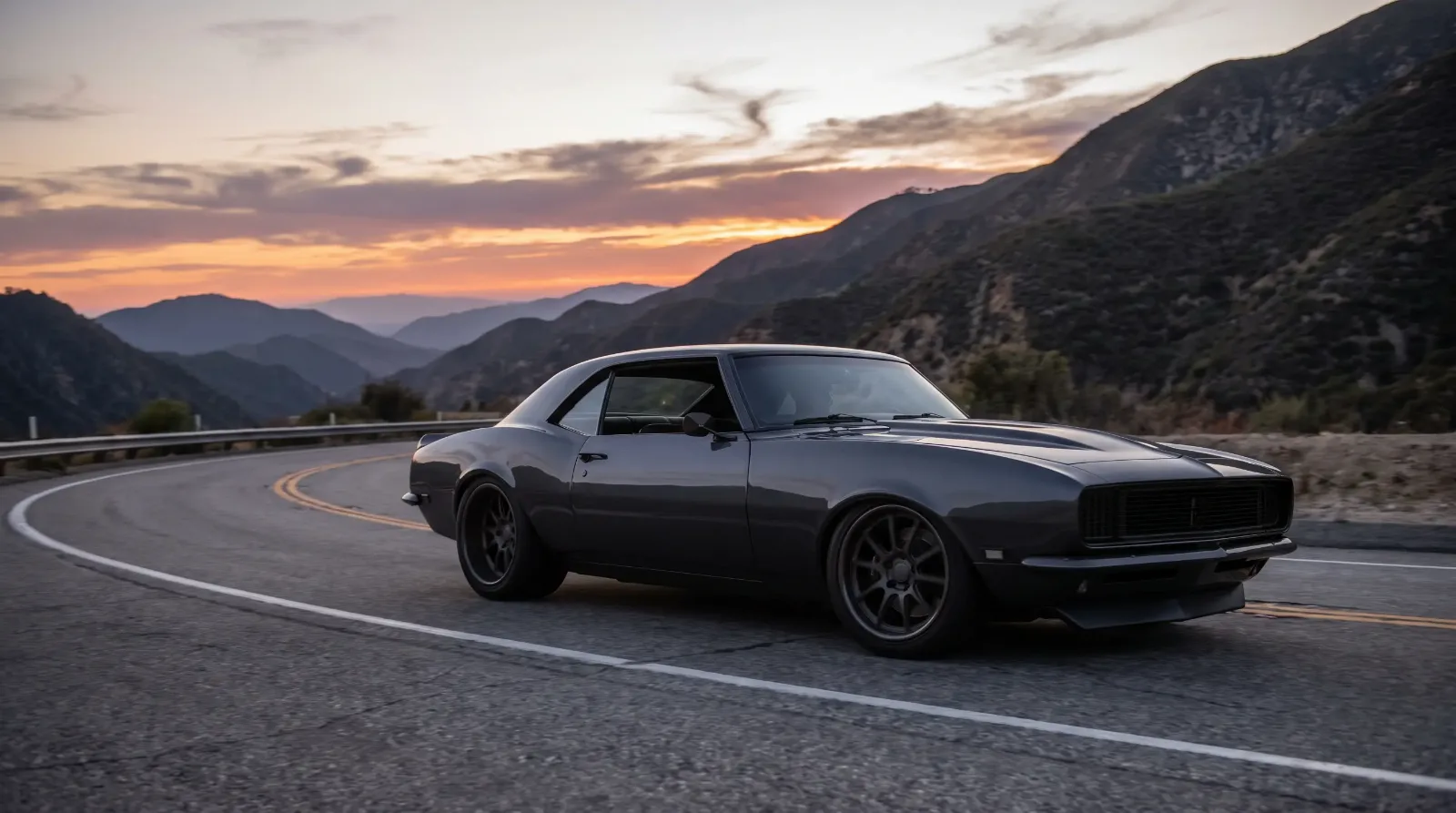
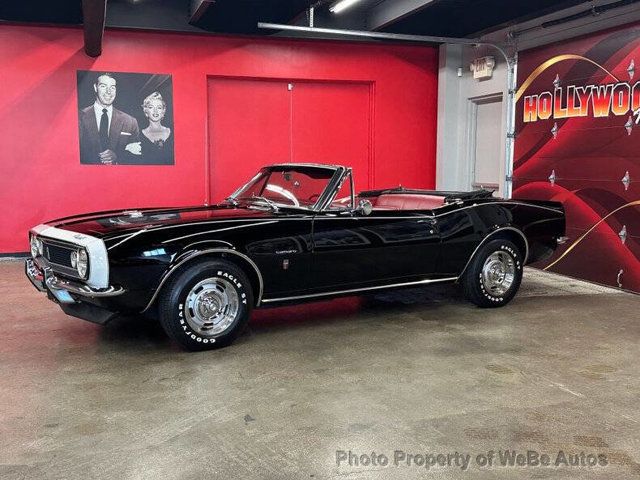
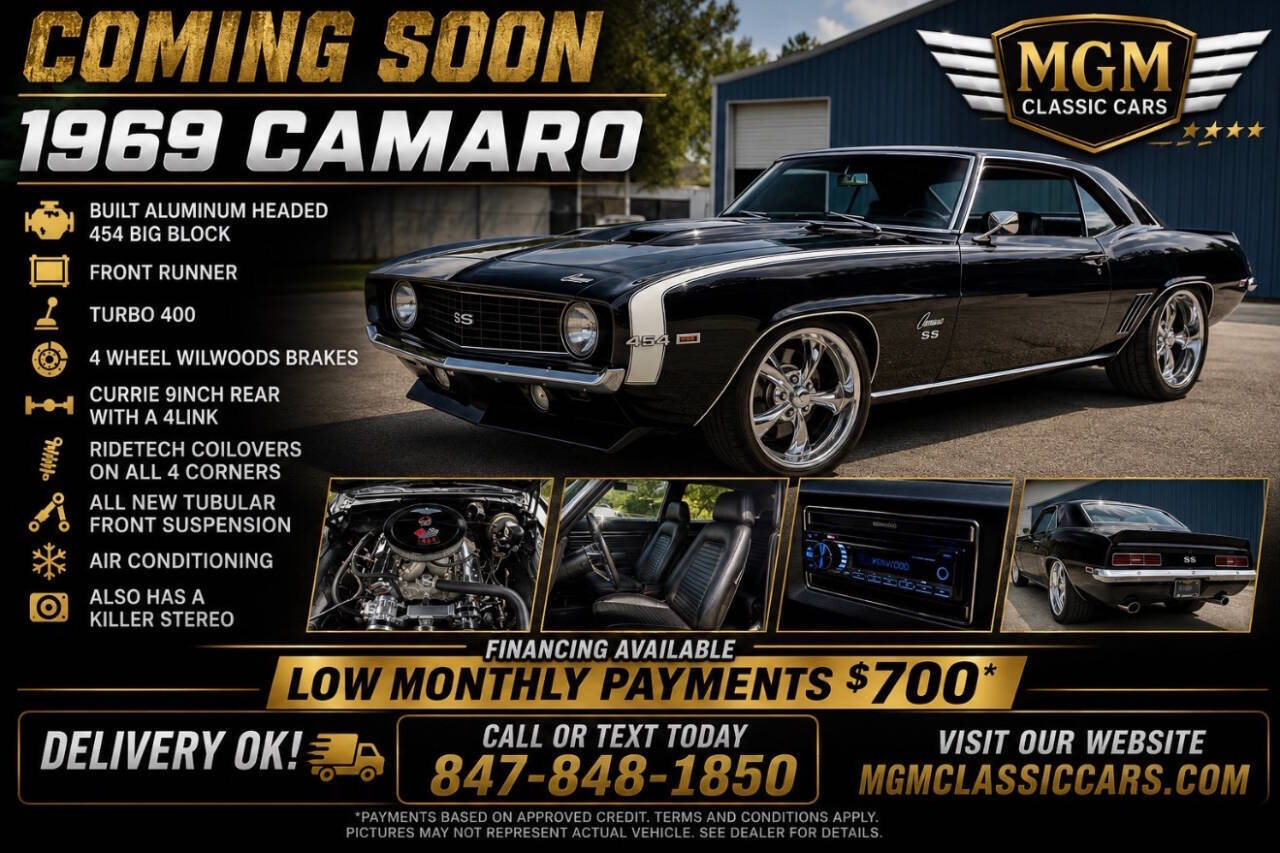
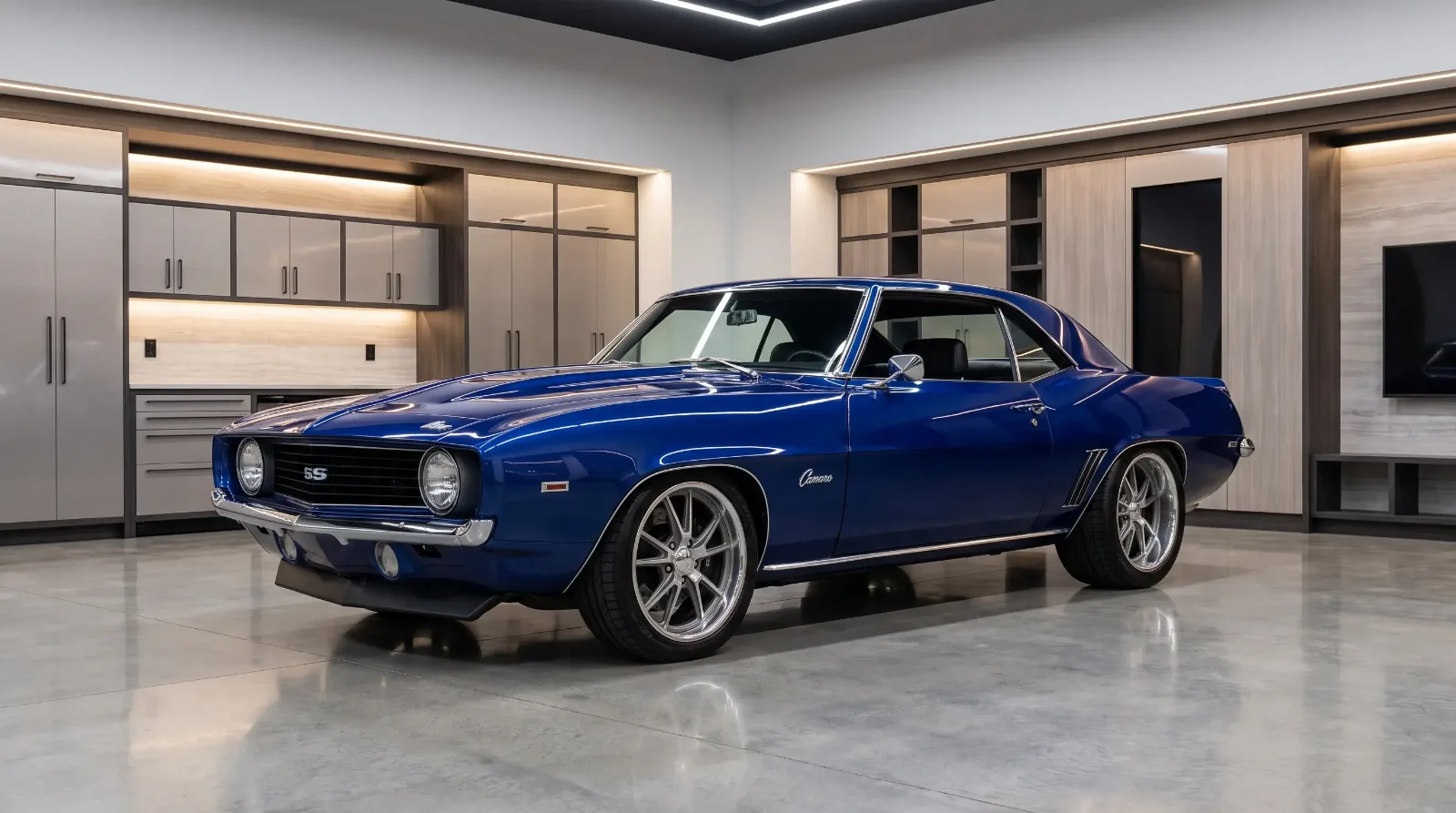
The short answer is that a restomod does not automatically hurt value, but it does change the buyer pool. A numbers-matching 1969 Camaro Z/28 in original condition sells to a collector who values authenticity. A 1969 Camaro with a built LS3, four-link rear, coilovers, and Vintage Air sells to a buyer who wants to drive the car aggressively and comfortably. These are different buyers with different wallets, and the market has been clear over the past decade that the restomod buyer base is growing faster than the concours buyer base.
The critical factor is execution quality and build cost transparency. A first-gen Camaro with $80,000 in documented build receipts from known suppliers on a clean, accident-free body can absolutely sell well into six figures to the right buyer. The same car with $80,000 in receipts but sloppy panel gaps, rust bubbles under the paint, and generic chrome parts from the JEGS catalog will struggle to reach the mid-five-figures. The modifications themselves are secondary. The quality of the work is primary.
For context on the modifications that buyers find most desirable in a restomod build, see our guide to pro-touring Camaro builds which covers the full upgrade sequence. Also see the Chevrolet Camaro story for the model-specific desirability factors that affect base values before any modifications are applied.
Modifications that add value versus modifications that subtract it
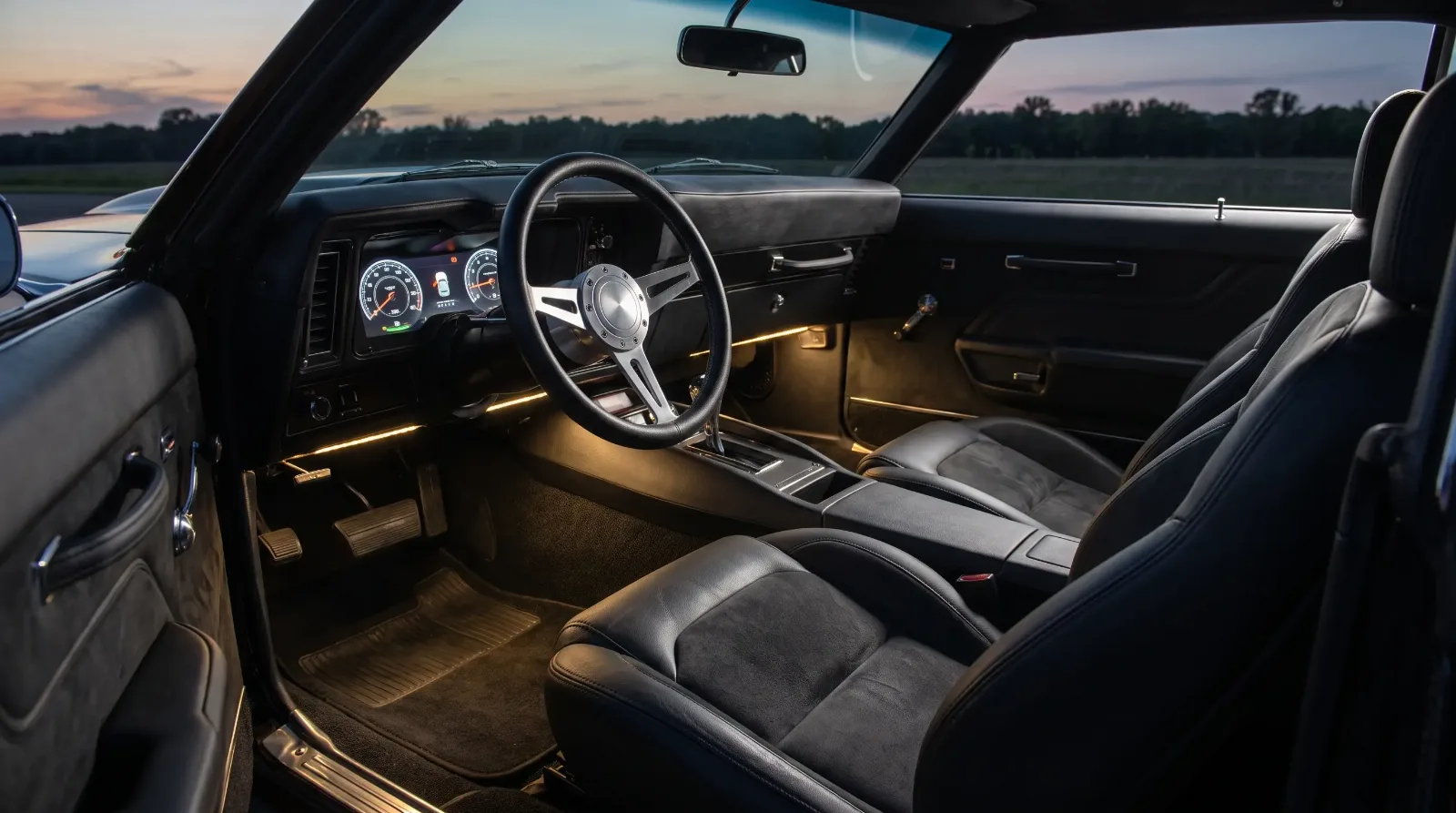
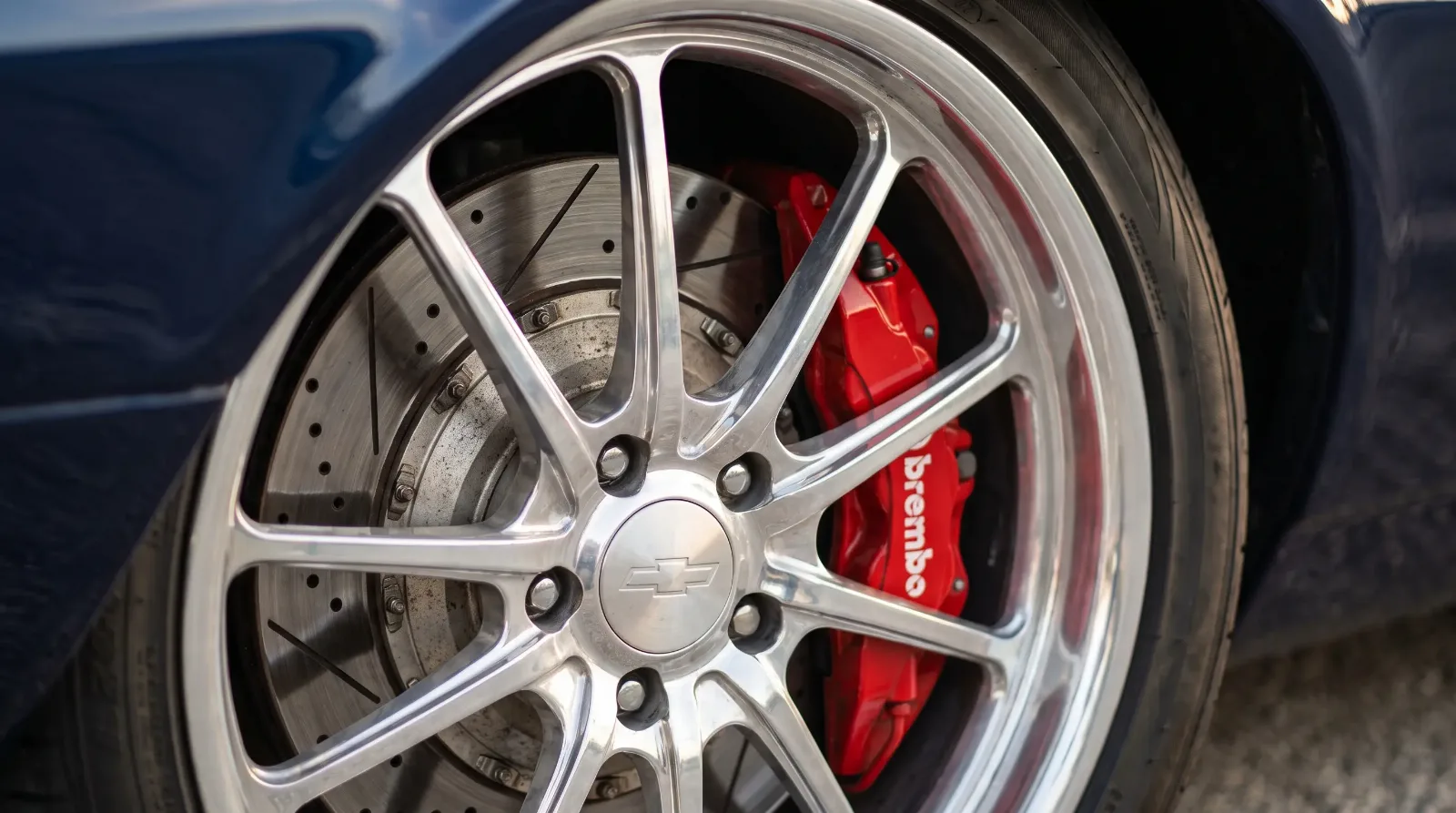
The restomod modifications that the market consistently values are those that improve performance and usability without compromising structural integrity or requiring permanent body modification. Disc brake conversions, coilover upgrades, LS swaps, Tremec transmissions, and Vintage Air installations all fall into this category. These modifications are also largely reversible, which matters to buyers who want the option to return the car to original specification.
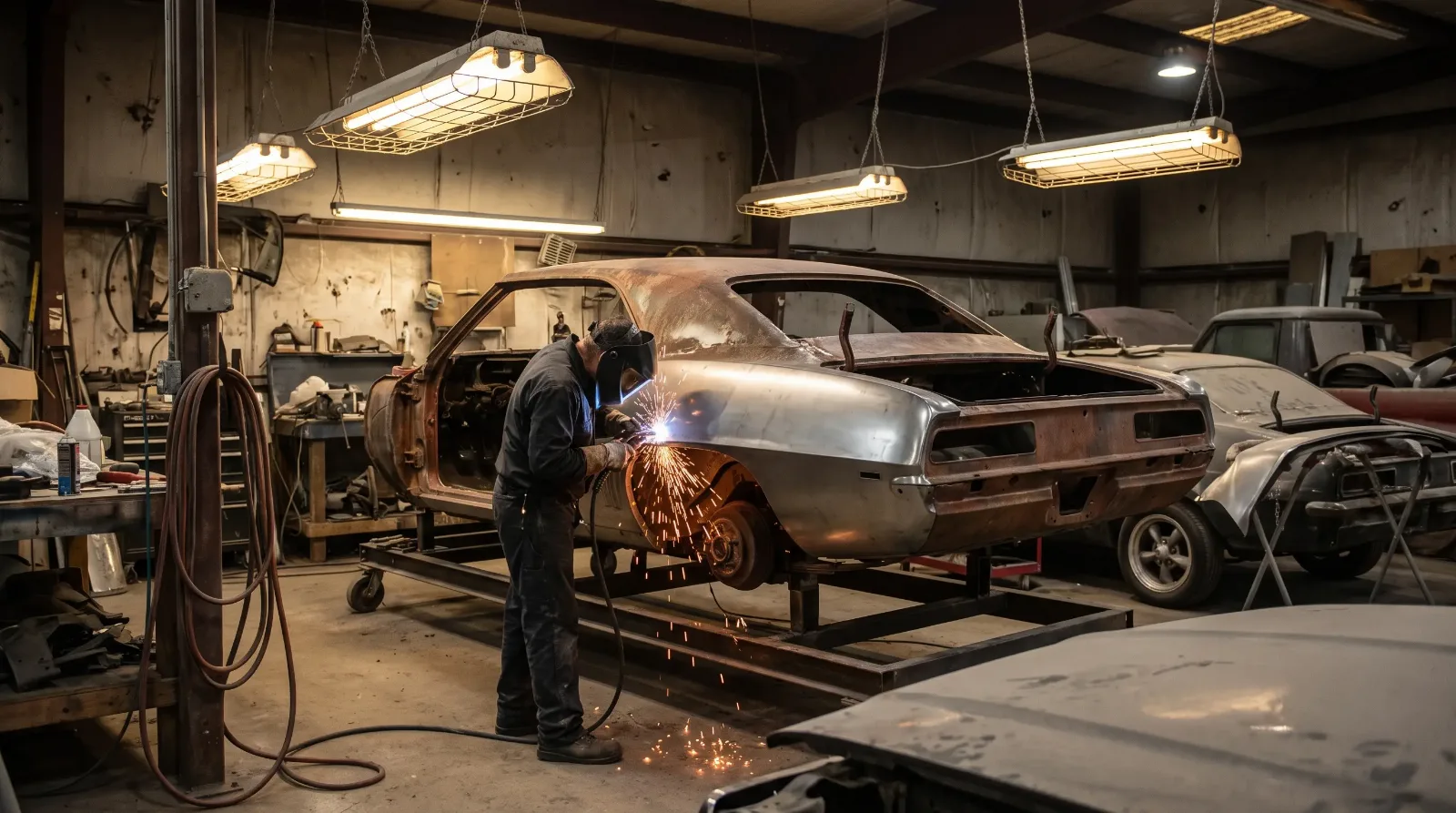
The modifications that hurt resale value are permanent body changes with amateur execution. Fender flares added poorly, firewall cuts that were not finished cleanly, quarter panel mini-tubs with visible welds, and non-factory sunroof openings all reduce the number of buyers willing to pay a premium price. If you are planning the build partly as an investment, avoid permanent body modification unless you have a professional fabricator doing the work and a clear buyer profile in mind.
- Value-adding: LS swap, Tremec, disc brakes, coilovers, Vintage Air, modern interior
- Neutral to value: big-block swap, custom paint in period-correct colors, billet wheels
- Value-reducing: amateur bodywork, rust filler over structural rust, non-reversible body cuts
- Most-variable: wild custom paint, controversial color combinations, non-GM powerplants
The restomod market by price tier
The sub-$40,000 restomod market is the most crowded. These are typically cars with a solid body, fresh paint, and one or two mechanical upgrades on an otherwise stock platform. Buyers in this tier are price-sensitive and numerous. Above $60,000, the buyer pool shrinks but willingness to pay for documented quality increases sharply. Buyers spending well into the high five figures or into six figures on a restomod Camaro typically want a build sheet, supplier receipts, and a coherent story about why each choice was made.
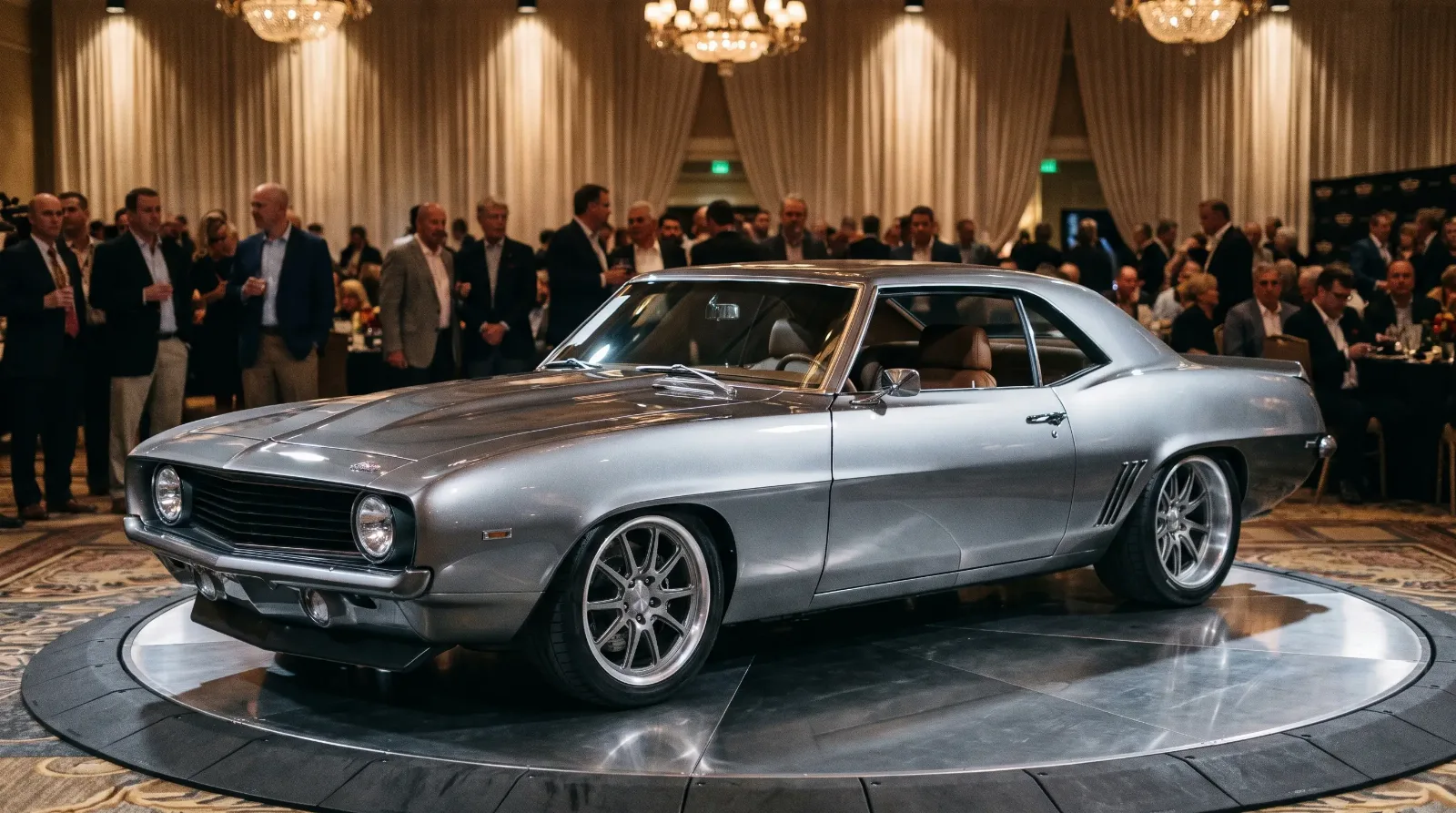
Above $100,000, the market is dominated by cars with professional shop builds from recognized names. Ringbrothers, Detroit Speed, and similar builders command premiums because their cars come with a provenance that is independently verifiable. A first-gen Camaro built by Detroit Speed with full documentation has sold deep into six figures at Barrett-Jackson and Mecum. These are outliers, but they demonstrate that the ceiling for restomod value is higher than most people assume.
"The mistake I see all the time is a builder spending $120,000 on a car in a market where comparable cars sell for $75,000. They picked a car that was too far gone structurally, overspent on the engine, and underinvested in the body and paint. You cannot recover a bad structure with a beautiful drivetrain. The body is the asset."
-- David Mercer
Documentation and transparency as value drivers
The most reliable way to protect restomod value is obsessive documentation. Keep every receipt: the Wilwood brake kit receipt, the Tremec invoice, the paint shop estimate and final invoice, the alignment printout after suspension work, the dyno sheet if the engine was tuned. A binder of organized receipts sitting on the passenger seat at the time of sale adds a credibility that no amount of marketing language can replicate.
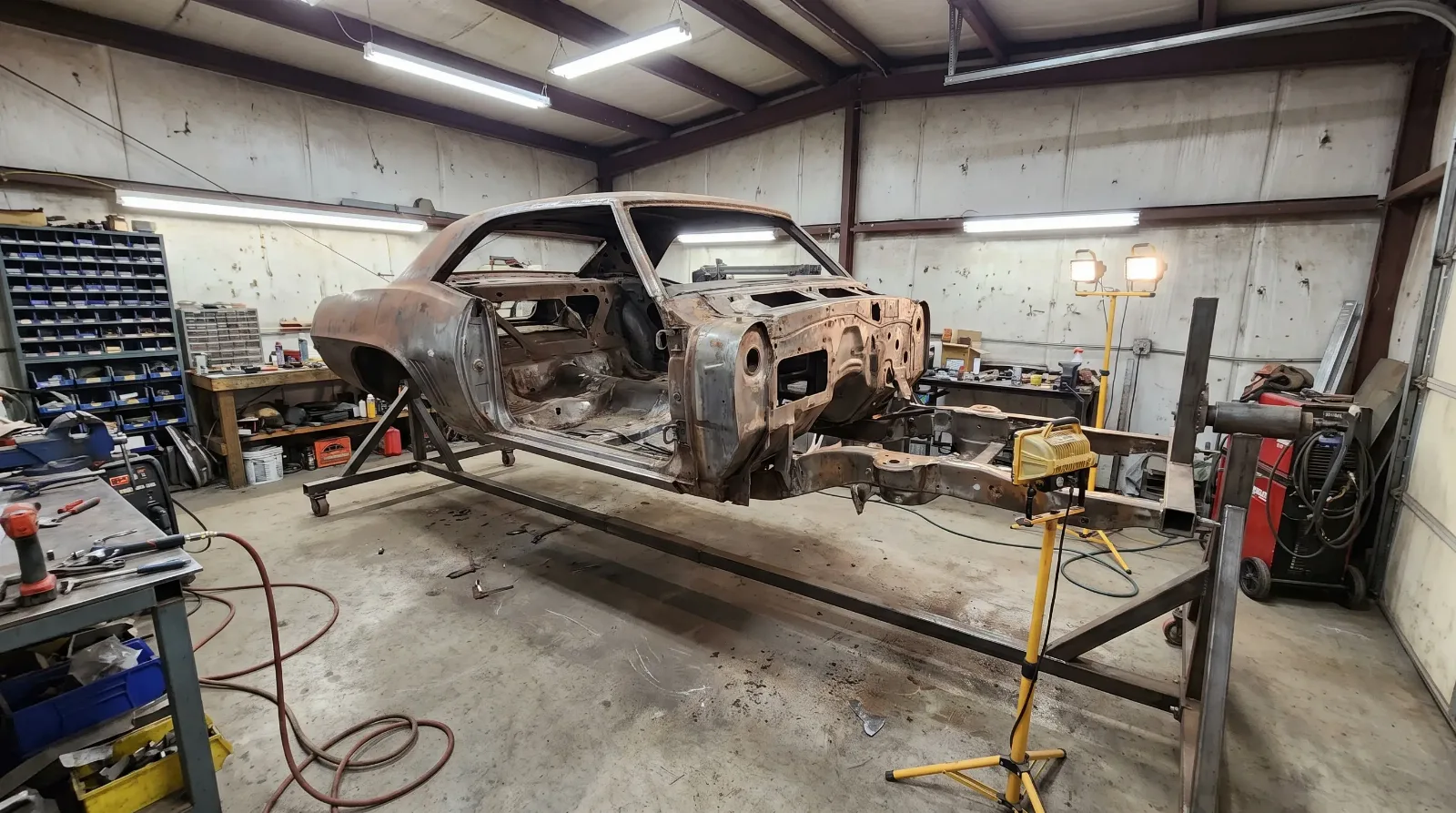
Photography during the build is equally important. Buyers paying serious money for a restomod want to see photos of the floor with the sound deadener installed, the wiring harness before it was wrapped, the engine bay before the engine went in. These photos answer the question that every experienced buyer is silently asking: did they cut corners where I cannot see them? A builder who can answer that question with photos commands a significant premium over one who cannot.
When to sell and where
Timing matters in the restomod market. The high-value auction houses, Barrett-Jackson in Scottsdale and Mecum in Indianapolis, produce the highest hammer prices for quality builds but charge significant consignment fees and have minimum standards for what they will accept. For a $60,000-$100,000 restomod, selling privately through Bring a Trailer or Cars and Bids is usually more profitable because the buyer pays the fee rather than the seller.
The classic car market has seasonal patterns. Camaro restomods sell best in late winter and spring when buyers are emerging from the off-season and ready to commit to a summer car purchase. Listing in January and February for a March or April sale consistently outperforms a November listing. Pair the sale with a fully detailed car, a professional photo shoot in good light, and a complete build documentation package. Browse specific Camaro listings to see current market activity and comparable pricing before setting your asking price.
| Build Quality Tier | Market Range | Buyer Type | Best Venue |
|---|---|---|---|
| Budget / DIY | mid-five figures | Entry enthusiast | Craigslist, Facebook |
| Mid-level documented | high five figures | Serious driver | Bring a Trailer |
| Professional build | low-to-mid six figures | Collector-driver | BaT, Mecum |
| Named shop build | deep six figures | Investor-collector | Barrett-Jackson |
Sources and notes
Production figures, engine specifications, codes, and dates in this article are cross-referenced from established Camaro references, period documentation, and owner registries. Where sources differ, the most commonly cited value is used. Cost figures are indicative and vary by supplier, region, and condition.