Published June 10, 2026Updated June 28, 20265 generations1940–1979
The Lincoln Continental is one of the few American cars that earned a place in design history rather than merely automotive history. It began as a personal project for Edsel Ford, who wanted an elegant European-influenced car for his own use, and the public response turned a one-off into a production model. Over four decades the Continental name covered several very different cars, from a prewar coachbuilt coupe to an ultra-exclusive hand-built flagship to the clean, slab-sided sedan that became a symbol of the early 1960s. Understanding the Continental means understanding it not as a single model but as a series of statements about what an American luxury car could be.
Lincoln Continental — Generation by Generation
1940–1948
Original Continental
"Edsel Ford's coachbuilt classic"
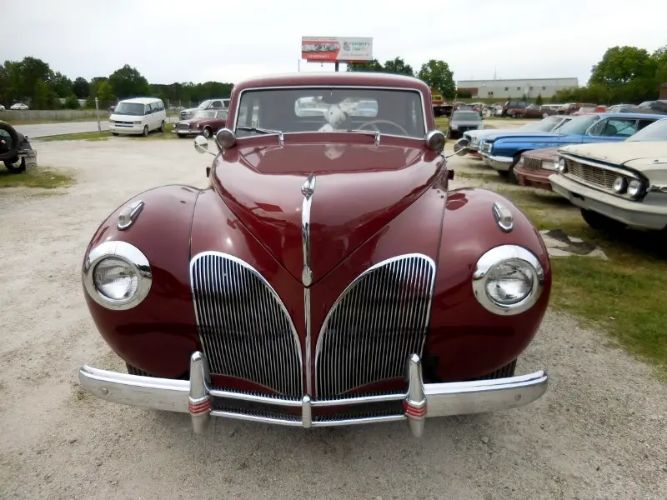
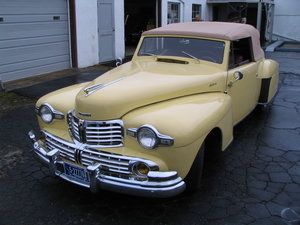
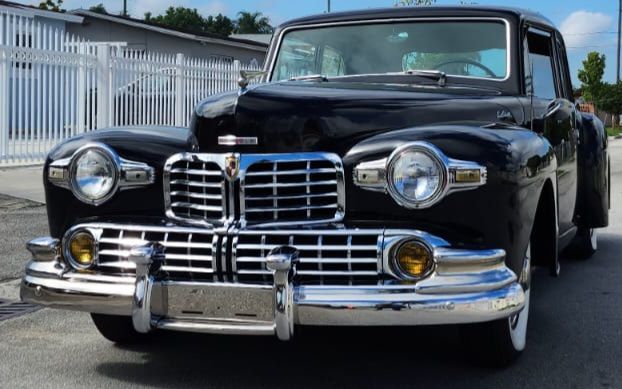
The first Continental grew out of a personal car Edsel Ford commissioned for himself, with a long hood, a low roofline, and the exposed rear-mounted spare that became the Continental signature. Built as a coupe and cabriolet on the Lincoln-Zephyr V12 chassis, it was elegant in a way no other American car of its moment matched. Production paused for the war and resumed afterward through 1948. These are recognized as full Classics by the Classic Car Club of America and sit at the top of prewar Lincoln collecting.
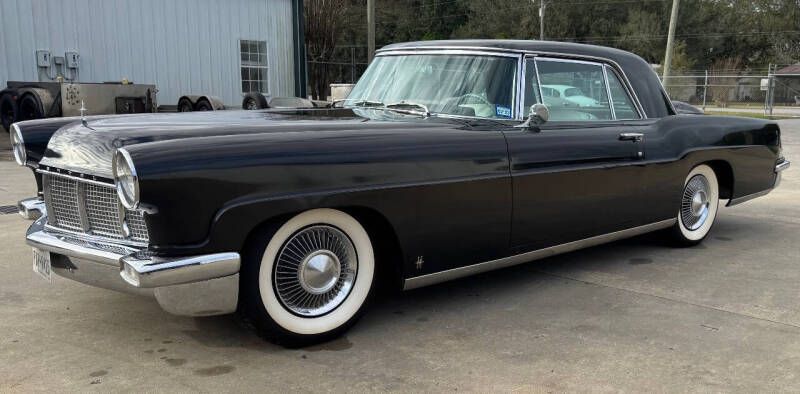
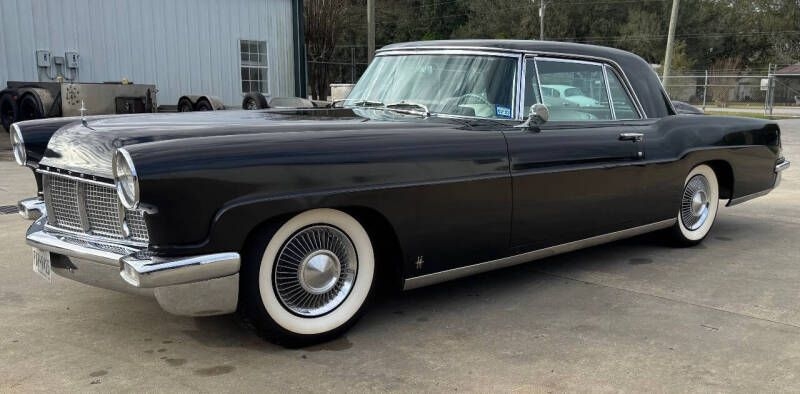
The Mark II revived the Continental as a separate marque, a hand-assembled personal luxury coupe priced near a Rolls-Royce and built to a standard of finish unusual for an American car. Its styling was deliberately restrained, free of the chrome and fins of its contemporaries, and each car was carefully inspected before delivery. Built in small numbers and sold at a loss, the Mark II is among the most exclusive postwar American cars and demands close scrutiny of originality.
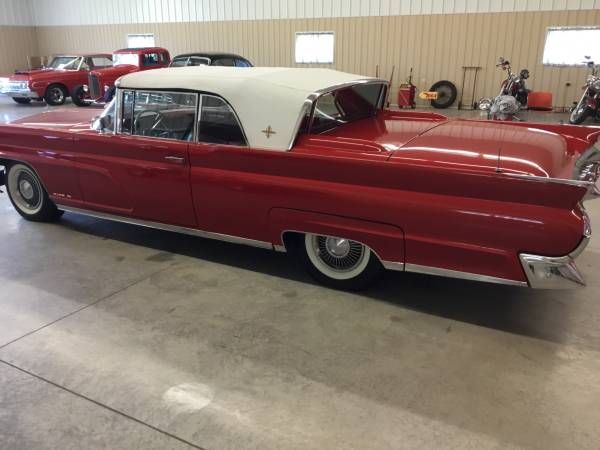
For 1958 the Continental moved onto an enormous new unitized body shared with the Lincoln line, among the largest American cars ever built. The styling was heavily detailed in the manner of the late Fifties, with canted headlamps and a reverse-slant retractable rear window on some models. These cars are the most flamboyant Continentals and a counterpoint to the restraint that came before and after, with a dedicated following among collectors who appreciate the scale and the era.
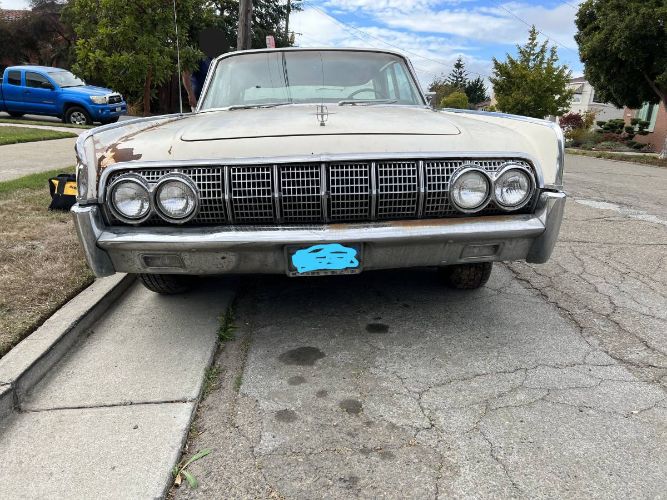
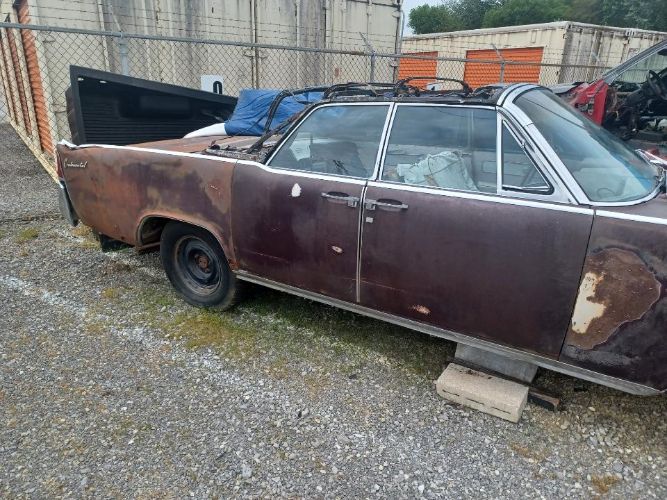
The 1961 Continental is the design landmark, a clean, slab-sided sedan with rear-hinged back doors and an absence of fins or excess chrome that won industry awards and influenced styling for a decade. The four-door convertible was unique in the postwar American market. Lincoln backed the design with quality, including a long warranty unusual for the time. The car grew slightly through the Sixties but kept its character. These remain attainable classics, and the convertibles are especially sought after.
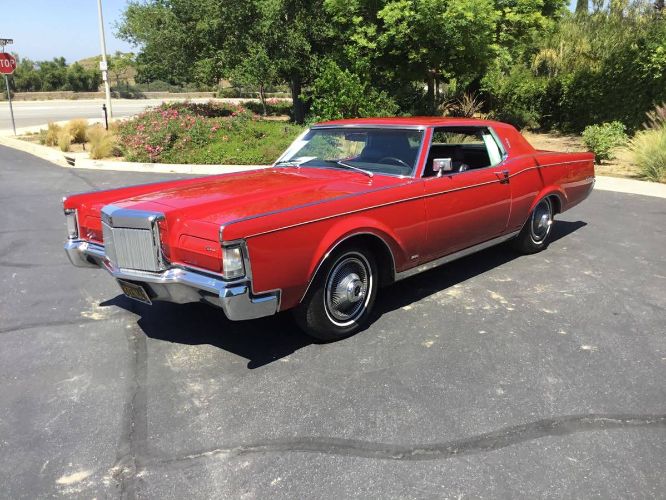
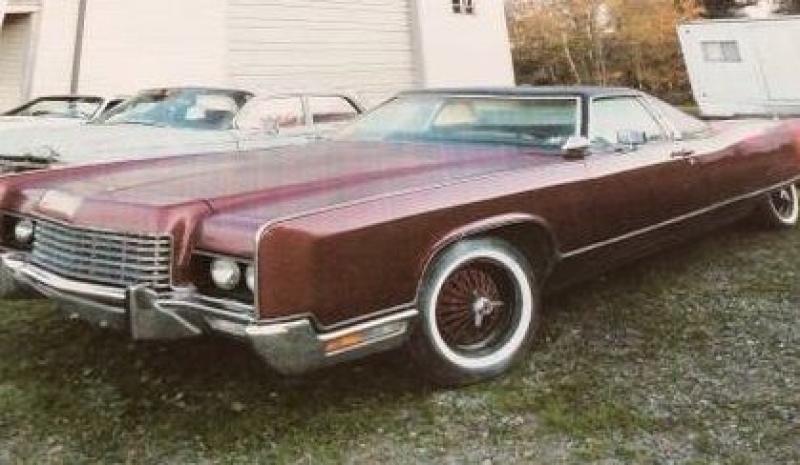
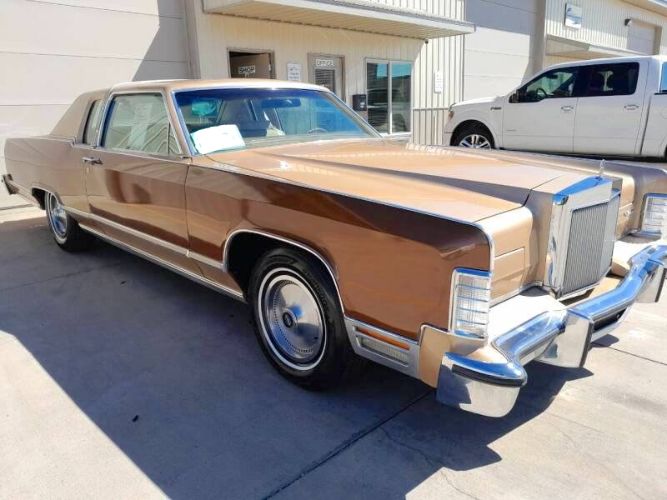
The 1970 redesign returned the Continental to a separate body-on-frame platform and grew it into a large, comfortable luxury car aimed squarely at Cadillac. The styling was formal and upright, and the model coexisted with the personal-luxury Continental Mark coupes that ran alongside it. These big-body cars are the most accessible way into Continental ownership, with strong presence and the kind of comfort the name had always promised, before the downsizing of the 1980s changed the formula.
Key Changes
→
Return to body-on-frame construction
→
Larger, formal styling
→
Aimed directly at Cadillac
→
Coexisted with Mark personal-luxury coupes
→
Last of the full-size Continentals before downsizing
The Continental rewards a collector who values design as much as machinery. The original 1940 to 1948 cars are coachbuilt classics recognized at the highest concours level, the 1956 to 1957 Mark II is among the most exclusive postwar American cars and demands careful originality assessment, and the 1961 to 1969 sedan is a design landmark that remains attainable, particularly the four-door convertibles that are unique in the postwar market. The later cars offer presence and comfort at accessible prices. Across every era, the Continental was Lincoln's argument for craftsmanship over excess, and the best examples make that argument convincingly.
Frequently Asked Questions
The 1961 Continental introduced clean, slab-sided styling with rear-hinged "suicide" back doors and was offered as a four-door convertible, the only one of its kind in the postwar American market. Its restrained design won industry awards and influenced car styling for years.
The Mark II, built 1956 to 1957, was a hand-assembled flagship sold under the separate Continental Division at a price near a Rolls-Royce. It was understated and exclusive, built in small numbers, and is among the most collectible postwar Lincolns.
The 1961 to 1969 Continental used rear-hinged rear doors, often called suicide doors, to ease entry into the back seat on its unitized body. The design became a signature of the car and a defining feature of 1960s Lincoln styling.
📖
Thinking of Buying One?
Read our Lincoln Continental Buyer's Guide — pre-purchase checklist, common issues, and pricing.


 Dealer
 United States
 Dealer
 Dealer
 Dealer
 Dealer
 Dealer
 Dealer
 Dealer
 Dealer
 Dealer
 Premium
Dealer
Premium
Dealer
 Dealer
 Dealer