
Cadillac DeVille vs Lincoln Continental — American Luxury Rivals
<p>For thirty years, the Cadillac DeVille and Lincoln Continental defined the ceiling of American automotive luxury — and their rivalry produced some of the most significant designs in postwar American automobile history. The DeVille consistently outsold the Continental by a factor of three or four to one. The Continental, built in smaller numbers with greater intentional restraint, is the more significant design statement. Both are now serious collectibles in the right configuration and year.</p>
Specs side-by-side
| Spec | Cadillac DeVille | Lincoln Continental |
|---|---|---|
| Key era | 1959–1970 (fins to classic) | 1961–1969 (McNamara era) |
| Most collectible body style | Convertible (1964–1970) | Four-door convertible (1961–1967) |
| Engine (classic era) | 390 V8 (325 hp) / 429 V8 | 430 V8 / 462 MEL V8 |
| Annual production (approx) | 70,000–150,000+ | 28,000–50,000 |
| Driver-quality value (2026) | $18,000–$55,000 | $35,000–$90,000 |
The case for Cadillac DeVille
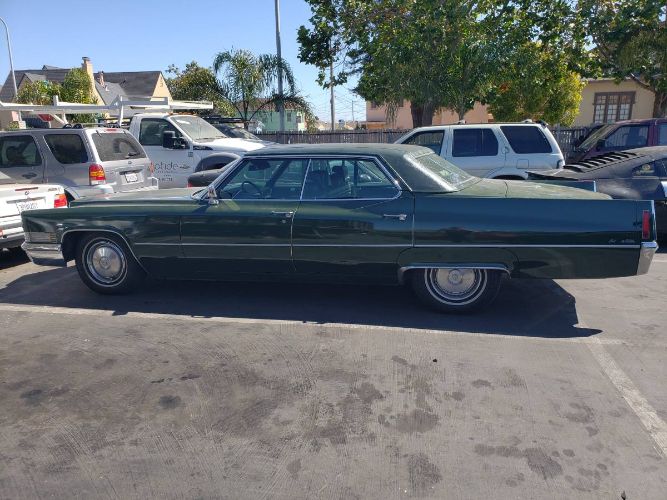
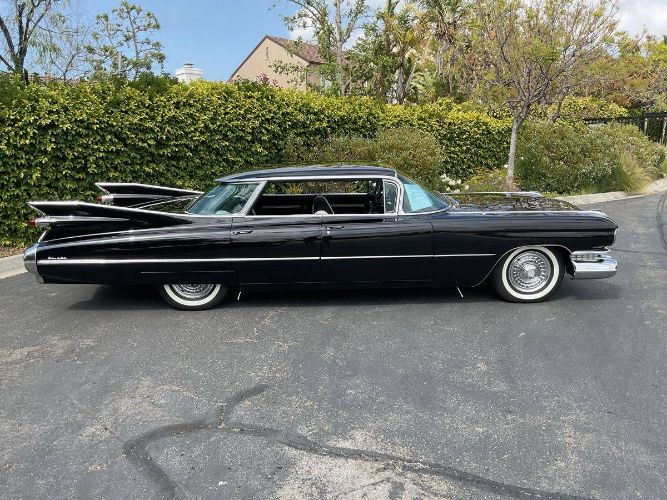
The Cadillac DeVille's advantage is volume and variety. Produced in enormous numbers across multiple body styles — hardtop coupe, hardtop sedan, convertible — the DeVille offers collectors entry points from $12,000 to well over $60,000 depending on configuration and year. The 1959 DeVille (with those magnificent tailfins) is the most recognizable American car of its decade — a cultural artifact of the first order. The convertible versions of 1964–1970 are the most collectible DeVilles in the modern market. Cadillac's engineering of this era — the Series 62 and DeVille — represented genuine state-of-the-art luxury engineering, not just style.
The case for Lincoln Continental
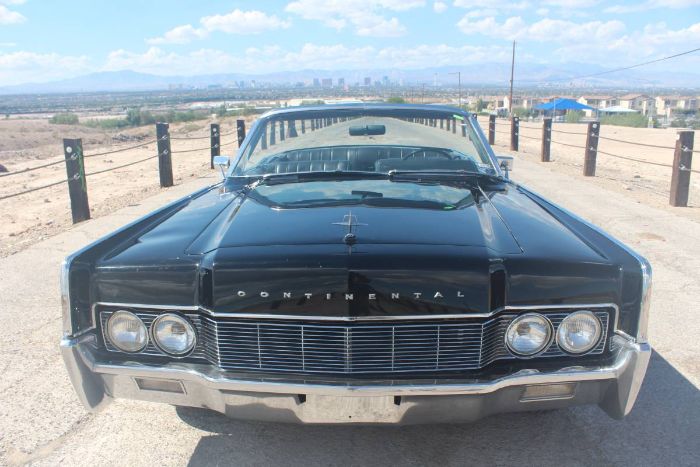
The 1961–1969 Lincoln Continental is the more restrained, more European-influenced design — and from a concours judging perspective, it is among the most important American automobiles ever produced. The four-door convertible (1961–1967) is a design without peer in American automotive history: a 215-inch car with a convertible top that folds completely flat, suicide rear doors, and no excess ornamentation whatsoever. The Continental's development under Robert McNamara's product philosophy produced a car that was later and less fashionable than Cadillac — and more enduring as design. Values for four-door convertibles have appreciated sharply and clean examples now exceed $65,000–$120,000.
Verdict
For sheer variety and accessibility, the DeVille offers more entry points across more budgets. For design significance and investment trajectory, the 1961–1967 Lincoln Continental four-door convertible is the more important and increasingly more valuable car. Collectors who buy the Continental for the right reasons — design, restraint, historical significance — tend to hold them longest and sell them for the most.
Recent Cadillac DeVille listings
 Dealer
 United States
1970 Cadillac DeVille
 Dealer
United States
Dealer
United States
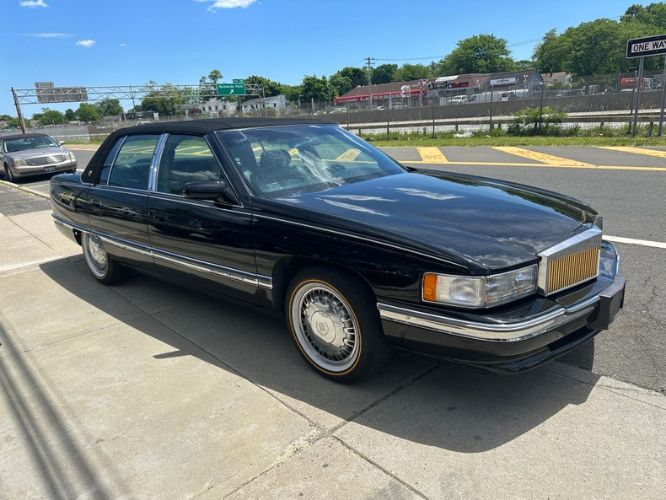
1996 Cadillac DeVille
 Dealer
United States
Dealer
United States
1959 Cadillac DeVille
 Dealer
United States
Dealer
United States
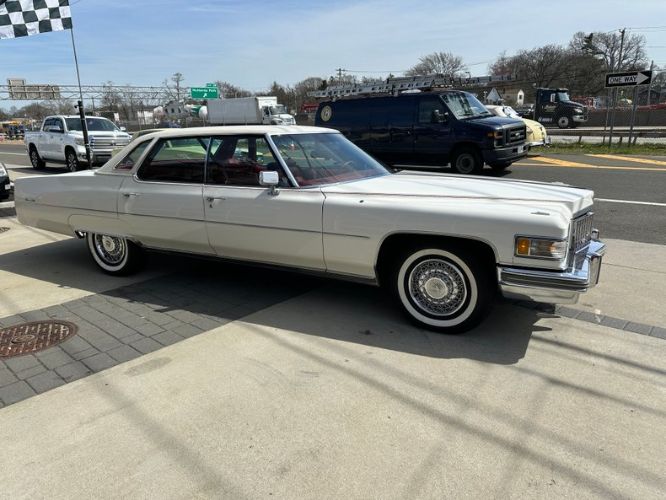
1976 Cadillac DeVille
Recent Lincoln Continental listings
 Dealer
United States
Dealer
United States
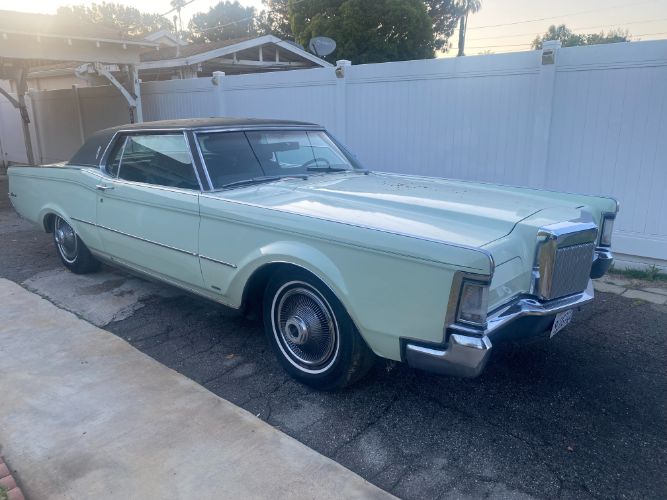
1969 Lincoln Continental
 Dealer
United States
Dealer
United States
1967 Lincoln Continental
 Dealer
United States
Dealer
United States
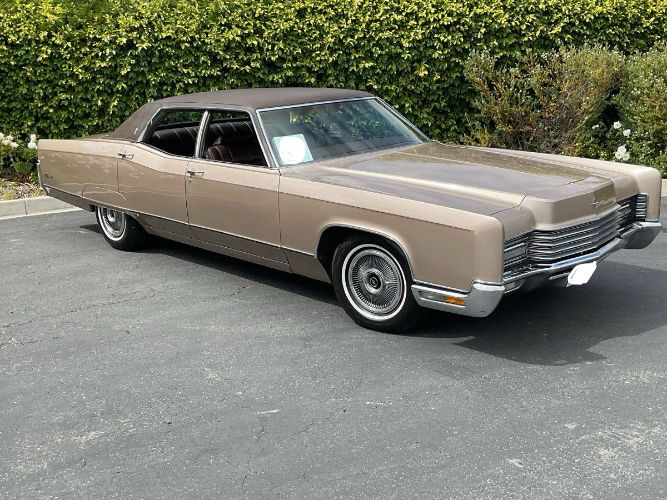
1970 Lincoln Continental
 Dealer
United States
Dealer
United States