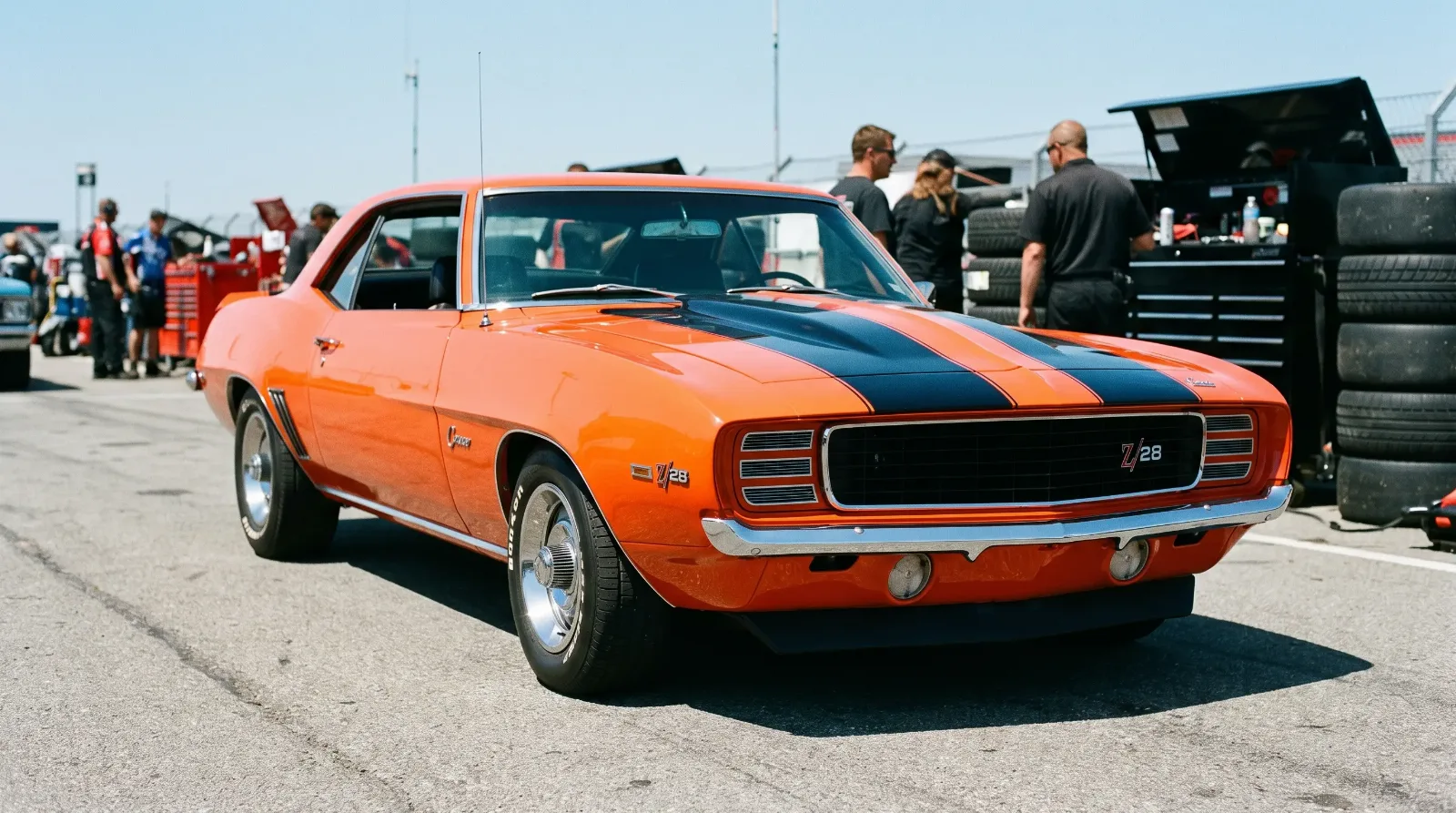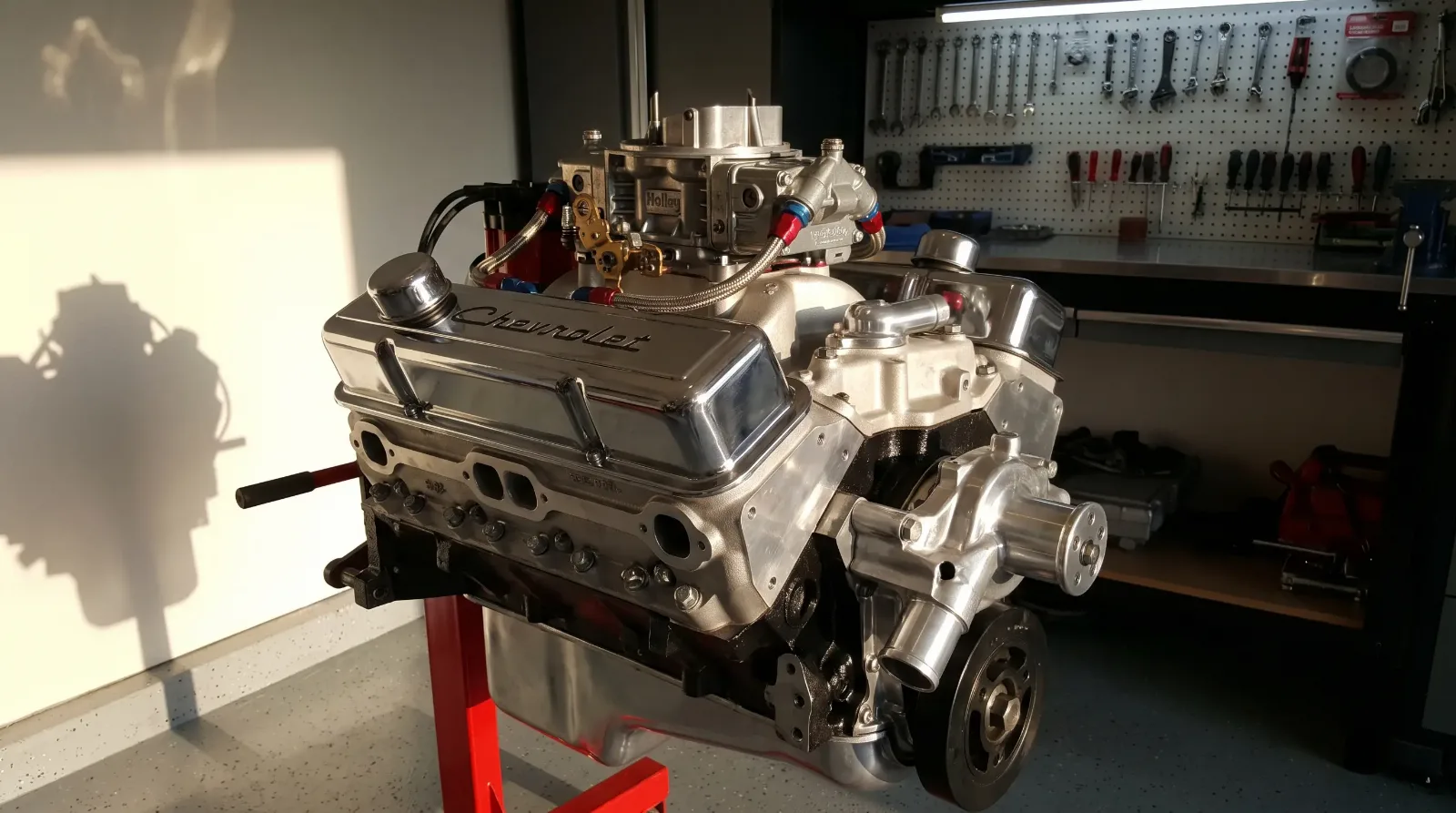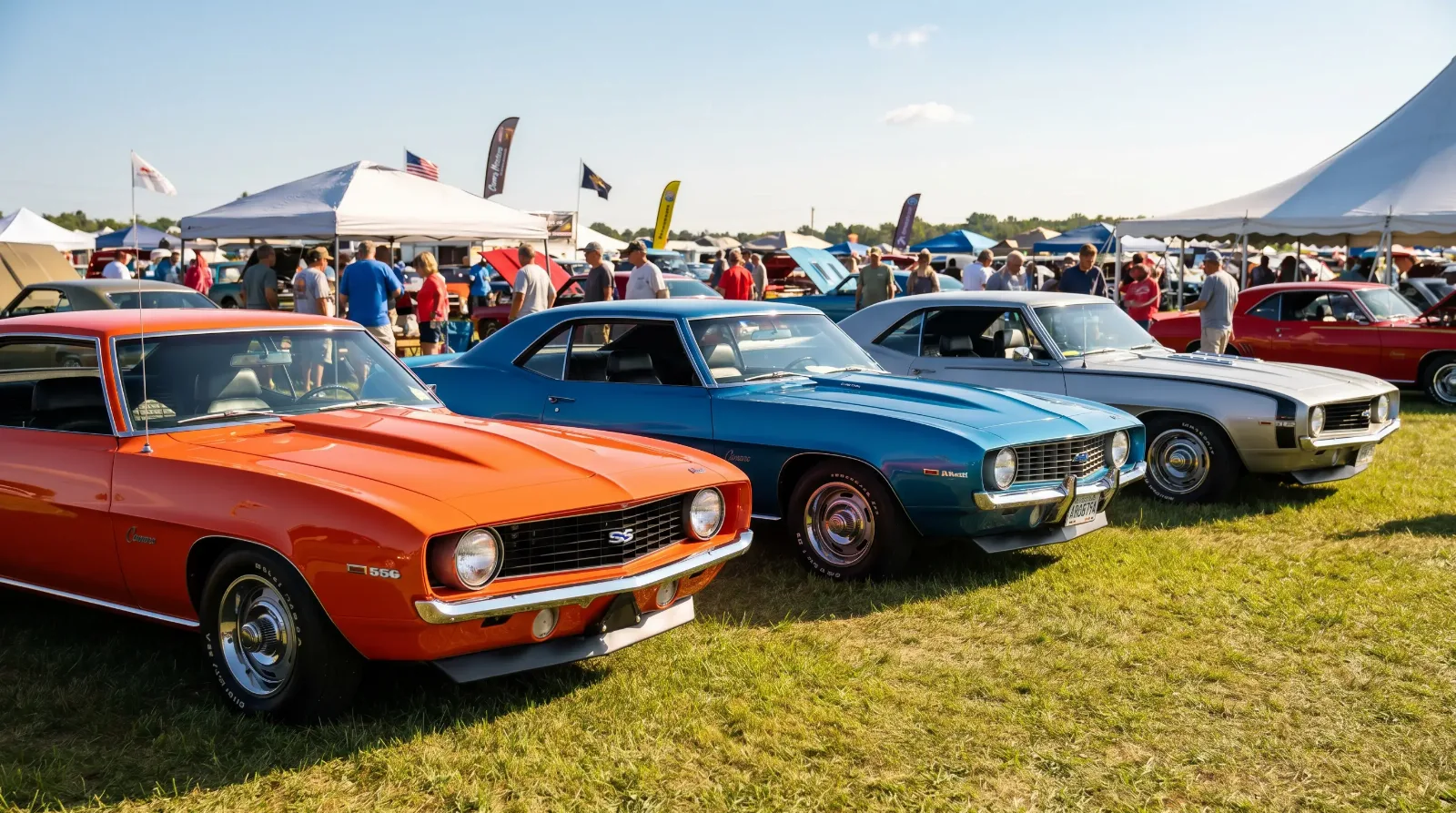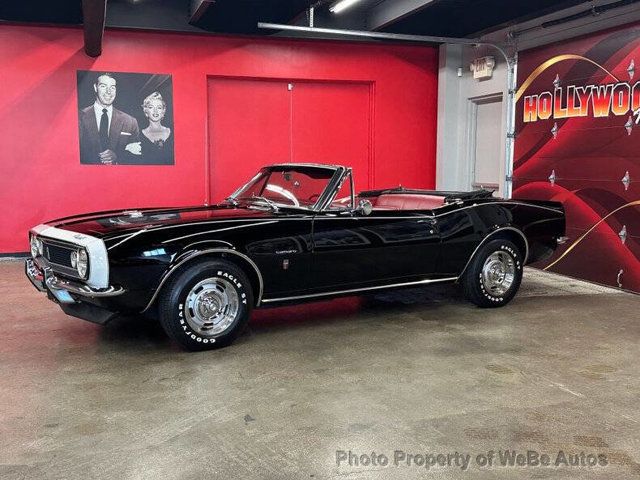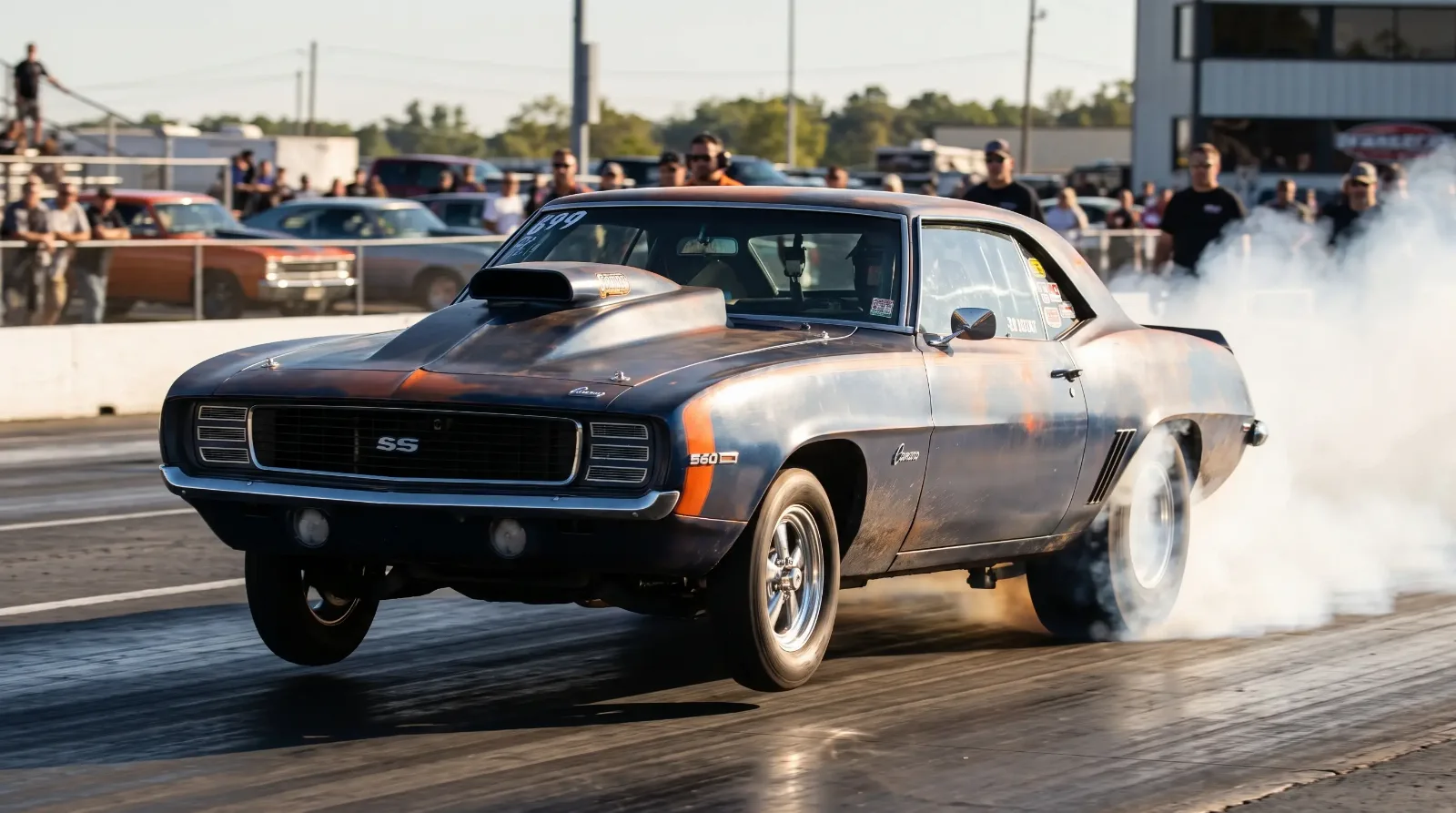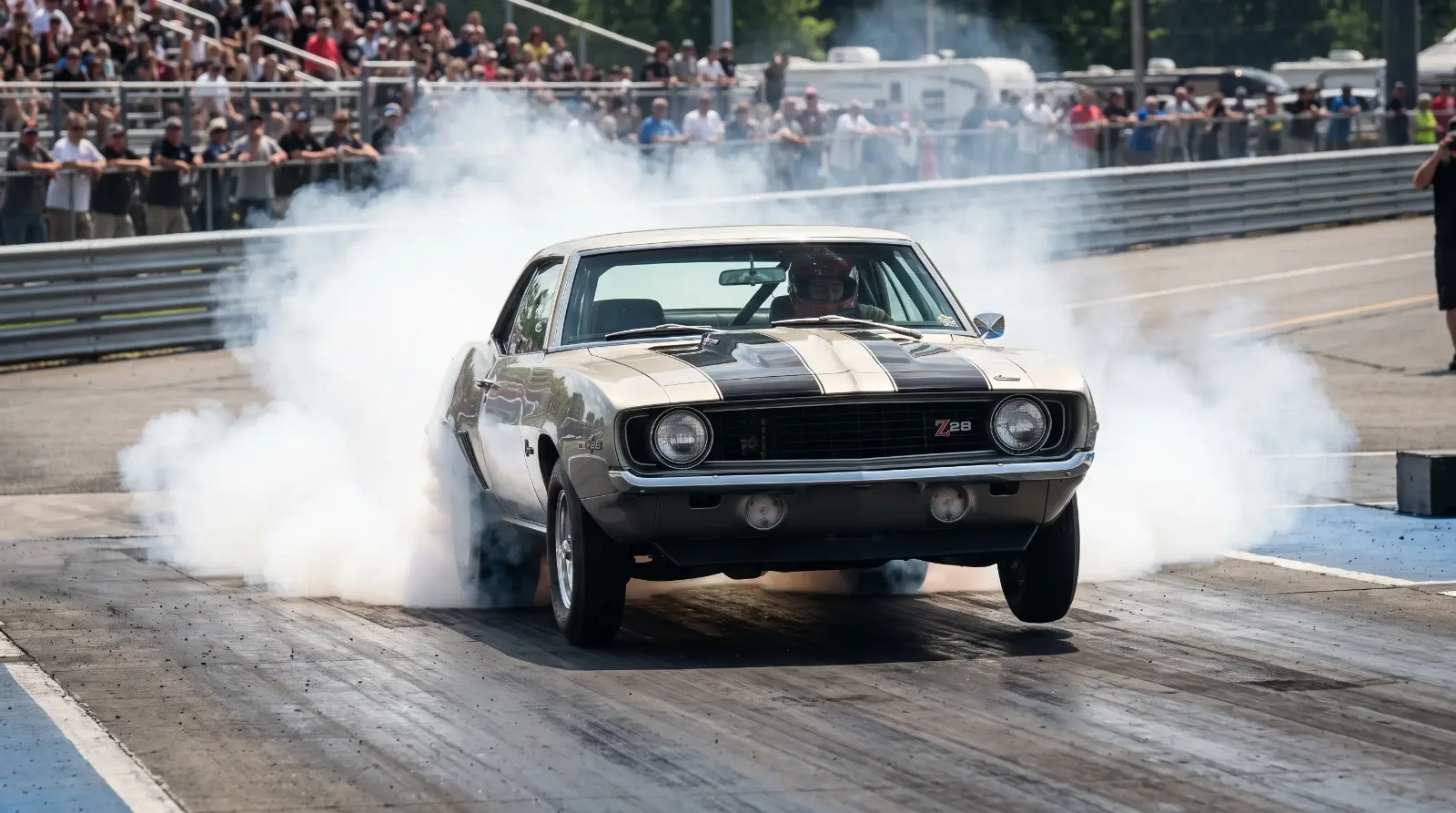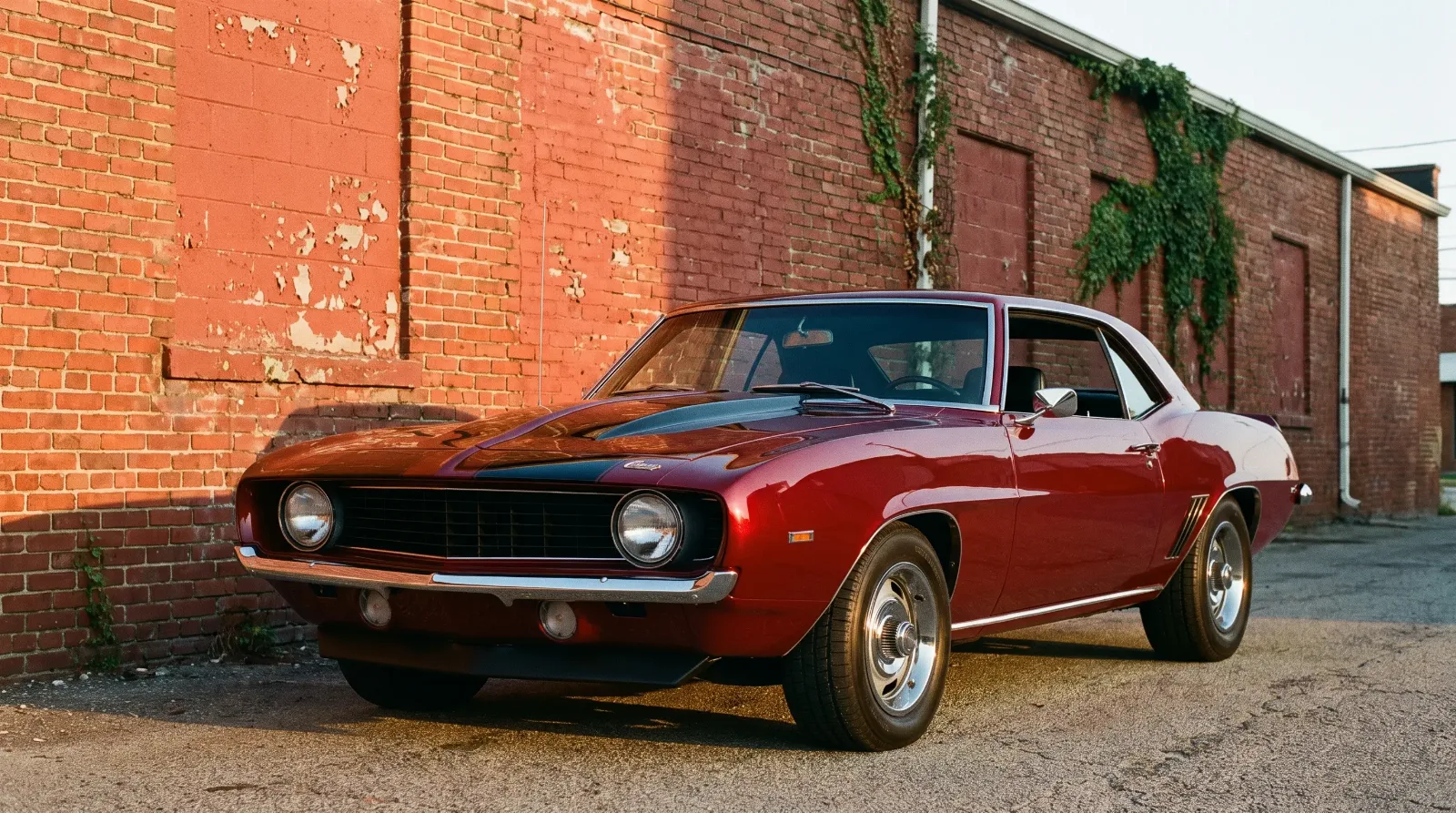
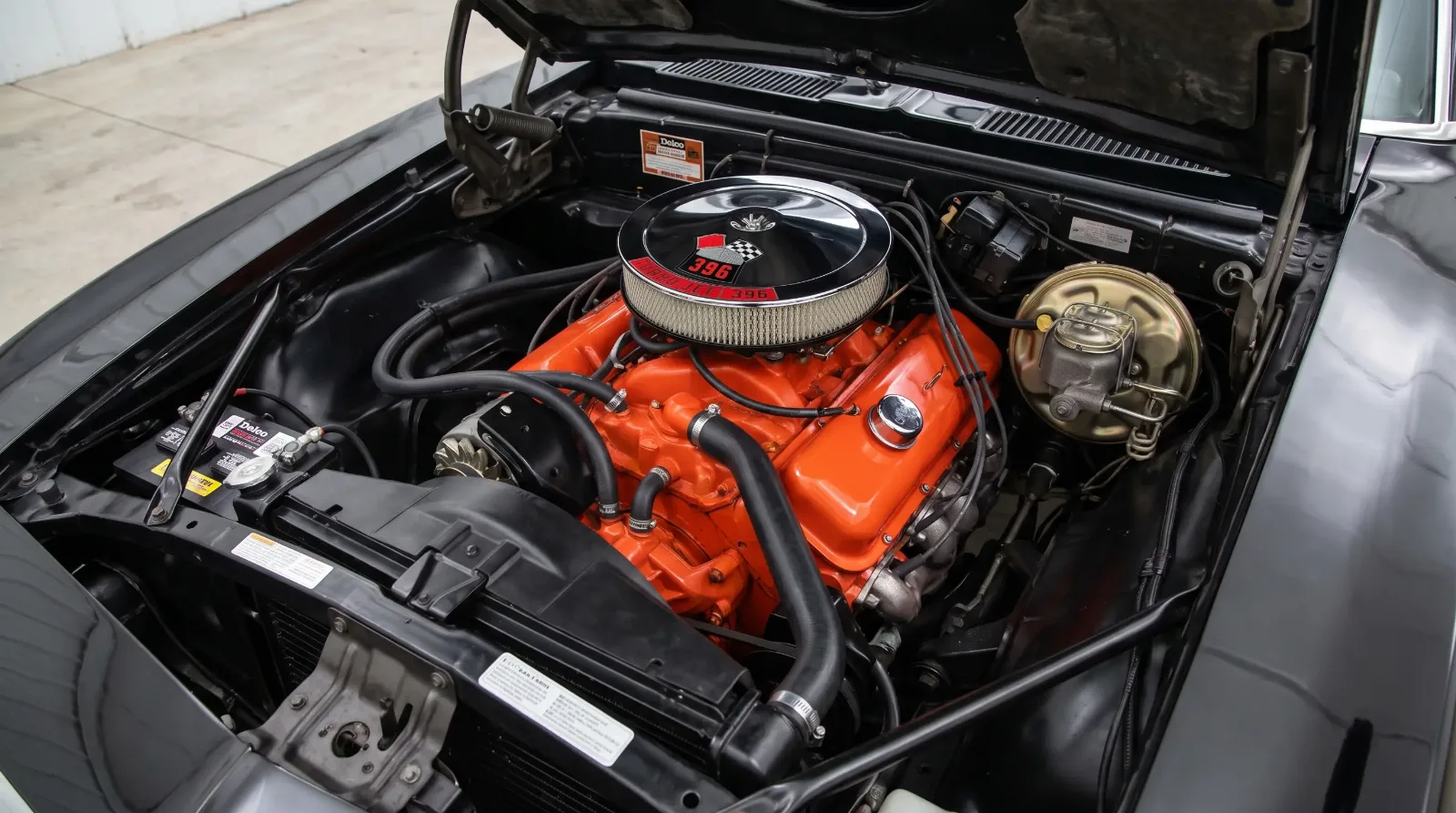
The Camaro's Super Sport package could be ordered with several engine choices through the first generation's run, but the one that made the most noise at the stoplight was the L78 396. Rated at 375 horsepower at 5,600 rpm and 415 lb-ft of torque at 3,600 rpm, the L78 was the most powerful version of the 396 cubic inch big-block available in the first-gen Camaro through normal dealer ordering, and it delivered its power in a way that every driver felt immediately: with torque that loaded the chassis from the moment you applied throttle.
What separated the L78 from other 396 options
Chevrolet offered the 396 in multiple states of tune for the Camaro SS. The base big-block was the L35, rated at 325 horsepower, followed by the L34 at 350 horsepower. The L78 sat at the top of the regular production 396 hierarchy at 375 horsepower. The differences between these engines were not cosmetic. Each step up the ladder brought meaningful mechanical changes.
The L78 used a solid-lifter camshaft, where the L35 and L34 used hydraulic units. Solid lifters allowed the L78 to rev more freely and maintain valve timing accuracy at higher engine speeds, though they required periodic lash adjustments. The L78 also featured closed-chamber cylinder heads with larger-diameter valves than the lower-rated versions, and a higher compression ratio of 11.0:1 compared to the L34's 10.25:1. These are not minor details. They represent a fundamentally different approach to how the engine makes power.
For drivers who wanted torque with less mechanical fussiness, the L34 was arguably a better street choice. But buyers who ordered the L78 were making a statement about priorities: maximum output, regardless of the maintenance demands. The complete Camaro performance picture shows how SS big-block buyers compared to Z/28 buyers in terms of intended use and driving character.
Inside the L78: hardware details
| Specification | L78 Detail |
|---|---|
| Engine family | Mark IV big-block |
| Displacement | 396 cu in (6.5 L) |
| Bore x Stroke | 4.094 in x 3.76 in |
| Compression ratio | 11.0:1 |
| Rated horsepower | 375 hp @ 5,600 rpm |
| Rated torque | 415 lb-ft @ 3,600 rpm |
| Lifter type | Solid mechanical |
| Carburetor | Holley 4150, 780 cfm |
| Intake manifold | Aluminum |
| Cylinder heads | Large-valve closed-chamber |
The 396 block itself was a robust casting, part of the Mark IV big-block family that Chevrolet introduced in 1965. The block shared architecture with the 427 used in COPO applications, which meant that the bottom end was engineered with significant strength margins. Many L78 396s were later bored and stroked to larger displacements by performance shops, taking advantage of that inherent block strength. The COPO Camaro piece explains the relationship between the 396 and 427 families in more detail.
The SS package and what it added beyond the engine
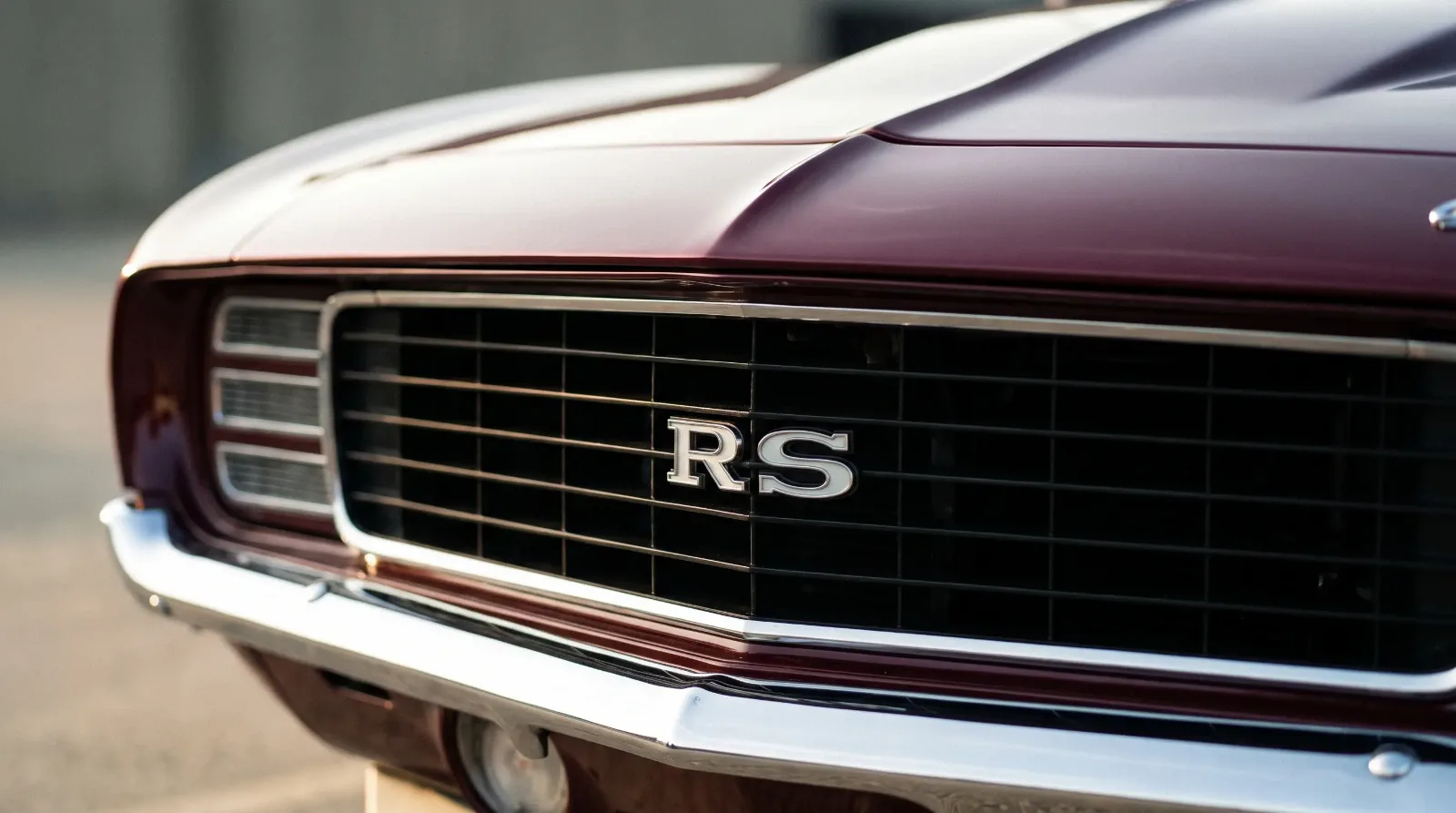
The L78 was an engine option within the SS (Super Sport) package, which was itself an appearance and performance group. RPO Z27, the SS package, included a blacked-out grille, SS badging, a specific hood with simulated air vents on 1967-68 cars, and a heavy-duty suspension with stiffer springs and larger front stabilizer bar compared to the base Camaro. Buyers who ordered the SS could choose from several engines, but only a specific version of the SS came with the full heavy-duty drivetrain needed to properly manage the L78's output.
Pairing the L78 with the M22 "Rock Crusher" four-speed manual gearbox and a 4.10:1 rear axle ratio produced a car that was frankly difficult to drive on public roads at legal speeds. The combination was optimized for the drag strip, where the L78's torque could be deployed in short, controlled bursts. Many original buyers drove these cars exactly that way, treating public roads as transit between drag strips.
Understanding how the SS, RS, and Z/28 packages differed is essential context. The RS vs SS vs Z/28 comparison lays out exactly what each badge meant and which options could be combined.
Recognizing an L78 in the field
Engine suffix codes stamped on the block pad identify the engine option. For the L78 in a 1967 Camaro, the manual-transmission suffix codes are "MQ" and "MR" (the latter with the K19 air-injection smog equipment). The codes changed slightly year to year, so a Camaro-specific code reference guide is essential for verification work. Do not rely on memory or general knowledge for suffix codes, as the same engine in a different application carried a different stamp.
The solid-lifter valve covers have a characteristic appearance distinct from hydraulic-lifter versions, and the intake manifold configuration differs from the lower-output 396 variants. A knowledgeable inspector can identify these details visually in about ten minutes. What takes longer is verifying that all the identifying numbers match across the VIN, trim tag, block pad, and available documentation.
"The L78 does not need to rev to make you pay attention. It makes itself known from about 2,500 rpm and just keeps pulling. That torque is what the SS buyer was after, not a redline. You feel it through the seat."
— Mike Sullivan
Next up in this performance silo: what the RS, SS, and Z/28 badges actually meant and how they could be combined on a single car.
Sources and notes
Production figures, engine specifications, codes, and dates in this article are cross-referenced from established Camaro references, period documentation, and owner registries. Where sources differ, the most commonly cited value is used. Cost figures are indicative and vary by supplier, region, and condition.