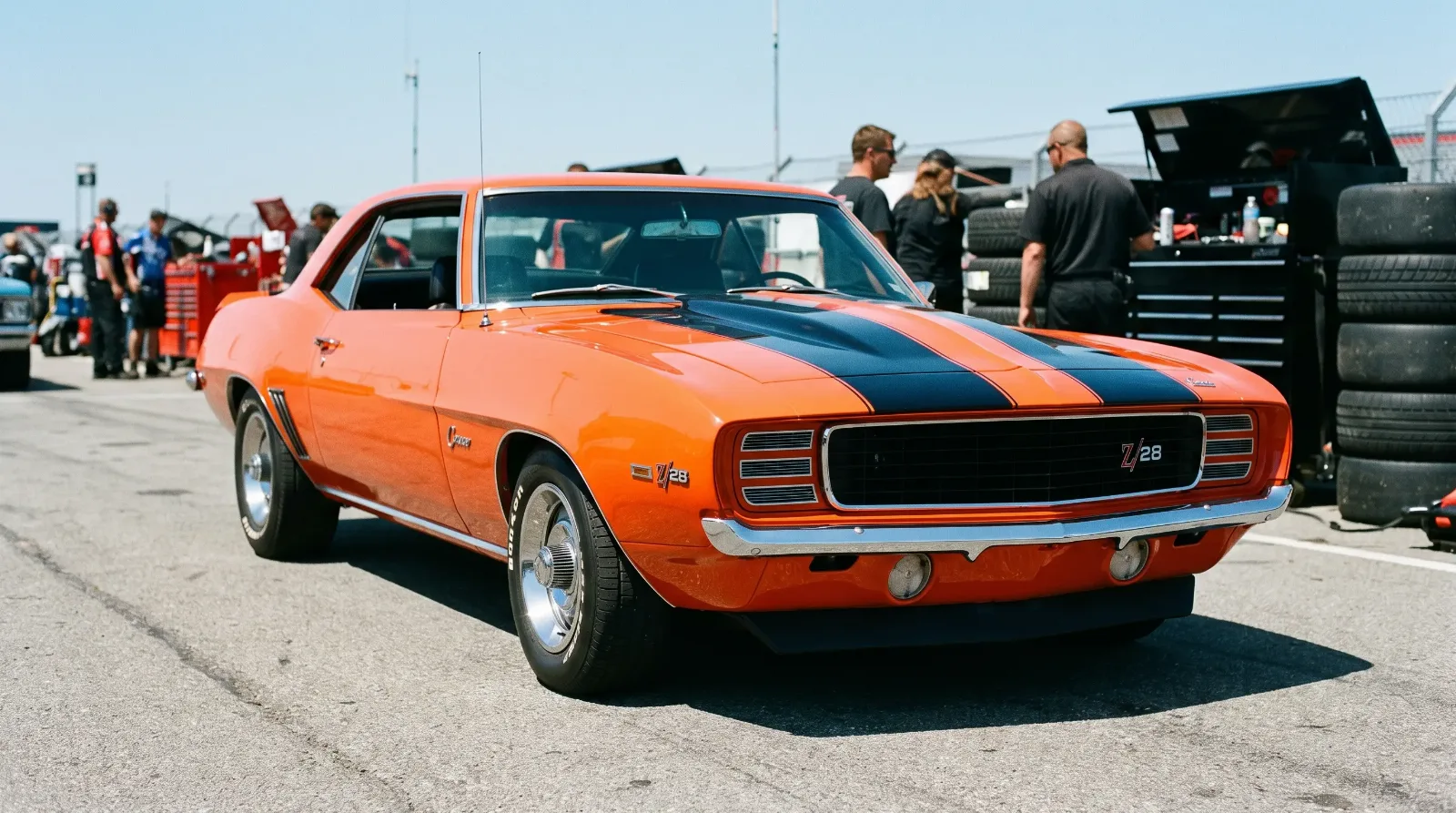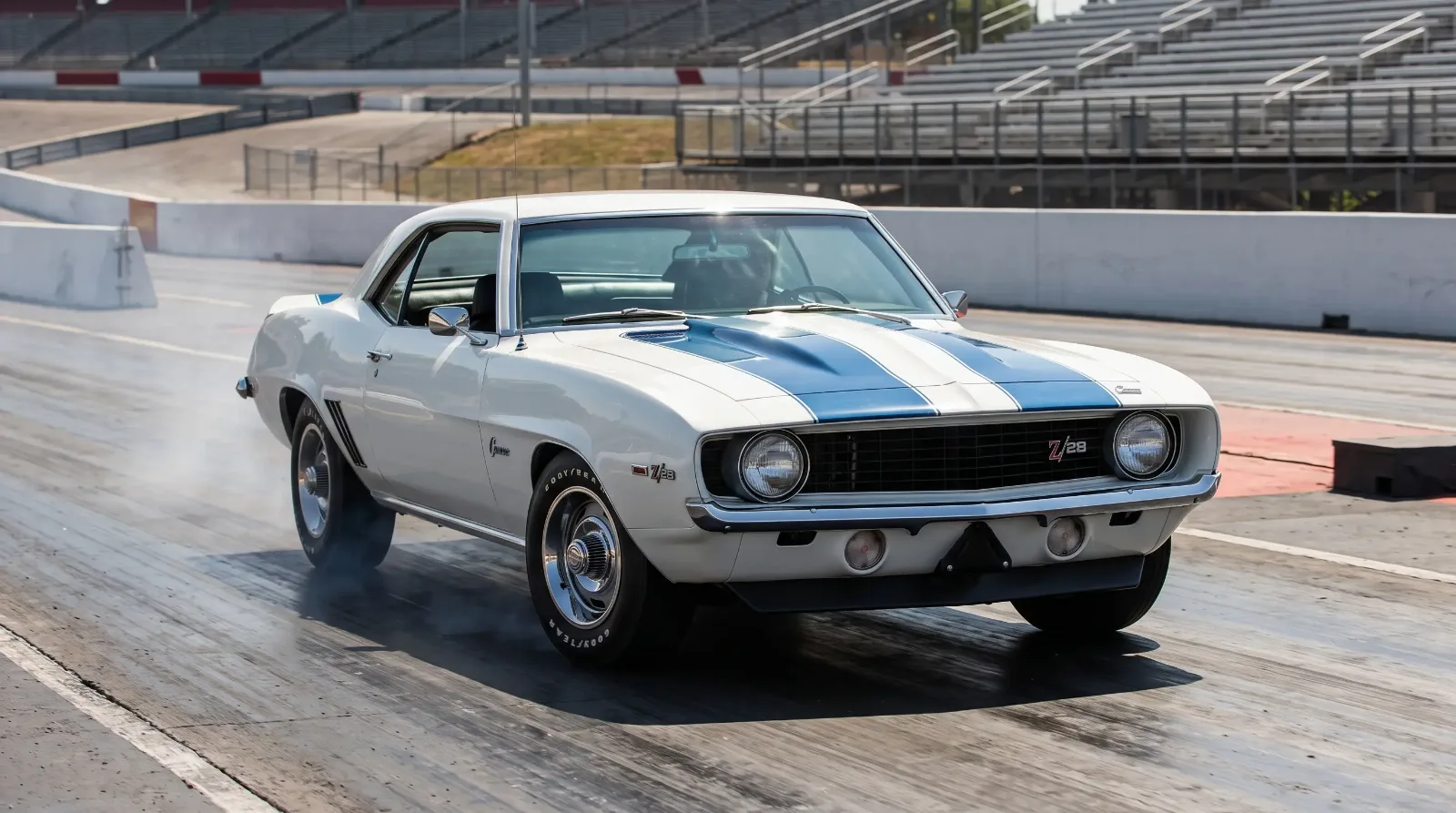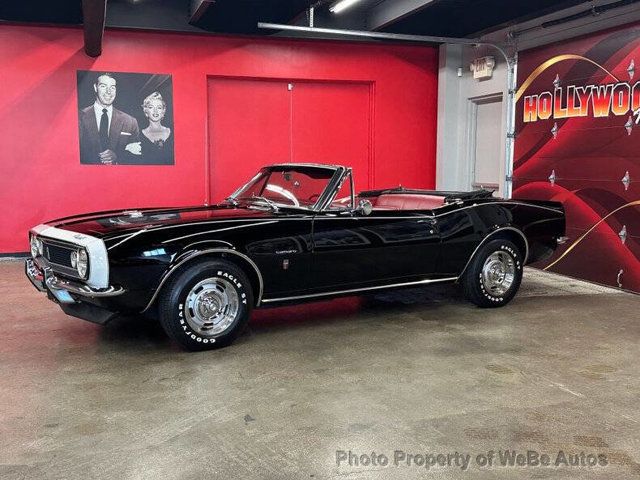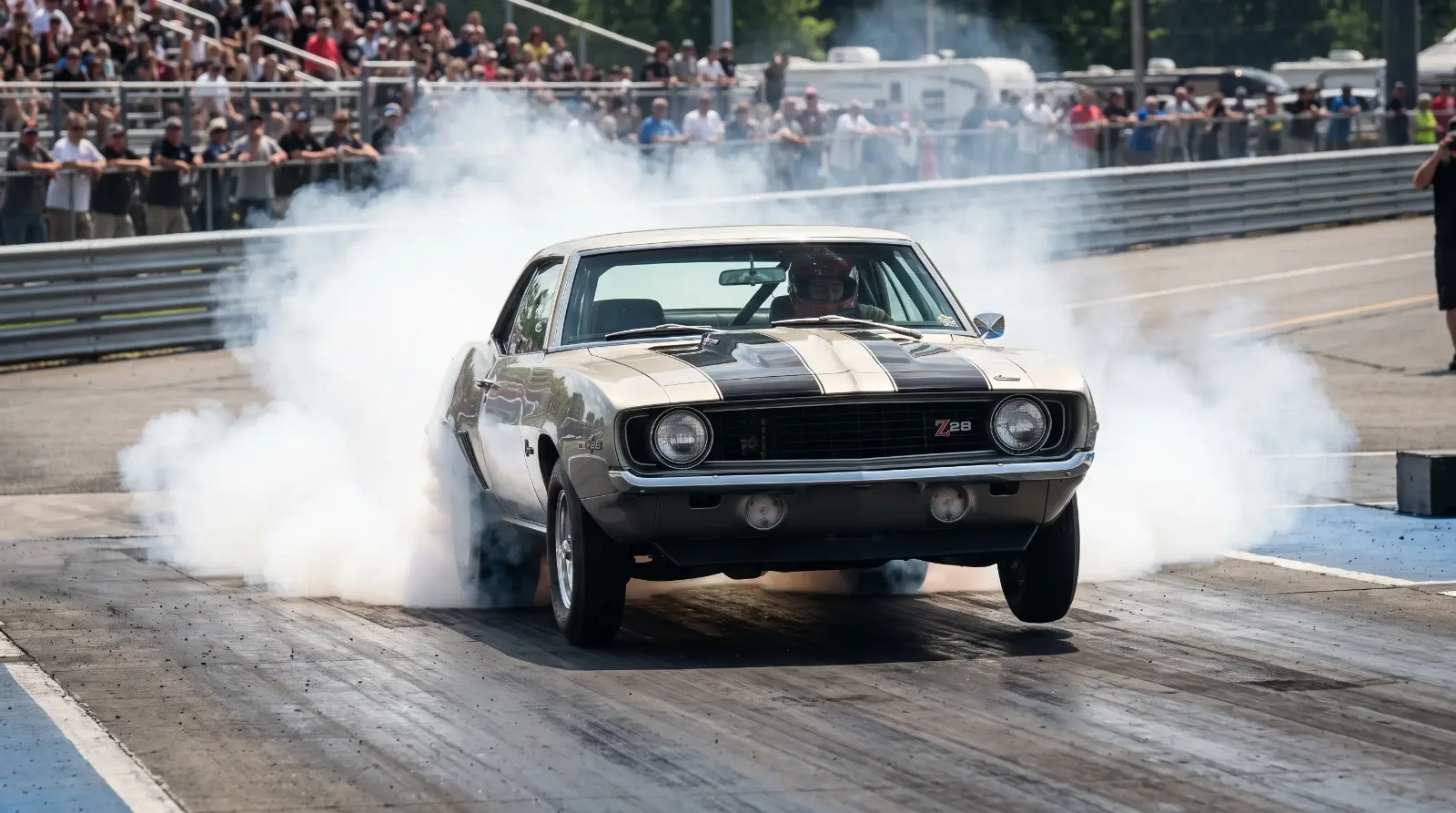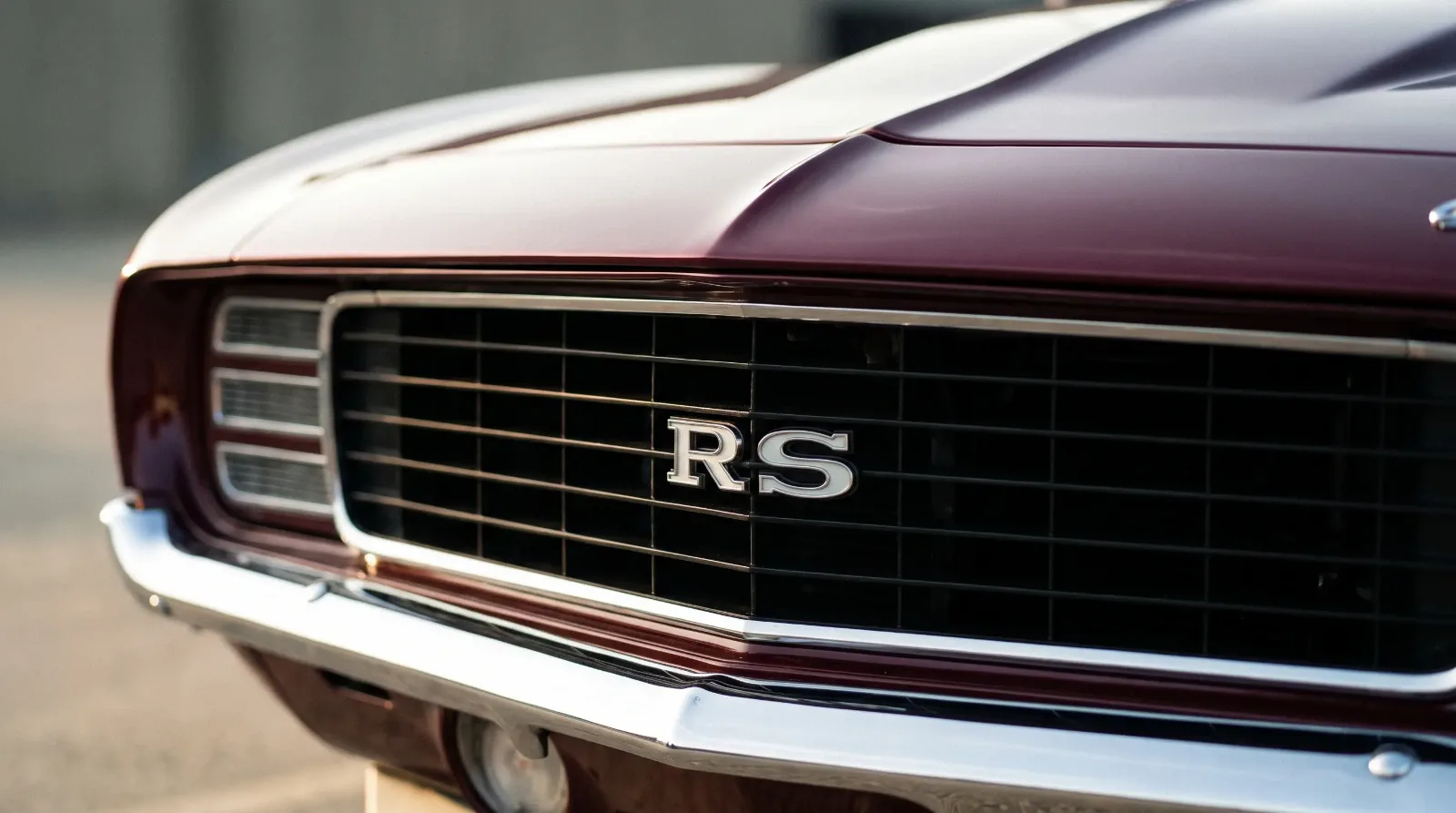

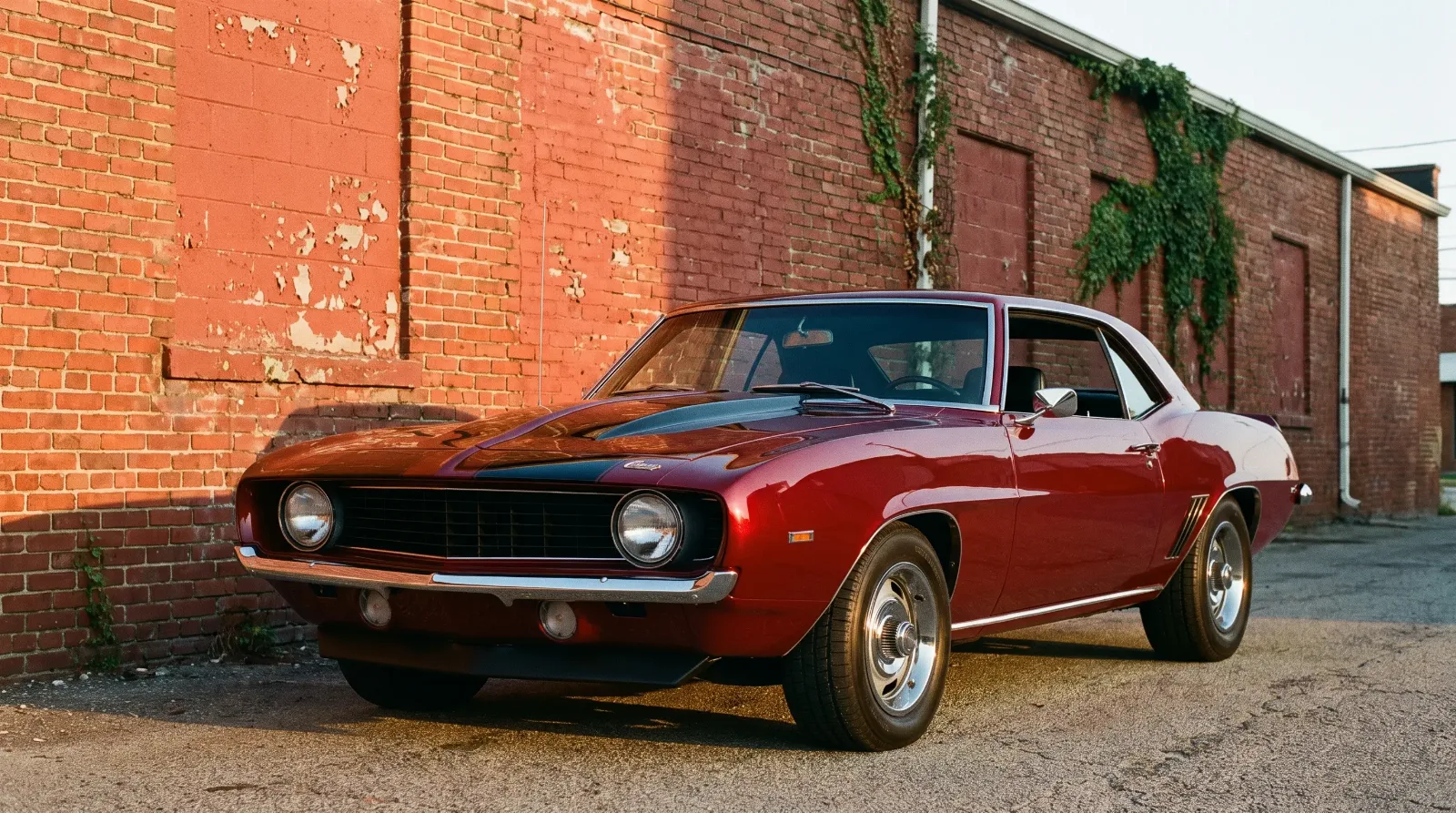
The Super Sport badge is one of the most recognizable things Chevrolet ever put on a car. It is also one of the most misunderstood. Walk any muscle car show and you will find Camaros wearing SS stripes that were optioned as base sixes, others with correct badging but the wrong engines underneath, and a handful of real ones mixed in that the owners cannot always explain properly themselves. I have been through enough of these cars to tell you what the package actually was, why the 350 and the 396 are not the same story at all, and where to look when someone tells you what you are looking at is genuine.
For a broader picture of where the SS fits into the Camaro lineup, classic Camaros covers the platform origins and the competitive pressures that shaped every option on the order sheet. The SS makes more sense once you understand what Chevrolet was trying to accomplish in 1967.
What the SS package actually was
The Super Sport package on the Camaro carried the RPO designation Z27. It was available from the start of the 1967 model year and continued through 1969 with minor changes each year. What it was not was an engine. That is the first thing a lot of buyers get wrong. The SS was an appearance and equipment package. The engine was a separate order.
When you ordered the Z27 package, you got specific exterior badging, a special hood with simulated air intakes, sport striping on the lower body, a heavy-duty suspension setup with different spring rates and shock valving than the base car, and SS-specific instrumentation. You also got a wider choice of engines than a non-SS buyer. But none of that made the engine. You ordered the engine separately, and which engine you chose determined what kind of car you were actually getting.
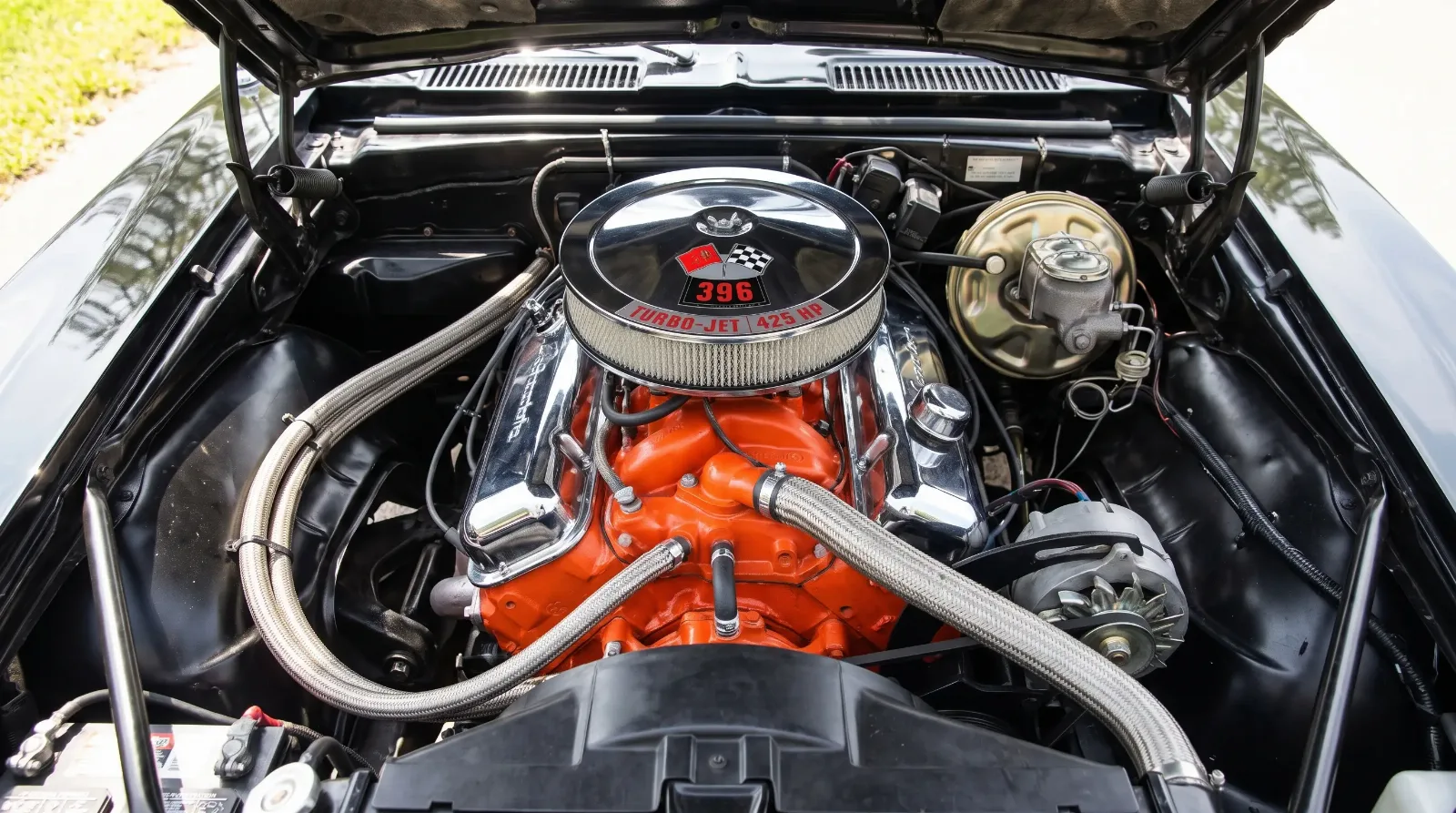
The two engine families that went into SS Camaros across 1967 to 1969 were the 350 cubic inch small-block and the 396 cubic inch big-block, called the Turbo-Jet 396 in Chevrolet literature. These are not interchangeable experiences. The 350 is a different car from the 396 in almost every practical sense, and the collector market treats them accordingly.
The SS 350: the overlooked middle child
The SS 350 paired the Z27 package with the L48 350 small-block, rated at 295 hp in 1967. Later years saw small revisions to compression and carburetion, but the fundamental character of the car stayed consistent across the three model years. It was a genuine performance car by the standards of its time: quicker than a base Camaro, pleasant to drive, easier on rear tires than anything with a 396 under the hood, and significantly cheaper to buy new.
The problem the SS 350 has always had is its position in the middle of the market. It cannot compete for collector attention with the big-block cars at the top, and it is not cheap enough to represent a budget entry point into SS ownership. A solid driver-quality SS 350 with correct equipment runs somewhere in the $25,000 to $40,000 range today, depending on year, options, and documentation. That is real money for a car that the hardcore crowd will still dismiss as a small-block SS.
What the SS 350 does have going for it is driveability. The 350 runs on modern pump gas without complaint. It does not require the mechanical sympathy that a high-compression big-block demands. If you want an SS Camaro you will actually drive regularly rather than trailer to shows, the 350 car is worth taking seriously.
The SS 396: three engines, three stories
When most people say "SS Camaro," they mean the 396 car. That is fair, because the 396 is what gave the SS package its reputation. But the 396 came in three distinct versions, and they are not the same car in a different paint color.
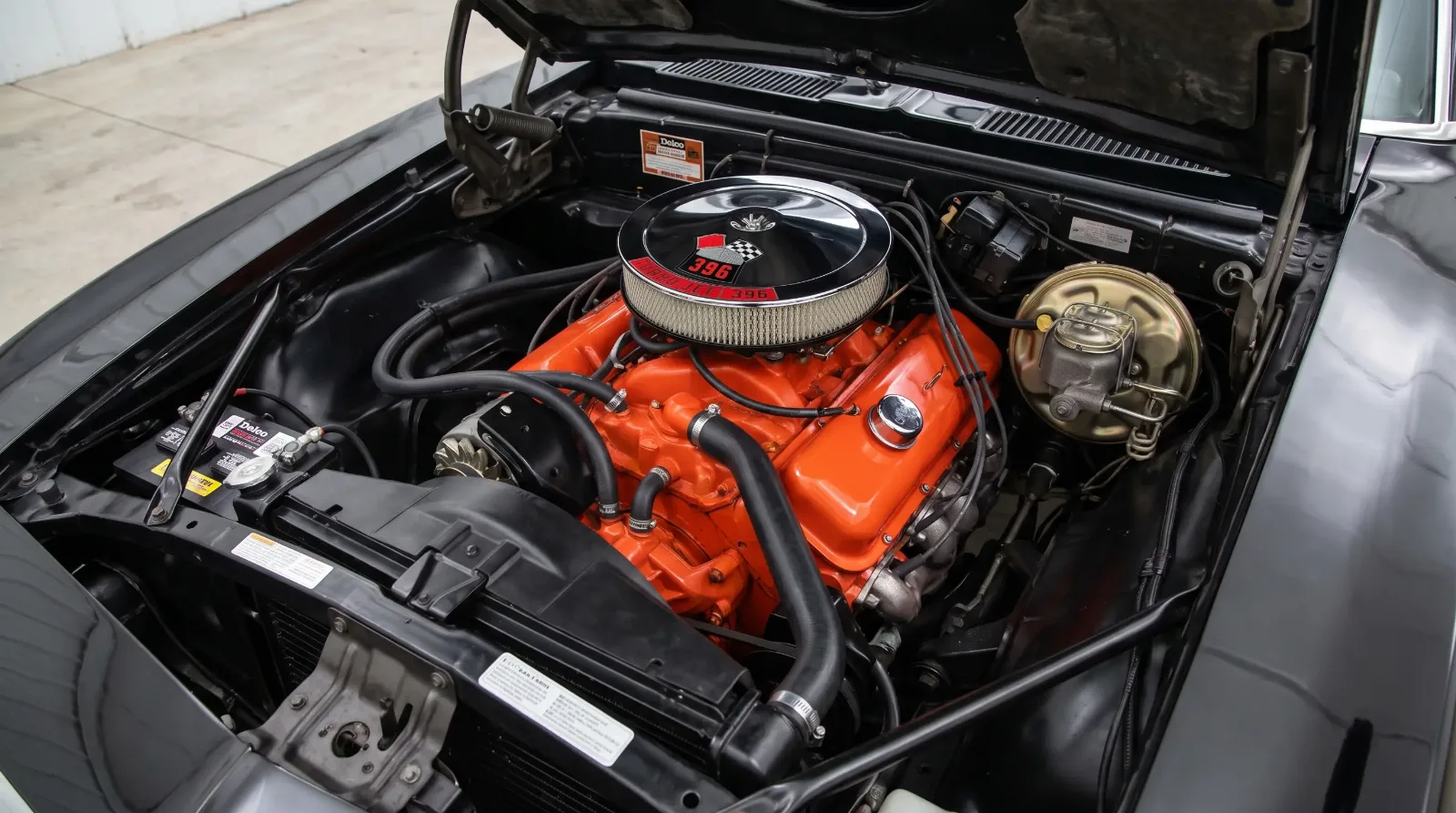
The L35 was the base 396, rated at 325 hp, with hydraulic lifters and a relatively mild state of tune for a big-block of that era. It was the entry point into 396 ownership. Torque was substantial, the car moved well, and the mechanical complexity was manageable. A lot of these went to buyers who wanted the look and the feel of a big-block car without the edge that came with the hotter versions.
The L34 stepped that up to 350 hp, again with hydraulic lifters but with revised cylinder heads and a higher-lift camshaft. The real-world difference between the L35 and the L34 is noticeable but not dramatic. Both are enjoyable to drive and both land in roughly the same collector price range today, typically $30,000 to $50,000 for solid examples with good documentation.
More in this Camaro series: read about the 1969 Z/28.
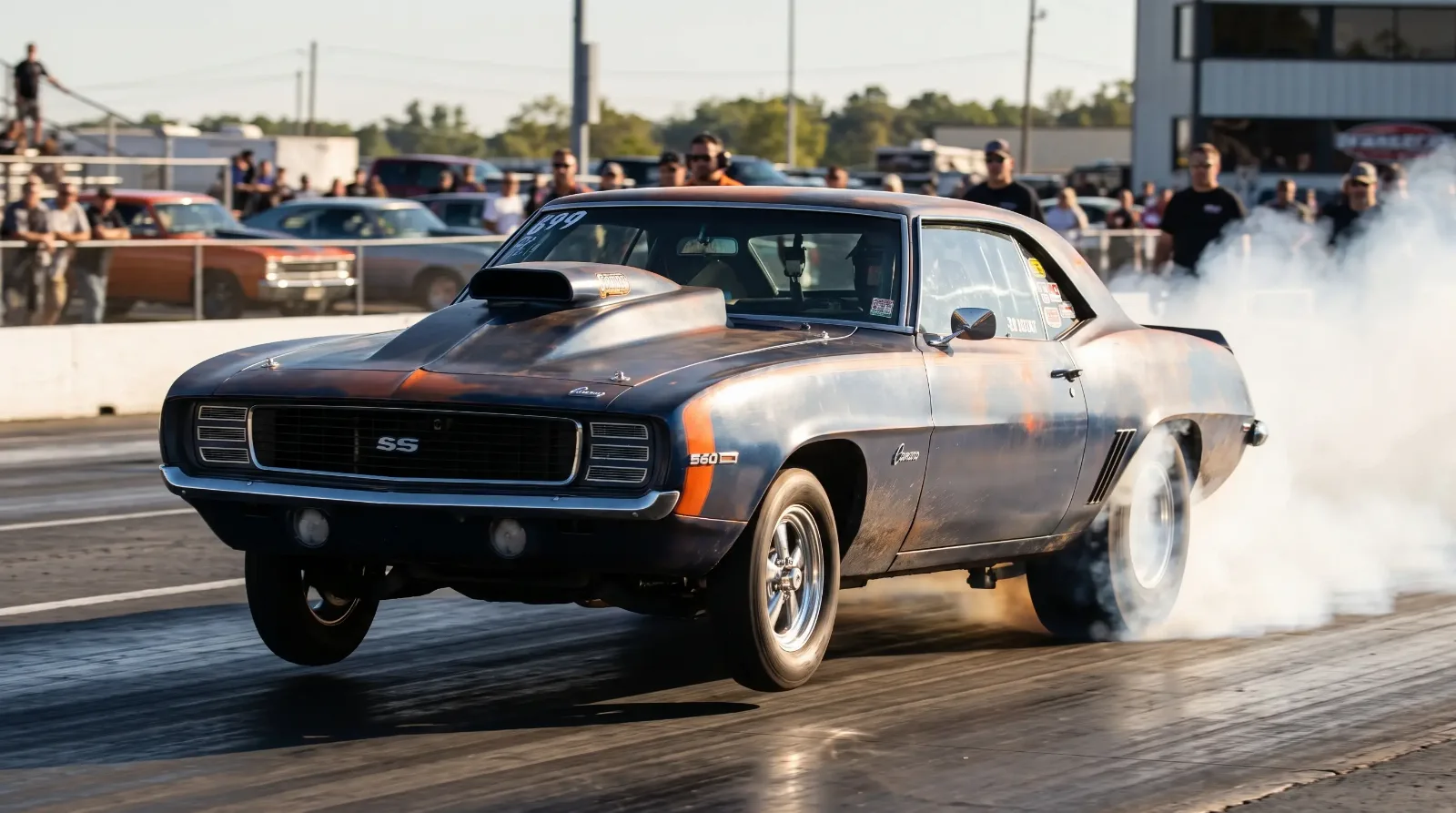
The L78 is where the story changes. Rated at 375 hp and built with solid lifters, an 11.0:1 compression ratio, and a high-lift camshaft, the L78 was a different category of car. It ran hot. It demanded premium fuel at a time when the fuel itself was better suited to it than modern gasoline is. It required regular valve adjustments. And it went like nothing else in the SS lineup. Quarter-mile times in the low 14s were achievable with a competent driver and a good launch, which put the L78 SS Camaro in legitimate competition with the full-size muscle cars of the period.
| Engine | Displacement | Rated HP | Lifters | Years offered |
|---|---|---|---|---|
| L48 (SS 350) | 350 ci | 295 hp | Hydraulic | 1967 to 1969 |
| L35 (SS 396) | 396 ci | 325 hp | Hydraulic | 1967 to 1969 |
| L34 (SS 396) | 396 ci | 350 hp | Hydraulic | 1967 to 1969 |
| L78 (SS 396) | 396 ci | 375 hp | Solid | 1967 to 1969 |
The L78 is also the engine most likely to have been modified since new. The high compression does not play well with modern pump fuel, and many owners over the decades have had the heads milled, the pistons swapped, or the compression dropped in other ways to make the car easier to live with. That is not automatically a problem if you are buying a driver, but it is a problem if someone is asking you to pay L78 numbers for what is effectively a detuned 396. Get the casting numbers and compare them to documented specifications for the year of the car.
"The L78 is the one worth knowing about, and it is the one most likely to have been messed with since it left the factory. Solid lifters, 11-to-1 compression, runs on premium that does not exist anymore the way it did in 1968. You want one, fine. Just go in with your eyes open about what it costs to keep one right."
— Mike Sullivan
How to tell a real SS from a clone
SS clones exist because the package was popular, because the badging is readily available in the aftermarket, and because adding SS stripes and a hood to a base Camaro costs a few hundred dollars and a Saturday afternoon. Some clones are innocent tribute builds that the owner has never misrepresented. Others have been presented as genuine SS cars and priced accordingly. The difference matters.
The first place to look is the trim tag, which is a small metal plate riveted to the driver-side door jamb on first-generation Camaros. The trim tag carries coded information about how the car left the factory: paint code, interior code, and a series of option codes. The Z27 code for the Super Sport package should appear on a genuine SS car trim tag. If it is not there, the package was not factory-ordered, regardless of what the body looks like now.
The second check is the partial VIN stamp on the engine block pad. On any first-generation Camaro, the last eight digits of the VIN should be stamped on the front of the engine block at the pad just forward of the cylinder head. The suffix after those digits identifies the engine code: L48 for the 350, L35/L34/L78 for the 396 variants. A block pad that does not match the VIN means the engine has been swapped at some point, which is worth knowing before you pay for a specific engine configuration.
For a full picture of the performance variants that share DNA with the SS, the Camaro performance legends article covers the Z/28, the COPO cars, and the Yenko Super Camaros that occupied the top of the Camaro hierarchy in this period. Knowing where the SS sits relative to those cars helps calibrate what you are actually buying.
The third check is the broadcast sheet. Not every car has one surviving, but on genuine SS cars with any kind of documented history, a broadcast sheet or window sticker that lists the Z27 package is significant evidence. Broadcast sheets were production documents used on the assembly line and were sometimes tucked under rear seat cushions or glued to the underside of trunk lids. They are worth looking for before concluding a car has no paperwork.
Where to find real SS Camaros now
The market for first-generation SS Camaros is active and has been for long enough that most of the raw speculation has settled. What drives value now is documentation, originality, and honest condition assessment. A well-documented L78 SS 396 with a matching-numbers drivetrain and a clean trim tag will trade at a premium to an undocumented car in comparable visual condition, and the gap has been widening as buyers in this segment get more educated about what the paperwork actually means.
Driver-quality SS 396 cars without strong documentation typically land between $35,000 and $55,000 at auction, depending on condition and which 396 variant is aboard. L78 cars with solid provenance push into the $60,000 to $85,000 range. Cars at the concours end of the spectrum with documented build sheets and correct everything can exceed those figures depending on year and color combination.
If you are ready to start looking at actual inventory, the Camaro SS cars for sale listings show current availability with enough detail to begin separating the documented examples from the ones that need more questions answered before you write a check.
The SS package was never the most exotic thing Chevrolet put in a Camaro. The Z/28 was more focused, the COPO cars were more extreme. But the SS 396, especially the L78, was the car that most buyers could actually order through a dealer without knowing the right people or working around corporate policy. That accessibility is part of why there are enough of them to have a real market today, and part of why the clone problem exists alongside it. Know what you are looking at before you decide what it is worth.
Sources and notes
Production figures, engine specifications, codes, and dates in this article are cross-referenced from established Camaro references, period documentation, and owner registries. Where sources differ, the most commonly cited value is used. Cost figures are indicative and vary by supplier, region, and condition.
- CRG Research Report - 1967-69 Camaro Drivetrain Decoding (Camaro Research Group)
- Chevy 396 & 402 Big Block Guide - Complete Specs and History (Muscle Car Club)
- Real Story Behind the 1965-1970 Chevy L78 396 V8 - Old Car Memories
- Camaro VIN, Cowl Tag, and Numbers Decoding (Camaro Research Group)
- 1969 Chevrolet Camaro Fact Sheet - Over-Drive Magazine