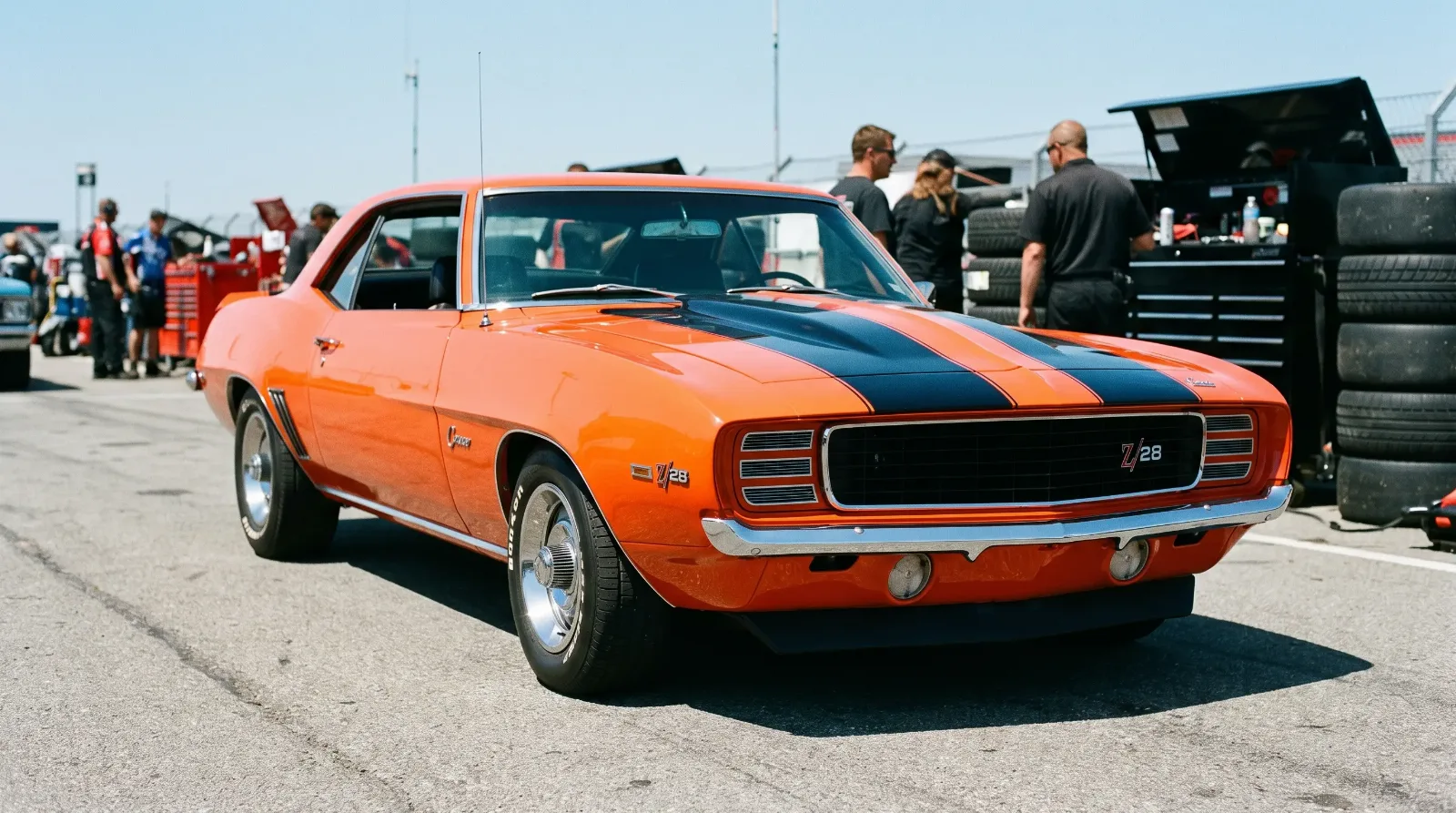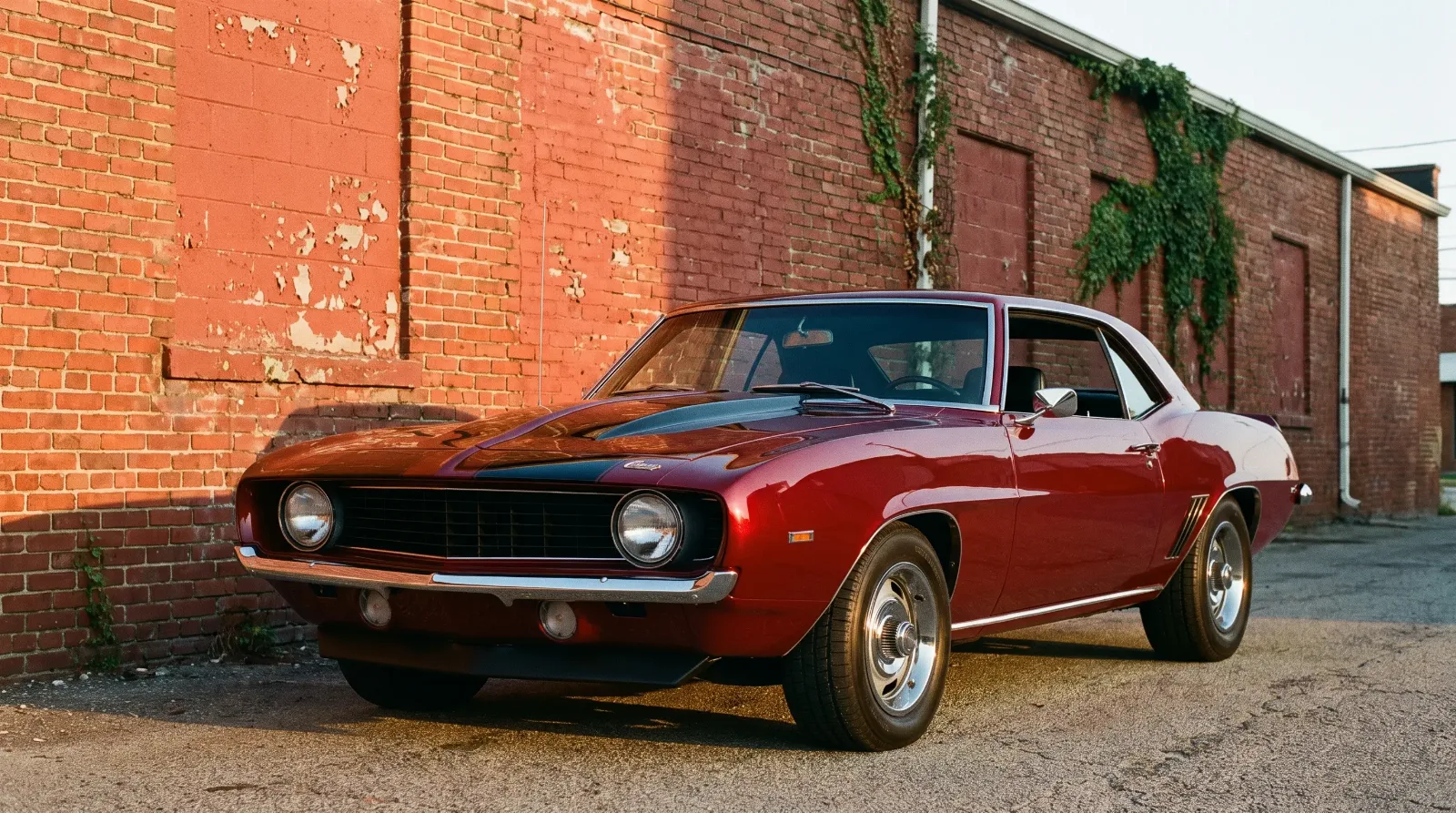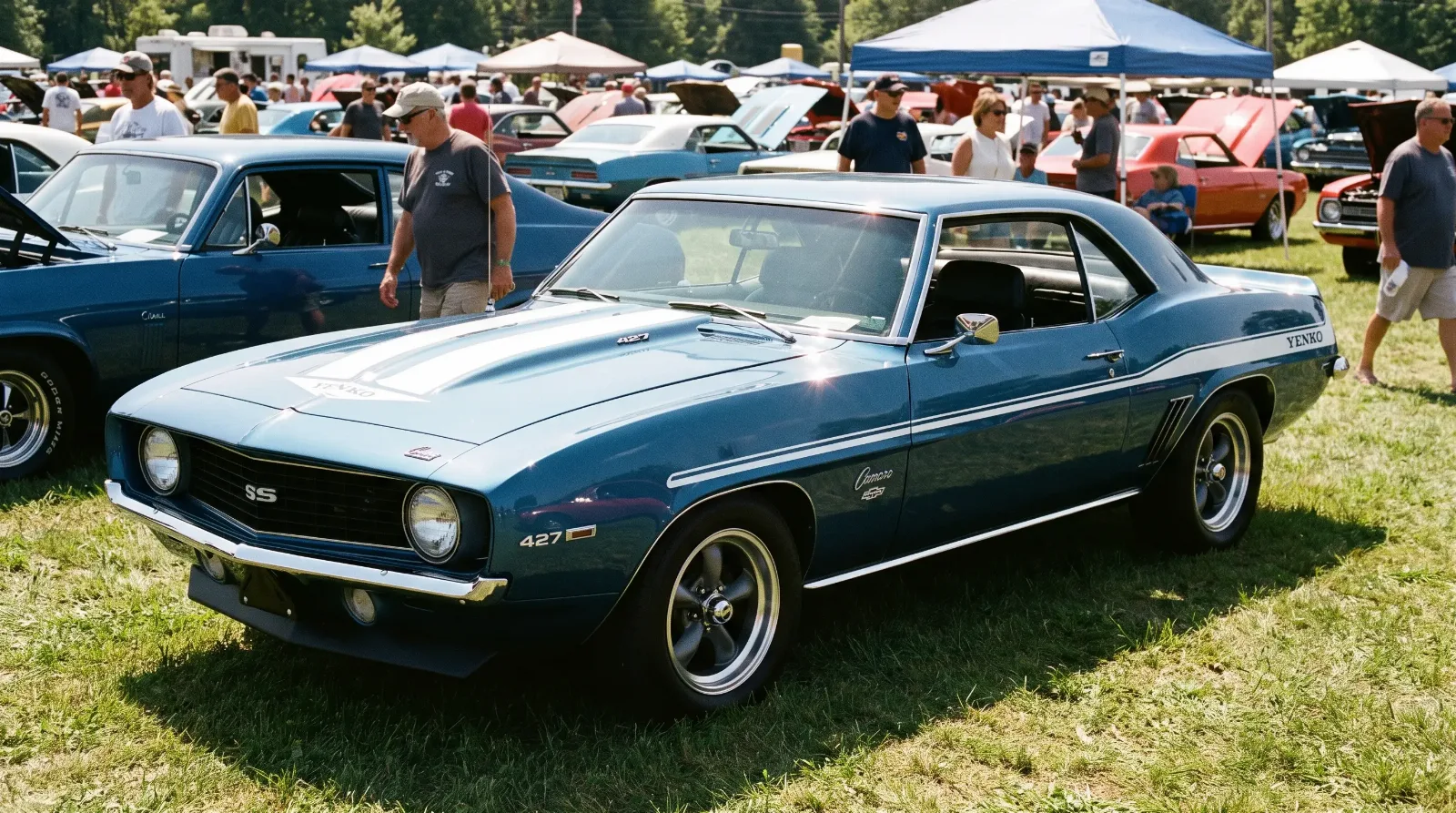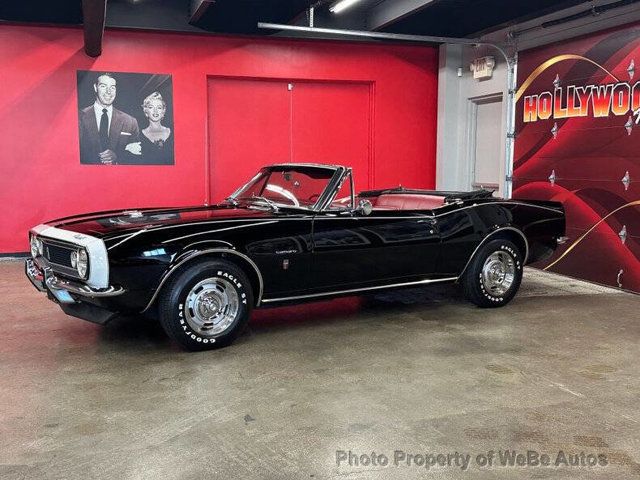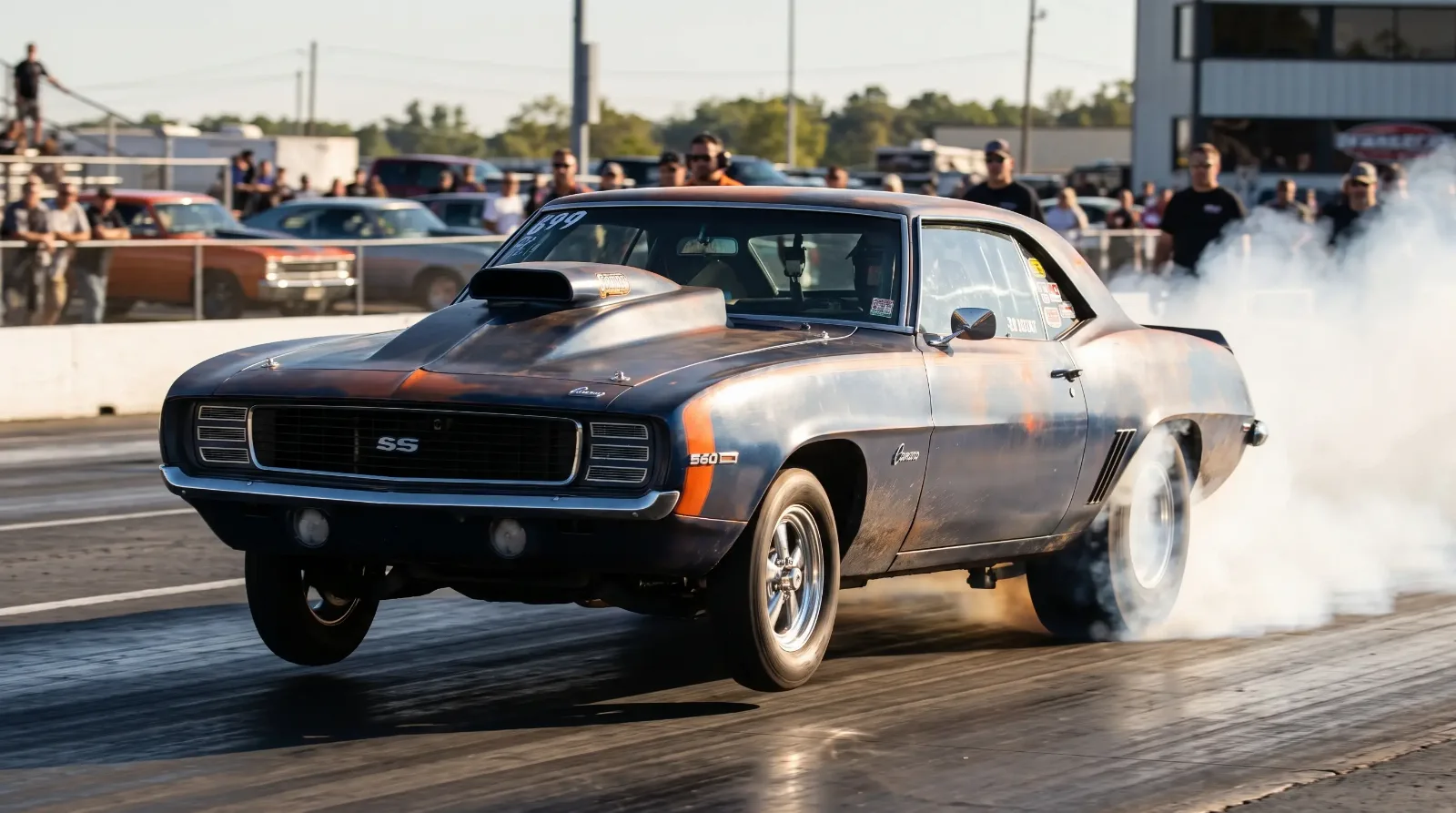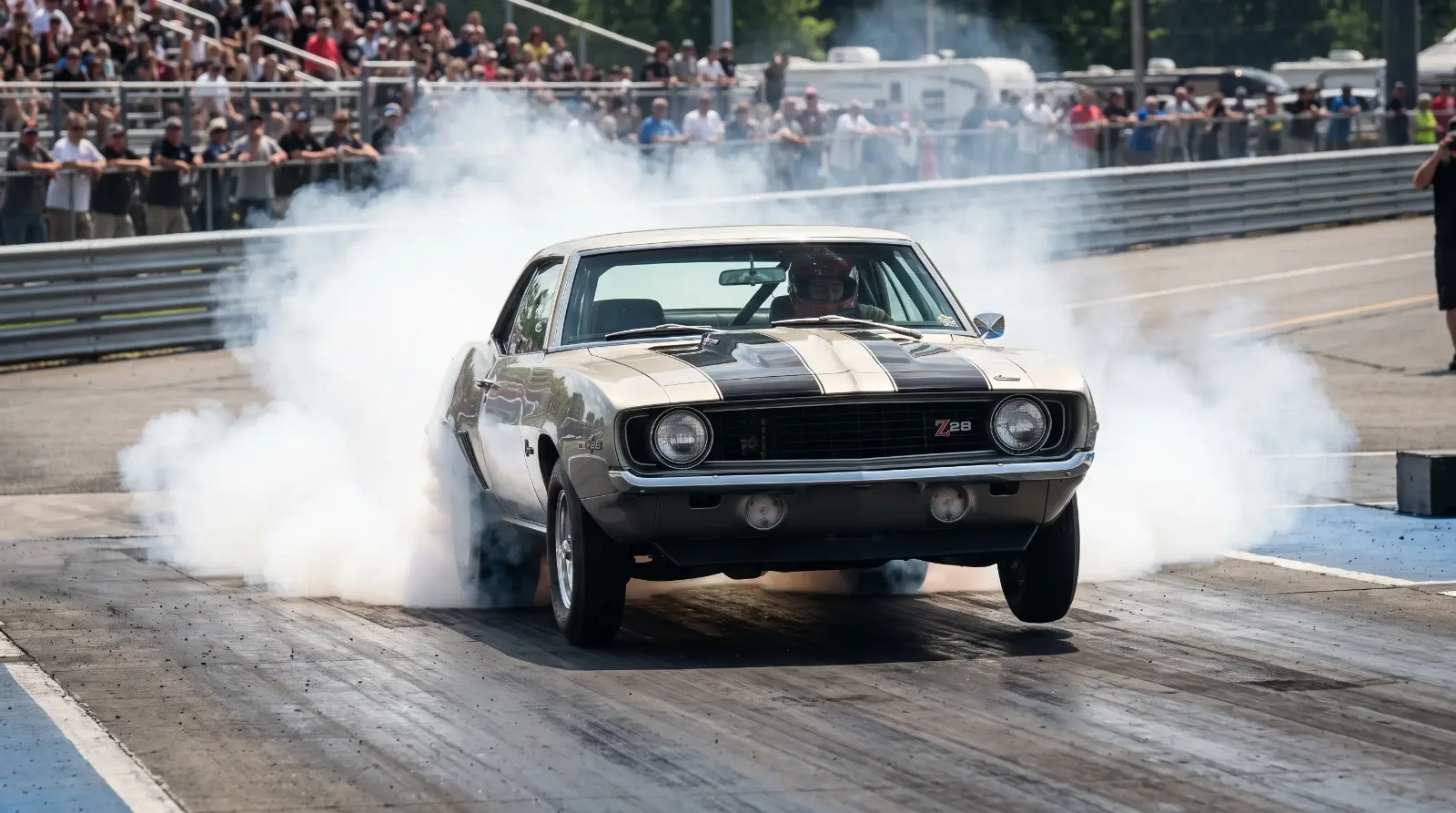
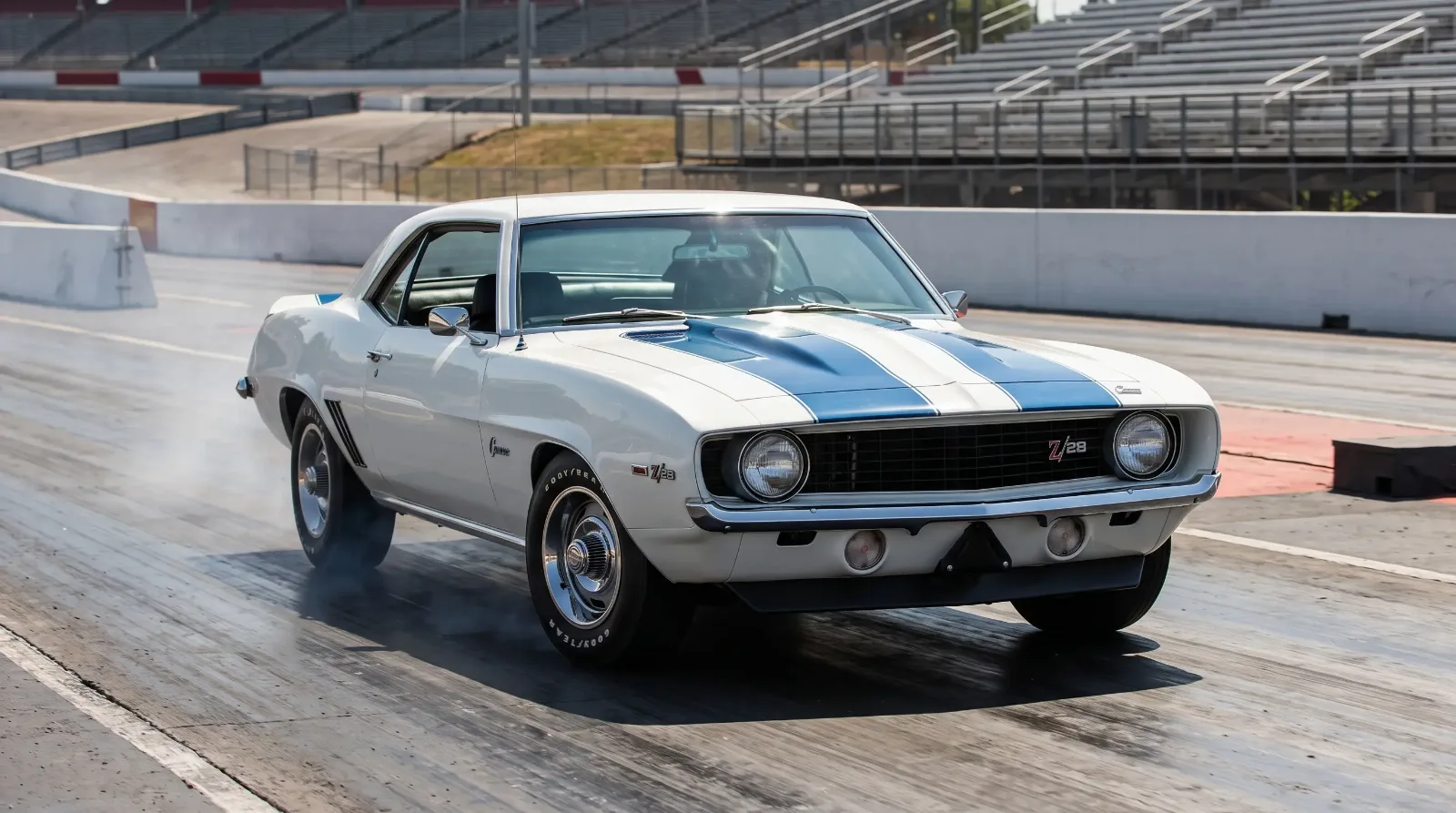
The 1969 Camaro Z/28 is one of those cars that gets talked about more than it gets understood. People know the name. They know it was fast. What they do not always know is that it existed because of a rulebook, not because Chevrolet wanted to build a street car. Understanding that context is the difference between knowing what a Z/28 is and knowing what to look for when you find one.
Why the Z/28 existed at all
The Sports Car Club of America's Trans-Am series had a displacement limit of 305 cubic inches for its main class. Chevrolet wanted Camaros on the Trans-Am grid in 1967, which meant they needed a homologation engine, and homologation meant selling it to the public. The result was the 302 cubic inch small-block, a combination nobody had ever offered before: a 327 block bored to 4.00 inches and a 283 crank with a 3.00-inch stroke. Short stroke, high revs. That was the whole idea. If you want the full story of how the Z/28 fits into Chevrolet's performance history alongside the SS and COPO models, Camaro Z/28, SS and COPO legends covers all three lines in one place.
The Z/28 package was not a separate model. It was a Regular Production Option, RPO Z/28, and Chevrolet barely advertised it. In 1967 they built 602 of them. By 1969, with Trans-Am wins behind them and word out on the street, production reached 20,302 units. That jump tells you everything about how the car's reputation built.
The DZ 302 engine
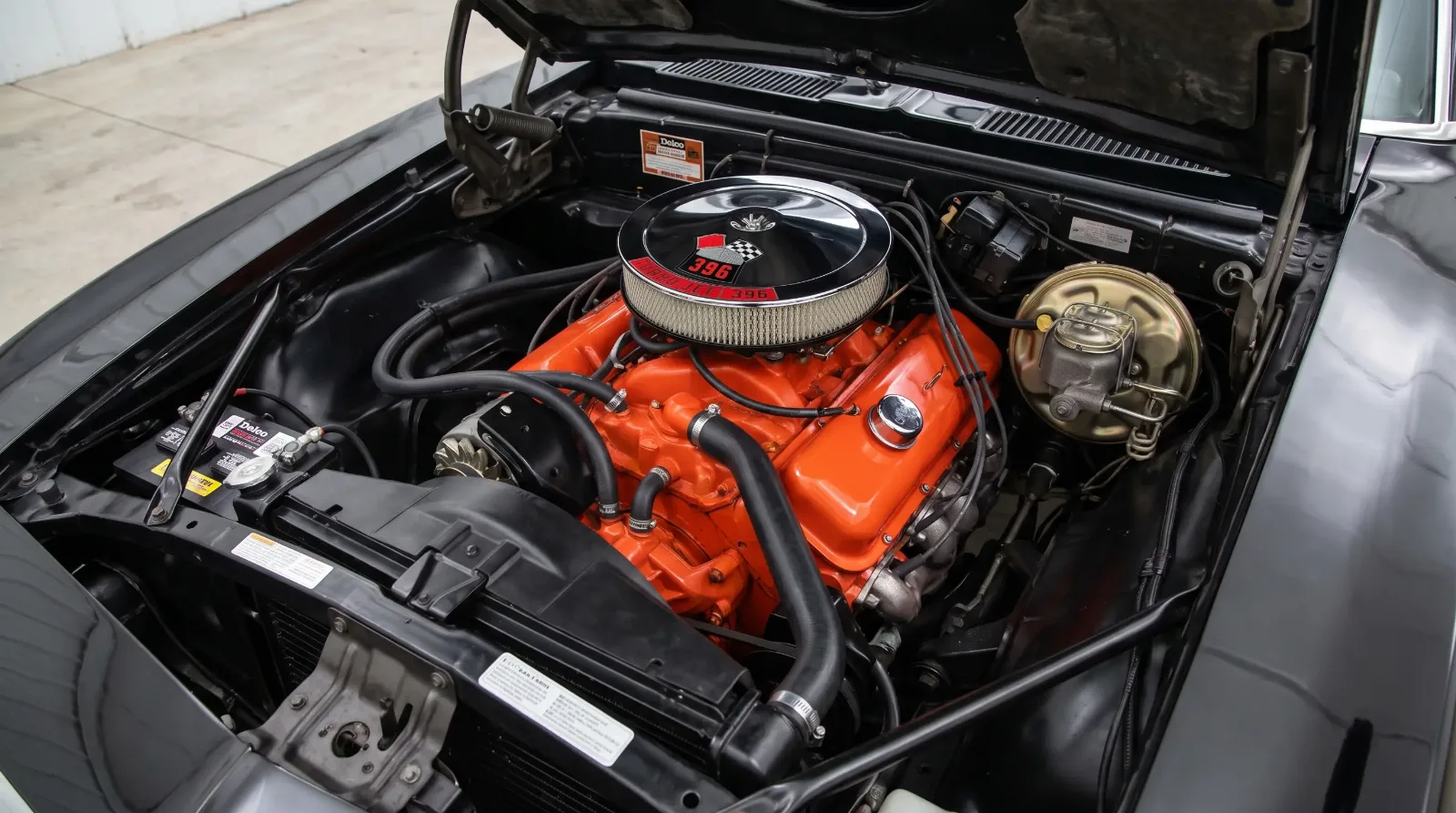
The engine code you want to see is DZ. The DZ 302 is what Chevrolet actually put in the 1969 Z/28, and it is not a detuned racing engine, it is a high-winding street engine built on racing principles. Solid lifters, 11.0:1 compression, a big Holley 780 cfm carburetor on a high-rise intake, and heads that flowed well for the time. Chevrolet rated it at 290 horsepower, which almost nobody believed then and almost nobody believes now. The actual number was probably closer to 350 horsepower at the flywheel, maybe more. The factory understated it deliberately, partly for insurance reasons and partly because they were not going to advertise how hard this thing actually pulled.
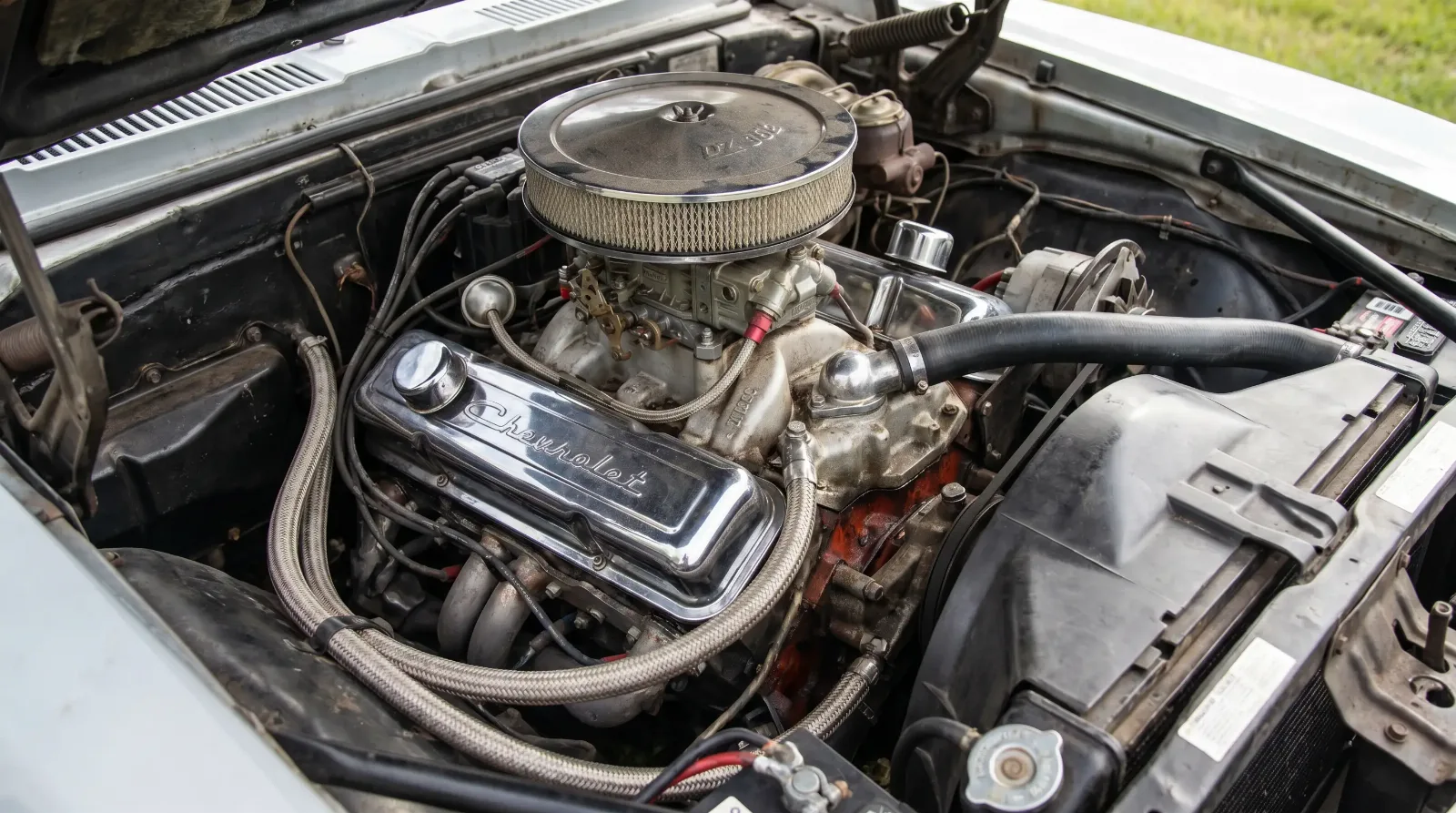
The DZ also came with a transistorized ignition and a rev limiter set at around 7,000 rpm. High-rpm reliability was the whole point. These engines were built to run hard, and the ones that have been maintained correctly still do. What kills them today is the same thing that killed them then: overheating from neglected cooling systems and the wrong oil for solid-lifter valvetrains.
| Specification | Detail |
|---|---|
| Engine | DZ 302 V8 (solid lifter small-block) |
| Displacement | 302 cu in (327 block, 283 crank) |
| Compression | 11.0:1 |
| Advertised horsepower | 290 hp (actual output significantly higher) |
| Carburetor | Holley 780 cfm four-barrel |
| Transmission options | Muncie 4-speed close-ratio or Turbo-Hydramatic 350 |
| Rear axle (standard) | Positraction 3.73:1 |
| 1969 production | Approximately 20,302 |
What makes 1969 the icon year
There were three model years of first-generation Z/28: 1967, 1968, and 1969. The 1967 is the rarest by far and commands a premium among collectors who care about originality and the earliest expression of the concept. The 1968 is solid but sits between years. The 1969 is the one that most people are actually talking about when they say Z/28.
The 1969 got a restyled body that many consider the best-looking of the three years. The front end is more aggressive, the rear spoiler became a factory option, and the overall proportions are sharper than the 1967-1968 cars. Chevrolet also refined the suspension tune that year, and the car was better to drive on a road course than earlier examples. Penske and Donohue had already won the Trans-Am championship with the Camaro in 1968 and 1969. That track record was sitting in the background when buyers walked into showrooms.
Keep going in this series with the Yenko 427s.
"I've gone through a lot of these engines over the years, and the DZ 302 is one of the more honest pieces Chevrolet built in that era. What it says on the outside is pretty close to what you find inside, as long as nobody has been in there before you. The problem is somebody almost always has been."
— Mike Sullivan
Spotting a real Z/28
Camaros have been cloned, optioned, and re-badged since the moment collectors started paying real money for the Z/28. A real one needs to be verified through the VIN, the trim tag (also called the cowl tag), and ideally the partial VIN stamped on the engine pad. Here is what to look at.
The VIN on a 1969 Camaro is located on the dash, driver's side, visible through the windshield. Note that the first-generation Camaro VIN does not encode the engine, so the VIN alone cannot confirm a Z/28; the engine is verified through the partial VIN stamped on the engine pad and, on Norwood-built 1969 cars, the X33 or X77 code on the cowl tag. The cowl tag is riveted to the firewall on the driver's side and lists the paint code, trim code, and build date. If the car has been repainted, the cowl tag should still show the original color. If the tag is missing, that is a problem worth understanding before you proceed.
The partial VIN stamped into the engine pad should match the last eight digits of the dashboard VIN. Mismatched pads mean the engine was replaced at some point, which is not uncommon after 55-plus years, but it changes the car's value significantly. A numbers-matching Z/28 is worth materially more than one with a correct-type replacement engine. How much more depends on condition and documentation, but the difference can be $30,000 or more at the top of the market.
For anyone actively looking at examples for sale, the Camaro Z/28s for sale listings are worth sorting by documentation status. Cars with build sheets and trim tags photographed are easier to evaluate before you make the trip.
What these cars cost today and what moves the price
The 1969 Z/28 market has been firm. Driver-quality cars with documented but non-matching engines have been trading in the $45,000 to $65,000 range depending on color and options. Numbers-matching cars in good driver condition start around $75,000 and climb from there. Concours-quality, documented, correct-color examples with build sheets have hammered above $120,000 at auction in recent years. Those figures move based on color: Fathom Green, Hugger Orange, and the black-over-black combinations carry a premium. Corporate White over black interior is as close to a no-wrong-answer color combination as exists on these cars.
Options matter too. Cars with the front and rear spoiler package, the cowl induction hood (available in 1969), and the correct Turbo-Hydramatic or close-ratio Muncie are more complete. A stripped Z/28 with no documentation is a different conversation from a fully optioned car with a trim tag, window sticker, and engine pad match.
The solid-lifter engine, the Trans-Am connection, the 1969 styling refresh, and the relatively accessible entry point compared to a first-year 1967 car all add up to why the 1969 Z/28 occupies the position it does. It is not the most expensive first-generation Camaro you can buy, but it is the one that most completely expresses what the car was originally for.
Sources and notes
Production figures, engine specifications, codes, and dates in this article are cross-referenced from established Camaro references, period documentation, and owner registries. Where sources differ, the most commonly cited value is used. Cost figures are indicative and vary by supplier, region, and condition.
- CRG Research Report - The First-Generation Camaro Z/28 (Camaro Research Group)
- Camaro VIN, Cowl Tag, and Numbers Decoding (Camaro Research Group)
- 1968-1969 Camaro Holley Carburetor 4053 780 CFM Z/28 DZ - Camaro Central
- 1969 Z/28 Specifications - Z28.net
- The Heart Of A Legend: First-Gen Z/28 Camaro's DZ 302 - Chevy Hardcore