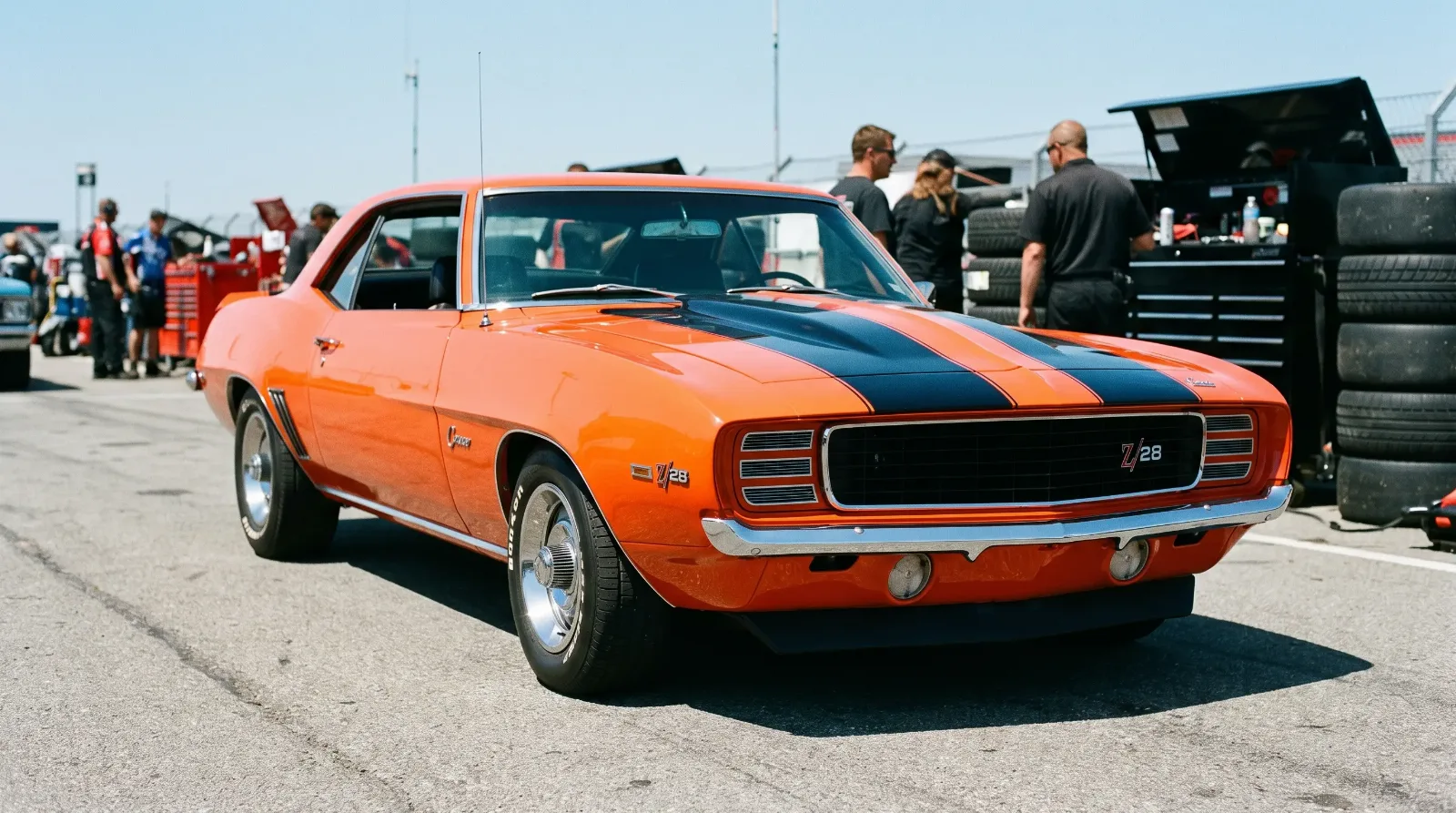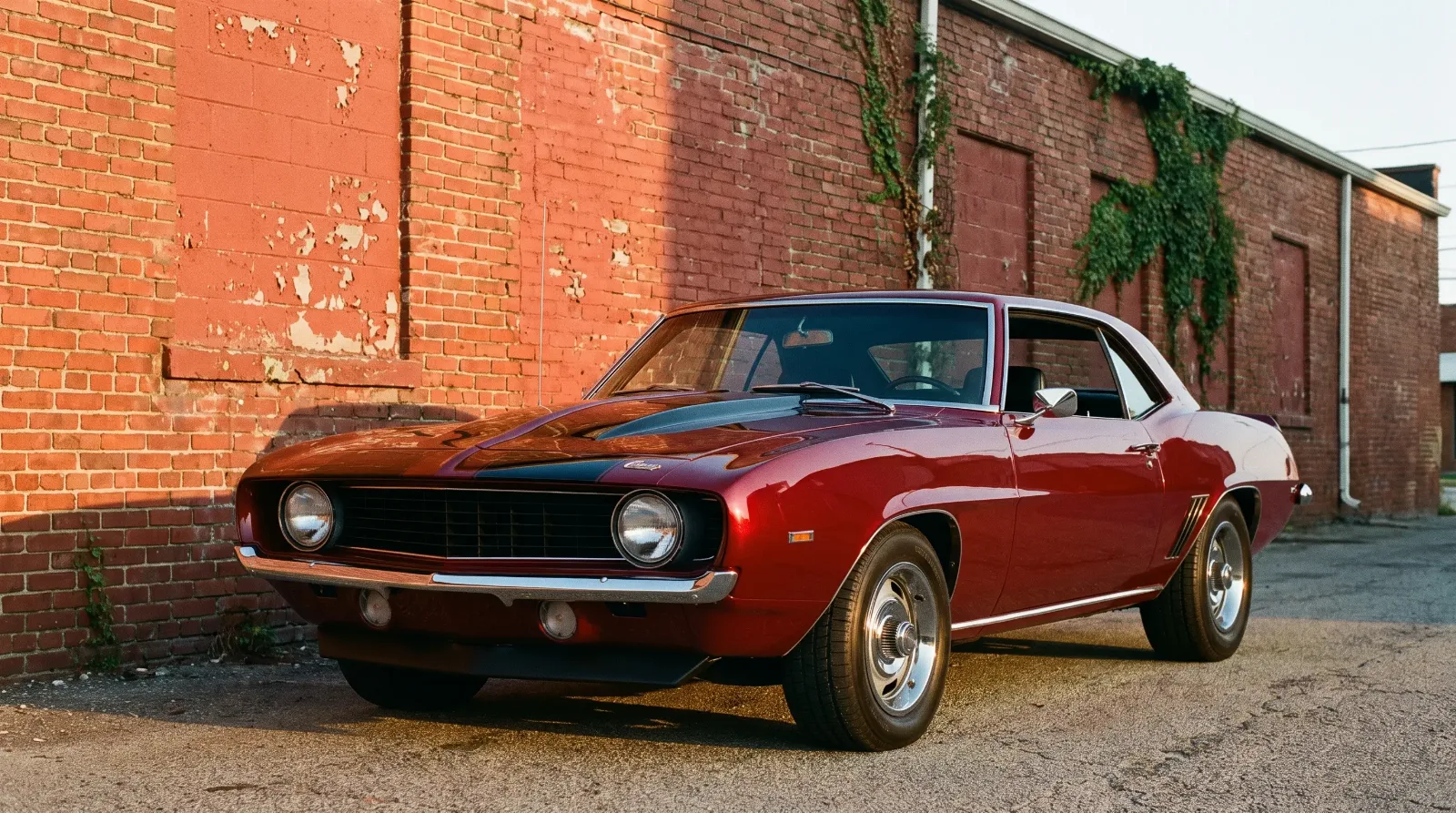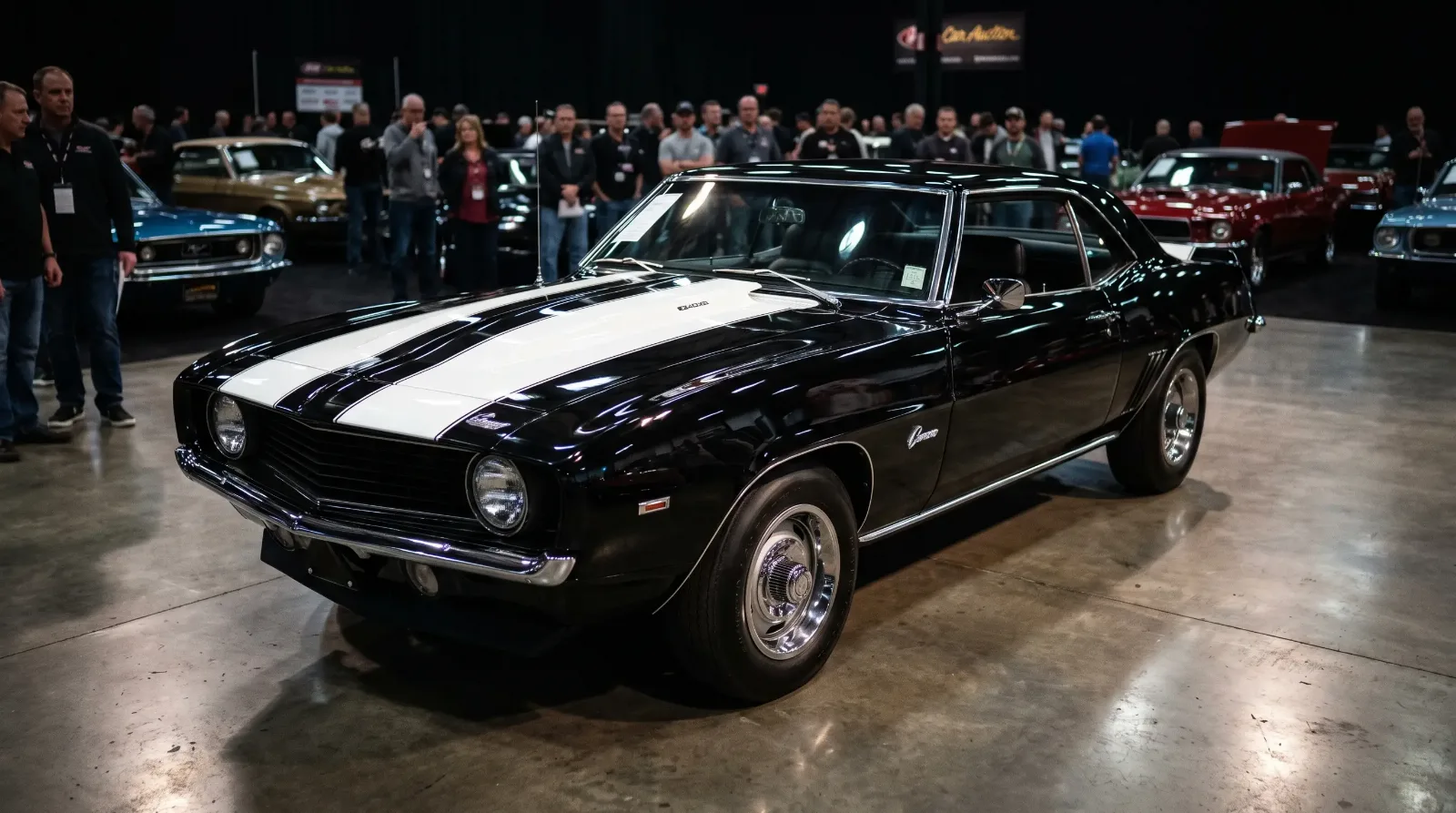
At the base of a car's windshield, where the hood meets the glass, air pressure builds as the vehicle moves forward. Engineers call this area the high-pressure zone, and the pressure differential there compared to other points on the hood surface is measurable and consistent. Chevrolet's performance engineers in the late 1960s recognized this and used it. The result was camaro cowl induction, a functional hood that drew cool, dense, high-pressure air from the base of the windshield and directed it down into the engine's air cleaner. It was not a styling exercise. It worked.
The engineering behind the cowl scoop
Conventional hood scoops, the forward-facing type that points into oncoming airflow, can create positive pressure at the carburetor inlet. But they also ingest warm engine-bay air and can suffer from turbulence at certain speeds. The cowl location solves both problems. Air at the windshield base is shielded from direct engine heat by the hood itself, keeping it cooler and denser than air drawn from the front of the engine compartment. The high-pressure zone at the cowl is also stable across a wide range of vehicle speeds, unlike some forward-facing designs that build pressure only in a narrow speed range.
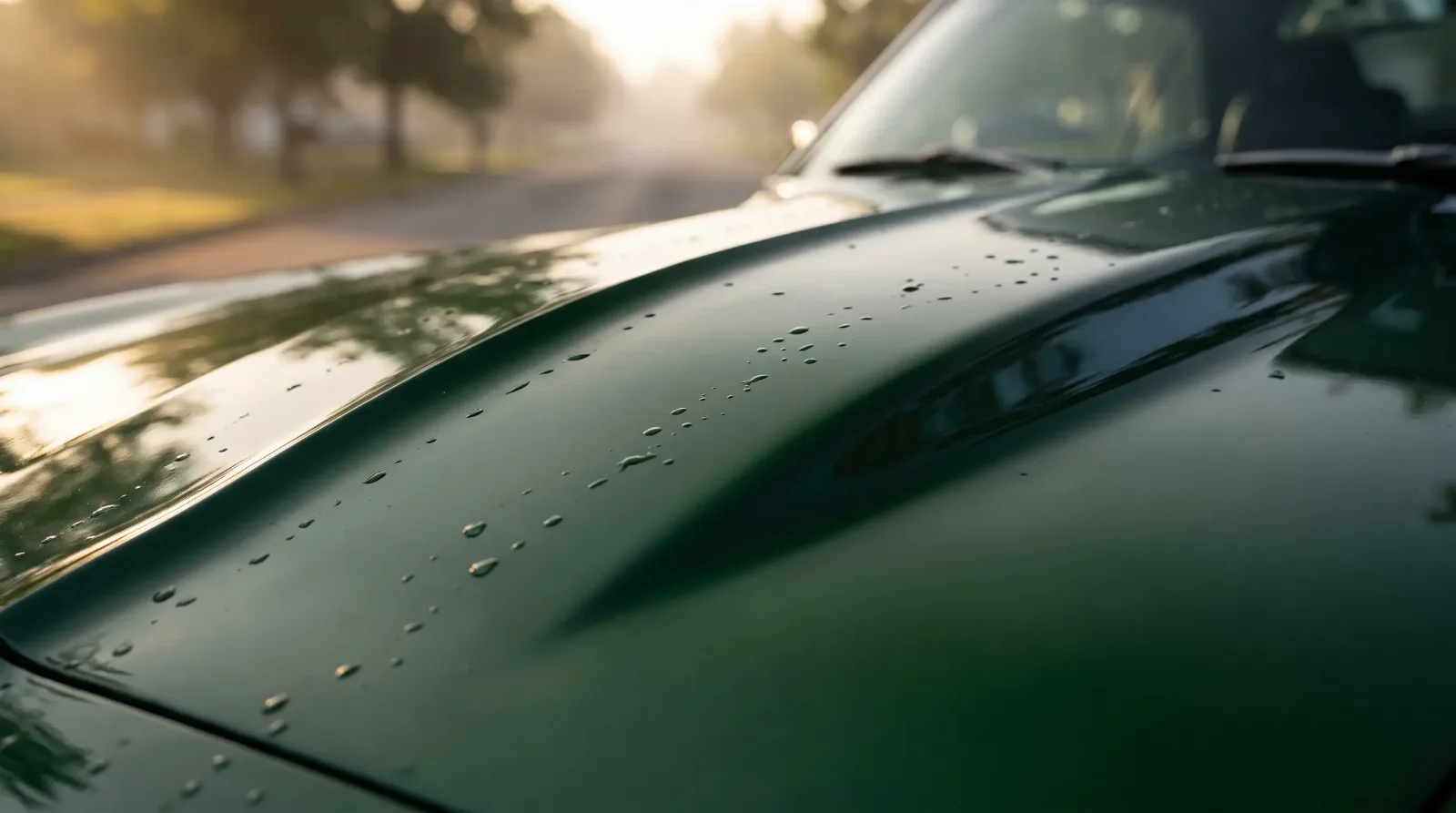
On the Camaro, the cowl induction hood featured a rear-facing scoop opening near the back edge of the hood. A flapper valve or door operated either mechanically or through a vacuum system opened the scoop under full-throttle conditions, allowing the high-pressure air to flow through the hood to the air cleaner. At part throttle and idle, the valve remained closed, preventing rain and debris from entering the intake path. This was a practical system, not just a visual one.
Which Camaros came with cowl induction
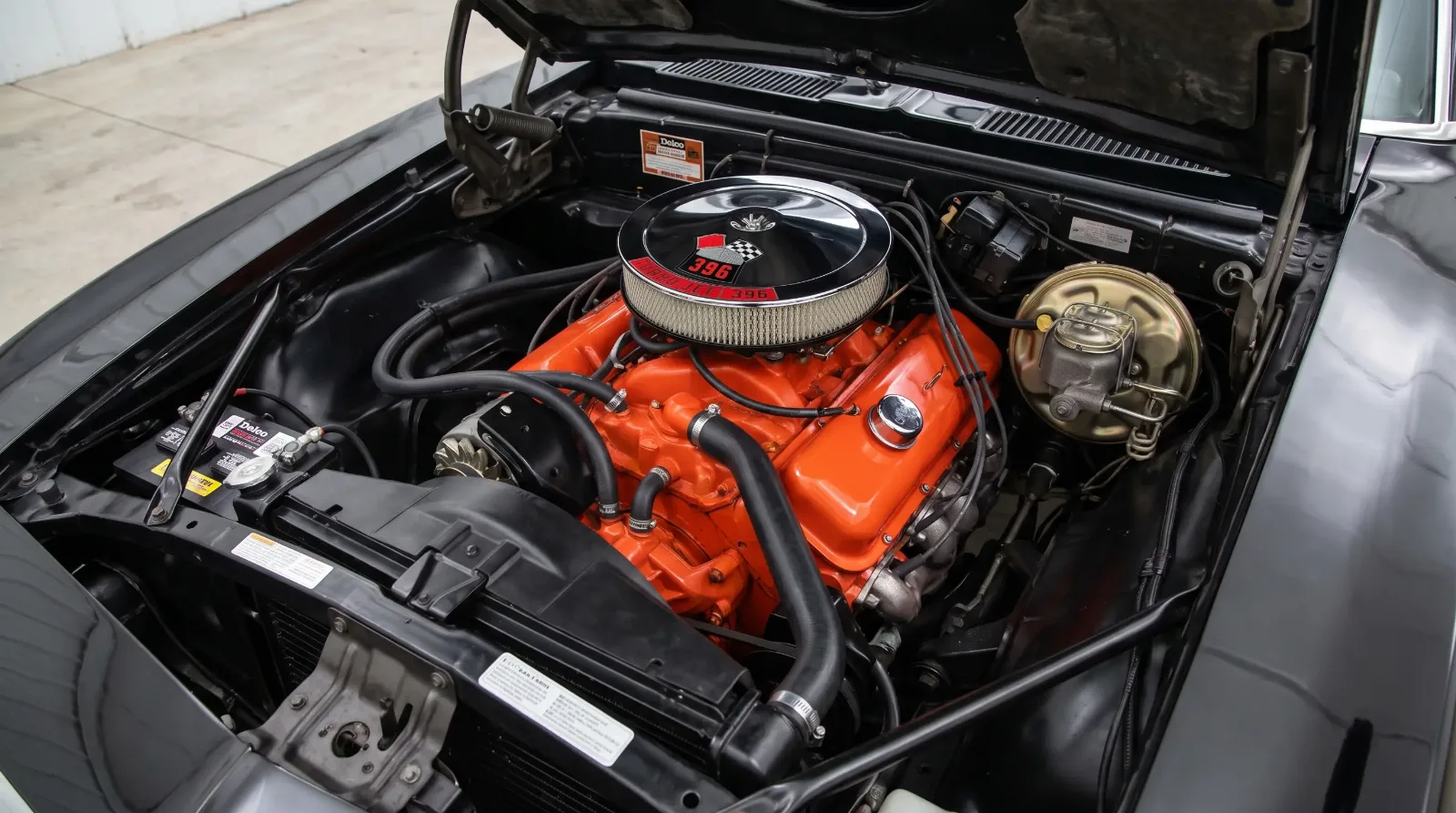
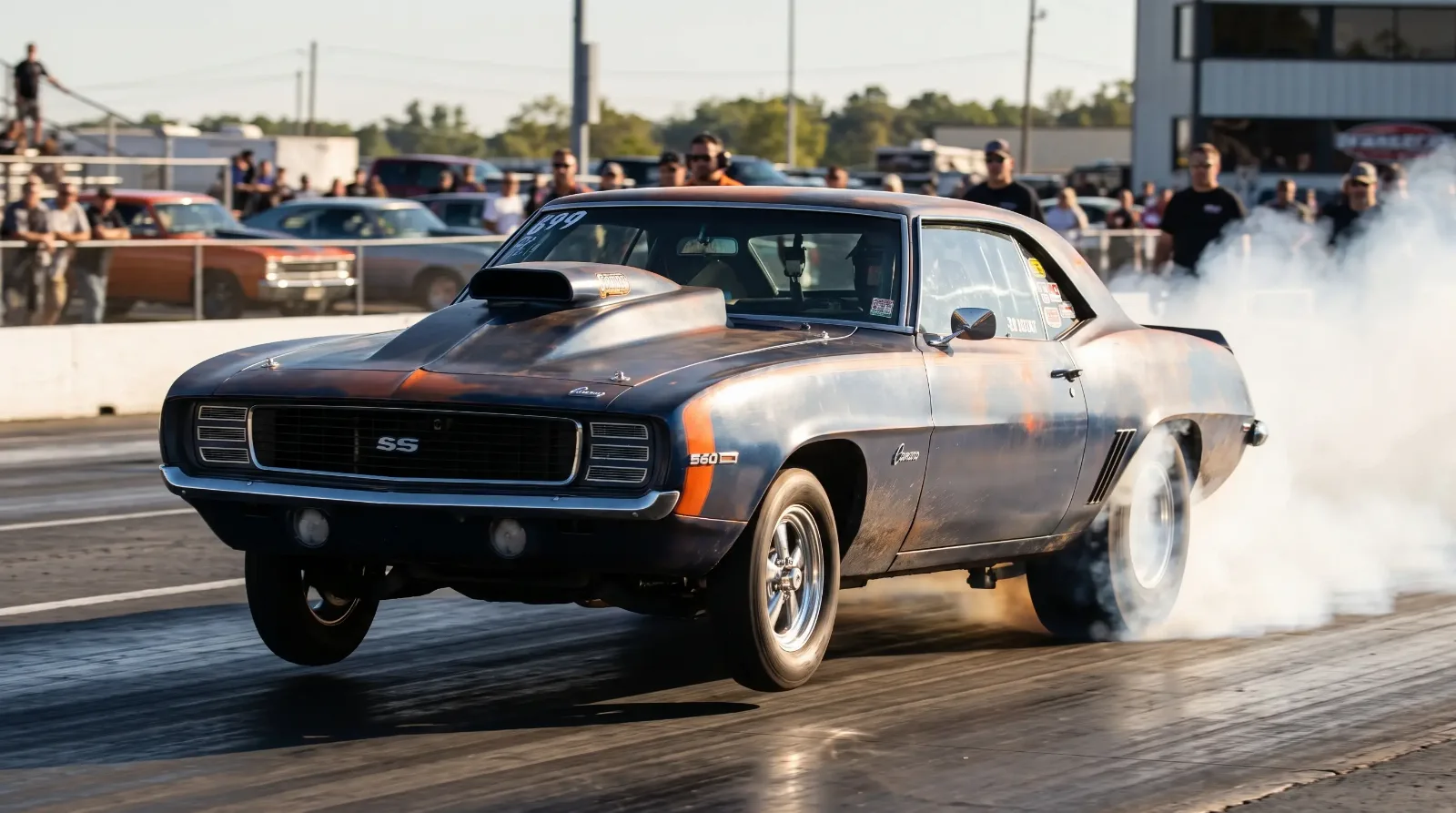
Cowl induction was primarily associated with the 1969 Camaro SS models equipped with the 396 cubic inch big-block engines. The hood was available as part of the SS package in conjunction with specific engine options. It was not a universal SS feature. Lower-output configurations sometimes received a different hood treatment, and the cowl induction hood carried a modest additional cost in the option structure, on the order of around $79.
The RPO code for the cowl induction hood on 1969 Camaros was ZL2. This is separate from the engine codes and the SS package code (Z27), and a correctly documented cowl induction car will show ZL2 on the trim tag or build sheet alongside the other applicable codes. Cars with cowl induction hoods but no ZL2 documentation raise authentication questions that need resolving before any transaction.
The overview of Camaro performance packages shows where the cowl induction hood fits alongside the SS, Z/28, and COPO variants in the full first-gen option hierarchy.
Measured performance gains from cowl induction
How much did cowl induction actually help? Period tests by Car and Driver, Motor Trend, and Hot Rod magazine measured small but consistent improvements in quarter-mile times on comparably equipped cars with and without functional cold-air induction. The theoretical advantage comes from air density: cooler, denser air contains more oxygen per unit volume, allowing the engine to burn more fuel per combustion cycle, producing marginally more power.
The gains in stock form were modest, typically fractions of a second in quarter-mile elapsed time. The more significant benefit appeared in sustained high-speed driving, where an engine drawing hot underhood air would experience gradual power loss as inlet temperature climbed. The cowl scoop mitigated this by providing a consistent source of cooler air regardless of how long the car had been running hard. For drag racing purposes, the temperature differential between runs was minimal, but for road course or street use in hot weather, the difference was more meaningful.
| Feature | Detail |
|---|---|
| RPO code | ZL2 |
| Hood design | Rear-facing scoop at cowl base |
| Flapper valve operation | Vacuum-assisted (opens at full throttle) |
| Primary application | 1969 Camaro SS with 396 big-block |
| Air source | High-pressure zone at windshield base |
| Primary benefit | Cooler, denser air to carburetor at speed |
On the wrench: what to know about cowl induction maintenance
The flapper valve mechanism on original cowl induction hoods is almost always in poor condition on surviving cars. The vacuum lines that operate the valve harden and crack over decades, the valve itself may be seized open or closed, and the seals around the scoop opening deteriorate. A non-functional flapper valve stuck open will allow rain and car-wash water into the air cleaner, which can cause serious engine damage. A valve stuck closed eliminates the system's performance benefit entirely.
Correct restoration of the cowl induction system requires sourcing proper vacuum line material, rebuilding or replacing the vacuum canister that operates the flapper, and resealing the hood opening with the correct gasket material. Reproduction parts are available from several Camaro specialty suppliers, and the system is not particularly complex once you understand how it works. The difficulty is finding someone who has worked on enough of them to know the common failure points without chasing symptoms.
The cowl scoop's place in the Camaro story
Cowl induction sits in an interesting position in Camaro history. It is neither as exotic as COPO nor as track-specific as the Z/28. It was a genuine engineering solution to a real problem, wrapped in a visual package that appealed to buyers who wanted a car that looked as serious as it performed. The rear-facing scoop became one of the most recognizable visual signatures of the 1969 Camaro SS, and its influence appeared in subsequent Camaro designs for decades afterward.
For buyers considering a big-block 1969 SS today, cowl induction adds desirability and collectibility when documented correctly with ZL2 on the build sheet. For restorers, getting the system fully functional is a point of mechanical integrity that matters as much as the paint code or the interior trim level. A cowl induction hood that does not function is missing half of what made it significant.
You can trace the development of this and other Camaro performance features in the L78 396 article, which covers the big-block engine these hoods were primarily designed to serve. And if you want to understand how the entire first-gen performance story connects, where it all started with the 1967 Z/28 is the place to begin.
"The first time you see the flapper valve open on a cowl induction Camaro, you understand why it works. You are looking at a real engineering solution, not a hood sticker. That valve opens at full throttle and closes when you lift. If yours is stuck closed, you are leaving something on the table."
— Mike Sullivan
Sources and notes
Production figures, engine specifications, codes, and dates in this article are cross-referenced from established Camaro references, period documentation, and owner registries. Where sources differ, the most commonly cited value is used. Cost figures are indicative and vary by supplier, region, and condition.