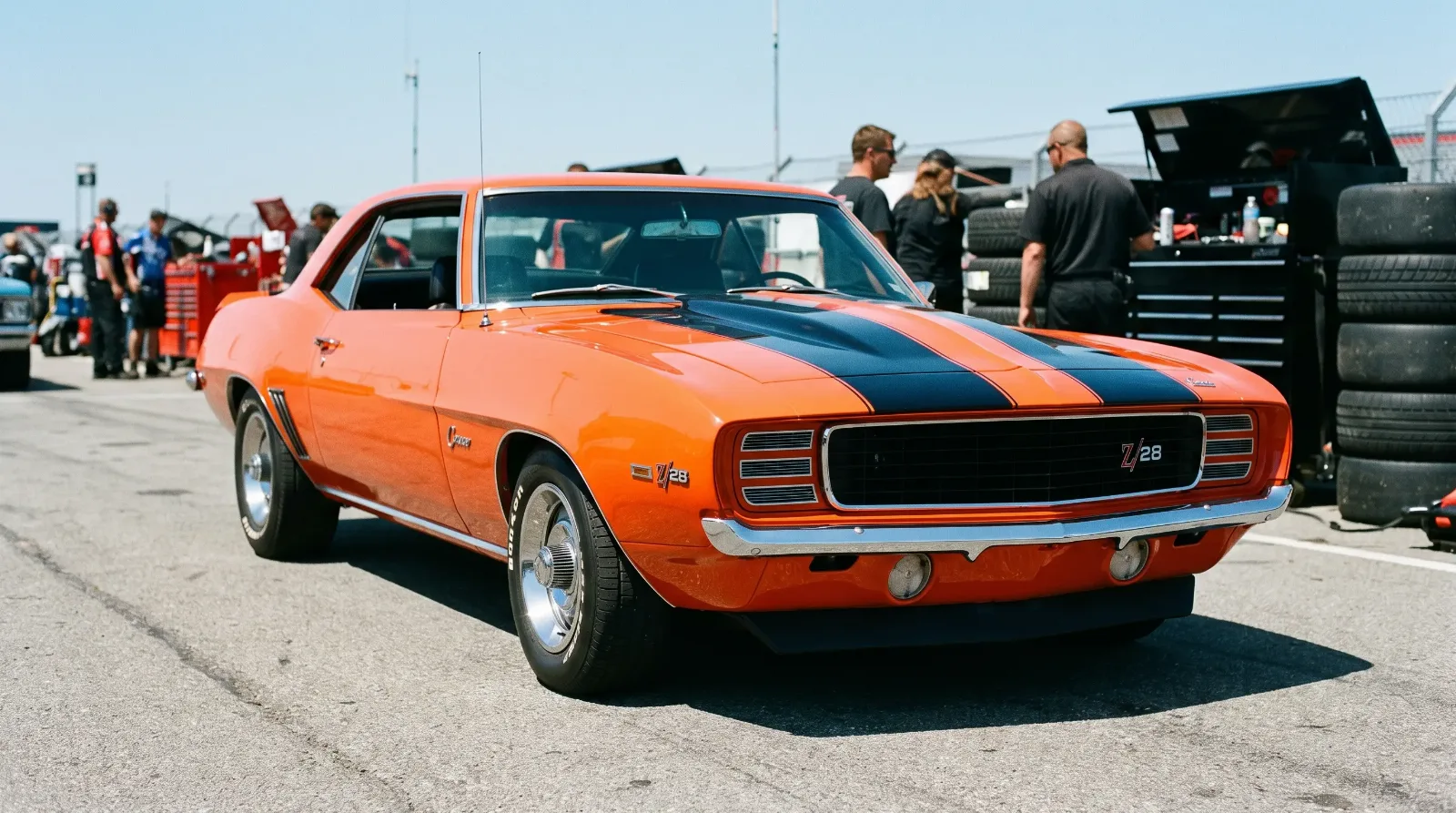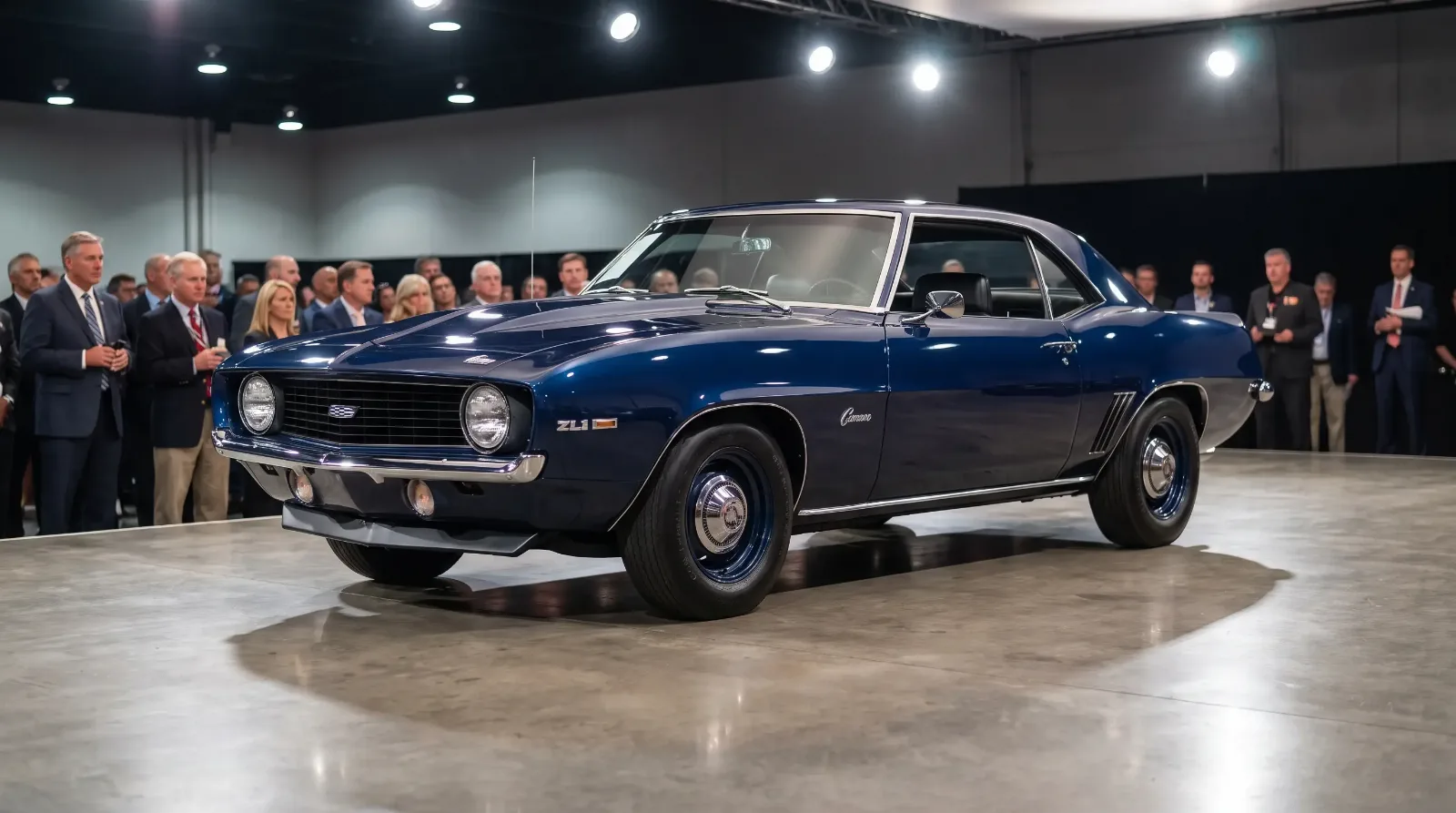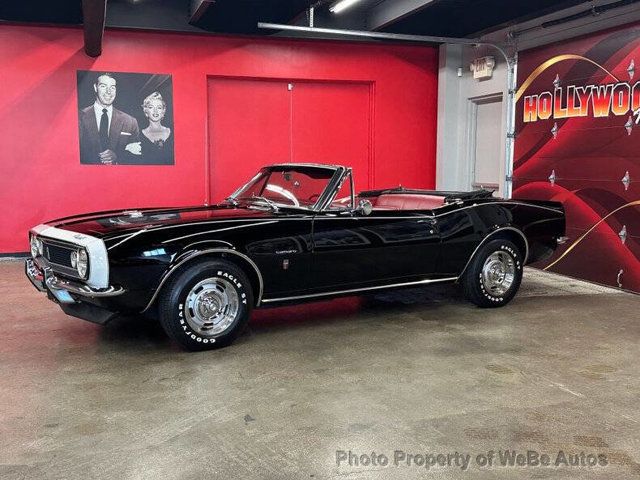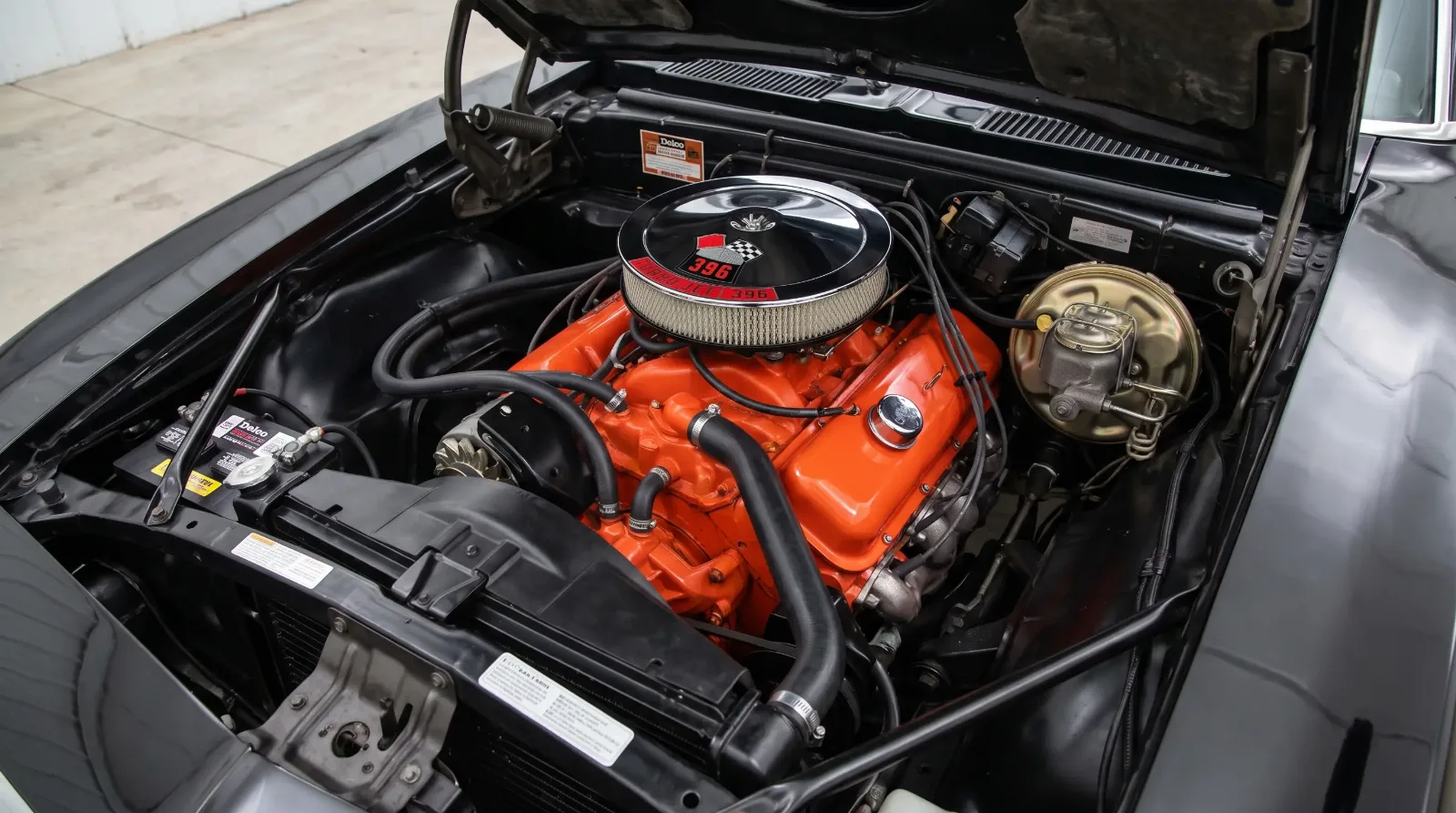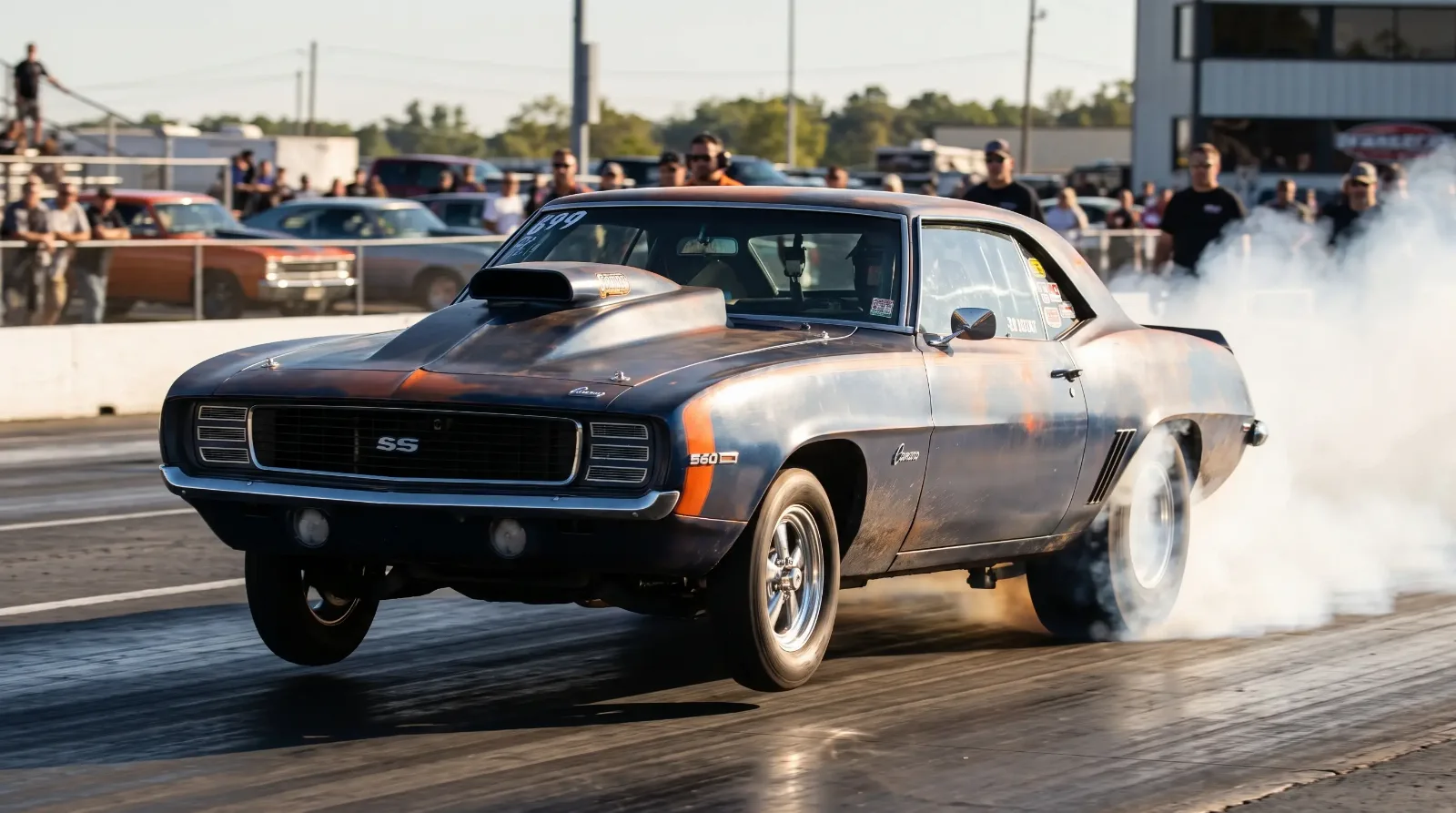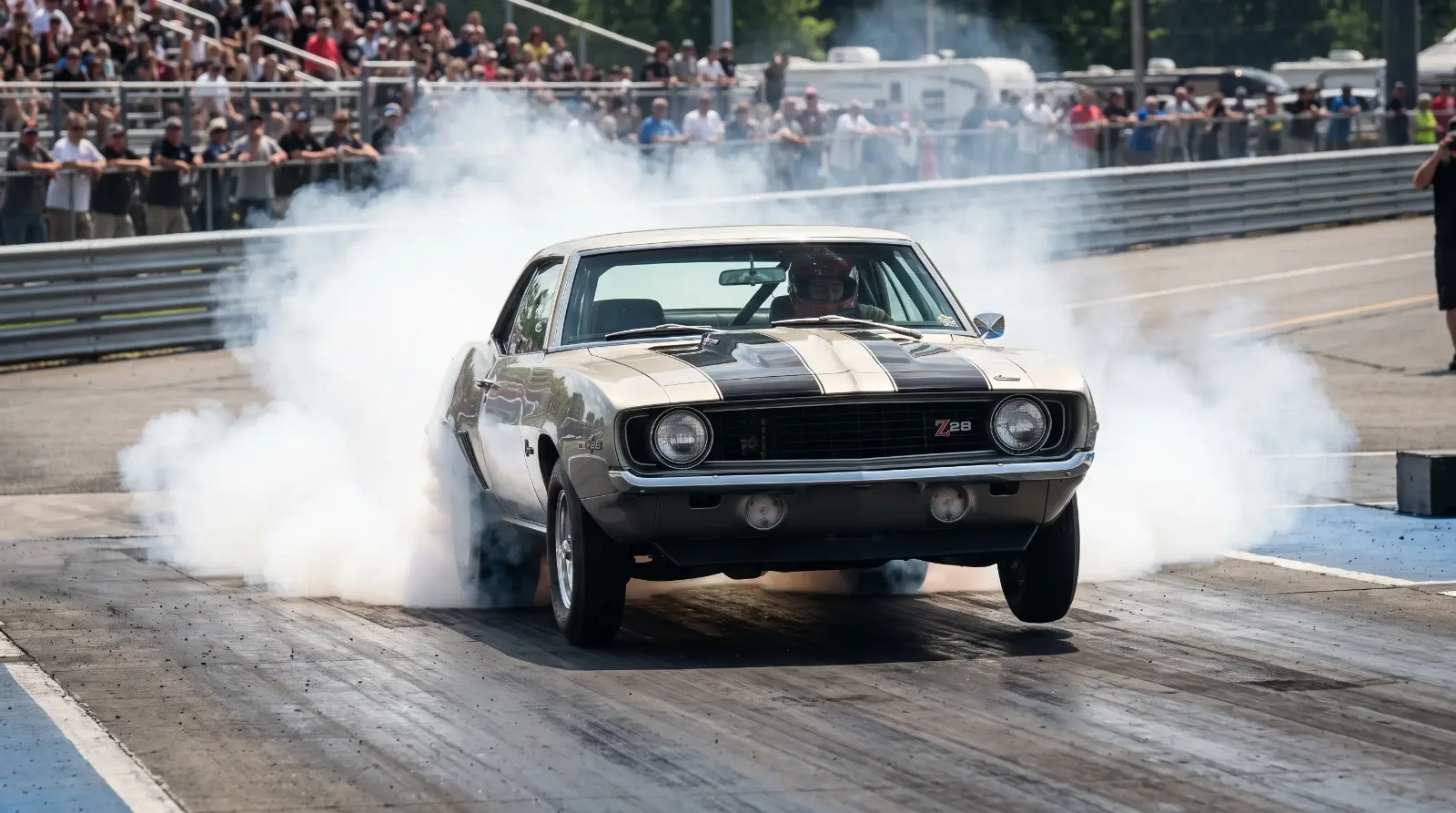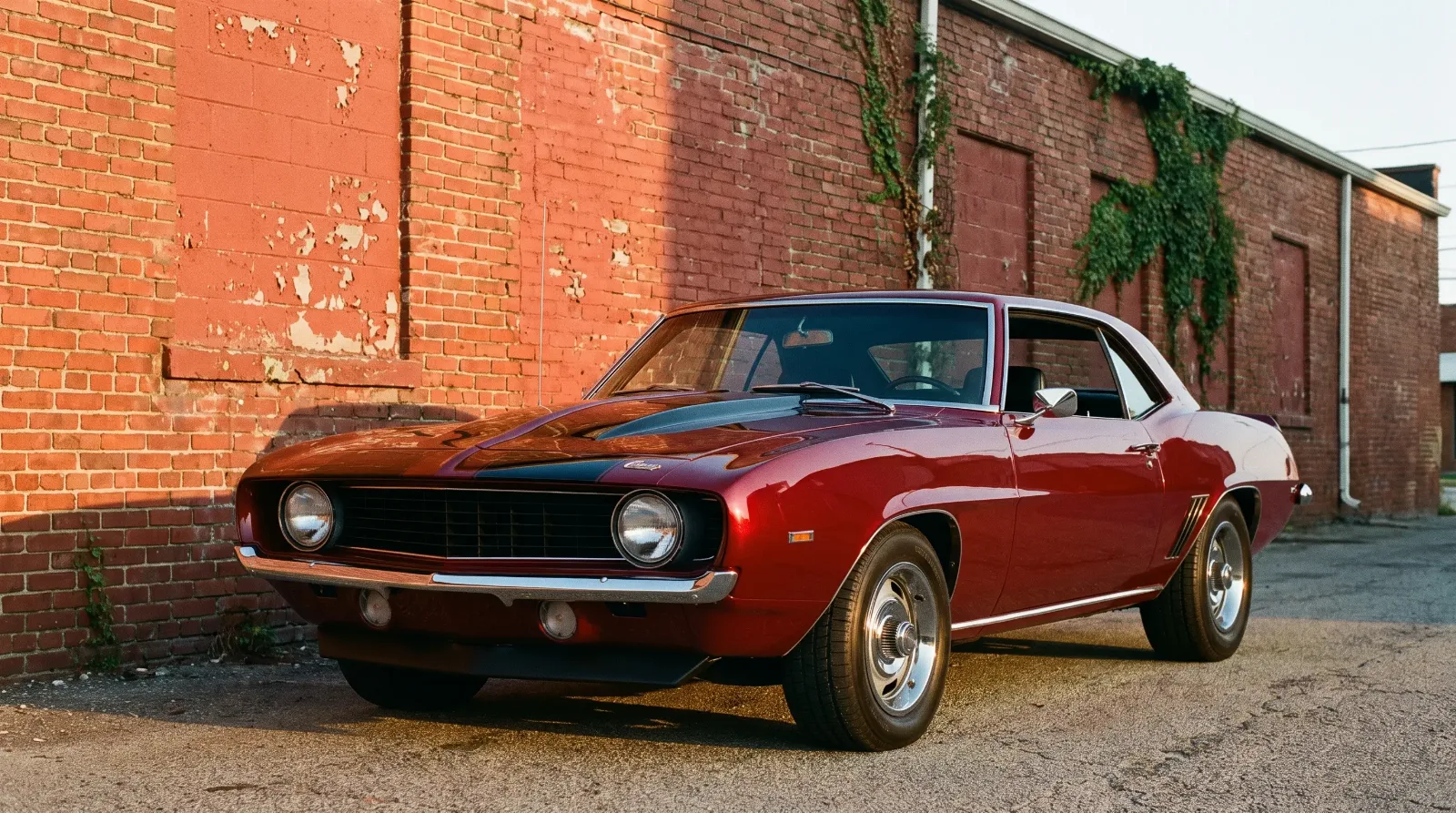
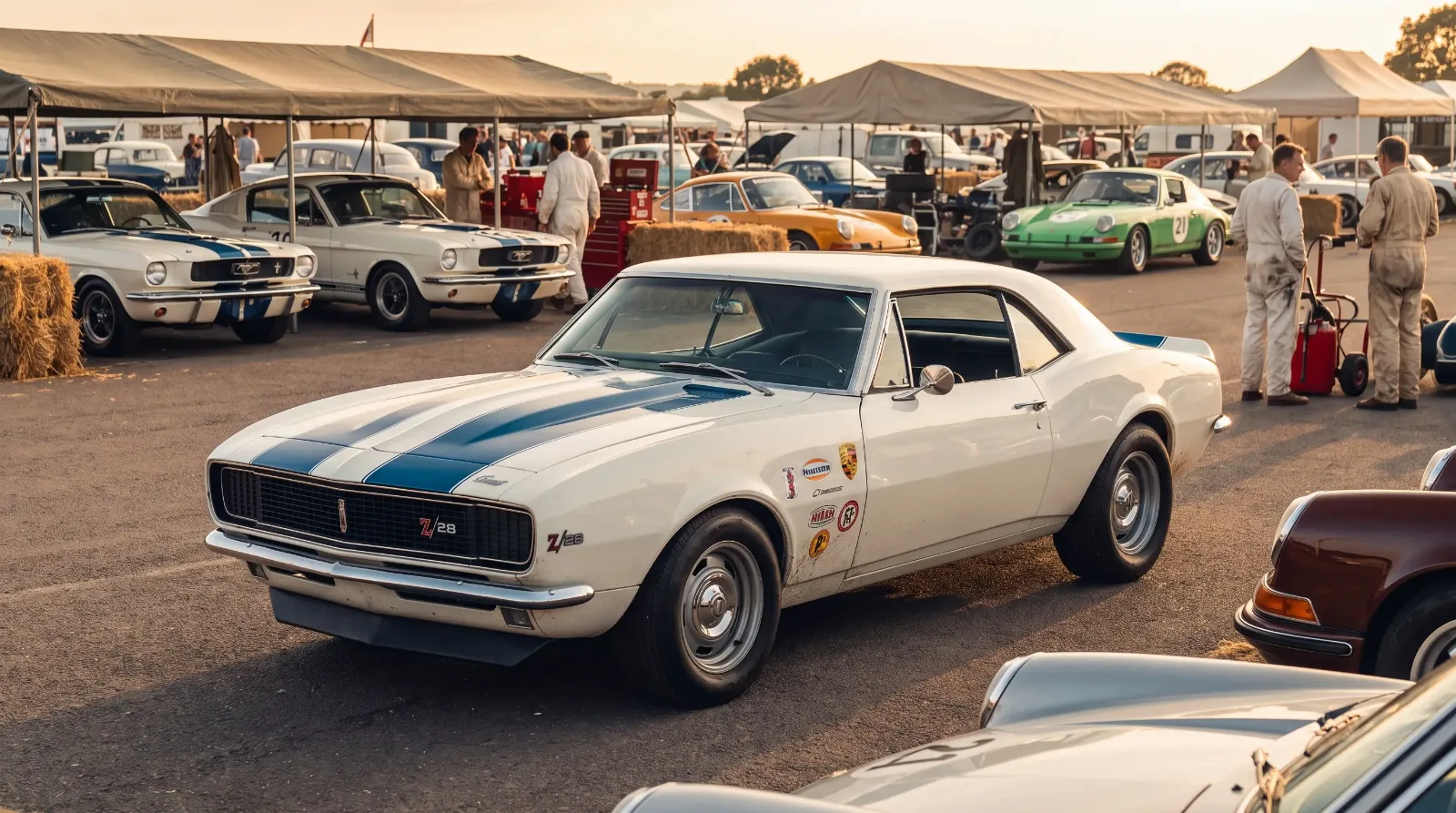
In the autumn of 1966, Chevrolet engineers faced a deadline. The SCCA's Trans-Am road racing series had adopted a 5.0-liter (305 cubic inch) displacement ceiling for its sedan class, and General Motors wanted a Camaro on the starting grid. The solution was a purpose-built homologation special that would be catalogued quietly and sold to the public in sufficient numbers to qualify. That car became the 1967 Camaro Z/28, and its influence on American performance cars is still felt today.
What the RPO Z/28 package actually included
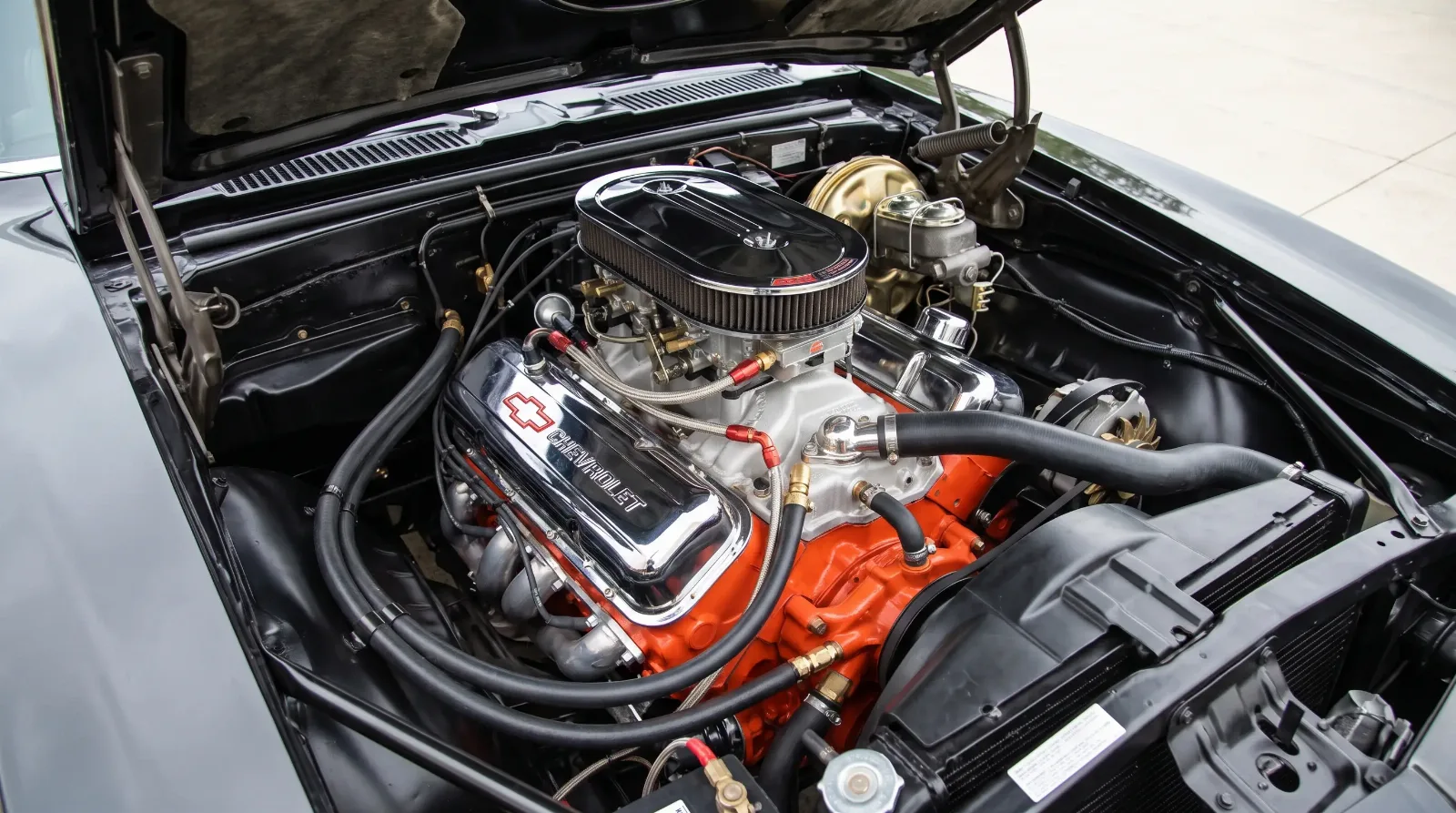
RPO Z/28 was a Regular Production Option, which meant it could be ordered on any base Sport Coupe body style. The core of the package was the engine: a 302 cubic inch small-block built by combining the 327 block with the 283's crankshaft to achieve exactly 4.9 liters, keeping it just under the SCCA ceiling. Chevrolet rated it at 290 horsepower, a figure most historians consider conservative. Period testers and racers working with the engine found real output closer to 350 horsepower at the crank, with some dyno results pushing past 375, though dyno numbers varied considerably by carburetor setup and ignition timing.
The Z/28 package also mandated front disc brakes, a close-ratio Muncie four-speed manual gearbox, and a heavy-duty suspension with stiffer springs and faster-ratio steering. The 3.73:1 rear axle was standard, with 4.10 available as an option. Stripes on the hood and rear deck were part of the visual package. Buyers could add air conditioning, but Chevrolet's engineers strongly discouraged it because the compressor robbed noticeable power from an engine already operating at high compression.
Production numbers and the sales surprise
Chevrolet built 602 Z/28s for the 1967 model year. That number was never meant to be large. The SCCA required a minimum production run to homologate a car for competition, and Chevrolet hit that threshold and moved on. What nobody anticipated was that dealers would start selling these cars to performance buyers who simply wanted the most focused Camaro available, regardless of their plans for racing. The Z/28 found a market that nobody had targeted.
The base price of the Z/28 option was around $358 on top of the standard Sport Coupe price, which started around $2,466 for 1967. Add the required options (four-speed, front discs) and a Z/28 buyer was looking at a transaction well above $3,000 before any dealer markup. For context, a base Mustang cost roughly $2,400 in the same year, which shows how much the Z/28 package loaded up the final price.
On track: what the Trans-Am season showed
The 1967 Trans-Am season was the Z/28's debut campaign, run by Roger Penske's team with Mark Donohue behind the wheel. The car did not win the manufacturer's championship in its first year, but the pace was immediately evident. Donohue's preparation work on the DZ 302 engine, which is the racing designation for the engine in these cars, revealed just how much potential the combination had. The full story of what made that small-block so effective deserves its own examination, because the engine is genuinely one of Chevrolet's most interesting production pieces from that era.
By 1968 and 1969 the Z/28 dominated Trans-Am, winning the manufacturer's title both years. But that success grew directly from the groundwork laid by the 602 cars built in 1967. Those early cars are the origin point for everything that followed in the Z/28 lineage.
Identifying a real 1967 Z/28
| Detail | Specification |
|---|---|
| Engine RPO | LT1 (not the later LT1 of the 1990s) |
| Block casting | 3914678 or 3858174 |
| Displacement | 302 cu in (4.9 L) |
| Carburetor | Holley 4150, 780 cfm |
| Compression ratio | 11.0:1 |
| Transmission | Muncie M21 close-ratio 4-speed |
| Standard rear axle | 3.73:1 |
| Body style | Sport Coupe only |
| Model year production | 602 units |
Authenticity verification on a first-gen Z/28 starts with the VIN, which carries a partial engine code, and the trim tag (also called the cowl tag) mounted inside the engine compartment. The protect-o-plate, a cardboard warranty document original owners received, is another layer of documentation if it survived. Partial VIN stamps on the block pad must match the last digits of the car's full VIN. Mismatches are common on cars that have been through engine swaps over 50 years of use.
Why the 1967 Z/28 still matters to collectors
The 1967 model year sits at a premium over 1968 and 1969 Z/28s precisely because of its rarity and its status as the original. The combination of low production, high-revving engine, and the historical significance of being the car that launched a dynasty makes it one of the most sought-after first-generation Camaros. The broader story of the Camaro's performance lineage puts the Z/28's role into sharper context, from the factory specials through the big-block SS models and beyond.
If you are shopping for one today, matching numbers cars with full documentation command strong premiums. Non-matching examples with the correct engine configuration still attract serious money, but the gap between a documented car and a numbers-matching restomod has grown considerably in the past decade. Buyers who want a 1967 Camaro Z/28 for sale should budget for a professional inspection before committing, because reproduction parts for these cars are excellent and can deceive even experienced buyers on a casual walkthrough.
"The 302 in a 1967 Z/28 is not a comfortable street engine by modern standards. It wants to rev, it has a choppy idle from the solid-lifter camshaft, and it makes most of its power above 5,500 rpm. That is exactly the point. Chevrolet built it for a race track, and on a race track it is still impressive."
— Tom Ramirez
The next chapter in this factory performance story is even more extreme. Read about the COPO 9561 Camaro, the iron-block 427 that Chevrolet's own rulebook should have prevented but did not.
Sources and notes
Production figures, engine specifications, codes, and dates in this article are cross-referenced from established Camaro references, period documentation, and owner registries. Where sources differ, the most commonly cited value is used. Cost figures are indicative and vary by supplier, region, and condition.