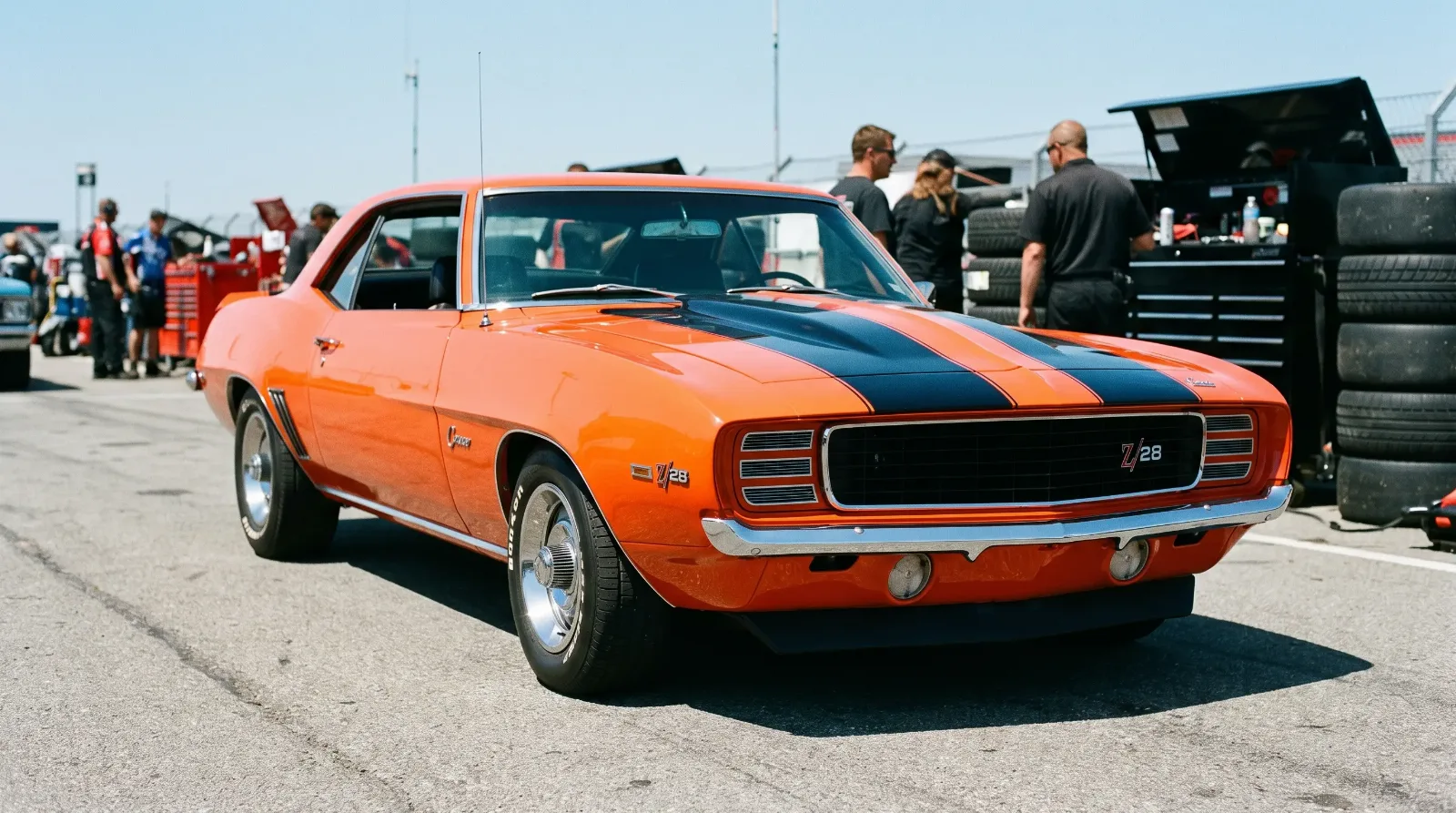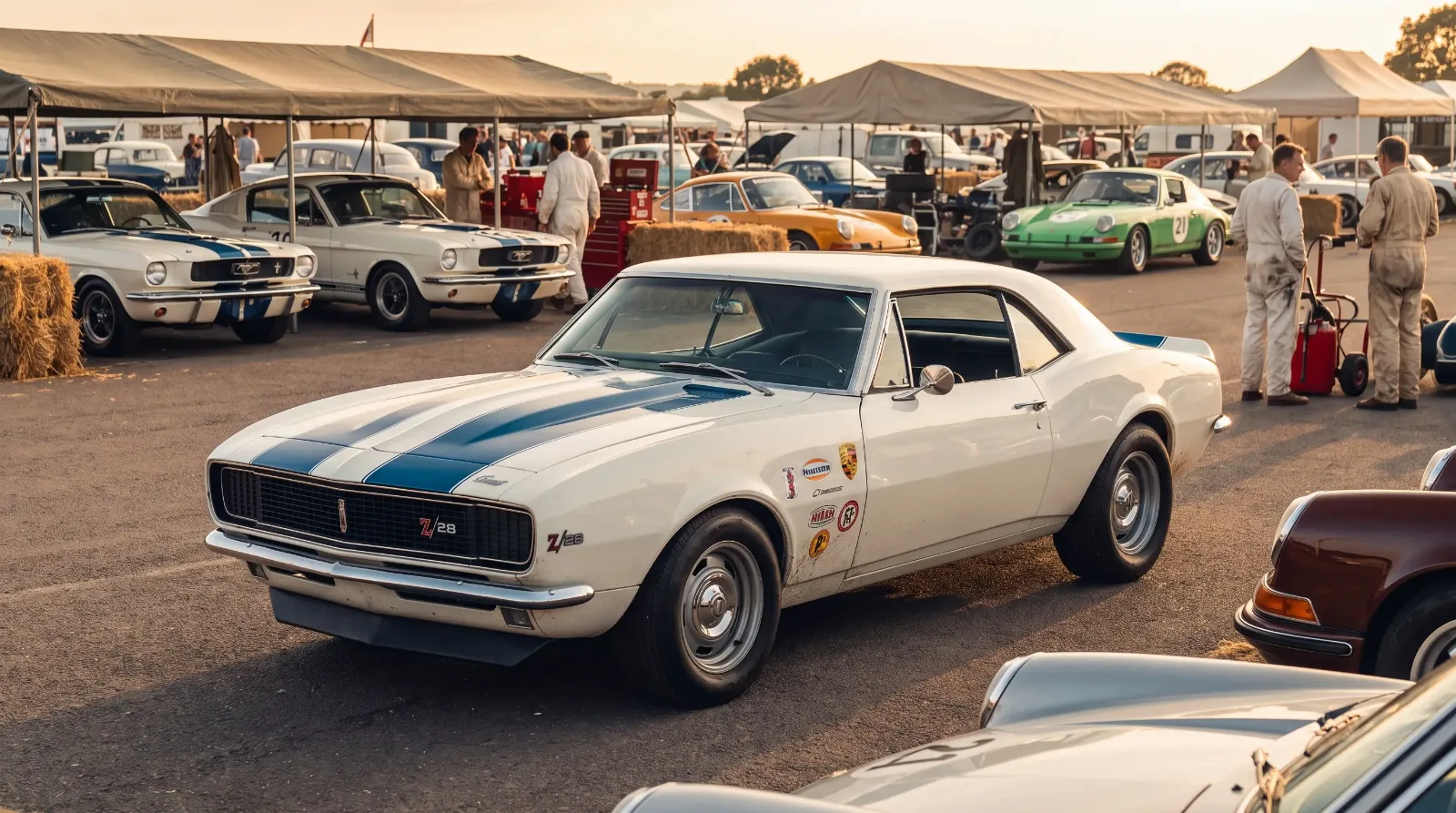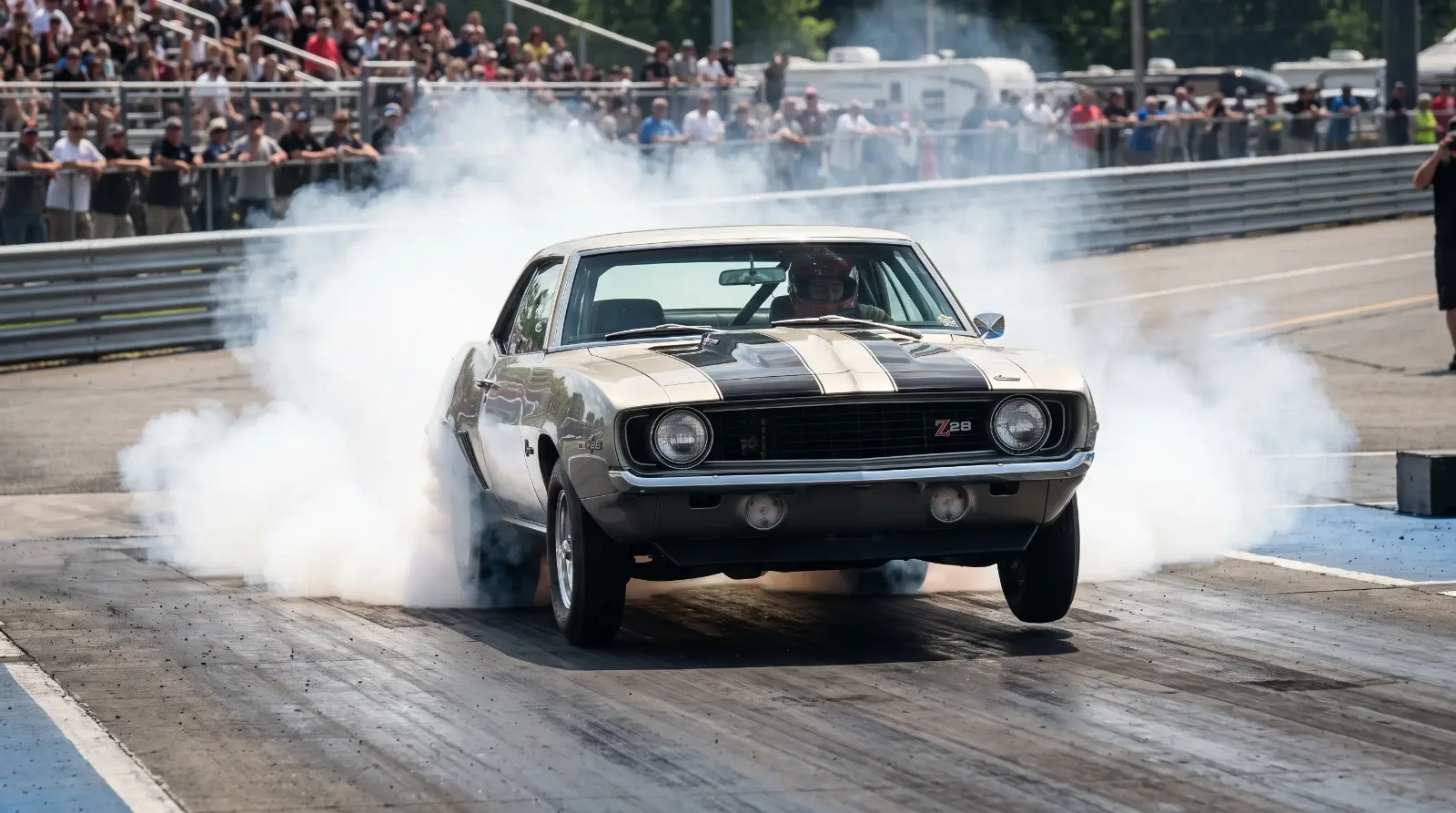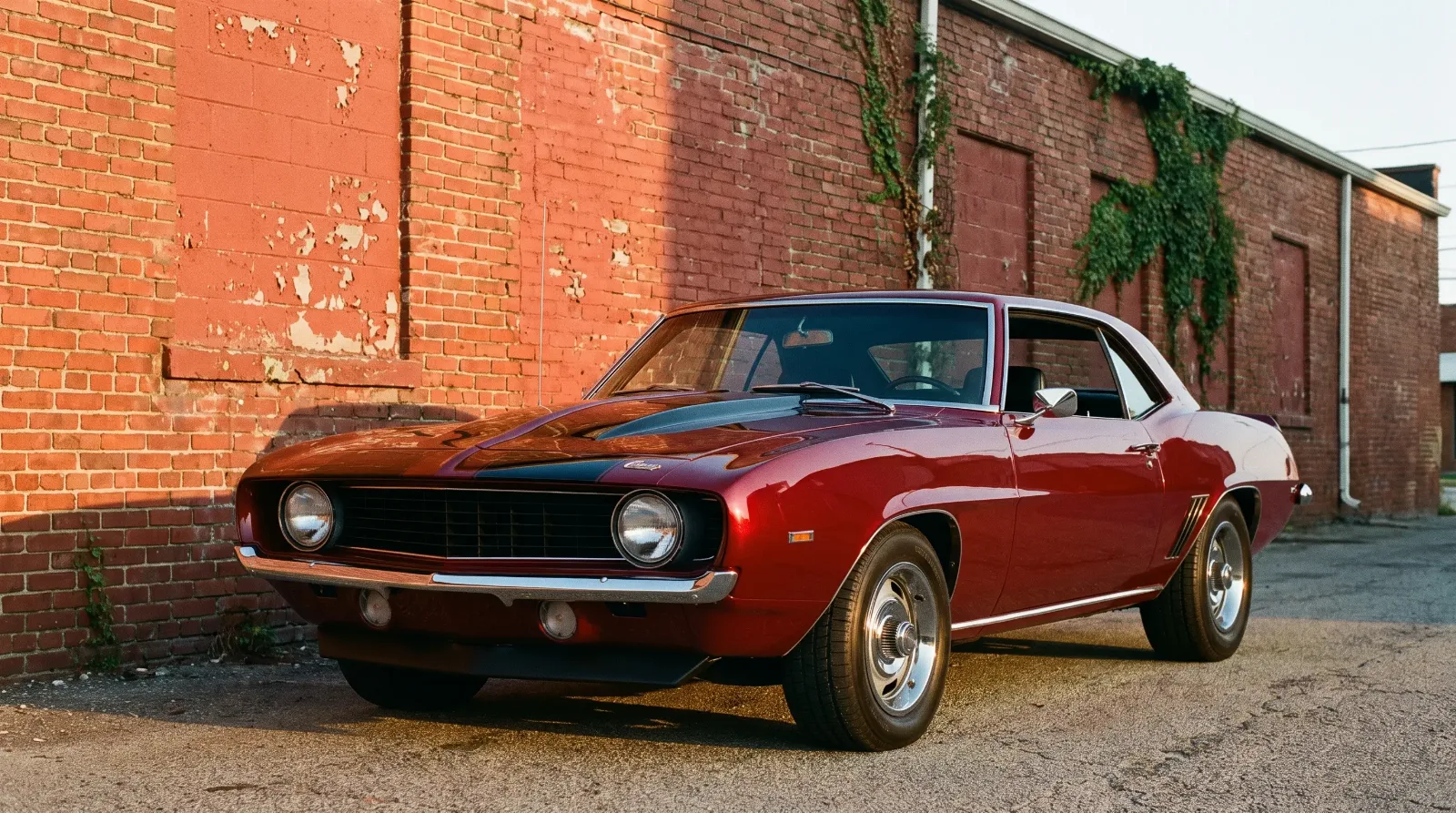
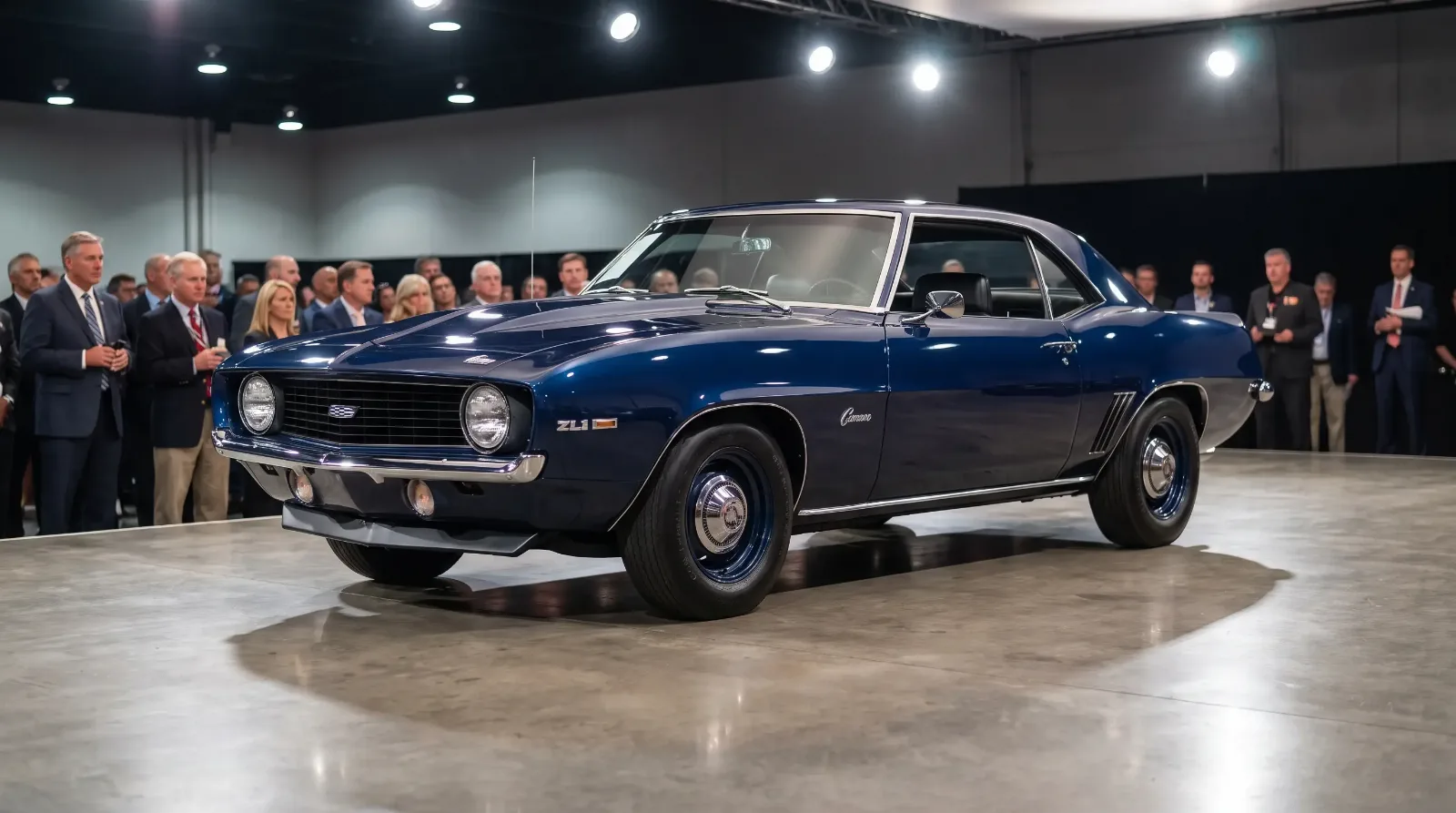
General Motors had a rule in the late 1960s that kept big engines out of intermediate and pony cars. In practical terms, it meant no Camaro could leave the factory with an engine larger than 400 cubic inches. The policy made sense from a liability standpoint. It also created one of the most productive loopholes in American muscle car history.
The Central Office Production Order system, COPO for short, existed for fleet buyers. Police departments, taxi companies, government agencies. If a buyer needed something outside the standard option list, a dealer could write it up as a special fleet order and push it through channels that bypassed the normal corporate approval process. A few motivated performance dealers figured out the system worked just as well for drag racers. What came out the other end were some of the most capable production cars Chevrolet ever built, including a handful of Camaros with an all-aluminum 427 that traced its engineering directly to Can-Am racing.
For context on where these cars sit within the broader performance Camaro lineup, the Camaro's performance heroes article covers the Z/28, SS, and COPO family together. This piece goes deeper on the COPO 9560 ZL1 specifically.
The fleet-order loophole and how it worked
The corporate displacement limit applied to the regular order system. COPO orders were processed differently, through Chevrolet's central office rather than through the standard dealer allocation process. A dealer who knew the right codes and had the right contacts could spec a car that the rulebook said should not exist.
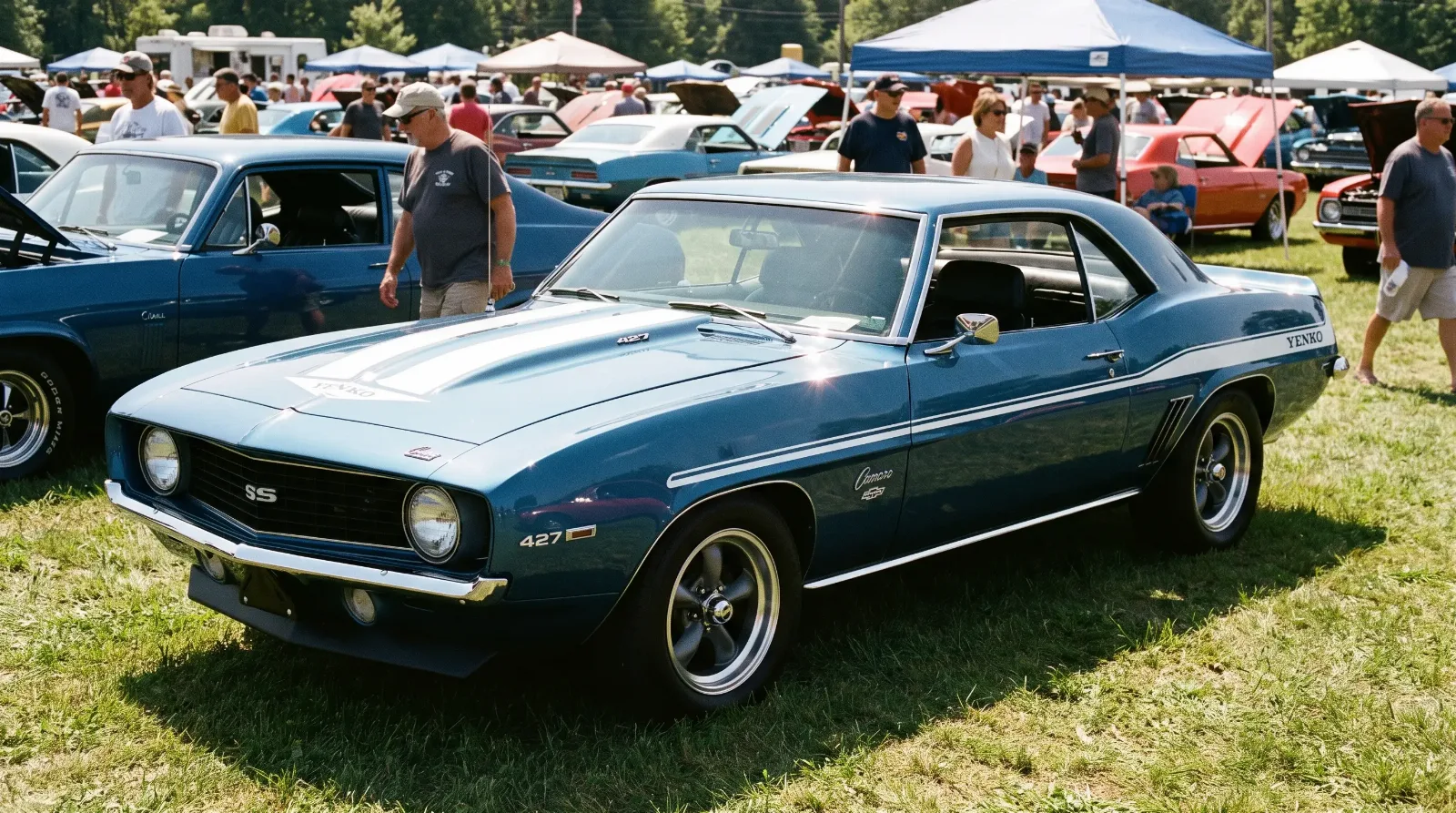
The dealers who figured this out were not acting in secret. Fred Gibb Chevrolet in La Harpe, Illinois is credited with placing the first large COPO Camaro order in 1969, reportedly working with Vince Piggins, a Chevrolet product performance engineer who understood both the COPO system and what racers needed. Don Yenko of Yenko Chevrolet in Canonsburg, Pennsylvania was placing similar orders through his own dealer network. Both men saw the same opportunity: a legal path to factory-installed 427 power in a 3,100-pound Camaro.
The key was that the order had to originate from a dealer, not a retail customer, and it had to go through COPO channels. Individual buyers could not write their own COPO orders. They could, however, buy the car after a dealer had already ordered it. Most COPO Camaros were pre-sold, often to racers who had worked out the arrangement with the dealer in advance.
COPO 9561 versus COPO 9560: iron and aluminum
Two COPO codes covered the 427 Camaro. They are not interchangeable, and the difference between them is substantial.
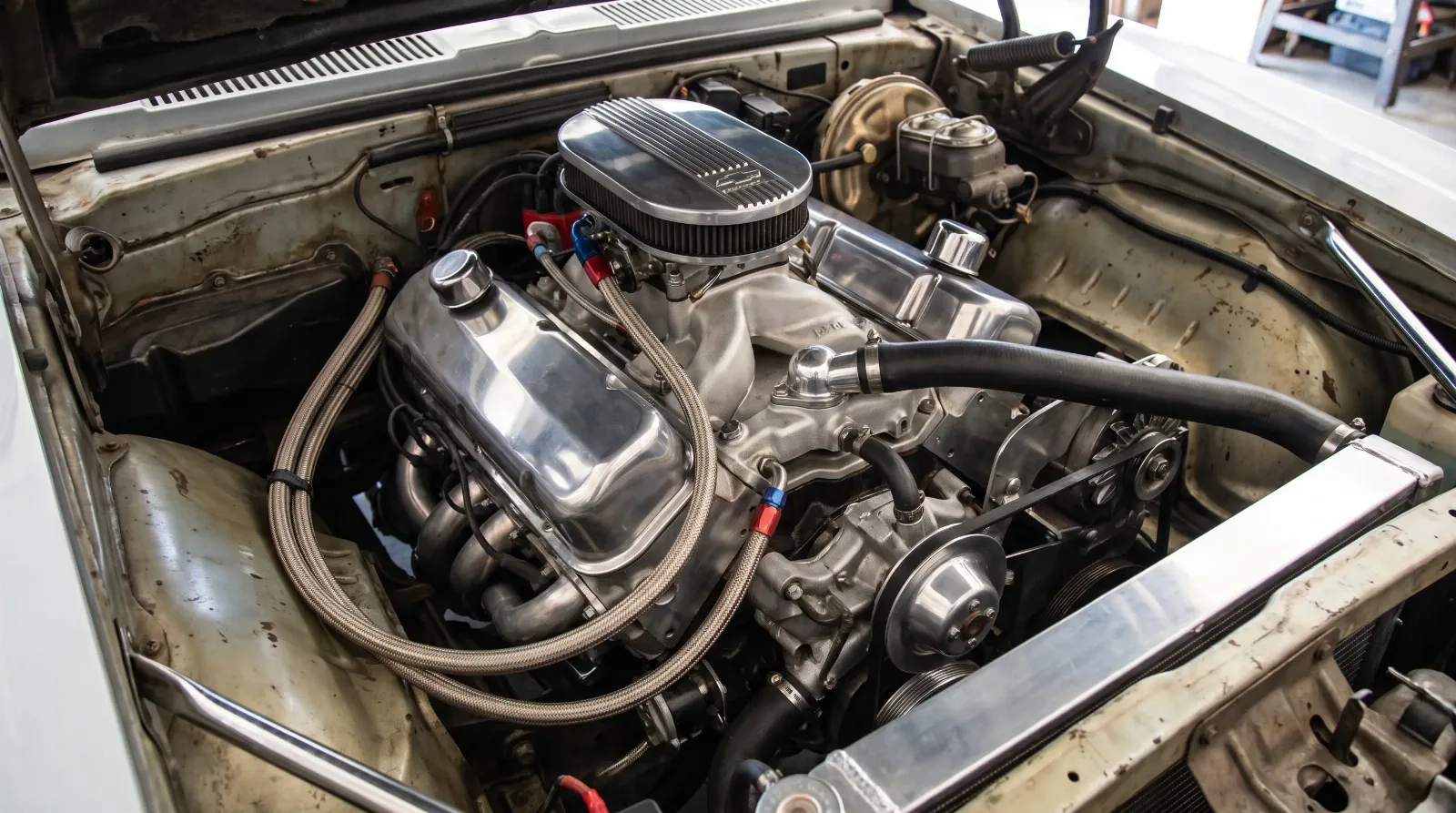
COPO 9561 specified the L72 427, an iron-block, iron-head big-block rated at 425 hp. This was the same basic engine available in the full-size Chevrolet and in Corvette. It was a proven, durable unit with strong street credentials. The L72 made the COPO 9561 Camaro a serious drag car. Chevrolet built somewhere around 1,015 COPO 9561 Camaros in 1969, and a meaningful number of them went through Yenko's additional appearance and branding process to become Yenko Super Camaros.
COPO 9560 specified the ZL1, and this is where the story gets unusual. The ZL1 427 used an aluminum block and aluminum heads. It was essentially the engine that powered McLaren Can-Am race cars adapted for street use, and the adaptation was minimal. The block casting was different from the iron L72, the heads flowed more aggressively, and the whole assembly weighed roughly 100 pounds less than the iron engine. On a car that weighed around 3,100 pounds to begin with, removing 100 pounds from the nose changed the weight balance meaningfully.
Chevrolet listed the ZL1 at 430 hp, a number that most people who have run one consider conservative. The engine was built for rpm, not idle smoothness, and it was not particularly happy in street driving. The cam timing was aggressive, the compression ratio was high enough to require racing fuel, and the carburetors required tuning attention. These were not complaints from buyers who ended up with ZL1 Camaros. These were buyers who understood exactly what they were getting.
| COPO code | Engine | Block material | Rated power | Approx. units built |
|---|---|---|---|---|
| COPO 9561 | L72 427 | Cast iron | 425 hp | ~1,015 |
| COPO 9560 | ZL1 427 | Aluminum | 430 hp | ~69 |
Sixty-nine cars: what made the ZL1 so rare
The ZL1 Camaro production total is generally cited as around 69 units, though documentation on individual cars varies and some researchers have placed the number slightly higher or lower depending on how assembly records are interpreted. The scarcity was not accidental.
The ZL1 engine itself cost roughly $4,160 as an option, which put a fully optioned ZL1 Camaro at around $7,200 total. That was more than the base price of a full-size Chevrolet, and significantly more than a standard Camaro SS. Most retail buyers could not or would not pay it. Fred Gibb Chevrolet is reported to have ordered 50 ZL1 Camaros believing he could sell them, then found that the price made them difficult to move. Several were eventually retailed at reduced prices, and some sat on the lot longer than expected.
More in this Camaro series: read about the SS cars.
The buyers who did take delivery were largely racers. The ZL1 was eligible for NHRA Super Stock competition in the right configuration, and its power-to-weight characteristics were exactly what strip racers needed. Quarter-mile times in the high 11-second range were reported in period testing, which was exceptionally fast for a production-based car in 1969.
Because so few were built and so many went directly to competition use, the survival rate among ZL1 Camaros is complicated. Race cars get crashed, rebuilt, re-engined, and modified. A significant number of the approximately 69 original ZL1 Camaros have verifiable history; others have histories that require careful documentation work to establish. The ones with clean provenance are the ones that attract the serious collector money.
"I have looked at a handful of cars claimed to be ZL1 Camaros over the years. The legitimate ones have paperwork that matches the car. Trim tag, broadcast sheet, Protect-O-Plate, window sticker if you can find it. The ZL1 option code should show on the broadcast sheet. If a seller is explaining why the documentation is incomplete, that explanation is the most important thing he says to you that day."
— Mike Sullivan
Authentication and what documentation looks like
Authenticating a COPO Camaro, and a ZL1 in particular, is not a casual process. The cars were special orders, which means the paper trail is specific and largely non-replicable if original documents are missing.
The broadcast sheet is the factory's own record of what was ordered for a specific car. It lists the RPO codes and COPO codes by car. A ZL1 Camaro's broadcast sheet should show COPO 9560 and should show COPO 9737, which covered the necessary suspension upgrades for the heavier engine. Broadcast sheets were typically placed under the rear seat cushion during assembly and sometimes found tucked behind dash panels or in the trunk area. Cars that have never been apart since factory assembly sometimes still have them. Cars that have been stripped and rebuilt usually do not.
The trim tag on the firewall provides the paint code, interior code, and some production data. The partial VIN stamp on the engine block pad should match the last digits of the car's VIN. On a numbers-correct car, the engine casting numbers will match what was used for ZL1 production in 1969. These are documented in COPO-specific research resources, and checking them is not optional on a car at this price level.
The Protect-O-Plate is the warranty card that Chevrolet issued at original sale. It carries the VIN and sometimes option data. Not all original owners held onto them, but their presence is meaningful. Window stickers are rarer still for special orders but exist for some cars.
Several researchers and registries have published documented histories of known ZL1 Camaros, and consulting one before a major purchase is reasonable. There are enough clone cars and tribute builds in circulation that a second opinion from someone who has worked with these specific cars is worth the cost.
Why these top the market
The ZL1 Camaro sits at the top of the first-generation Camaro market for reasons that go beyond simple rarity. It represents a specific moment when Chevrolet engineering, a regulatory loophole, and a handful of motivated dealers converged to produce something that should not have been legal to sell. The engine was a racing unit. The car was a production Camaro. The combination was, for one model year, available for purchase at a Chevrolet dealership.
Authenticated ZL1 Camaros with strong documentation have sold above $200,000 at major auctions, and the spread between a well-documented car and a questionable one is enormous. The documentation is not a formality. It is the difference between owning a genuine ZL1 and owning a car that someone believes might be a ZL1.
The COPO 9561 L72 cars occupy a different market position. Authenticated examples with good provenance and Yenko documentation have sold in the $80,000 to $130,000 range, sometimes higher for exceptional cars. They are serious collector pieces but accessible compared to ZL1 cars. For a buyer who wants factory 427 power in a 1969 Camaro without the documentation complexity and price ceiling of the ZL1, the 9561 cars are the more practical choice.
If you want to see what is currently on the market, classic performance Camaros for sale on Classic Cars Arena includes first-generation listings where documented COPO and high-performance examples surface regularly. Prices on these cars reflect current auction results, and the listing details usually give you enough to start asking the right questions before you make contact with a seller.
The COPO Camaro story is a specific chapter in American performance history. The cars exist because a few people understood a bureaucratic system well enough to work around a corporate rule, and because Chevrolet had a racing engine sitting in its parts catalog that fit in a Camaro engine bay. That combination produced around 69 ZL1s and roughly 1,015 iron-block 427 cars. The ones that survived with their history intact are legitimate collector cars. The ones without it require considerably more work before money should change hands.
Sources and notes
Production figures, engine specifications, codes, and dates in this article are cross-referenced from established Camaro references, period documentation, and owner registries. Where sources differ, the most commonly cited value is used. Cost figures are indicative and vary by supplier, region, and condition.