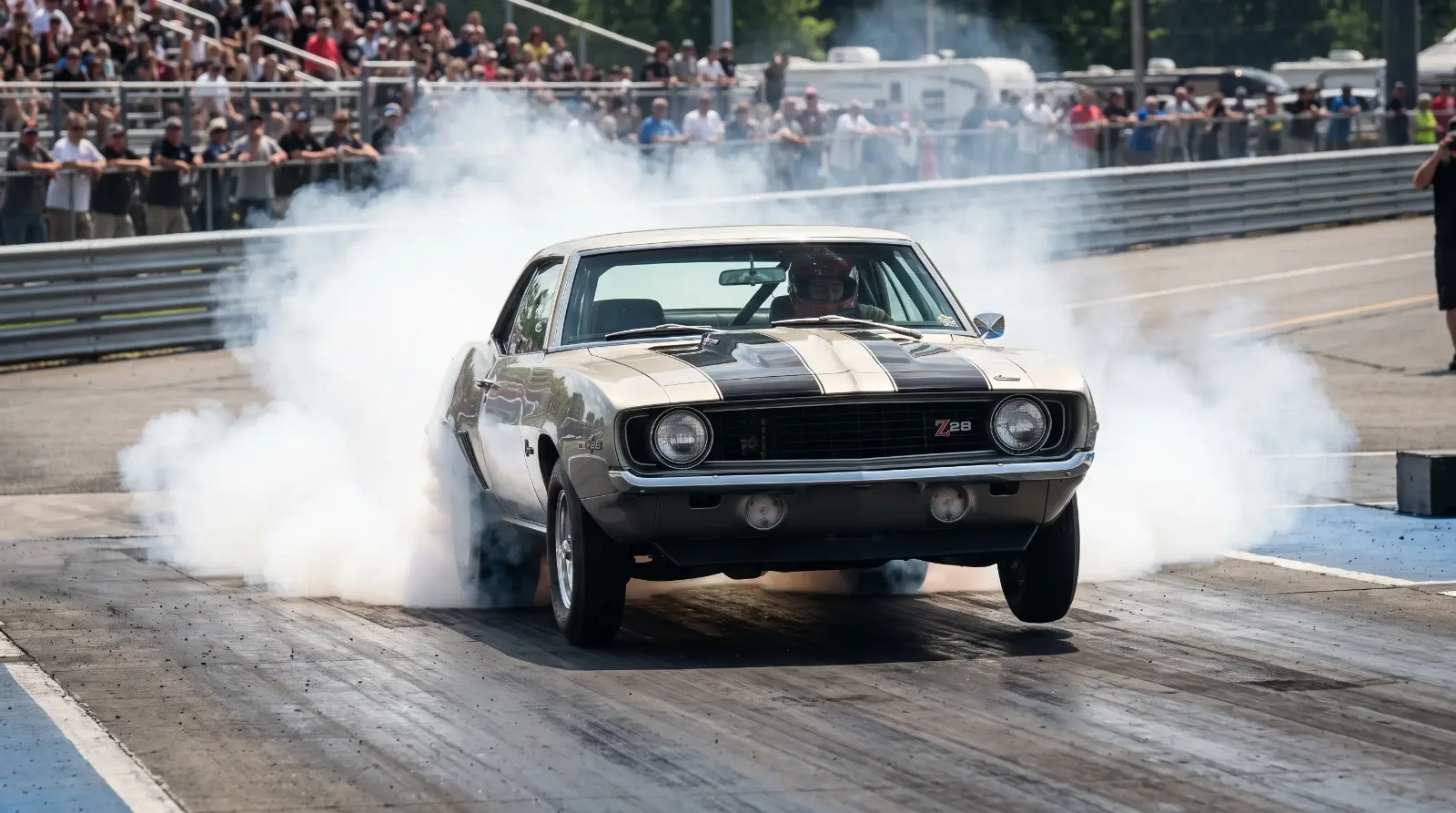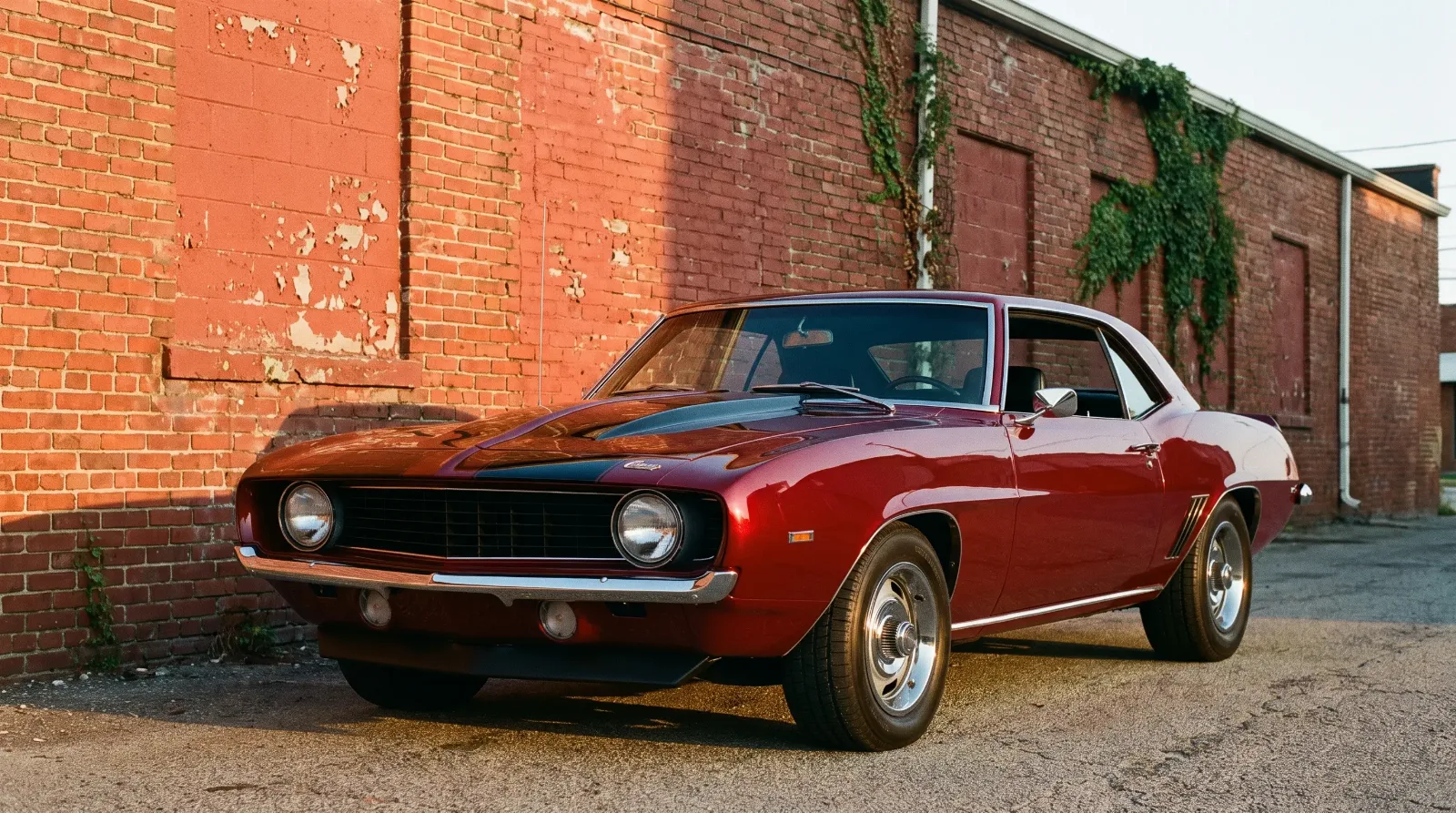
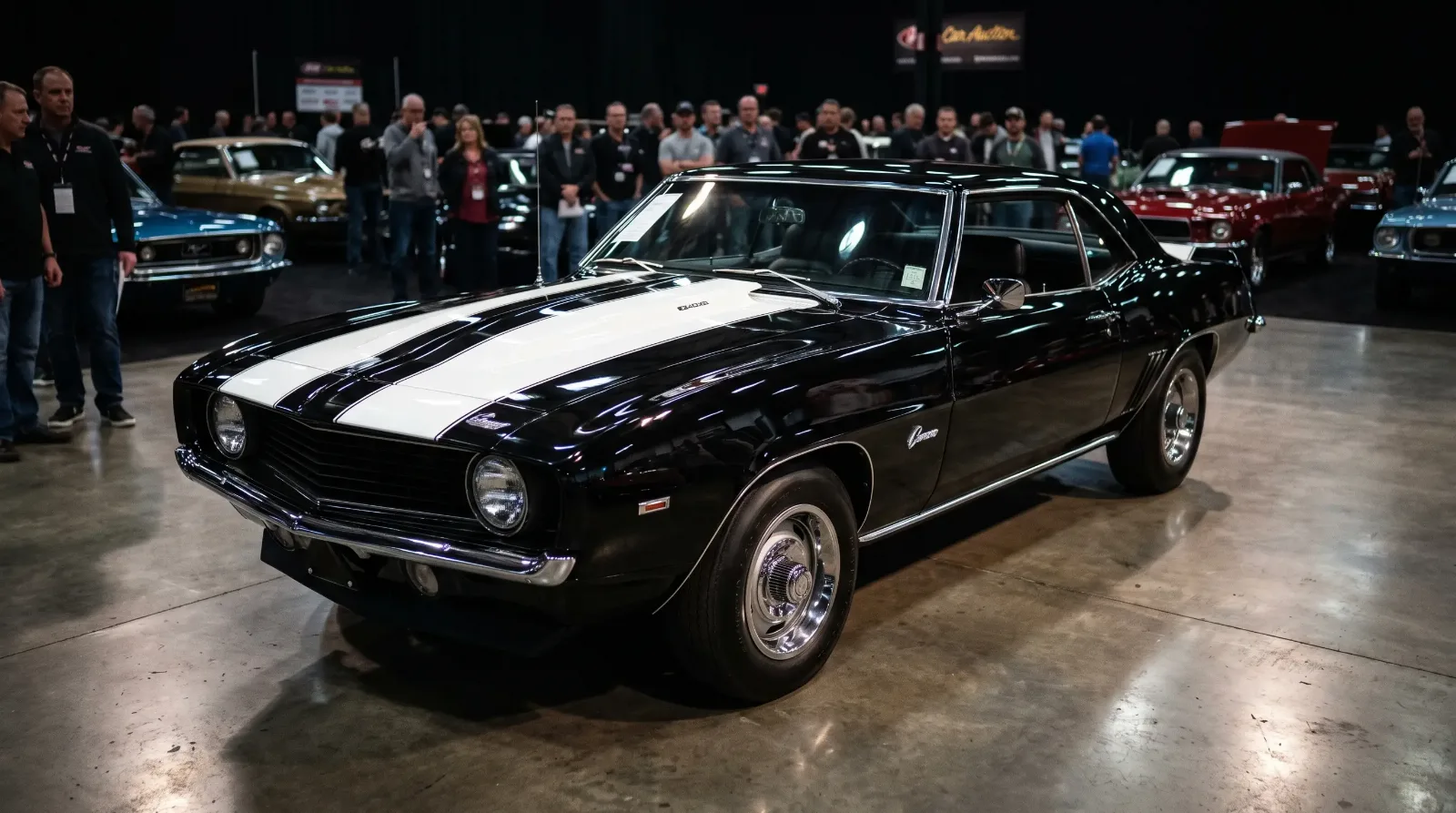
The collector Camaro market is full of rare cars, but rarity is a spectrum. A 1969 Z/28 is rare compared to a base V8 coupe, but thousands were produced. Move deeper into the factory special category and you find cars built in dozens, not thousands. The rarest camaro configurations from the first generation represent the outer edge of what Chevrolet actually delivered to customers during the muscle car era, and understanding them requires separating verified production history from the mythology that accumulates around any desirable car over fifty years.
The ZL1: fifty years of the most expensive factory Camaro
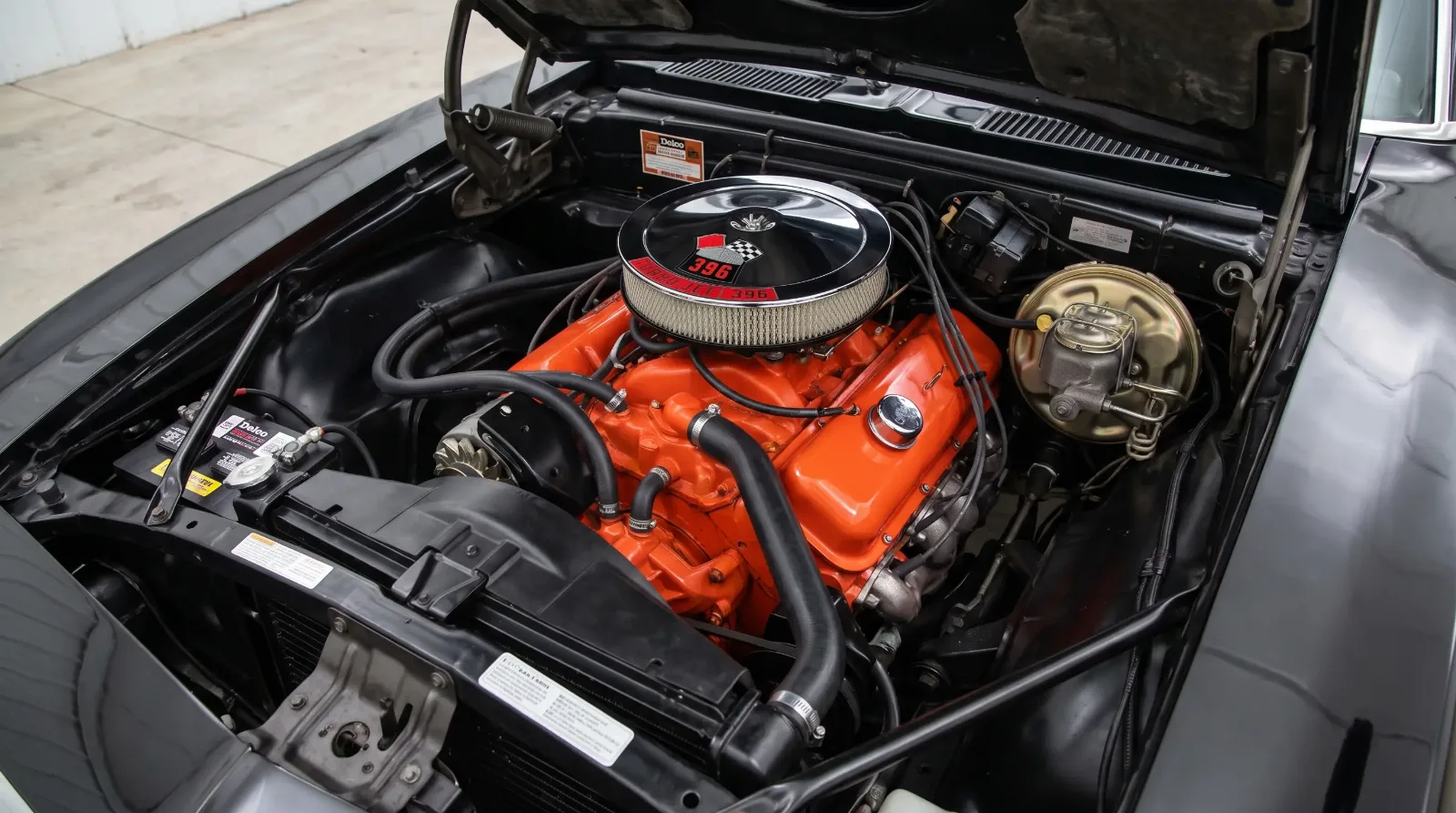
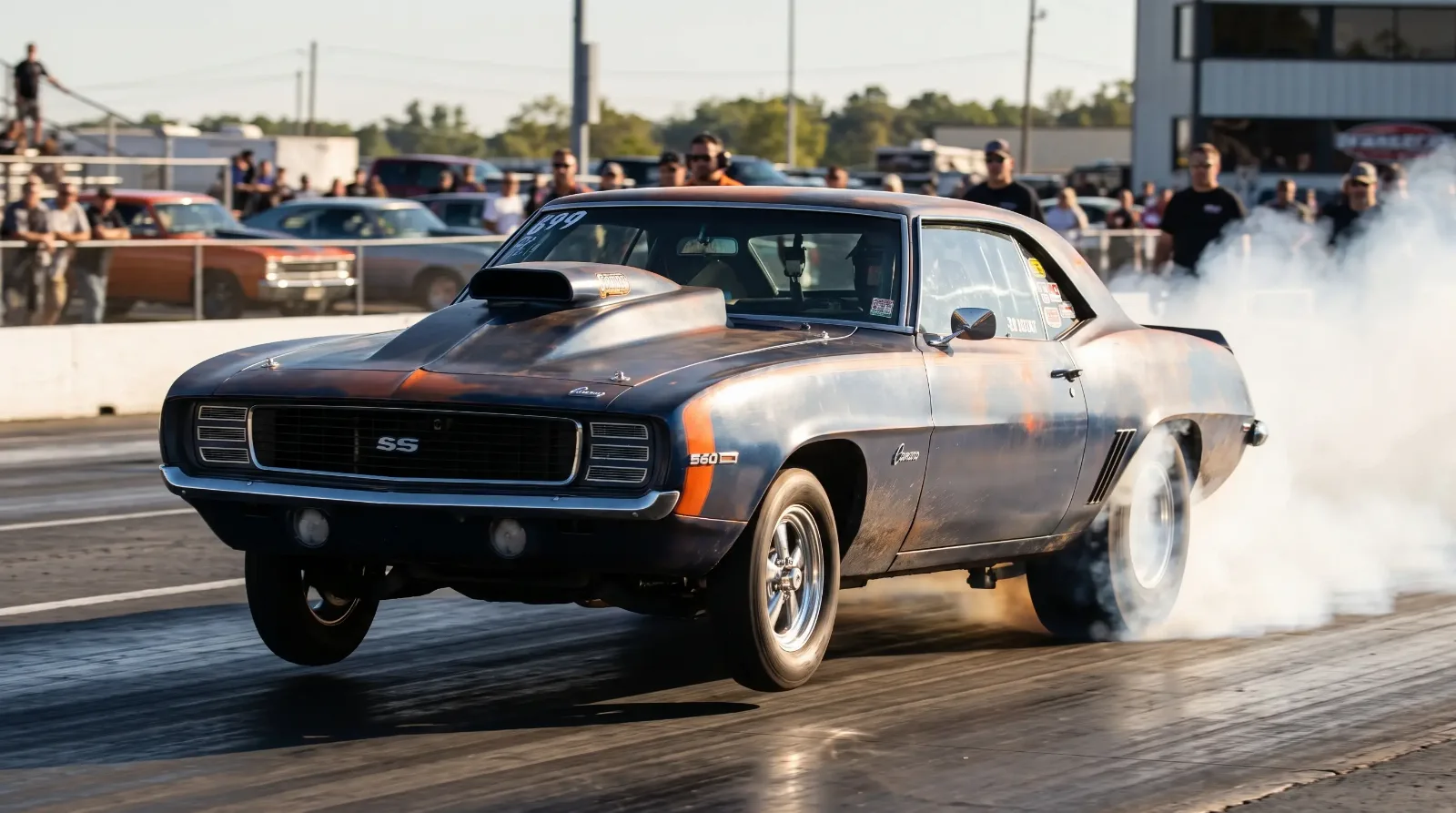
At the top of any rarity discussion sits the COPO 9560 ZL1 Camaro from 1969. The ZL1 engine was an all-aluminum 427 cubic inch big-block originally developed for Can-Am racing use. Fred Gibb, a dealer in La Harpe, Illinois, initiated the COPO order for these cars specifically to go drag racing, and the result was a Camaro that weighed significantly less than an iron-block 427 car because the engine's block, heads, and intake manifold were all cast in aluminum.
Chevrolet built 69 ZL1 COPO Camaros for 1969. The price was extraordinary: the engine option alone cost roughly $4,160 at a time when a complete base Camaro listed for around $2,600. Dealers who received ZL1 cars had difficulty selling them at sticker price, and Fred Gibb reportedly accepted some cars back from Chevrolet when buyers could not be found. The cars that did sell went to serious drag racers who needed them, and many were campaigned hard before any collector value was apparent.
Surviving ZL1 Camaros are extremely difficult to authenticate because the cars changed hands frequently in their working lives, and engines were swapped, modified, and replaced routinely. The aluminum block and heads are the key identifiers, combined with the COPO documentation that must survive from the original build. The iron-block COPO 9561 article covers the parallel story of the more numerous but still rare 427 iron-block cars.
Yenko SC: dealer-built muscle before the COPO era
Before Don Yenko used the COPO system to factory-order 427 Camaros, he was converting them himself at the dealership level. The 1969 Yenko SC (Super Car) Camaro used COPO ordering to get 427-engined cars from the factory, but earlier Yenko specials involved Yenko's own shop installing 427 engines into Camaros that arrived with smaller powerplants. These pre-COPO Yenko conversions occupy a complicated authentication territory because they were dealer modifications, not factory configurations.
The 1969 Yenko SC Camaros ordered through COPO 9561 are better documented because they started as factory big-block cars. Yenko ordered approximately 201 of these (through the combined COPO 9561 and 9737 codes) and applied Yenko-specific striping, badging, and in some cases additional performance hardware before reselling them. Cars with full Yenko documentation, including the original window sticker showing Yenko pricing and content, are among the most valuable first-gen Camaros in the market today.
Nickey and other dealer specials
Yenko was not the only dealer building performance specials. Nickey Chevrolet in Chicago, Dana Chevrolet in California, and Motion Performance on Long Island all offered Camaro conversions with big-block engines, unique trim packages, and performance guarantees that the factory could not legally make. These dealer specials exist in a separate category from factory COPO cars, but they represent a genuine piece of first-gen Camaro history.
Motion Performance, run by Joel Rosen in partnership with Baldwin Chevrolet, built the Baldwin-Motion Camaros with extremely high output configurations and offered performance guarantees in writing. These were not subtle cars. A Baldwin-Motion Phase III Camaro was advertised with 500-plus horsepower, and the claims were backed by track testing rather than marketing copy. Production numbers for individual dealer conversions are poorly documented, which adds to the difficulty of verification but also to the mystique.
The Camaro's factory and dealer performance story covers the full arc from the original 1967 launch through the end of the first generation, giving context for understanding why independent dealer programs flourished alongside factory COPO orders.
The 1967 RS/Z28: rare by combination
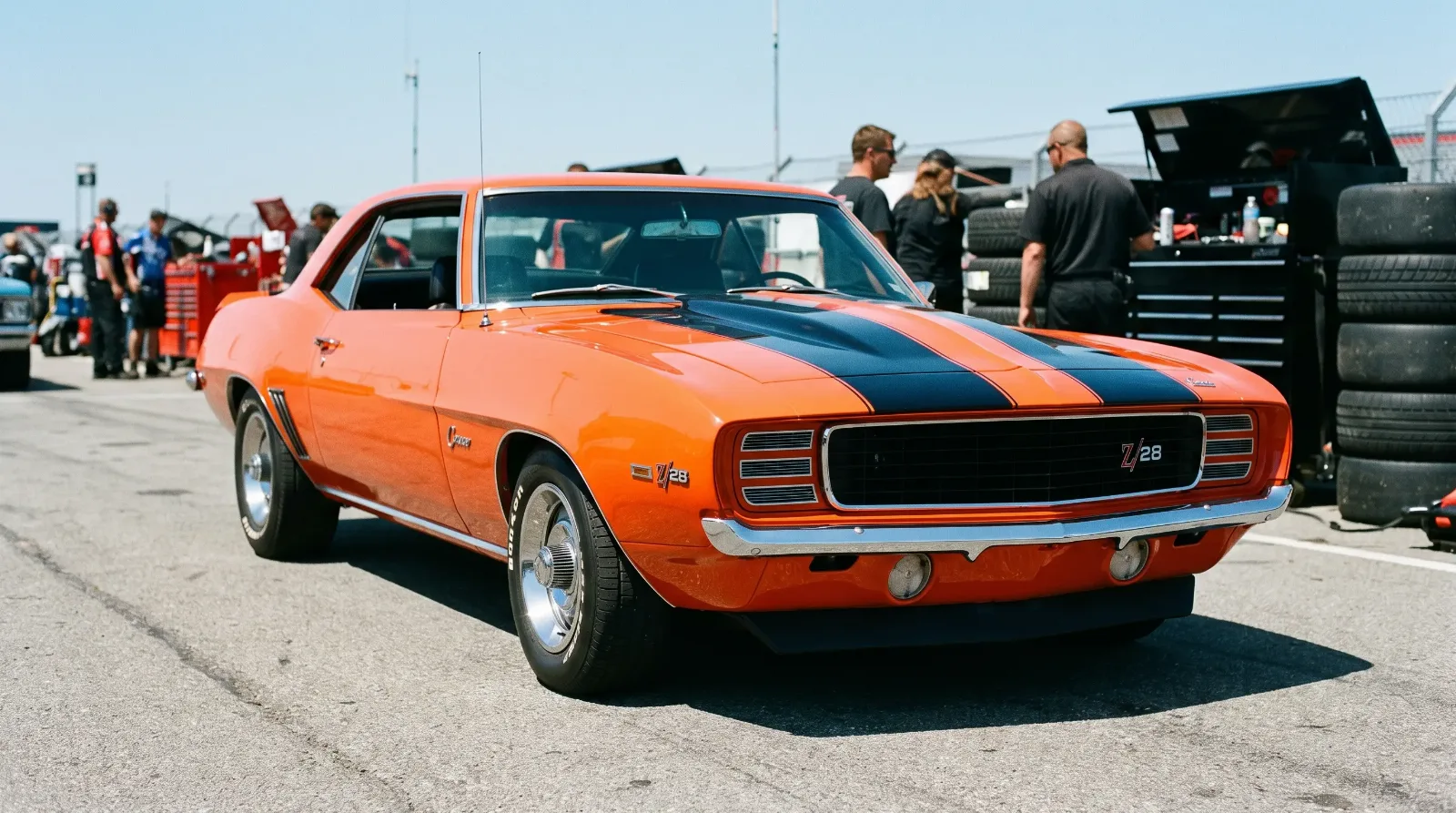
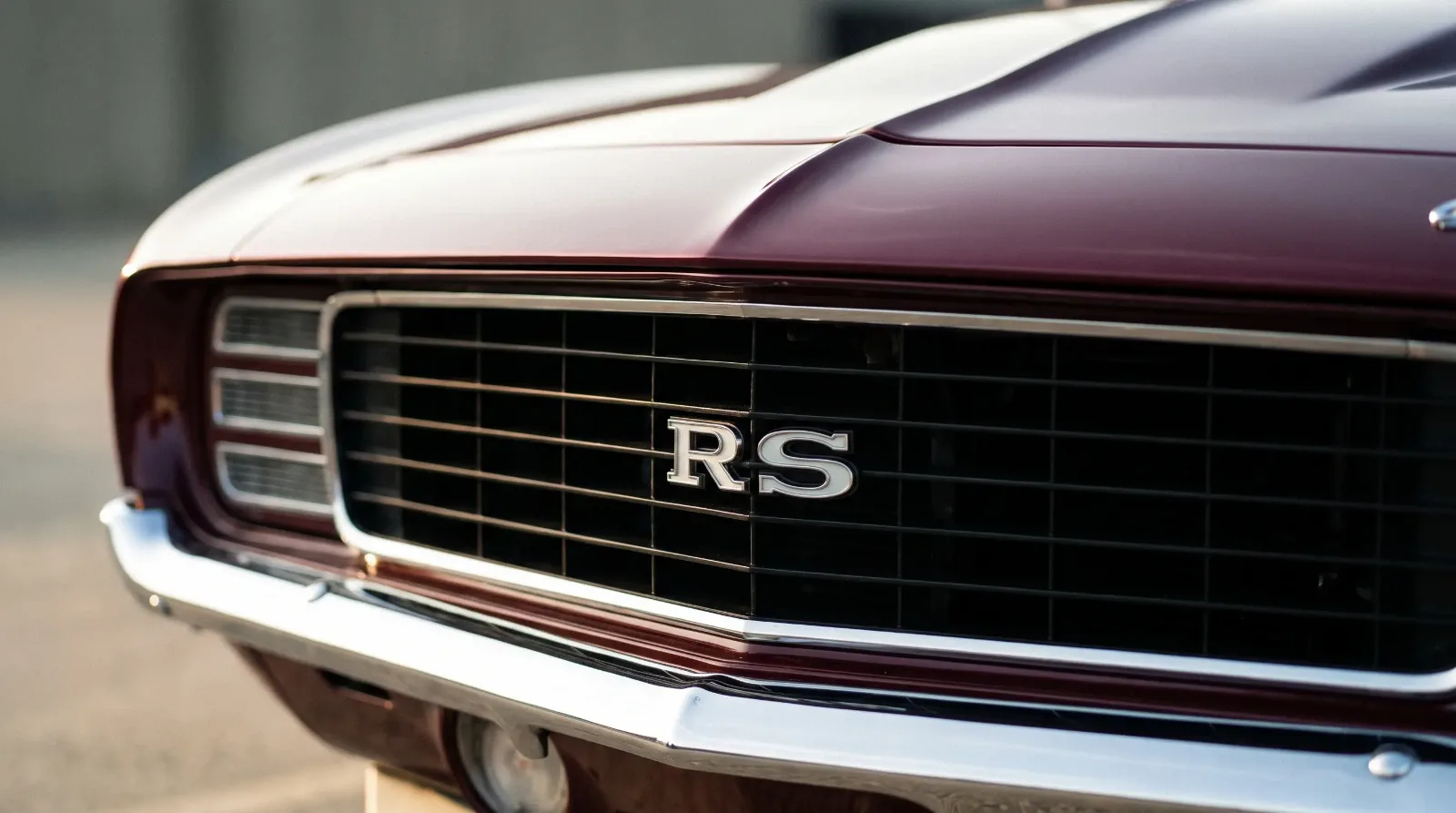
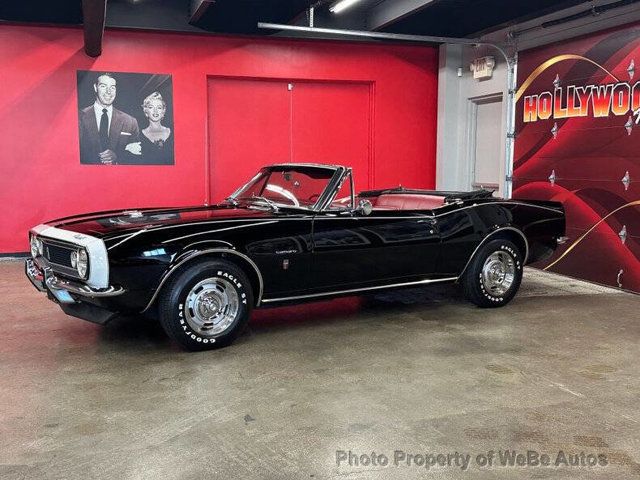
Among documented production cars rather than one-off specials, the 1967 RS/Z28 is one of the rarest configurations simply because the first-year Z/28 was produced in such small numbers to begin with. With only 602 total 1967 Z/28s produced, the subset that also carried the RS appearance package (Z22) represents a very small production run. Confirmed RS/Z28 examples from 1967 are known in the registry, but the total count is modest enough that each documented car is significant.
| Model / Configuration | Approx. Production | Key Identifier |
|---|---|---|
| 1969 ZL1 COPO (9560) | 69 units | All-aluminum 427, COPO documentation |
| 1969 COPO 9561 (iron 427) | Approx. 1,015 | L72 engine, COPO documentation |
| 1967 Z/28 total | 602 | 302 engine, RPO Z/28 trim tag |
| 1969 Yenko SC Camaro | Approx. 201 | Yenko badging, COPO base car |
| Baldwin-Motion Camaro (various years) | Unknown, very small | Motion Performance documentation |
What rarity means for buyers today
Rare first-gen Camaros attract significant attention and money, but they also attract fraud. The more valuable a specific configuration, the more incentive exists to create a convincing fake. The most reliable protection for a buyer is independent verification by a recognized marque specialist, cross-referencing VIN decode results against published production data, and insisting on primary documentation (build sheets, protect-o-plates, original invoices) before finalizing any transaction.
The complete overview of Camaro performance variants is a useful starting point for framing what makes certain cars genuinely rare versus simply marketed as rare. The rarest camaro is always going to be a car where the documentation and the physical evidence tell a consistent story, and that story is verifiable against known production records.
"Every season a ZL1 Camaro appears that turns out to be a 350 with an aluminum intake manifold and creative badging. The aluminum block feels different from iron in your hands. People who have held one know immediately. People who have not held one should find someone who has before they buy."
— Patrick Walsh
One of the most underappreciated factory performance features of the first-gen Camaro involves how air got into the engine. The cowl induction story is next.
Sources and notes
Production figures, engine specifications, codes, and dates in this article are cross-referenced from established Camaro references, period documentation, and owner registries. Where sources differ, the most commonly cited value is used. Cost figures are indicative and vary by supplier, region, and condition.