
How much is a Ford F-100 Unibody worth in 2026?

The frame and the cab are non-negotiable on any truck, and on the Unibody, they are the same piece of metal. That is either the most interesting engineering decision Ford made in the early 1960s or the most troublesome, depending on what shape the truck is in when you find it. I've had three Unibodies through my shop, and each one was a different lesson in what that integrated structure means for restoration work.
The Unibody Architecture
Ford's decision to build the 1961–1963 F-100 and F-250 on a unibody platform (the cab and frame integrated into a single welded structure, similar to passenger car construction) was a genuine engineering experiment. The rationale was improved ride quality, reduced weight, and lower manufacturing cost compared to conventional body-on-frame construction. In practice, the integrated structure created a truck that handled more like a car than any F-100 before or since — and also one where any structural damage required more complex repair work than cutting and replacing a conventional ladder frame rail. Ford returned to conventional body-on-frame construction for the 1965 F-100, ending the experiment after three model years.
| Year | Changes | Engine Options | 2026 Value |
|---|---|---|---|
| 1961 | First unibody year, horizontal headlights | 223 six / 292 V8 | $22,000–$45,000 |
| 1962 | Minor trim updates | 223 six / 292 V8 / 352 FE V8 | $22,000–$48,000 |
| 1963 | Revised grille, final year unibody | 223 six / 292 V8 / 352 FE V8 | $25,000–$55,000 |
Rust and Structural Integrity on Unibodies
The single most critical inspection point on a Unibody F-100 is the sill area where the bed meets the cab — a stress concentration point that rusts from the inside out and is not accessible without partial disassembly. A truck that looks solid from the outside may have significant corrosion in this area. Probe every sill with a tool; do not take visual appearance at face value. The floor of the cab is also critical — the Unibody relies on the cab floor as a structural element, and rust here compromises the entire architecture in a way it would not on a conventional-frame truck.
"Either buy a finished Unibody or buy a clean rust-free one and build it yourself. The half-finished ones are where money goes to disappear. The sill area and the cab floor are the make-or-break inspection points — everything else is fixable with enough budget."
— Robert Halloran
Browse current listings
 Dealer
 United States
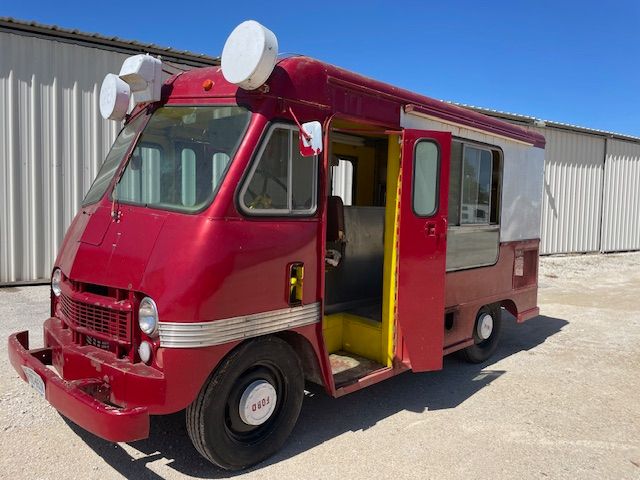
1961 Ford F-100
 Dealer
United States
Dealer
United States
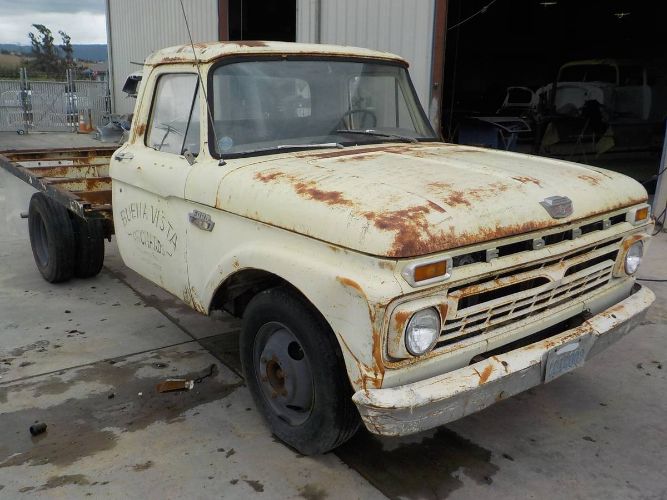
1959 Ford F-100
 Dealer
United States
Dealer
United States
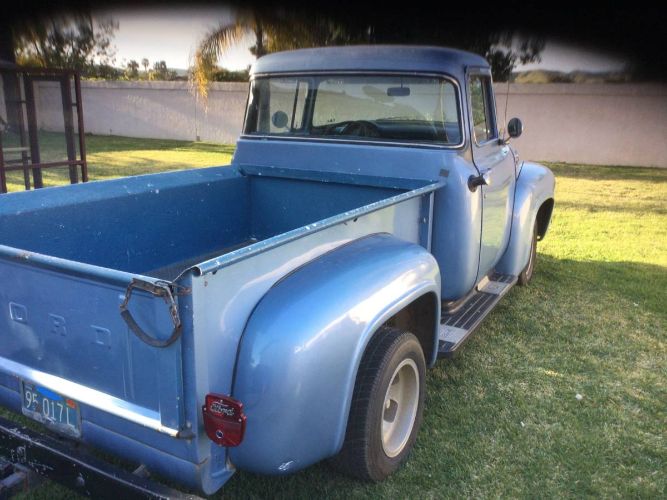
1956 Ford F-100
 Dealer
United States
Dealer
United States
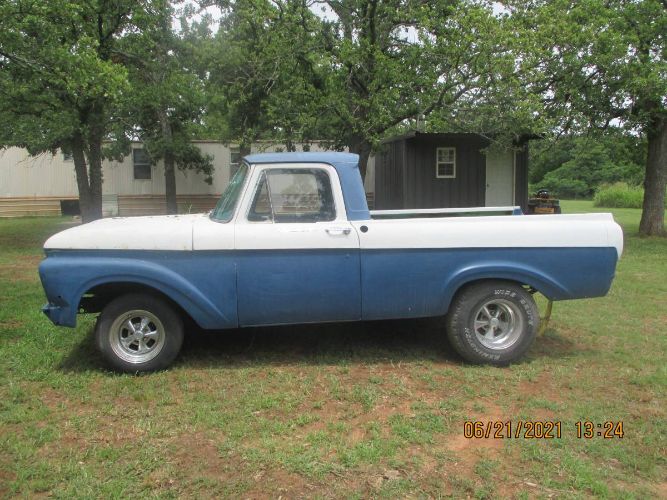
1962 Ford F-100
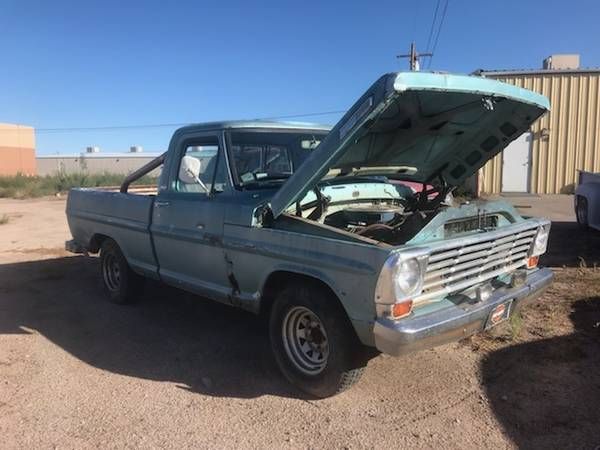 Dealer
United States
Dealer
United States
1972 Ford F-100
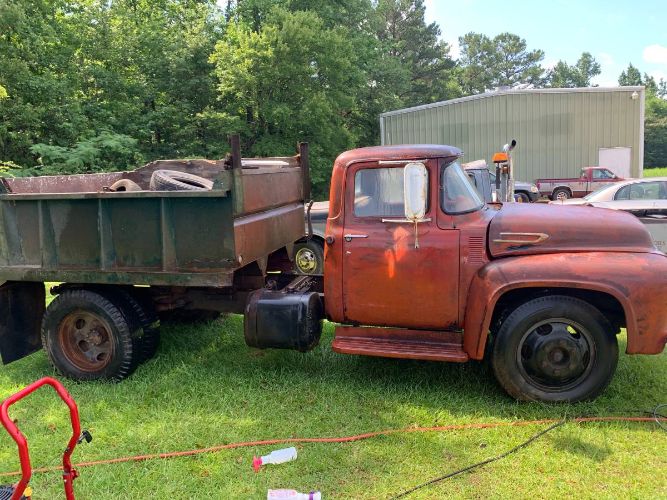 Dealer
United States
Dealer
United States