
Chevrolet K10 4x4 vs Ford F-100 4x4 — Classic Off-Road Rivals
<p>The Chevrolet K10 and Ford F-100 in 4x4 specification represent the two dominant choices for classic off-road truck collectors. Both trucks have been on the trail since the 1960s; both are experiencing strong collector market appreciation; and both are genuinely capable off-road vehicles by modern standards. Choosing between them comes down to which brand's parts ecosystem you want to live in and which design generation speaks to you.</p>
Specs side-by-side
| Spec | Chevrolet K10 | Ford F-100 |
|---|---|---|
| Front suspension | Solid front axle (pre-1988) | Twin-I-beam (Ford exclusive design) |
| Transfer case (1967–1972) | NP205 (full-time available) | NP205 (part-time) |
| Top engine option | 454 V8 | 390 FE / 360 V8 |
| Parts availability | Largest aftermarket (GM ecosystem) | Second-largest (Ford ecosystem) |
| Driver-quality value (2026) | $25,000–$60,000 | $28,000–$68,000 |
The case for Chevrolet K10
The Chevrolet K10 wins on front axle design. The K10 used independent front suspension (IFS) from 1988 onward, but the earlier solid-axle K10s (pre-1988) are preferred by trail drivers for their superior articulation and repairability. The 1969–1972 K10 with the solid-axle front end and the 350 or 454 V8 is as capable off-road today as it was fifty years ago. The Chevy drivetrain ecosystem is the largest in the world — NV4500 conversion, LS engine swap, and modern Dana 60 axle upgrades all have documented, well-supported swap paths on the K10 platform. Parts are everywhere.
The case for Ford F-100
The Ford F-100 4x4 wins on style. The 1967–1972 Flareside in 4x4 configuration is one of the most visually striking classic trucks produced — the combination of twin-I-beam front suspension (Ford's unique design that provided good on-road manners while maintaining ground clearance), the high roofline, and available Ranger trim creates a package that photographs as well as it performs. The twin-I-beam is a genuine Ford innovation that trail drivers still appreciate for its combination of ride quality and wheel travel. Parts availability for the F-100 is second only to the Chevy in terms of aftermarket support.
Verdict
Both are excellent classic 4x4 trucks and both will appreciate. The Chevy K10 has the larger community, more established swap ecosystem, and slightly more available replacement parts. The Ford F-100 4x4 has arguably more distinctive styling and the unique twin-I-beam advantage. Buy whichever you can find in the best structural condition — a rust-free frame and solid cab are worth more than either brand preference.
Recent Chevrolet K10 listings
 Dealer
 United States
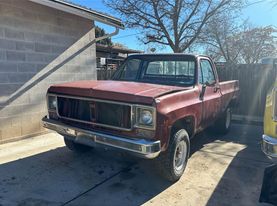
1977 Chevrolet K10
 Dealer
United States
Dealer
United States
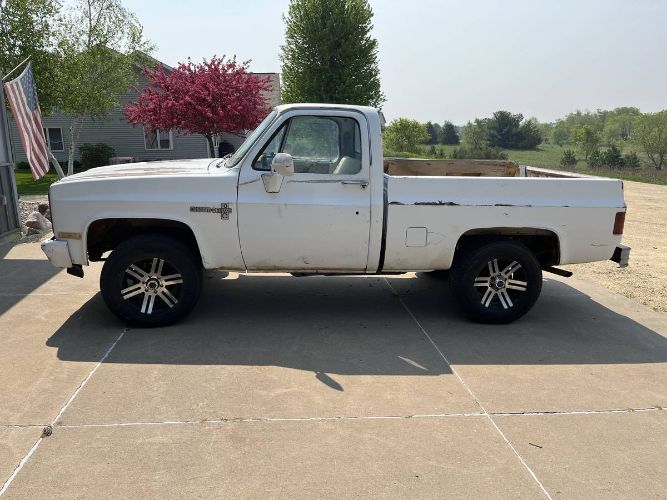
1986 Chevrolet K10
 Dealer
United States
Dealer
United States
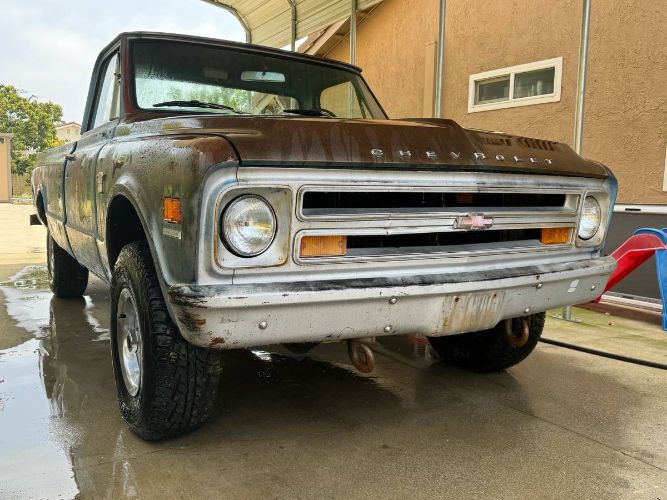
1968 Chevrolet K10
 Dealer
United States
Dealer
United States
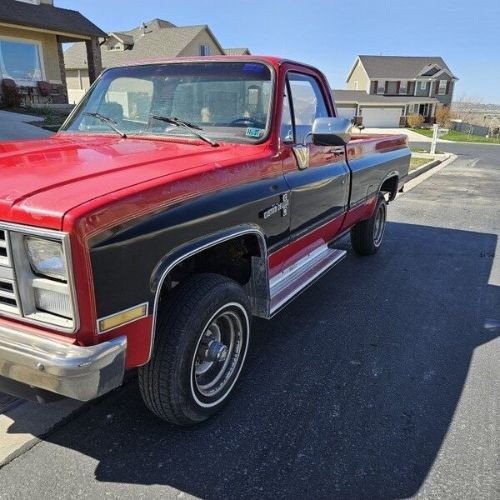
1986 Chevrolet K10
Recent Ford F-100 listings
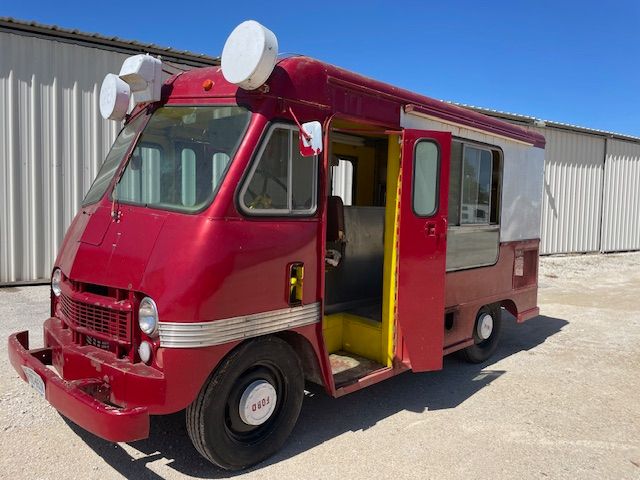 Dealer
United States
Dealer
United States
1961 Ford F-100
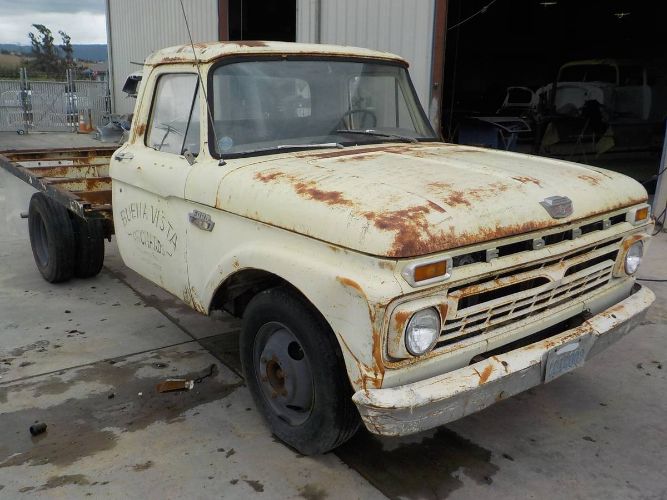 Dealer
United States
Dealer
United States
1959 Ford F-100
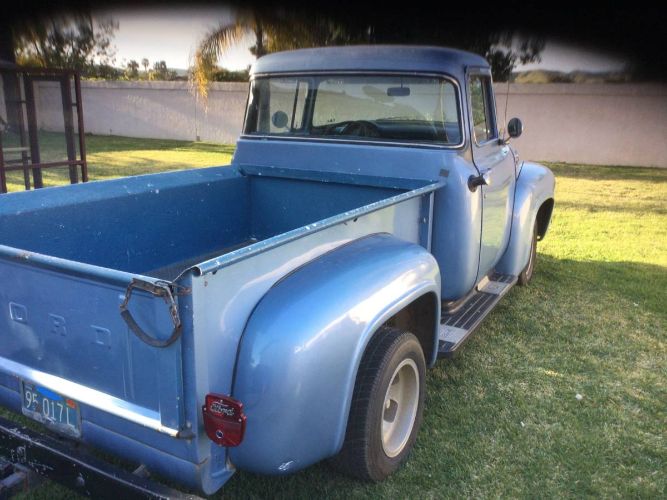 Dealer
United States
Dealer
United States
1956 Ford F-100
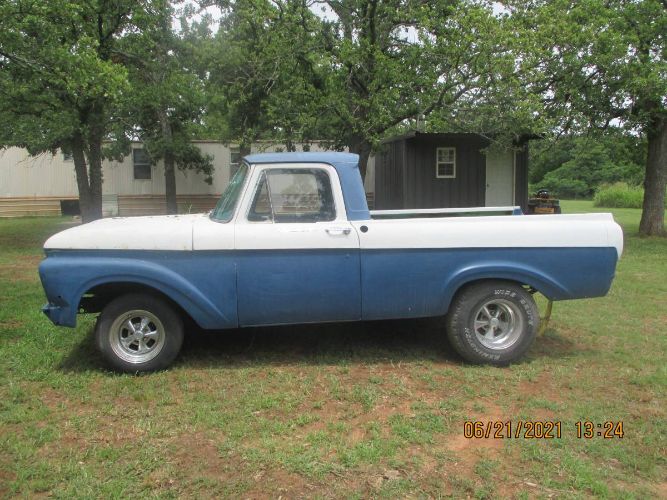 Dealer
United States
Dealer
United States