
1970 Chevrolet C10
$38,800
Vehicle Details
Chevrolet
C10
1970
Pickup Truck
Orange
Black
Automatic
RWD
Gasoline
383 Stroker V8
Good
Description
1970 CHEVROLET C10 CUSTOM "AC" ½ T Pick-up, High-performance "383 Stroker" V-8 w/headers, Auto, Orange w/white Inserts, Black Lth Interior, custom wood steering wheel, PS, PB, Stereo, Analog Gauges, rally rims w/white letter tires, chrome bumpers & grille, Bed mat 56,000 Miles VIN#CE140S177851
Classic Chevrolet C10 Buyer's Guide
Chevrolet C10 Market Overview
Based on 326 Chevrolet C10 listings currently on ClassicCarsArena.com
Classic Chevrolet C10 Buyer's Guide
The Chevrolet C10 is the most popular classic American truck on the road today, and that popularity has driven values up considerably over the last decade. Whether you're after a clean 1967-1972 short-bed Fleetside or a square-body restomod, this guide will help you spot the good, the bad, and the cleverly disguised.
What to Check Before Buying
Common Issues
What to Look For
Price Guide
Did You Know?
Also Consider
Similar classic cars shoppers also browse:
1970 Chevrolet C10
Contact Seller
Buying safely?
Read our scam-avoidance tips before paying →
Listing Actions
More in this area
Browse by Era
1970s Classics for SaleAll 1970 Classics
Browse all 1970 Trucks for SaleGet classic car alerts
Latest arrivals, newest deals, and discount coupons — straight to your inbox.
Selling your classic car?
Reach millions of classic car enthusiasts on the largest US classics marketplace.
Sell Your Car →Similar Listings
 Dealer
 United States
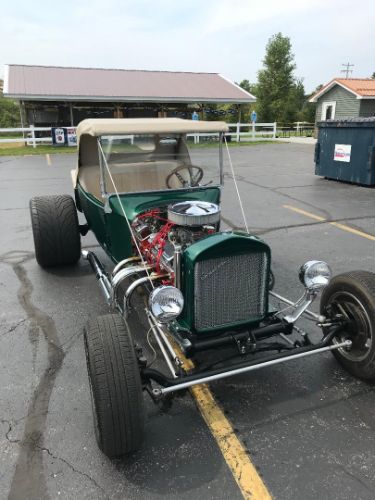
1918 Chevrolet 100
 Dealer
United States
Dealer
United States
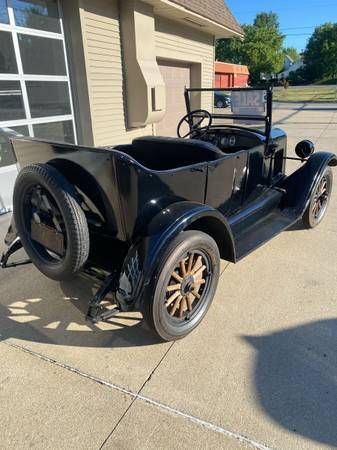
1923 Chevrolet Master
 Dealer
United States
Dealer
United States
1925 Chevrolet Superior K
 Dealer
United States
Dealer
United States
1926 Chevrolet 100
Contact Seller
Report this Ad
Help us keep the marketplace clean. Our moderation team reviews every report within 24 hours.