
1968 Chevrolet Camaro
$55,997
Vehicle Details
Chevrolet
Camaro
1968
2,611 miles
124678N390226
Convertible
Automatic
396 Big Block V8
Description
1968 Chevrolet Camaro SS Convertible — 350 V8, Power Top, Ivory Interior Why This Car Is Special The 1968 Chevrolet Camaro SS Convertible sits at an interesting crossroads in first-generation Camaro history. Chevrolet had launched the Camaro in September 1966 as a direct answer to the Ford Mustang, and by 1968 the car had hit its stride. The '68 model year brought refinements over the debut cars, including side marker lights added to meet new federal safety standards, and a revised hidden wiper setup that cleaned up the cowl area significantly.
The result was a cleaner, more cohesive design that many collectors consider the sweet spot of the first generation. Decoding this car's VIN tells us something right away. The second and third characters — '24' — confirm this is a Camaro convertible, body style 67/68 style Sport Convertible.
The '7' in the model year position confirms 1968, and the '8' in the engine position confirms a V8 application from the factory. That matters because it means this car was engineered from the start to carry V8 torque loads, with the corresponding heavier-duty subframe and body reinforcement that came with factory V8 convertible production. The SS package in 1968 was not just a badge.
It included a blacked-out grille with SS badging, specific hood ornamentation, rocker panel striping, and the suspension tuning that separated these cars from a standard Sport Coupe or base convertible. Chevrolet produced just over 27,000 Camaro SS convertibles across the 1968 model year — a relatively small number compared to total Camaro production of roughly 235,000 units that year, which makes the SS ragtop a genuinely desirable configuration rather than just a popular one. This particular example presents as a driver-quality restomod.
It has been upgraded with modern convenience and reliability in mind while retaining the visual character that makes a 1968 Camaro SS Convertible worth owning in the first place. Features List - 350 cubic inch V8 engine - 700R4 four-speed automatic overdrive transmission - Front disc brakes - Power-operated white convertible top - Ivory vinyl interior - Correct 1968 SS hood ornamentation - 18-inch wheels with mag-style covers - 10-bolt rear axle - X-frame underbody brace - Red exterior Mechanical Under the hood is a 350 cubic inch small block Chevrolet V8 dressed with chrome Chevrolet valve covers, a chrome open-element air cleaner, and red-painted accessories. The presentation is clean and purposeful — this is an engine bay built to be seen.
The 350 is backed by a 700R4 four-speed automatic overdrive transmission, which is one of the most practical upgrades you can make to a car like this. The original Turbo-Hydramatic 350 or 396 four-speed that may have come in a factory SS had no overdrive gear, which means highway driving at 60 to 70 miles per hour was a noisy, fuel-burning exercise. The 700R4 drops engine RPM considerably at cruise speed, making this 1968 Camaro SS Convertible a genuinely comfortable car for longer drives, not just a weekend show piece.
Front disc brakes are fitted, replacing the factory front drums that came standard on most 1968 Camaros unless the optional front disc package was ordered. The improvement in stopping distance and fade resistance is substantial, and for a car that sees real road use, this is a sensible upgrade. The rear uses a 10-bolt axle, which is the correct unit for this application and more than adequate for the power level this 350 produces.
The addition of an X-frame underbody brace addresses a known characteristic of first-generation Camaro convertibles. Without a fixed roof structure, the unibody shell on any open-top car is inherently less rigid than its coupe counterpart. GM engineers knew this and added some reinforcement from the factory, but aftermarket X-braces are a common and well-regarded addition that reduces cowl shake and tightens up the overall feel of the chassis.
It is a detail that reflects thoughtfu
Classic Chevrolet Camaro Buyer's Guide
Chevrolet Camaro Market Overview
Based on 360 Chevrolet Camaro listings currently on ClassicCarsArena.com
Classic Chevrolet Camaro Buyer's Guide
The Chevrolet Camaro launched in September 1966 as Chevy's direct response to the Ford Mustang, and for over five decades it has defined American performance for an entire generation of enthusiasts. Whether you're hunting a numbers-matching first-generation Z/28, a survivor split-bumper second-gen, or a clean third-gen IROC-Z, the Camaro buyer's market is deep, varied, and full of pitfalls for the unprepared.
What to Check Before Buying
Common Issues
What to Look For
Price Guide
Did You Know?
Also Consider
Similar classic cars shoppers also browse:
How Does It Compare?
Head-to-head matchups for the Chevrolet Camaro:
1968 Chevrolet Camaro
Contact Seller
Listed by dealer
Nationwide consignment dealer
WeBe Autos lists vehicles from sellers across multiple states. The vehicle may not be at the dealer's address shown. Contact the dealer to confirm the vehicle's actual location before traveling.
Buying safely?
Read our scam-avoidance tips before paying →
Listing Actions
Browse by Era
1960s Classics for SaleAll 1968 Classics
Browse all 1968 Cars for SaleGet classic car alerts
Latest arrivals, newest deals, and discount coupons — straight to your inbox.
Selling your classic car?
Reach millions of classic car enthusiasts on the largest US classics marketplace.
Sell Your Car →Similar Listings
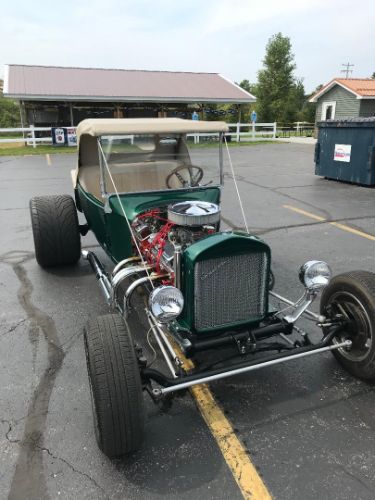 Dealer
 United States
1918 Chevrolet 100
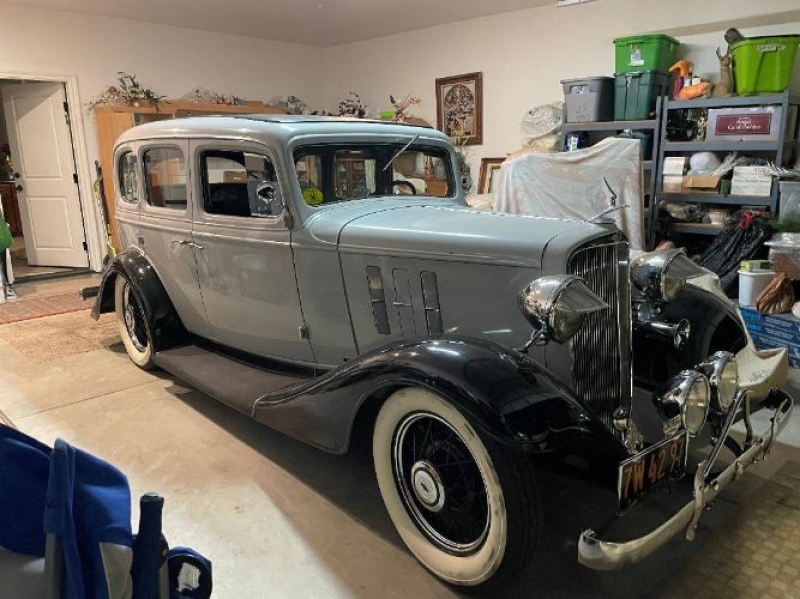 Dealer
United States
Dealer
United States
1923 Chevrolet Master
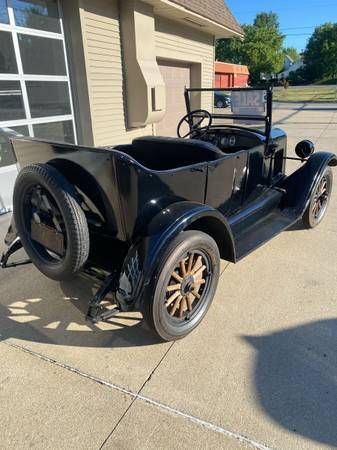 Dealer
United States
Dealer
United States
1925 Chevrolet Superior K
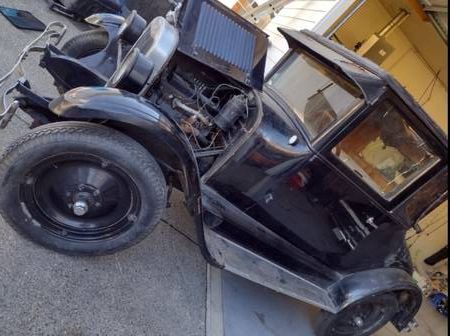 Dealer
United States
Dealer
United States
1926 Chevrolet 100
Contact Seller
Call this seller?
You're about to call WeBe Autos about the 1968 Chevrolet Camaro.
+1 (631) 339-0399
Report this Ad
Help us keep the marketplace clean. Our moderation team reviews every report within 24 hours.