
Ford Mustang Boss 302 vs Camaro Z/28 — Pony Car Track Warriors
<p>The Ford Mustang Boss 302 and Chevrolet Camaro Z/28 are the two defining factory Trans-Am homologation cars of the late 1960s — built specifically to meet the 305 cubic inch displacement limit and win on road racing circuits. Both cars used purpose-built high-revving small blocks, both were stripped of unnecessary weight, and both were available to the public as street cars that happened to be capable race cars. The head-to-head comparison is one of the great debates in American muscle history.</p>
Specs side-by-side
| Spec | Chevrolet Camaro | Ford Mustang |
|---|---|---|
| Engine | 302 DZ (290 hp, 5,800 rpm) | 302 Cleveland-head (290 hp, 5,800 rpm) |
| Induction | Holley 800 4V (race: dual 4V) | Holley 780 4V |
| Trans-Am record | Champions 1968 and 1969 | Runner-up 1969 series |
| Standard transmission | Close-ratio 4-speed (Muncie) | Close-ratio 4-speed |
| Driver-quality value (2026) | $80,000–$140,000 | $75,000–$130,000 |
The case for Chevrolet Camaro
The Camaro Z/28 wins on motorsport credentials. The Z/28 was developed specifically for the SCCA Trans-Am series, and in 1968–1969 it dominated — winning the manufacturers' championship both years. The 302 DZ small block (302ci via 4-inch bore on the 283 block with 3-inch stroke) was a high-winding, solid-lifter masterpiece that produced close to 360 hp in race trim despite the 290 hp street rating. The Z/28 option added specific heavy-duty suspension, front disc brakes, and a close-ratio 4-speed that transformed the standard Camaro into a proper road-racing tool. Documented 1969 Z/28s with 4-speed and proper RPO codes trade at $80,000–$140,000.
The case for Ford Mustang
The Boss 302 wins on street character and visual drama. The 1969 Boss 302 — with its massive front spoiler, rear window slats, hockey-stick stripes, and functional front chin spoiler — is one of the most aggressively styled production Mustangs ever made. The 302 Cleveland-head engine (a hybrid using 351 Cleveland heads on a 302 block) produced 290 hp at 5,800 rpm with a high-revving character that felt more exotic than the pushrod Z/28. The 1969 model year was the peak — Bunkie Knudsen had just arrived from Pontiac and his performance influence was immediate. Boss 302 values have been strong and are well-supported at $75,000–$130,000 for documented examples.
Verdict
In period testing, results varied: the Boss 302 often edged the Z/28 in straight-line tests; the Z/28 frequently bested the Boss on circuit. In the collector market, values are remarkably close for equivalent documentation quality. The Boss 302 has the visual drama advantage; the Z/28 has the racing history advantage. Both are outstanding investments in documented form and both should be authenticated against factory records before purchase above $70,000.
Recent Chevrolet Camaro listings
 Dealer
 United States
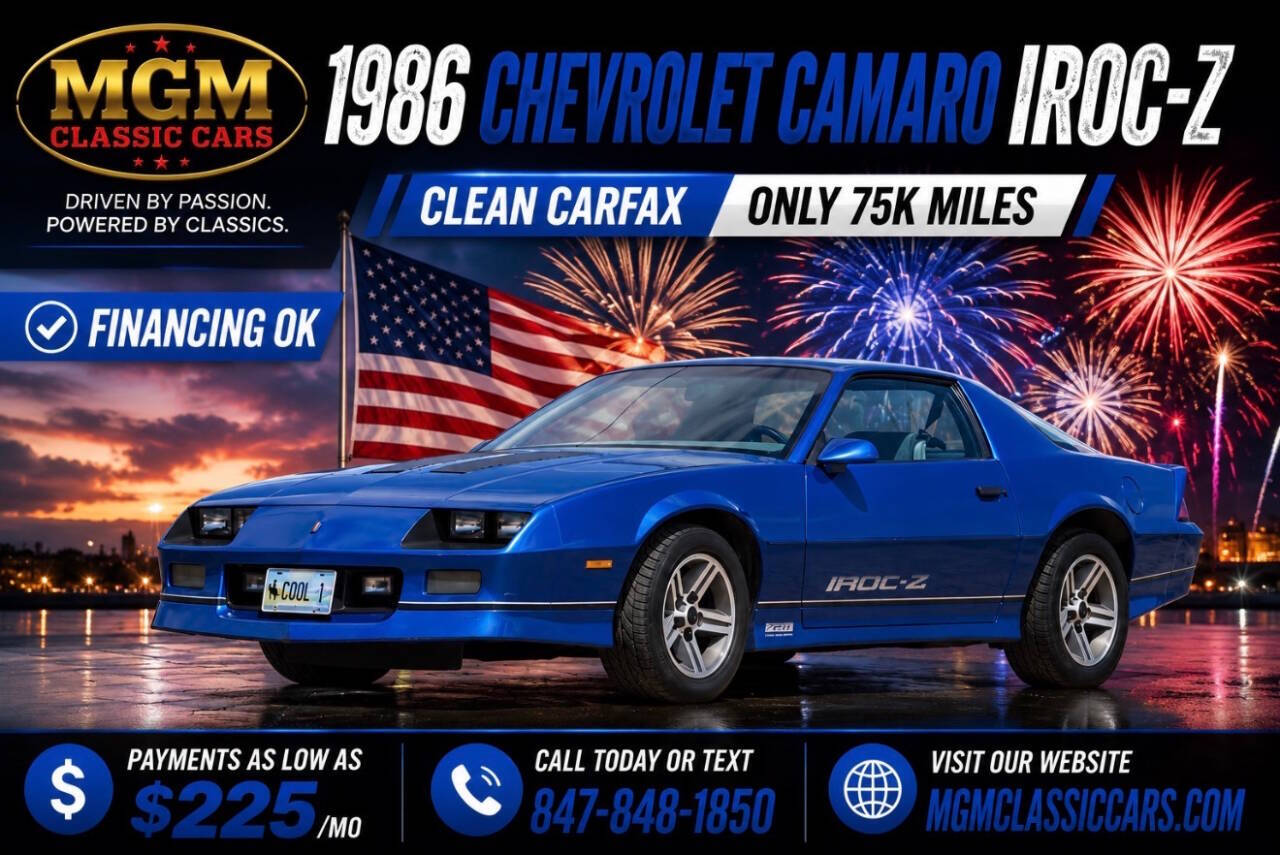
1986 Chevrolet Camaro
 Dealer
United States
Dealer
United States
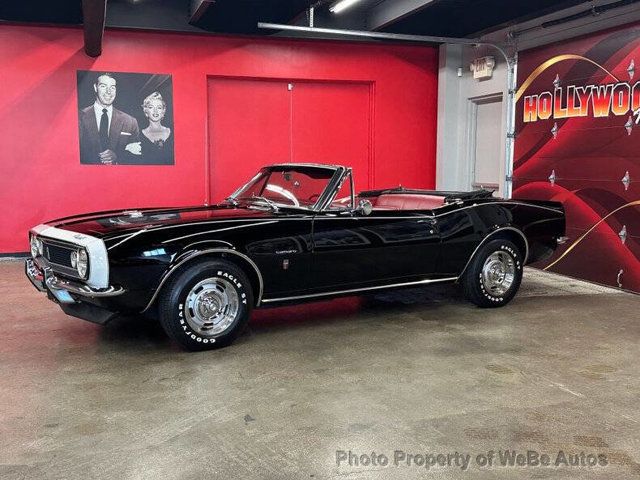
1967 Chevrolet Camaro
 Dealer
United States
Dealer
United States
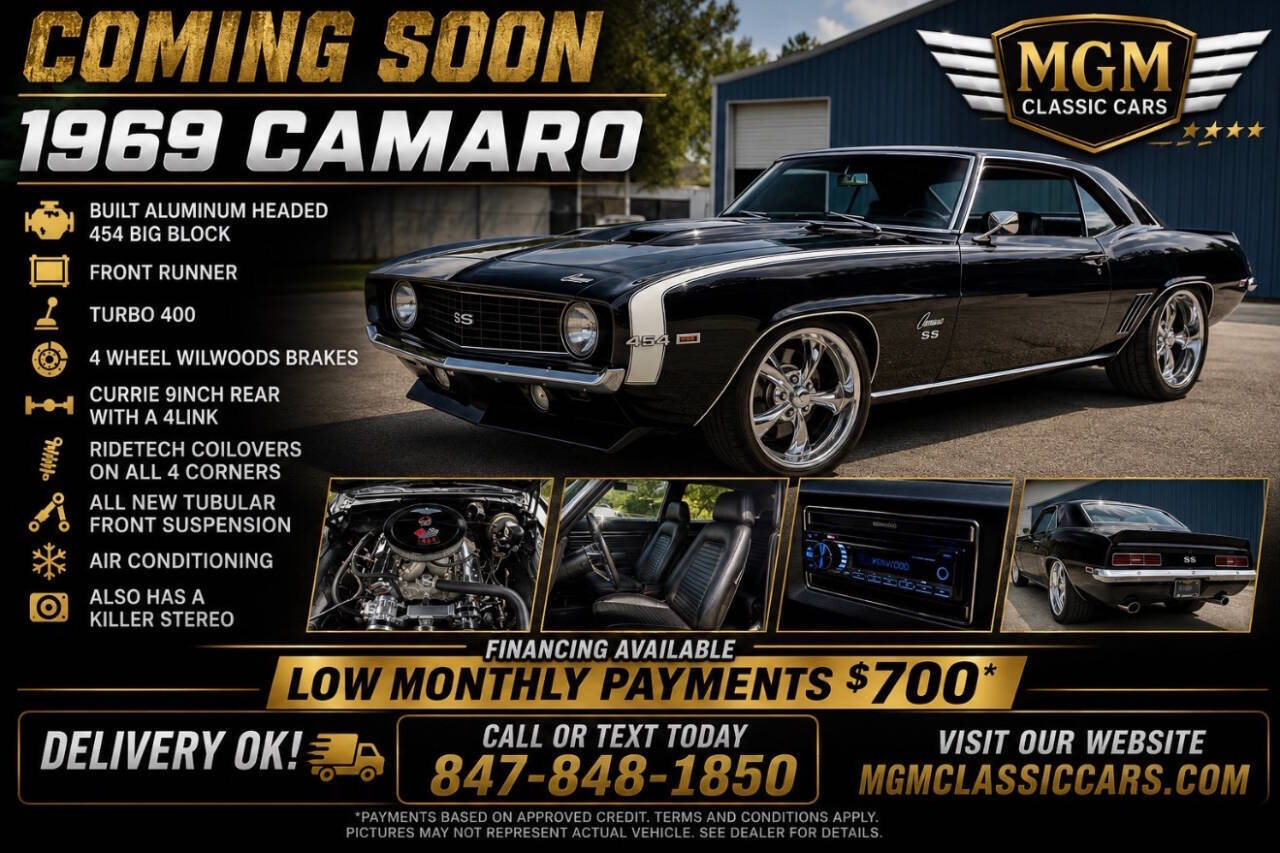
1969 Chevrolet Camaro
 Dealer
United States
Dealer
United States
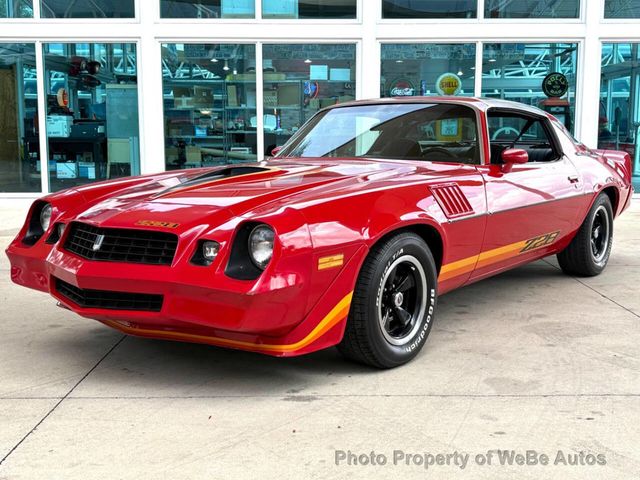
1979 Chevrolet Camaro
Recent Ford Mustang listings
 Dealer
United States
Dealer
United States
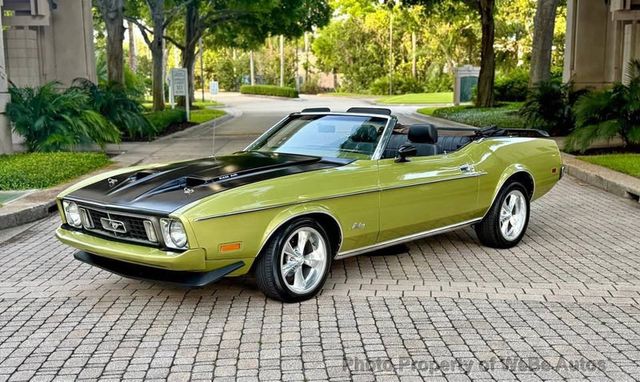
1973 Ford Mustang
 Dealer
United States
Dealer
United States
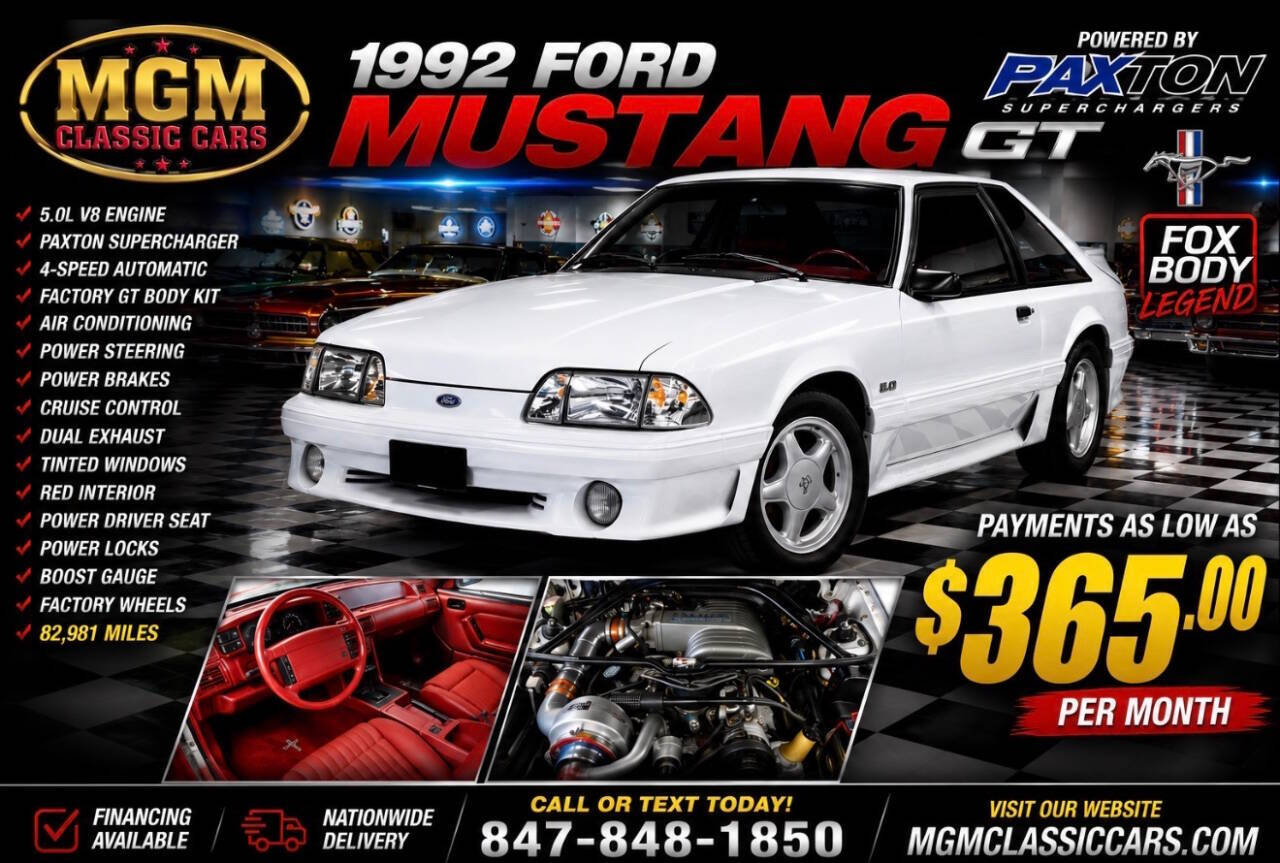
1992 Ford Mustang
 Dealer
United States
Dealer
United States