
How can I tell a real Yenko Camaro from a clone?

I've inspected hundreds of supposedly numbers-matching Camaros over the years. Yenko clones are among the most convincing — and most frequently encountered — frauds in the classic-car market. Here's the authentication process I walk through on every car.
How Real Yenko Camaros Were Built
Don Yenko of Yenko Chevrolet in Canonsburg, Pennsylvania used the Central Office Production Order (COPO) system to order 427-cubic-inch Camaros directly from Chevrolet's factory. In 1969 he ordered 201 cars using COPO 9561 (L72 427 engine) and COPO 9737 (the Sports Car Conversion package with heavy-duty suspension, front disc brakes, and a 140-mph speedometer). These cars left the factory with the 427 installed and were delivered to Yenko Chevrolet, which added its own graphics, badging, and documentation package.
The Authentication Checklist
- Cowl trim tag COPO codes: Must show COPO 9561 and/or 9737 in the option code field. This is non-negotiable — original cowl tags cannot be convincingly faked without obvious physical signs of manipulation.
- Engine block casting number: The L72 427 uses block casting 3963512. The foundry date code must precede the car's assembly date by 2–4 weeks — the standard engine build lead time.
- Partial VIN stamp on engine pad: The last 8 digits of the VIN are stamped on the engine pad at assembly. This stamp must match the dashboard VIN and door jamb plate with no signs of grinding or restamping.
- Yenko dealer documentation: Original window sticker, Yenko COPO verification letter, and Protect-O-Plate are the gold standard. Cars with the complete documentation package command a $50,000–$100,000 premium over cars with only mechanical evidence.
- Broadcast sheet: Typically found under the rear seat, in the trunk, or behind dashboard insulation. Must show COPO codes. Its presence is not mandatory but its absence at this price level requires explanation.
Common Clone Tells
Most clones start with a legitimate L78 396 Camaro and install a 427 with correct casting numbers. What exposes them: the cowl tag shows no COPO codes, the engine pad stamp has a date-code mismatch or shows grinding marks from restamping, and there is no documented connection to Yenko Chevrolet. The market premium for a genuine Yenko 427 runs $200,000–$400,000 above an equivalent non-Yenko COPO — which creates an enormous incentive to produce convincing fakes. Hire a recognized Camaro specialist before committing to any car presented as a Yenko.
Browse current listings
 Dealer
 United States
1986 Chevrolet Camaro
 Dealer
United States
Dealer
United States
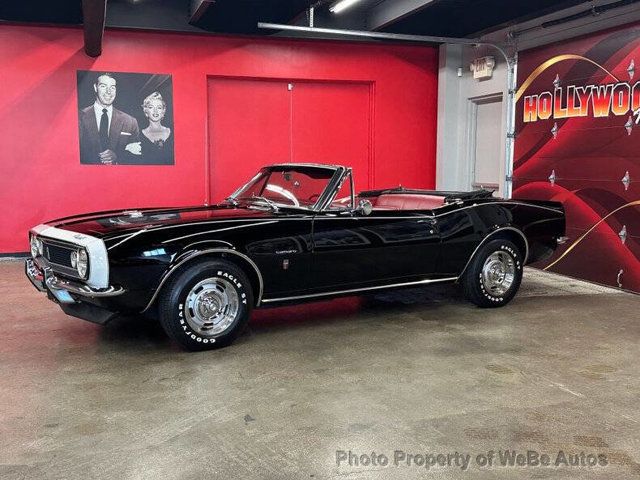
1967 Chevrolet Camaro
 Dealer
United States
Dealer
United States
1969 Chevrolet Camaro
 Dealer
United States
Dealer
United States
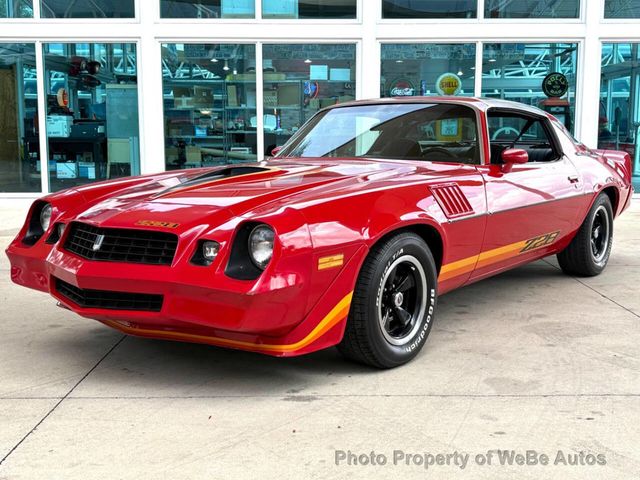
1979 Chevrolet Camaro
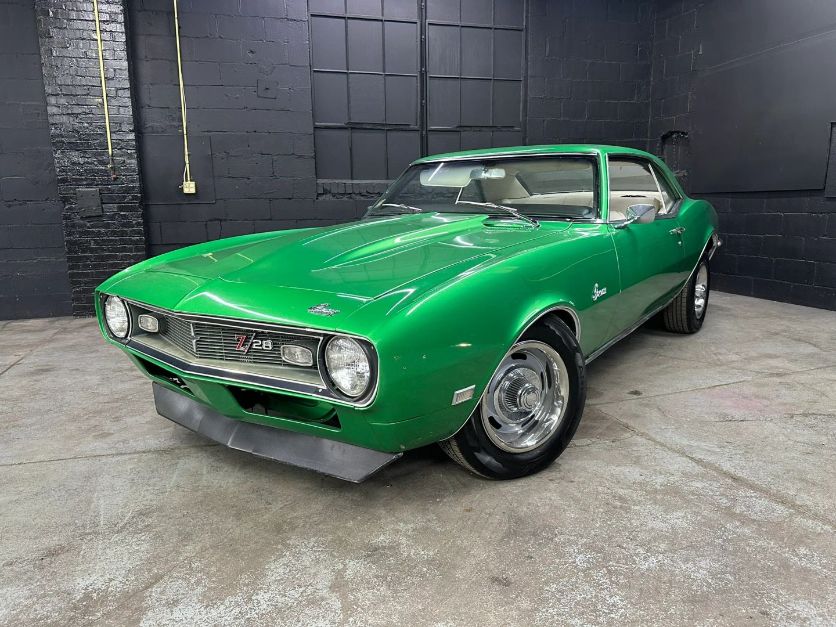 Dealer
United States
Dealer
United States
1968 Chevrolet Camaro
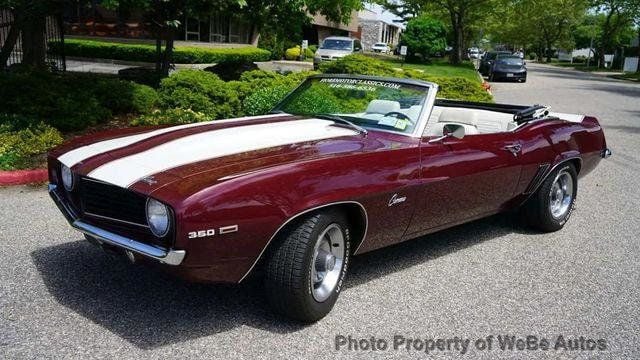 Dealer
United States
Dealer
United States