
Should I buy a first-gen or second-gen Camaro?

Both generations share the F-body platform and the core Camaro identity, but they occupy distinctly different collector market positions. Here's how to think about the choice.
First Generation (1967-1969) — The Premium Market
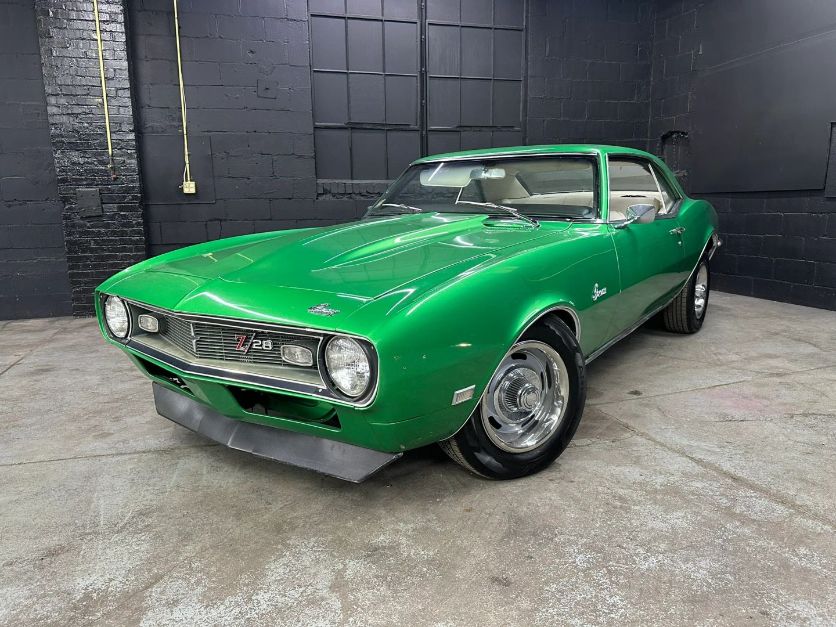
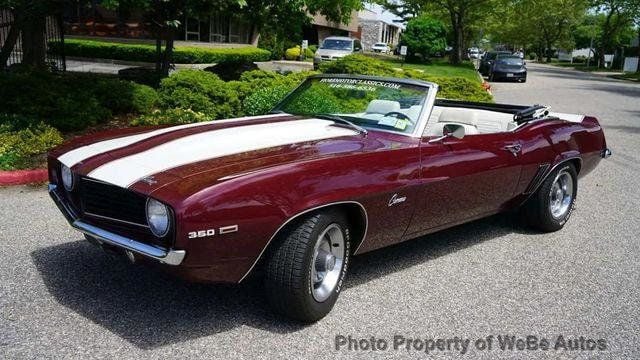
The first-gen Camaro was produced for only three years, giving it relative scarcity compared to the second-gen's 12-year run. The styling — particularly the 1969's aggressive rework — is universally considered the peak Camaro design. The COPO, Yenko, and Baldwin-Motion programs were exclusive to the first-gen years. Z/28 Trans-Am racing history is a first-gen story. For investment-grade collectibility, there's no comparison: first-gen wins. Driver-quality first-gens start at $28,000-$35,000 for standard small-block cars and climb steeply for SS, RS, Z/28, and COPO variants.
Second Generation (1970-1981) — The Driver's Pick
The second-gen launched on a reworked F-body with a wider stance and more European-influenced styling — some argue it's the better-looking car. Mechanically it was improved in most areas. The 1970-1972 cars are the collector sweet spot: LT-1 350 and Super Sport packages, before emissions regulations hollowed out the power figures. Driver-quality 1970-1972 second-gens run $22,000-$45,000 for desirable specs — 25-30% below equivalent first-gens.
The 1970-1974 Window
If you want to drive a second-gen Camaro, the 1970-1974 window is the window to buy in. The LT-1 350 (available through 1972) is one of the finest-revving small-blocks Chevrolet produced, and the Super Sport package was still meaningful in these years. Post-1975 Camaros are competent but increasingly distant from the first-gen's performance ethos.
My Recommendation
Budget $30,000-$50,000 and want investment upside? Buy a documented first-gen SS or RS with correct colors and a paper trail. Budget $20,000-$35,000 and want to drive? Buy the best 1970-1972 LT-1 second-gen you can find. Either way: buy documentation, not bodywork.
Browse current listings
 Dealer
 United States
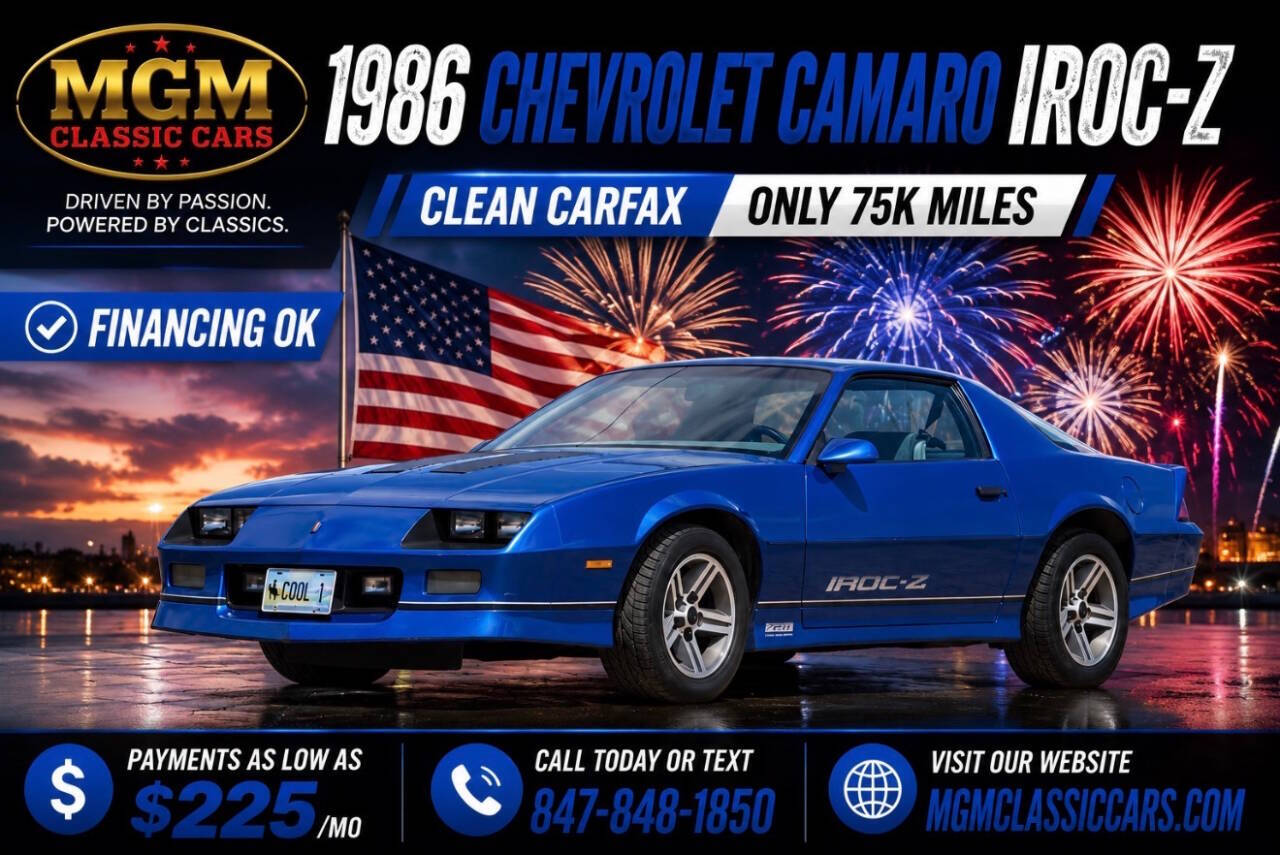
1986 Chevrolet Camaro
 Dealer
United States
Dealer
United States
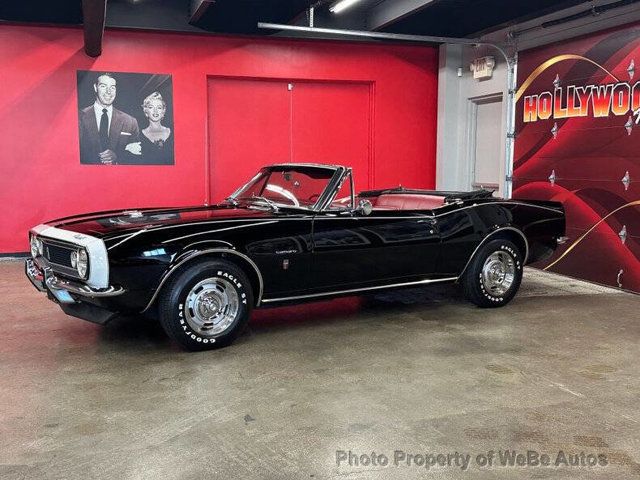
1967 Chevrolet Camaro
 Dealer
United States
Dealer
United States
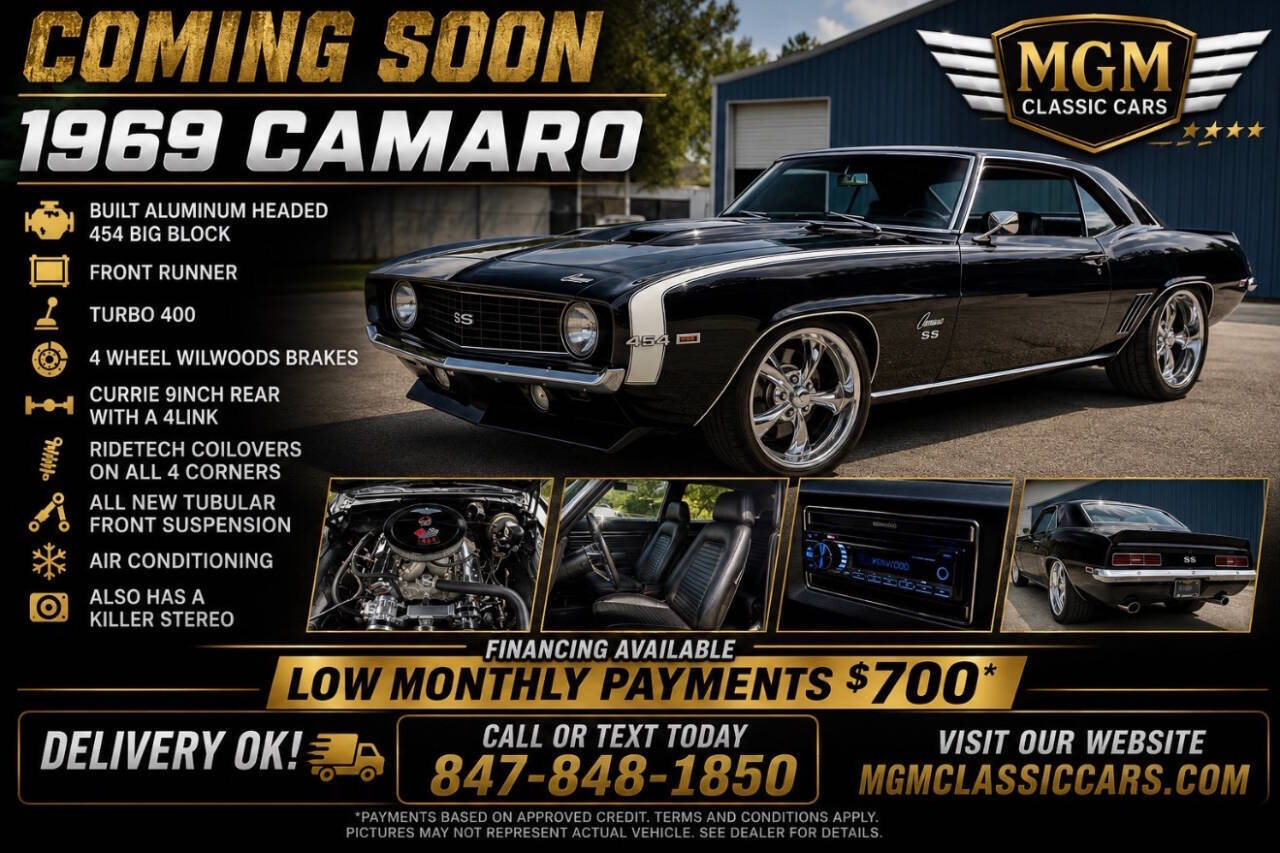
1969 Chevrolet Camaro
 Dealer
United States
Dealer
United States
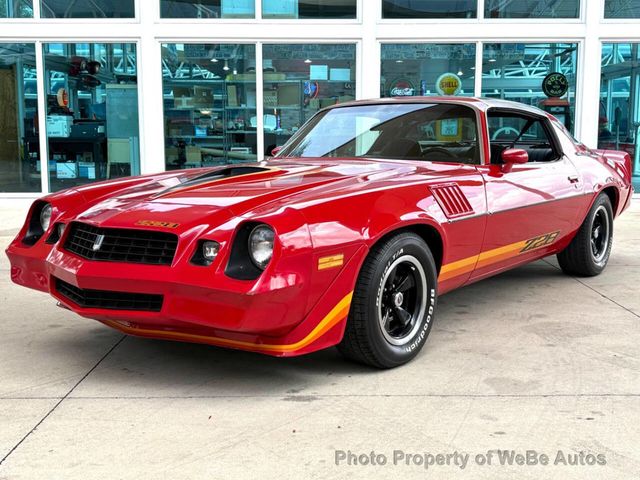
1979 Chevrolet Camaro
 Dealer
United States
Dealer
United States
1968 Chevrolet Camaro
 Dealer
United States
Dealer
United States