
Chevrolet Camaro vs Pontiac GTO — Pony Car vs Muscle Car
The Chevrolet Camaro and Pontiac GTO represent two distinct philosophies of American performance from the same era. The Camaro is a pony car — compact, lightweight, originally designed to compete with the Mustang on handling and driver engagement. The GTO is the original muscle car — a mid-size A-body with a big-block engine dropped in purely for straight-line performance. Choosing between them is choosing between two different American performance ideologies.
Specs side-by-side
| Spec | Chevrolet Camaro | Pontiac GTO |
|---|---|---|
| Platform | GM F-body (pony car) | GM A-body (mid-size) |
| Introduced | 1967 | 1964 (as Tempest option) |
| Top 1969 engine | ZL1 427 (COPO) | Ram Air IV (370 hp) |
| Iconic trim level | Z/28 | The Judge |
| Driver-quality entry | \$28,000+ | \$30,000+ |
| Aftermarket depth | Deepest of any classic | Good; Pontiac-specific |
The case for Chevrolet Camaro
Choose the Camaro for stronger long-term collector liquidity, the deepest aftermarket support of any American muscle car, and the halos of the COPO, Yenko, and Z/28 programs. The first-generation Camaro (1967-1969) was a more balanced performance package than the GTO — better handling out of the box, available with the Trans-Am-bred 302 Z/28 engine, and with a broader range of performance options. Camaro values have been consistently strong through every market cycle, and the aftermarket for first-gen Camaros is essentially unlimited.
The case for Pontiac GTO
Choose the GTO for historical primacy — this is the car that invented the muscle-car formula in 1964. The Pontiac 400 V8 has a different character than the Chevy small- and big-blocks: more torque at lower rpm, a heavier feel, and an engine sound that Pontiac owners swear is unmistakably distinct. The GTO market has been stable and appreciating steadily, with documented 1969 Judge and Ram Air cars showing consistent gains. If you want the car that started the genre, nothing else carries that story.
Verdict
For investment-grade long-term appreciation, lean Camaro — particularly Z/28 and documented COPO cars. For historical significance and a distinct driving character, lean GTO. Driver-quality cars trade within 10-15% of each other at equivalent spec levels; the decision ultimately comes down to which engine and story you want under the hood. The Camaro has the bigger aftermarket safety net; the GTO has the stronger origin narrative.
Recent Chevrolet Camaro listings
 Dealer
 United States
1986 Chevrolet Camaro
 Dealer
United States
Dealer
United States
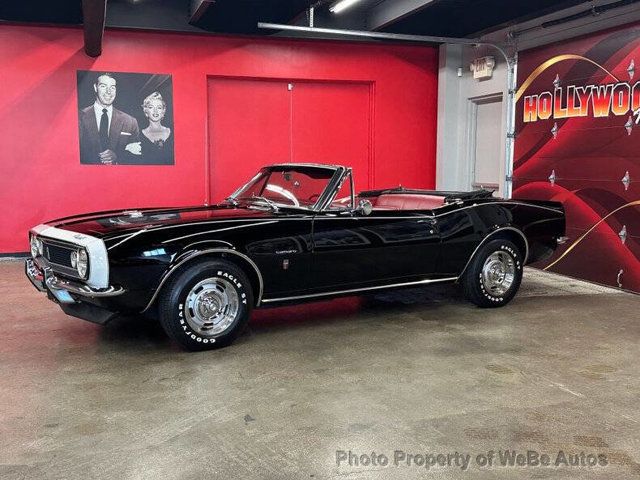
1967 Chevrolet Camaro
 Dealer
United States
Dealer
United States
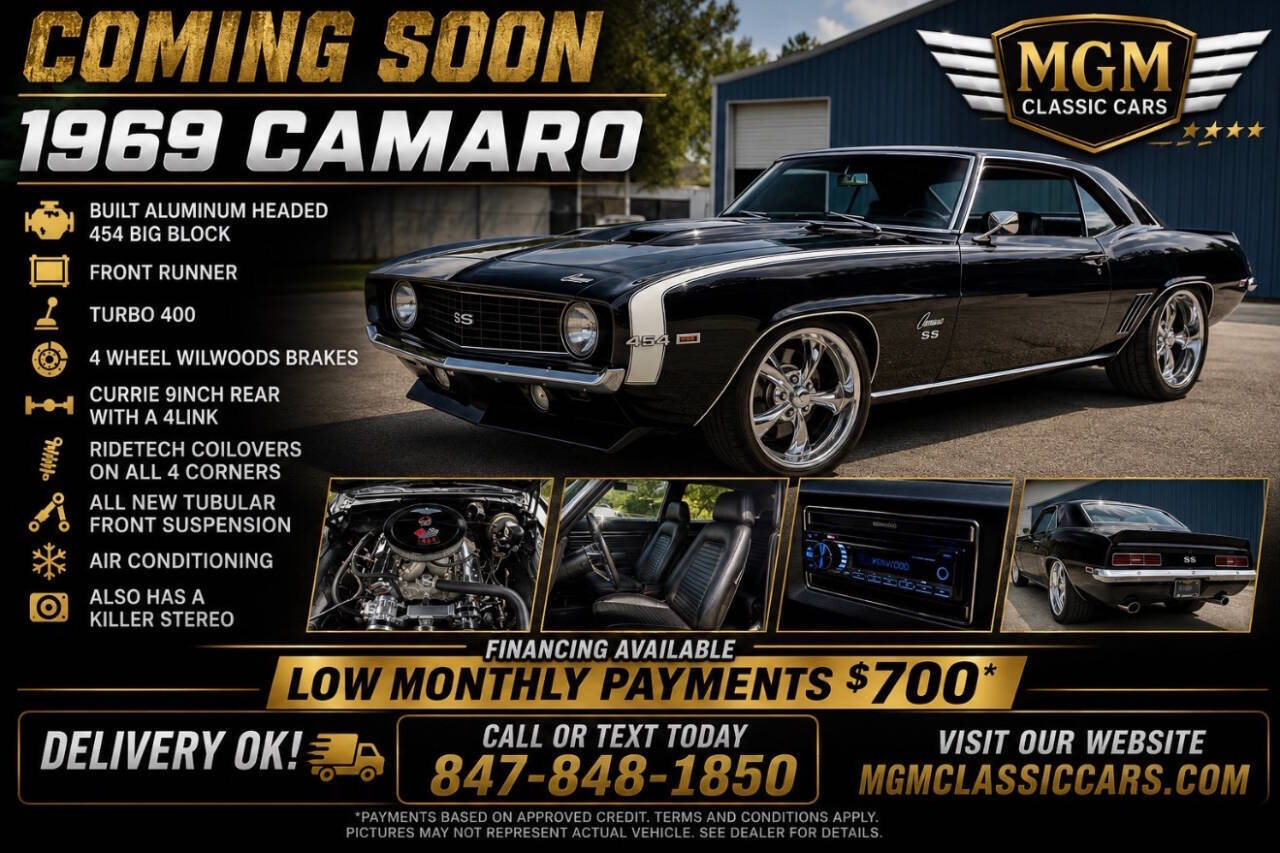
1969 Chevrolet Camaro
 Dealer
United States
Dealer
United States
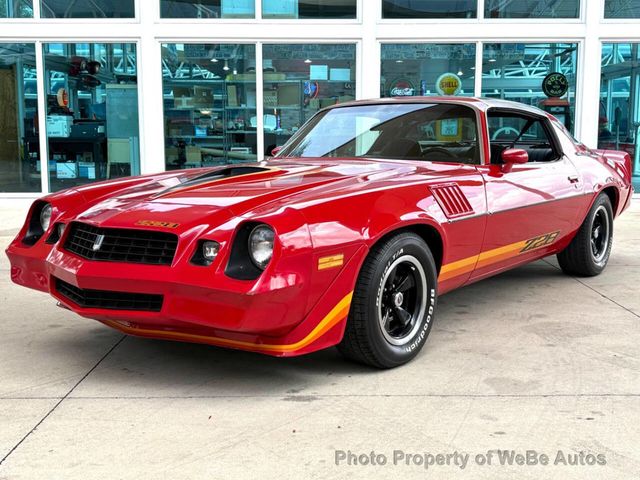
1979 Chevrolet Camaro
Recent Pontiac GTO listings
 Dealer
United States
Dealer
United States
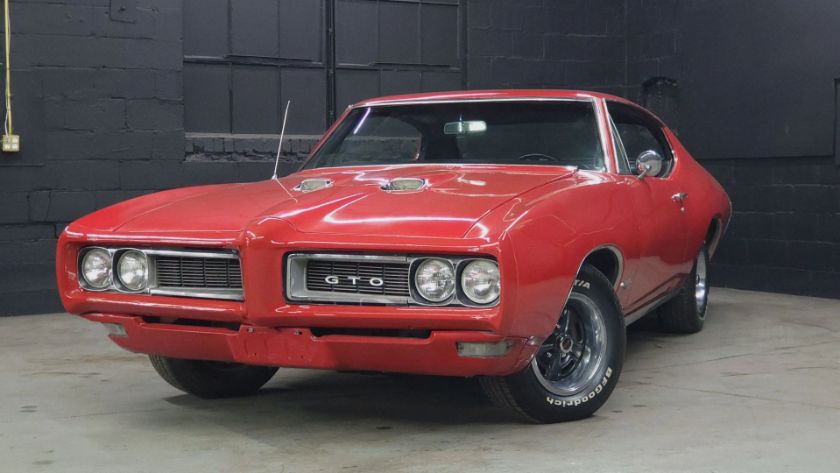
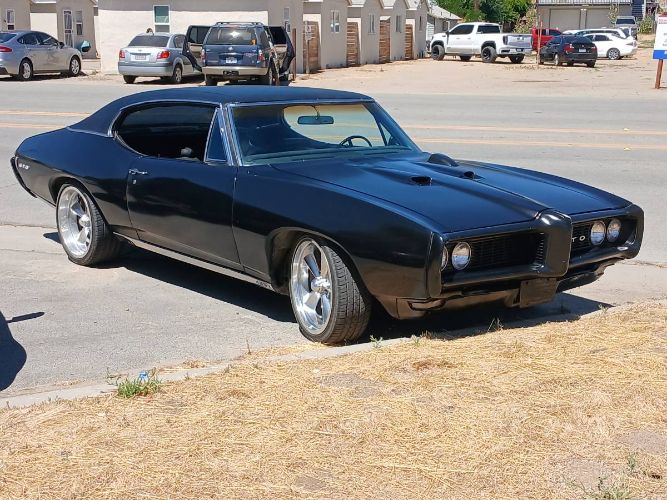
1968 Pontiac GTO
 Dealer
United States
Dealer
United States
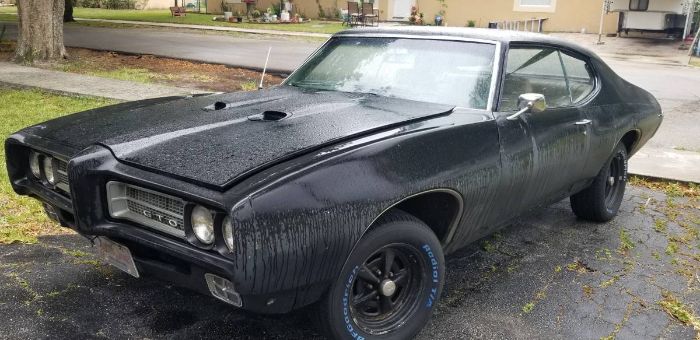
1968 Pontiac GTO
 Dealer
United States
Dealer
United States
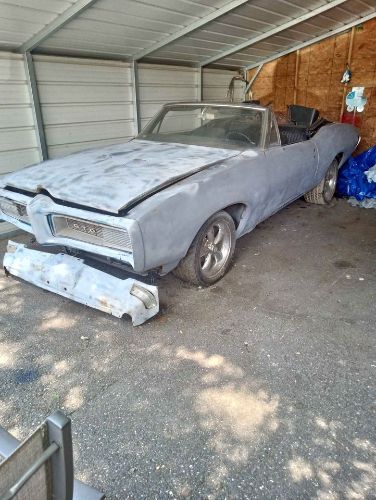
1969 Pontiac GTO
 Dealer
United States
Dealer
United States