Published June 10, 2026Updated June 28, 20264 generations1964–1974
People argue about what the first muscle car was, but the honest answer is the 1964 Pontiac GTO. Somebody at Pontiac figured out you could drop a big 389 into the mid-size Tempest and get around GM's own rules about engine size in the intermediate cars, and the whole industry chased that idea for the next decade. I have a soft spot for the GTO because it was an engineer's end-run, not a committee decision, and it created a market nobody knew was there. It ran eleven years and went from a clever option package to a standalone icon to a sad shadow of itself by the end. Knowing where in that arc a car sits is the whole story when you go to buy one.
Pontiac GTO — Generation by Generation
1964–1965
The Original (Tempest Option)
"The car that started it all"
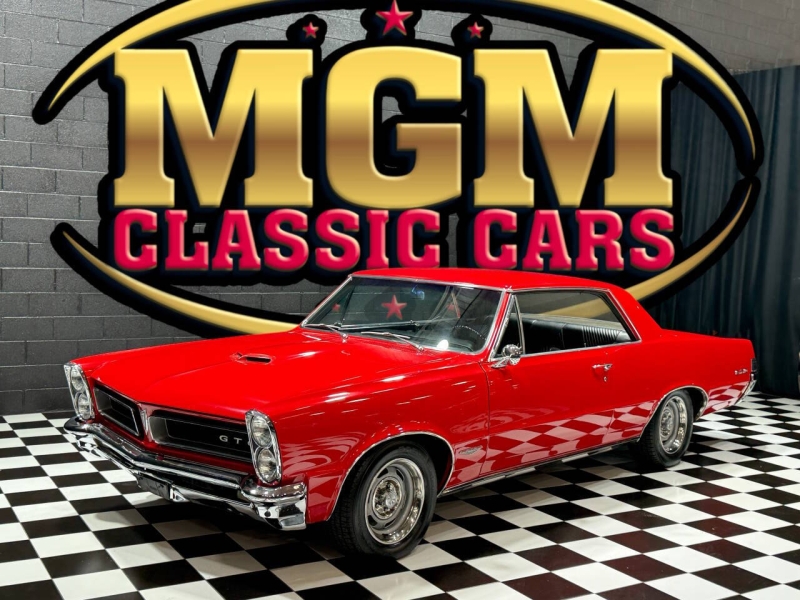
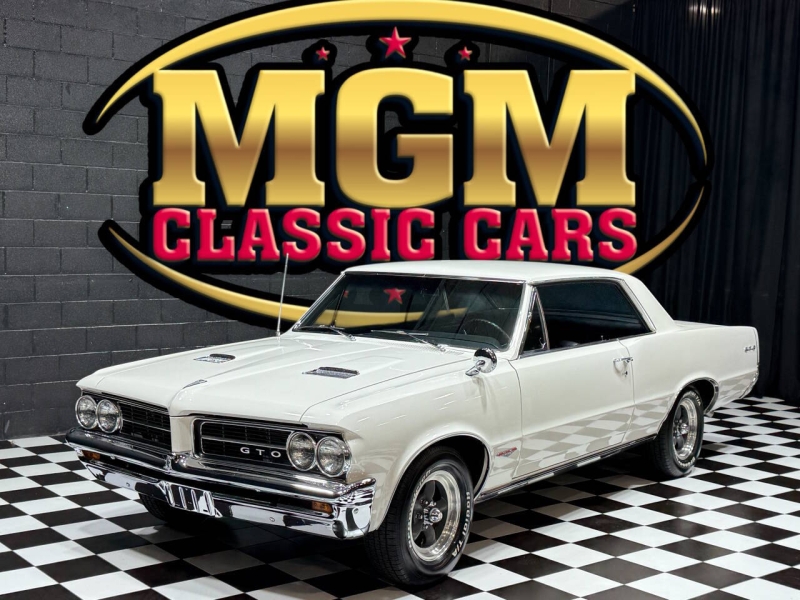
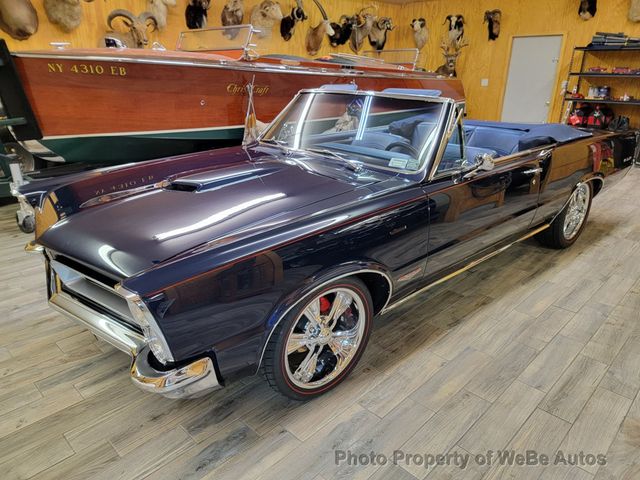
The GTO began as an option package on the Pontiac Tempest and LeMans, pairing a 389 cubic inch V8 with the lighter mid-size body. The Tri-Power three-carburetor setup made 348 horsepower, and the car was an instant hit that caught GM management by surprise. The 1965 cars gained stacked headlights and refined styling. These are the historically important originals, and clean, documented examples are increasingly valued for what they started.
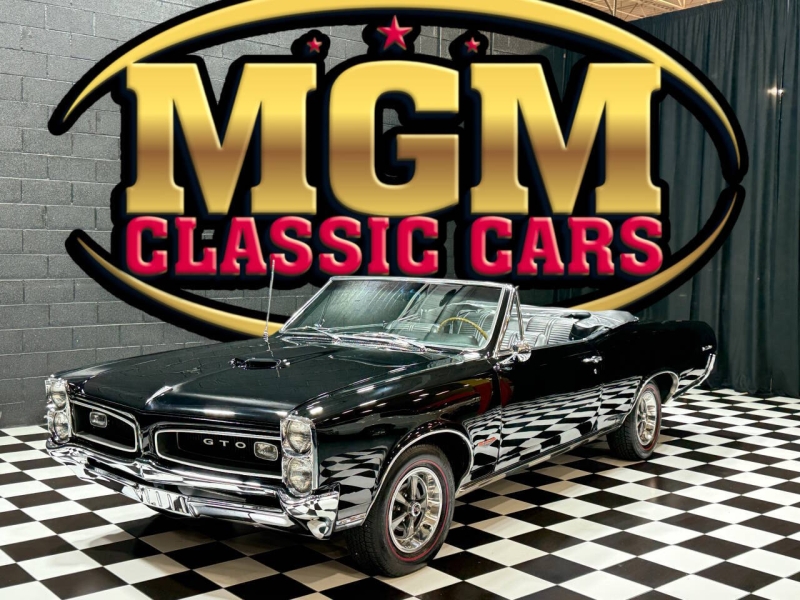
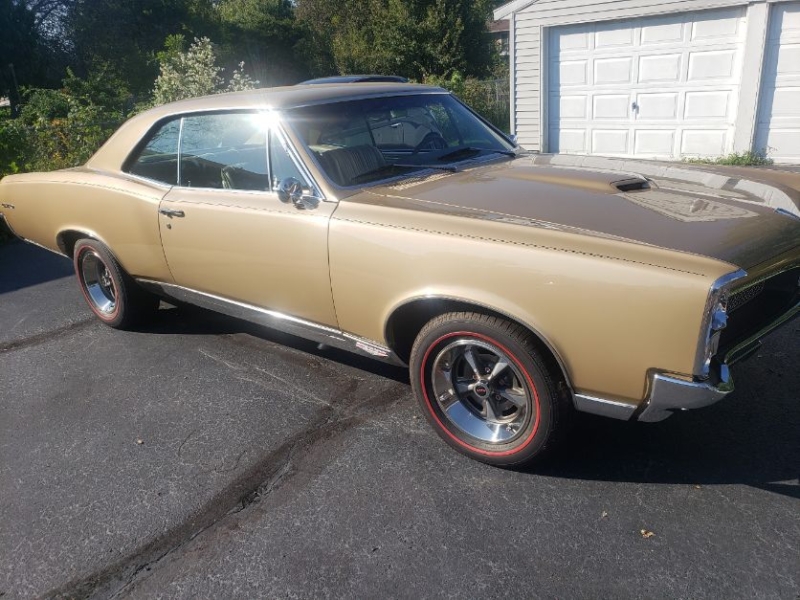
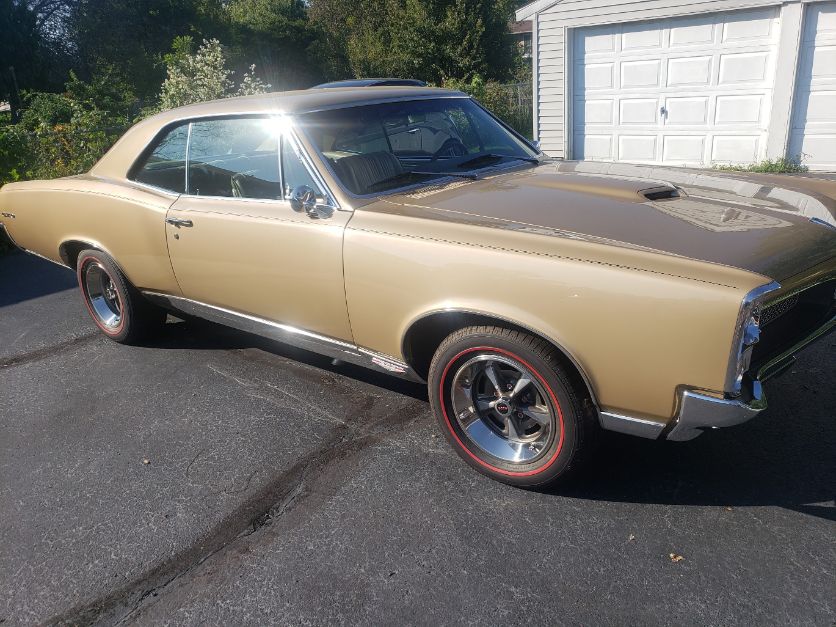
For 1966 the GTO became its own model rather than an option, and it wore the curvaceous Coke-bottle styling that many consider the best-looking GTO. The 389 carried over for 1966, and for 1967 a new 400 cubic inch V8 replaced it, with Ram Air available. Front disc brakes became an option. This two-year run combined strong styling with serious power and is among the most desirable GTO eras.
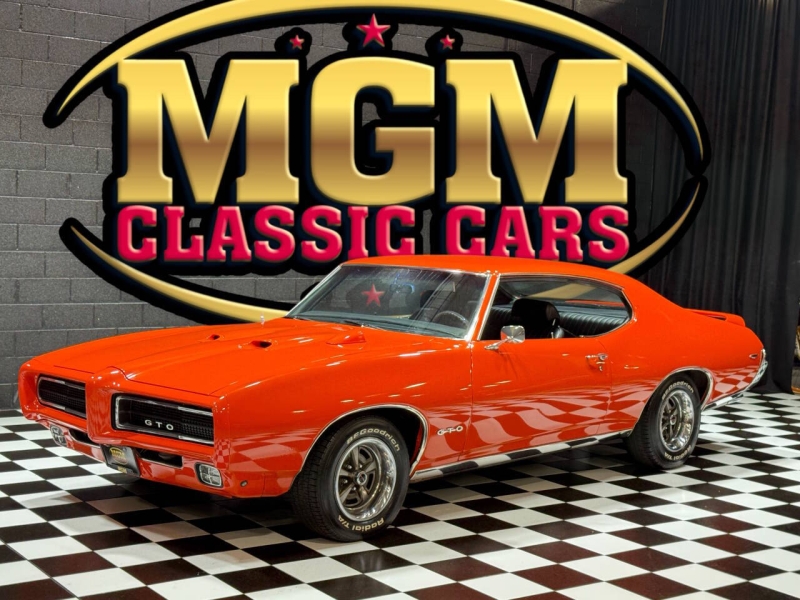
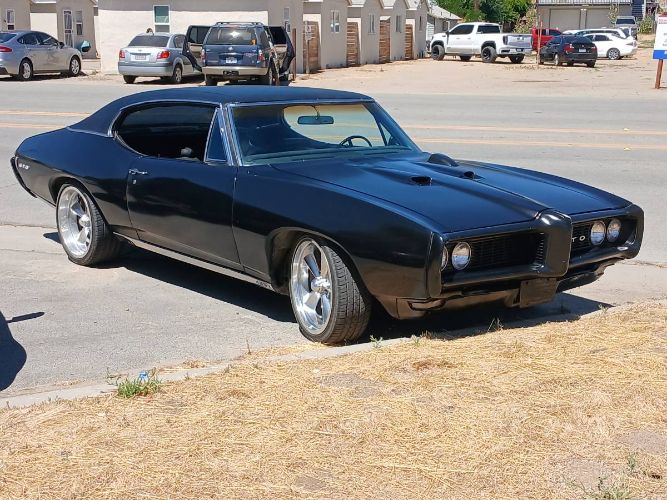
The 1968 redesign brought the body-color Endura front bumper, a clever flexible nose that hid the impact structure, along with hidden headlamps. The Judge package arrived in 1969 with Ram Air, bold graphics, and a rear spoiler. The Ram Air IV 400 made 370 horsepower and is the engine collectors chase hardest. This is the muscle GTO at its peak, and documented Judge and Ram Air IV cars are the most valuable of all.
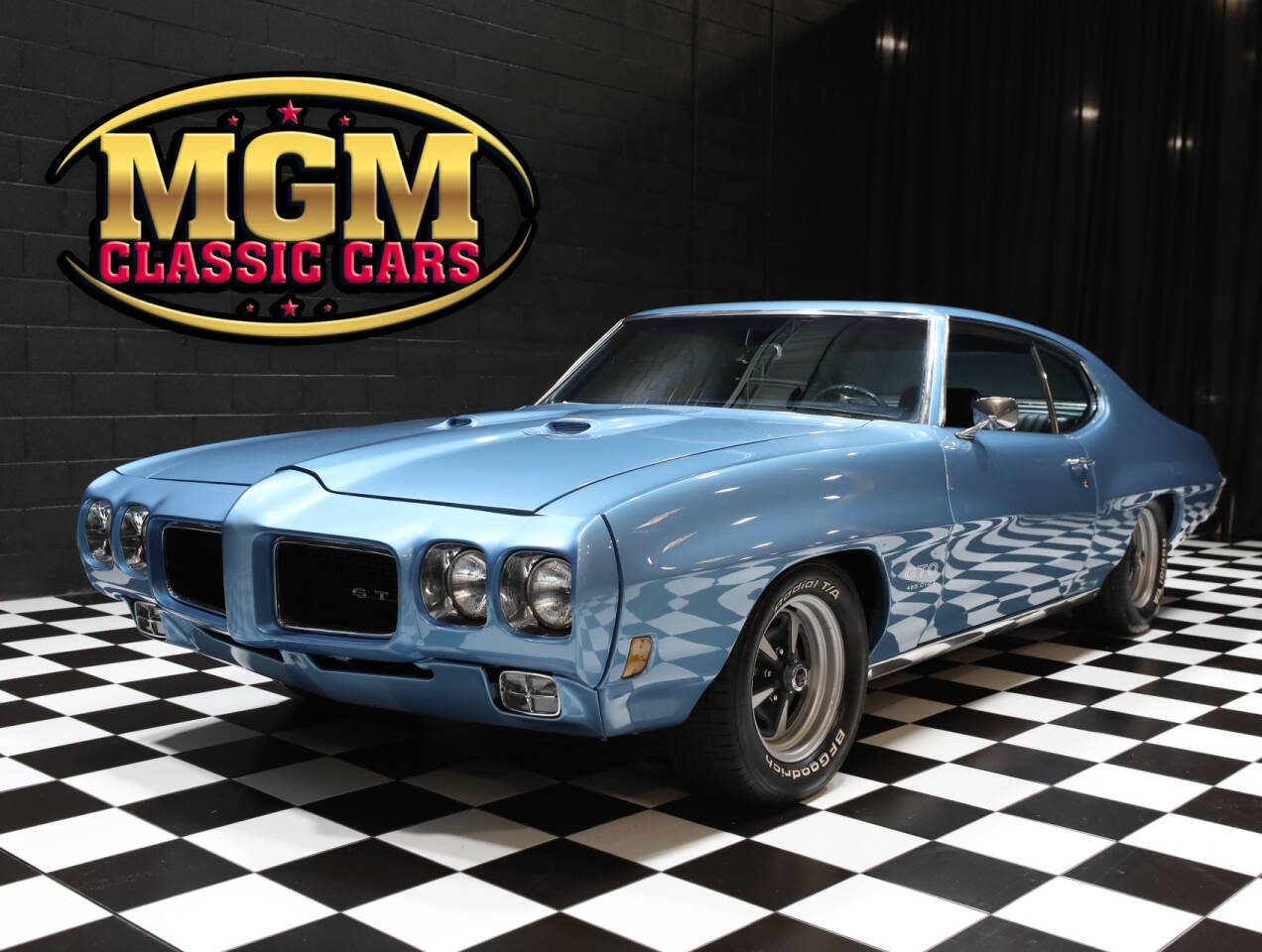
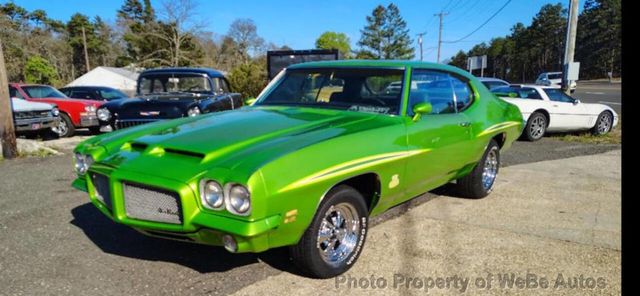
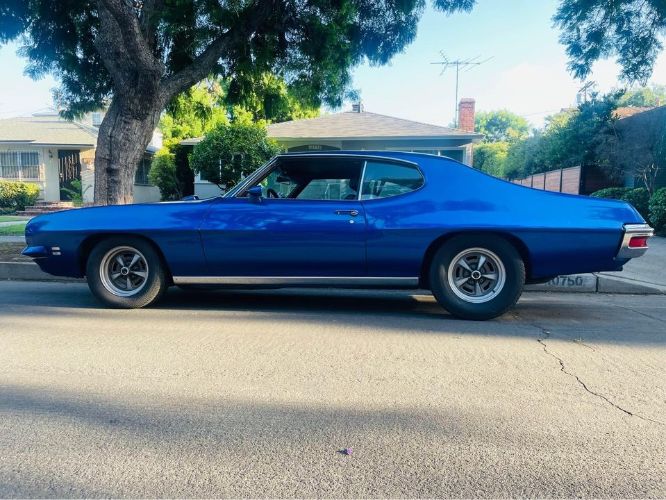
The 455 became available and the 455 HO offered strong torque, but compression cuts for 1971 and the shift to net power ratings sapped the numbers, and insurance and emissions pressure shrank the market. The Judge ended early in 1971. For 1974 the GTO became an option on the compact Ventura, a Nova-based car with a 350, which most enthusiasts consider a GTO in name only. The nameplate was retired after 1974 until a brief revival decades later.
The cars everybody wants are the 1966 to 1970 GTOs, and the 1969 Judge with Ram Air is the headline act, especially the rare Ram Air IV cars. A real GTO needs the documentation to back it up, because the early ones were option packages on the Tempest and LeMans and they get faked all the time. The 1964 and 1965 cars carry historical weight as the originals and are appreciating accordingly. The 1971 to 1974 cars are where the muscle drained away, and the 1974 Ventura-based car is barely a GTO at all. Whatever year you chase, verify the engine codes and the build documentation, because on this car the paperwork is the difference between a tribute and the real thing.
Frequently Asked Questions
The 1964 GTO put a large 389 cubic inch V8 into the mid-size Tempest body, creating an affordable, high-powered intermediate car. That formula, a big engine in a lighter mid-size body, defined the muscle car era that followed, which is why the GTO is widely credited as the first.
The Judge was a performance and appearance package offered from 1969 to 1971, named after a comedy catchphrase of the time. It added Ram Air induction, bold graphics, a rear spoiler, and distinctive colors, and Judge cars command a premium over standard GTOs today.
The Ram Air IV 400 of 1969 to 1970 was the top engine, rated at 370 horsepower, while the 455 HO that followed offered more torque. The Ram Air IV cars are the rarest and most valuable factory GTOs.
📖
Thinking of Buying One?
Read our Pontiac GTO Buyer's Guide — pre-purchase checklist, common issues, and pricing.


 Dealer
 United States
 Dealer
 Dealer
 Dealer
 Dealer
 Dealer
 Dealer
 Dealer
 Dealer
 Dealer
 Dealer