
Oldsmobile 442 vs Pontiac GTO — The Other GM A-Bodies
The Oldsmobile 442 and Pontiac GTO are often overlooked in favor of the Chevelle SS, but both are legitimate pillars of the GM A-body muscle era — and both are arguably undervalued relative to their Chevrolet counterparts. The GTO invented the muscle-car genre in 1964; the 442 refined it with W-30 forced-air induction and Oldsmobile's own 400 V8. Choosing between them is choosing between the muscle car's origin story and its overlooked sibling.
Specs side-by-side
| Spec | Oldsmobile 442 | Pontiac GTO |
|---|---|---|
| Launched | 1964 (as option) | 1964 (Tempest option) |
| Performance peak | 1970 W-30 (370+ hp actual) | 1969 Ram Air IV (370 hp) |
| Top engine badge | W-30 (400 V8) | Ram Air IV (400 V8) |
| W-30 / Ram Air value | \$65,000–\$110,000 | \$75,000–\$130,000 |
| Value vs Chevelle SS | 10-20% below equiv. SS | 10-20% below equiv. SS |
| Historical significance | Refined GM muscle formula | Invented the muscle car genre |
The case for Oldsmobile 442
Choose the Oldsmobile 442 for the best value in the GM A-body muscle car segment. The 442 consistently trades 15-25% below equivalent-spec GTOs despite offering comparable or superior performance through the W-30 option package. The W-30's forced-air induction (through front bumper openings into a cold-air box), special cam, and fiberglass inner fenders produce an engine that most period road tests put on par with the Ram Air GTO in real-world performance. PHS documentation and fender tag verification are the same authentication tools as the GTO. For buyers who want GM muscle-car credentials without GTO price premiums, the 442 W-30 is the rational choice.
The case for Pontiac GTO
Choose the Pontiac GTO for historical primacy and brand recognition. The GTO created the muscle car formula in 1964 by dropping a big V8 into a mid-size body — a concept so successful that every American manufacturer copied it within two years. The 1969 GTO Judge (Ram Air III and IV option, bold colors, spoiler) is the most culturally visible GTO and one of the most recognized muscle cars of the era. Documented Ram Air IV GTOs have been appreciating steadily for a decade. The GTO's story — that it started it all — resonates with buyers and collectors in a way no other A-body nameplate can match.
Verdict
The 442 wins on value-per-dollar — you get comparable muscle-car performance and credentials at a 15-25% discount to equivalent GTOs. The GTO wins on historical significance and collector recognition. Both are solid investments in the GM A-body space; the GTO's appreciation has been steadier but the 442's gap to GTO pricing is likely to narrow as sophisticated buyers recognize the W-30's pedigree. Buy the GTO for the story; buy the 442 for the value.
Recent Oldsmobile 442 listings
 Dealer
 United States
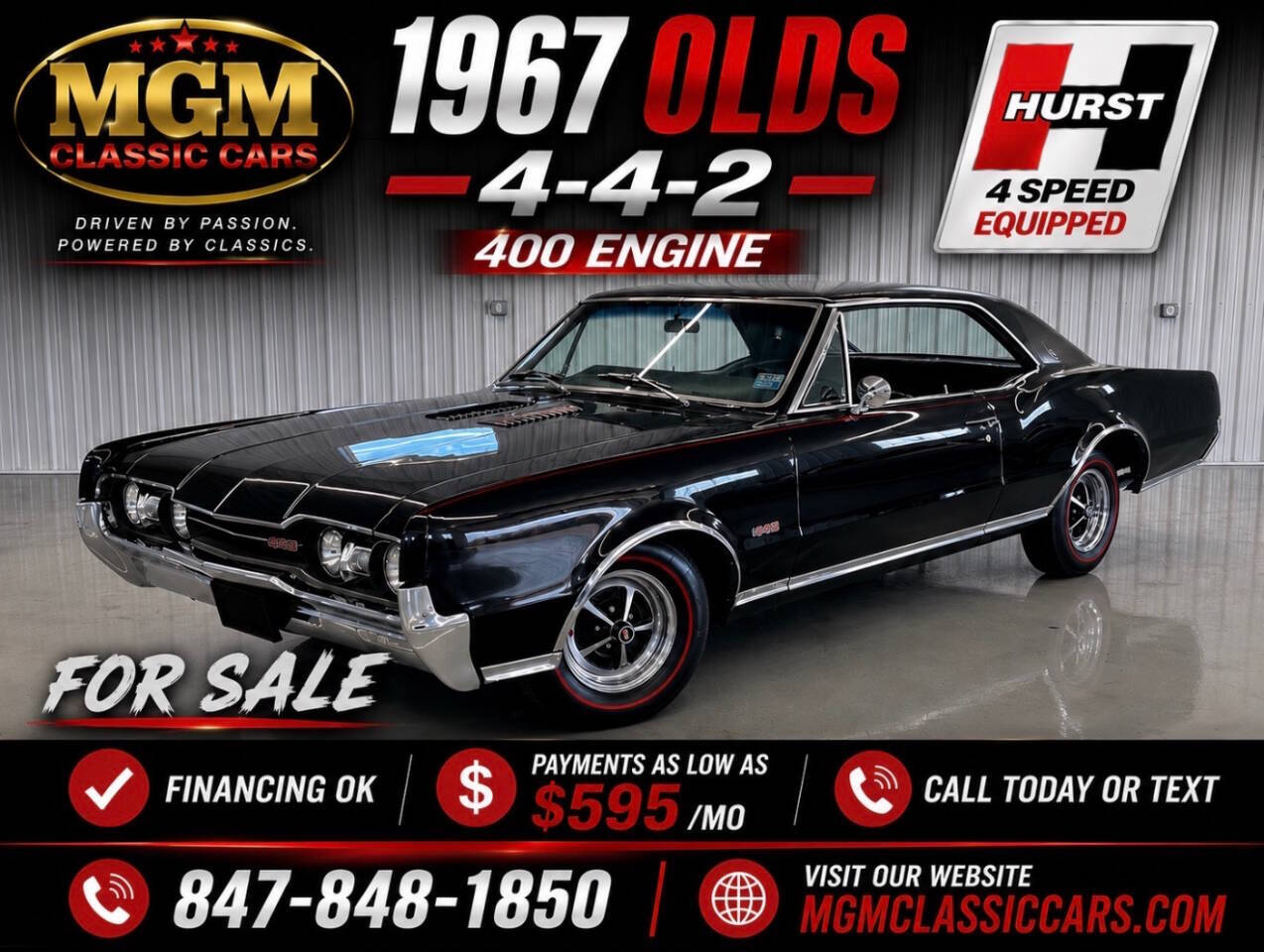
1967 Oldsmobile 442
 Dealer
United States
Dealer
United States
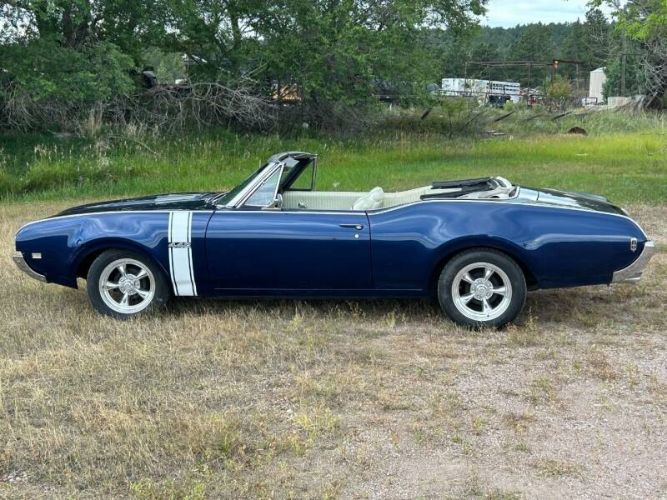
1968 Oldsmobile 442
 Dealer
United States
Dealer
United States
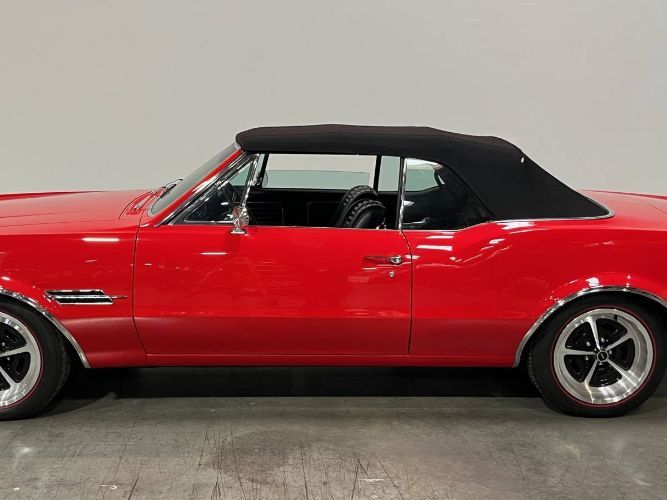
1968 Oldsmobile 442
 Dealer
United States
Dealer
United States
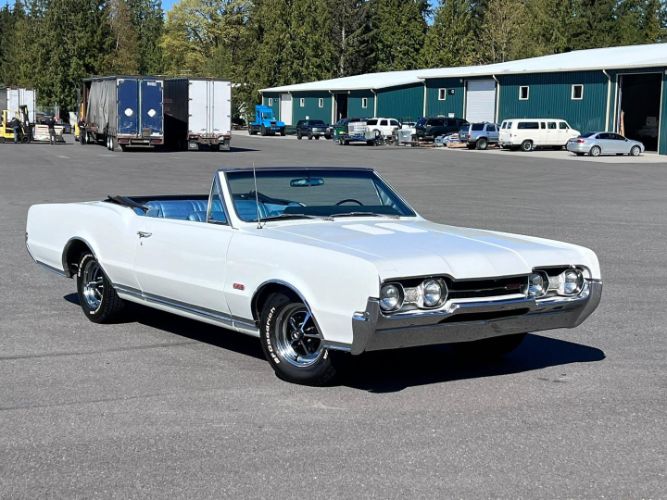
1967 Oldsmobile 442
Recent Pontiac GTO listings
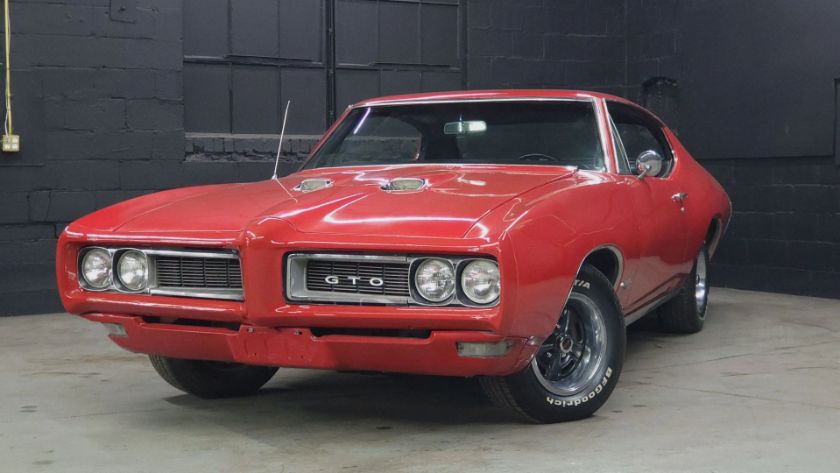 Dealer
United States
Dealer
United States
1968 Pontiac GTO
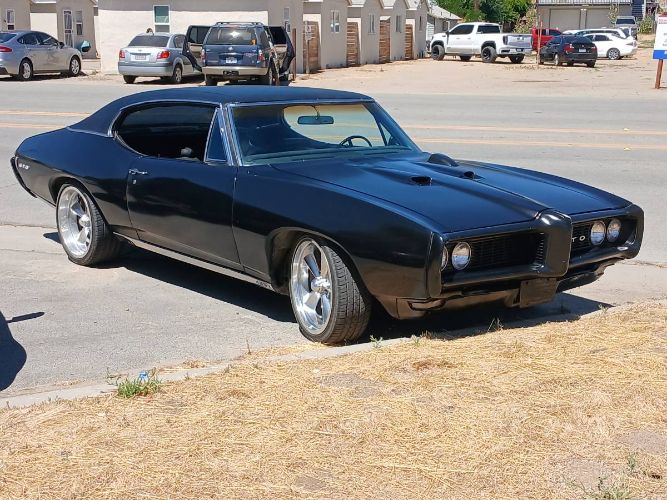 Dealer
United States
Dealer
United States
1968 Pontiac GTO
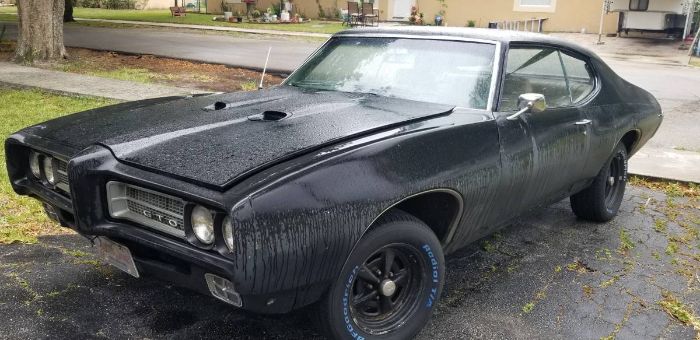 Dealer
United States
Dealer
United States
1969 Pontiac GTO
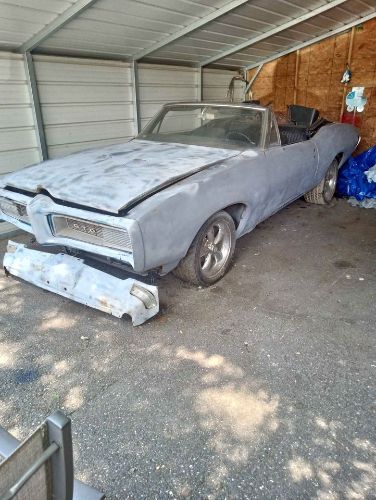 Dealer
United States
Dealer
United States