
What's a Tri-Power and which cars came with it?

Tri-Power is one of the most visually dramatic and mechanically interesting factory performance options of the classic era — and one of the most misunderstood. Here's the complete picture.
How Tri-Power Works
Three Rochester 2GC two-barrel carburetors sit on an aluminum log-type intake manifold. The center carburetor is the only one with a choke, accelerator pump, and full fuel metering circuit — it handles all idle and light-throttle driving. The two outer carbs are progressive-opening secondaries: they begin opening around 60-65% throttle, adding fuel and air for full-power operation. At idle and cruising, the car runs on the single center carb, making it tractable and reasonably fuel-efficient by 1960s standards.
Which Cars Came with Tri-Power
- Pontiac GTO (1964–1966): The most famous application. The 389 cu in Tri-Power produced 348 hp versus 325 hp for the standard 389 in 1964, then 360 hp versus 335 hp in 1965 and 1966, a meaningful factory power gain that buyers paid gladly.
- Pontiac Bonneville, Star Chief, Catalina (1957–1958): Early 347 and 370 cu in Tri-Power setups in the full-size Pontiacs, predating the muscle-car era.
The GM Corporate Ban of 1967
General Motors corporate policy banned multiple-carburetor setups on all passenger cars except the Corvette after the 1966 model year. This ended Tri-Power across all GM divisions. Chevrolet's comparable three-deuce setup on the 409 Impala was similarly discontinued. Only the Corvette retained multi-carb options through 1969 (the L88 and L71 427s ran three two-barrels). The ban was partly driven by emissions concerns and partly by corporate liability worries about high-performance equipment on public roads.
Collector Value Impact
Documented Tri-Power GTOs carry a $15,000–$25,000 premium over equivalent single-carb cars. The setup is visually striking under an open hood and mechanically demonstrable — the progressive throttle action is something you can show at any car event. Correct Rochester 2GC units on a period-correct Tri-Power manifold are among the most recognized factory options in the Pontiac collector world, and their scarcity only grows as examples are broken up for parts.
Browse current listings
 Dealer
 United States
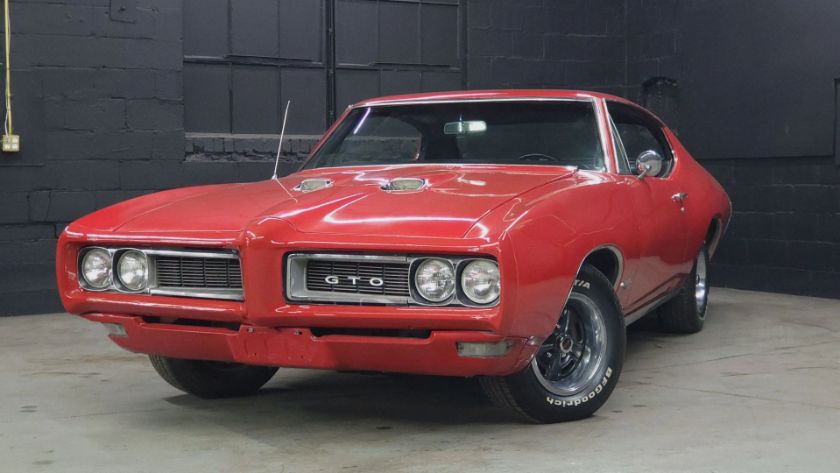
1968 Pontiac GTO
 Dealer
United States
Dealer
United States
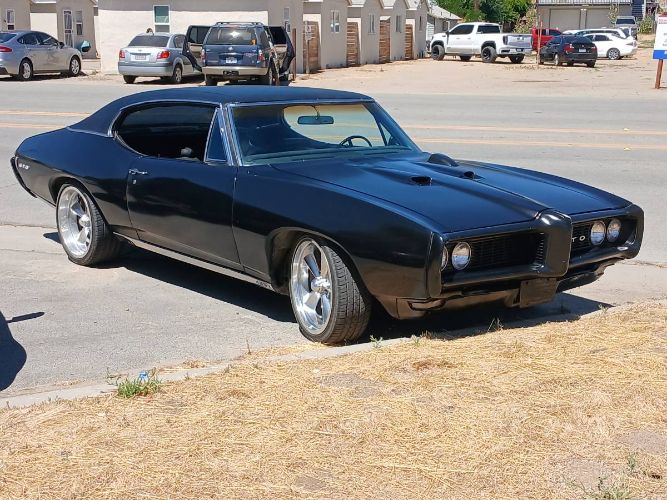
1968 Pontiac GTO
 Dealer
United States
Dealer
United States
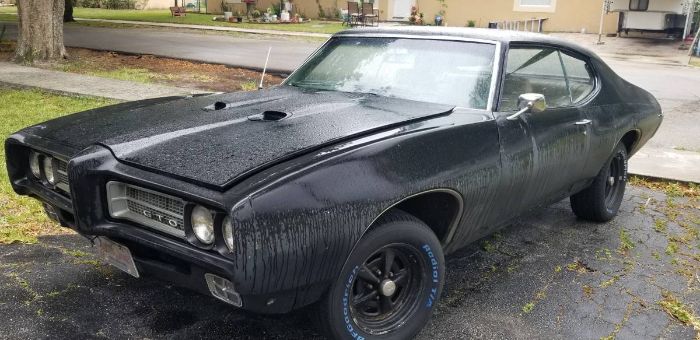
1969 Pontiac GTO
 Dealer
United States
Dealer
United States
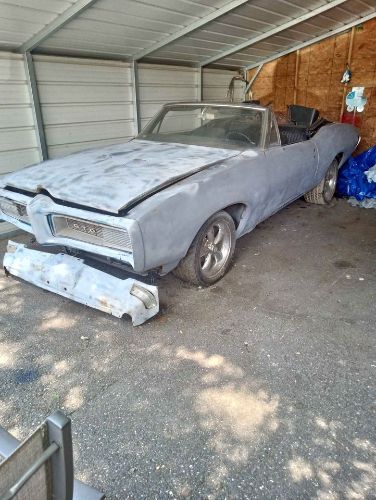
1968 Pontiac GTO
 Dealer
United States
Dealer
United States
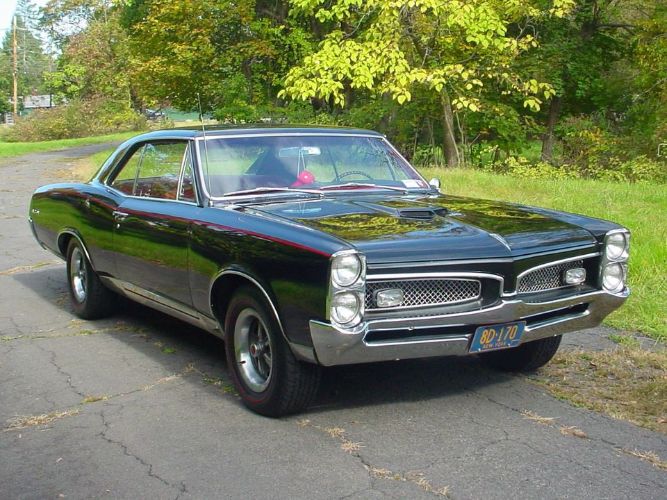
1967 Pontiac GTO
 Dealer
United States
Dealer
United States