
1968 Chevrolet Camaro
$55,997
Vehicle Details
Chevrolet
Camaro
1968
Convertible
Red
Cream
Automatic
RWD
Gasoline
thats sure to please any driving enthusiast
Excellent
Description
1968 Chevrolet Camaro Convertible Why This Car Is Special The 1968 Chevrolet Camaro is an iconic piece of American automotive history. It was the car that redefined muscle and performance while embodying the spirit of the quintessential American car culture. This particular model exudes charm and power, featuring a 396 big block engine that’s sure to please any driving enthusiast.
The combination of impressive engineering, a sporty design, and vibrant aesthetics makes this Camaro a standout choice for collectors and enthusiasts alike. From its eye-catching red exterior to the sophisticated ivory interior, the styling of this classic convertible is a perfect blend of form and function. Features List 396 Chevy big block engine Automatic transmission Disc brakes Vintage air conditioning Aluminum radiator Deluxe interior Bucket seats Factory console Grant steering wheel Correct SS hood vents Correct Bumble Bee SS stripe Front and rear spoilers Correct Camaro convertible X-frame brace Ceramic coated headers 18-inch chrome American Racing wheels Beautiful red exterior with white convertible top Mechanical Under the hood, this 1968 Camaro packs a powerful 396 cubic inch big block V8 engine.
This engine configuration is well-known among muscle car enthusiasts for delivering thrilling performance and robust torque. The automatic transmission pairs seamlessly with the V8, providing a smooth driving experience whether you’re cruising through city streets or taking it out on the open highway. The addition of an aluminum radiator not only lightens the car's weight but also enhances its cooling capabilities, making this Camaro suitable for both daily driving and weekend shows.
The ceramic-coated headers contribute to improved exhaust flow and engine efficiency, further highlighting the well-thought-out performance aspect of this stunning classic. Interior Stepping inside the Camaro, you're greeted by a luxurious deluxe interior featuring soft ivory vinyl seating. The ergonomically designed bucket seats ensure comfort during long drives, while the factory console adds a touch of functionality and style.
The Grant steering wheel provides a firm grip, making spirited drives more enjoyable. Vintage air conditioning allows passengers to enjoy their journey in comfort, no matter the weather outside. The interior layout is thoughtfully organized, with easy access to controls and gauges that accurately represent the car's performance.
The blend of modern amenities and classic design elements preserves the nostalgic feel while ensuring that drivers enjoy a contemporary level of comfort. Exterior Visually, this Camaro is a showstopper. The vibrant red exterior, contrasted by the classic white convertible top, makes for an eye-catching combination that draws attention wherever it goes.
This model features the iconic Bumble Bee SS stripe that highlights its sporty aesthetics, while the correct SS hood vents not only contribute to the car's aggressive stance but also serve a functional purpose by aiding in heat dissipation. The front and rear spoilers add to the sporty silhouette and ensure aerodynamic efficiency, further enhancing performance. Sitting on 18-inch chrome American Racing wheels, this Camaro not only looks fierce but also provides better handling and traction.
Its beautiful condition and the meticulous attention to detail in the exterior craftsmanship make it a car worthy of any classic car connoisseur’s collection. Conclusion The 1968 Chevrolet Camaro is more than just a classic car; it’s a symbol of automotive passion and American ingenuity. With its powerful big block engine, stylish design, and modern conveniences, this Camaro is the perfect blend of performance and flair.
Whether you're looking to cruise on weekends or showcase it at car shows, this vehicle promises an exhilarating driving experience. Don’t miss your chance to own a piece of automotive history. Call the de
Body Style: Convertible
Condition: Used
Certified: 0
Classic Chevrolet Camaro Buyer's Guide
Chevrolet Camaro Market Overview
Based on 360 Chevrolet Camaro listings currently on ClassicCarsArena.com
Classic Chevrolet Camaro Buyer's Guide
The Chevrolet Camaro launched in September 1966 as Chevy's direct response to the Ford Mustang, and for over five decades it has defined American performance for an entire generation of enthusiasts. Whether you're hunting a numbers-matching first-generation Z/28, a survivor split-bumper second-gen, or a clean third-gen IROC-Z, the Camaro buyer's market is deep, varied, and full of pitfalls for the unprepared.
What to Check Before Buying
Common Issues
What to Look For
Price Guide
Did You Know?
Also Consider
Similar classic cars shoppers also browse:
How Does It Compare?
Head-to-head matchups for the Chevrolet Camaro:
1968 Chevrolet Camaro
Contact Seller
Listed by dealer
Nationwide consignment dealer
WeBe Autos lists vehicles from sellers across multiple states. The vehicle may not be at the dealer's address shown. Contact the dealer to confirm the vehicle's actual location before traveling.
Buying safely?
Read our scam-avoidance tips before paying →
Listing Actions
Browse by Era
1960s Classics for SaleAll 1968 Classics
Browse all 1968 Cars for SaleGet classic car alerts
Latest arrivals, newest deals, and discount coupons — straight to your inbox.
Selling your classic car?
Reach millions of classic car enthusiasts on the largest US classics marketplace.
Sell Your Car →Similar Listings
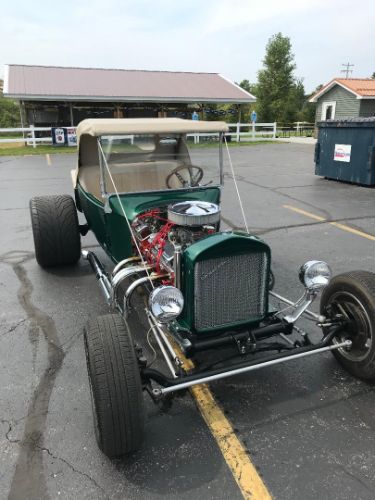 Dealer
 United States
1918 Chevrolet 100
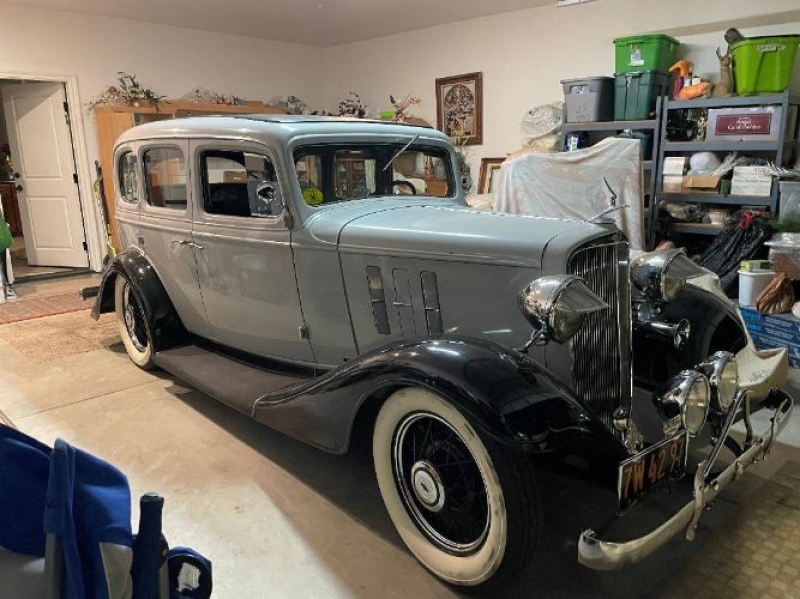 Dealer
United States
Dealer
United States
1923 Chevrolet Master
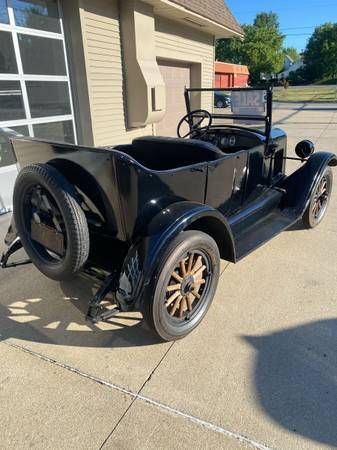 Dealer
United States
Dealer
United States
1925 Chevrolet Superior K
 Dealer
United States
Dealer
United States
1926 Chevrolet 100
Contact Seller
Call this seller?
You're about to call WeBe Autos about the 1968 Chevrolet Camaro.
+1 (631) 339-0399
Report this Ad
Help us keep the marketplace clean. Our moderation team reviews every report within 24 hours.