
1969 Chevrolet Camaro
$109,997
Vehicle Details
Chevrolet
Camaro
1969
1,017 miles
124379N519821
Coupe
Automatic
383 Stoker
Description
1969 Chevrolet Camaro RS — Frame-Off Resto-Mod, 383 Stroker, NSRA Award Winner Why This Car Is Special The 1969 Chevrolet Camaro is widely regarded as the high-water mark of the first-generation platform. Chevrolet redesigned the body that year with a longer nose, a more aggressive roofline, and sharper character lines — changes significant enough that many collectors treat the 1969 model as its own category rather than simply a continuation of the 1967—68 cars. Chevrolet produced just over 243,000 Camaros for 1969, and the RS (Rally Sport) package — identified in the VIN by the model designation — added the iconic hidden headlight system, specific RS badging, and a blacked-out grille treatment that gave the car a distinctly different face from the standard model.
It was a pure appearance package, not a performance upgrade, which made it easy to combine with the SS or Z/28 hardware underneath. This particular 1969 Chevrolet Camaro RS has gone several steps beyond what any factory ever offered, built as a full rotisserie, frame-off resto-mod to a level that earned it NSRA recognition. The Pro Pick Prize at an NSRA event is not handed out casually — judges at that level are looking at fit, finish, engineering, and execution as a complete package.
This car checked every box. Features List 383 Stroker V8 with Holley Sniper EFI Hydraulic roller camshaft, roller lifters, and roller rockers 10:1 compression forged pistons Aluminum cylinder heads with Edelbrock intake manifold HEI ignition Chevrolet Orange paint on engine, valve covers, and air cleaner 700R4 4-speed automatic transmission with overdrive 3,500-stall torque converter Heavy-duty Fab 9-inch rear end 3-inch ceramic-coated exhaust with X-pipe and Magnaflow mufflers Beefed-up performance suspension with new front and rear shocks 4-wheel Wilwood disc brakes with drilled and slotted rotors Power steering and power brakes Staggered Billet Specialties wheels — 18x8 front, 18x9.5 rear (approximate stagger) Front: 225/45/18 Nitto radials — Rear: 285/40/18 Nitto radials Dark Blue Metallic modern basecoat/clearcoat finish Cowl induction hood and ducktail rear spoiler Detroit Speed electric hideaway headlights Blacked-out grille with oval fog lights and chin spoiler Chrome bumpers and brightwork Black vinyl high-back bucket seats with matching rear seat and door panels Dakota Digital gauges — main cluster and Rally-Pac Tilt steering column with 3-spoke wood-rimmed wheel Vintage Air air conditioning Bluetooth AM/FM/AUX stereo with upgraded speakers and Kicker subwoofer Factory-style center console with horseshoe shifter New stainless fuel tank, new fuel lines, and new brake lines throughout Full rotisserie, nut-and-bolt restoration NSRA Award Winner including Pro Pick Prize Mechanical The engine in this 1969 Chevrolet Camaro RS is a 383 cubic inch stroker built on the small-block Chevrolet architecture. The stroker displacement is achieved by combining a 350 block with a 400 crankshaft, which increases stroke from 3.48 inches to 3.75 inches and brings total displacement to 383 cubic inches.
The result is a small-block that breathes like a big-block — more torque, more usable power across a wider RPM range, and none of the weight or packaging compromises of a true big-block swap. The short-block uses forged pistons running a 10:1 compression ratio, which is a real-world performance spec, not a show number. The hydraulic roller camshaft, roller lifters, and roller rockers reduce internal friction significantly compared to a flat-tappet setup and allow for more aggressive cam profiles without the wear trade-offs.
Up top, aluminum cylinder heads keep weight down while improving heat dissipation, and the Edelbrock intake manifold feeds the Holley Sniper EFI system. The Sniper is a throttle-body fuel injection unit designed to look period-correct while delivering modern fuel management — closed-loop operation, self-tuning capability, and cold-start reliability
Classic Chevrolet Camaro Buyer's Guide
Chevrolet Camaro Market Overview
Based on 360 Chevrolet Camaro listings currently on ClassicCarsArena.com
Classic Chevrolet Camaro Buyer's Guide
The Chevrolet Camaro launched in September 1966 as Chevy's direct response to the Ford Mustang, and for over five decades it has defined American performance for an entire generation of enthusiasts. Whether you're hunting a numbers-matching first-generation Z/28, a survivor split-bumper second-gen, or a clean third-gen IROC-Z, the Camaro buyer's market is deep, varied, and full of pitfalls for the unprepared.
What to Check Before Buying
Common Issues
What to Look For
Price Guide
Did You Know?
Also Consider
Similar classic cars shoppers also browse:
How Does It Compare?
Head-to-head matchups for the Chevrolet Camaro:
1969 Chevrolet Camaro
Contact Seller
Listed by dealer
Nationwide consignment dealer
WeBe Autos lists vehicles from sellers across multiple states. The vehicle may not be at the dealer's address shown. Contact the dealer to confirm the vehicle's actual location before traveling.
Buying safely?
Read our scam-avoidance tips before paying →
Listing Actions
Browse by Era
1960s Classics for SaleAll 1969 Classics
Browse all 1969 Cars for SaleGet classic car alerts
Latest arrivals, newest deals, and discount coupons — straight to your inbox.
Selling your classic car?
Reach millions of classic car enthusiasts on the largest US classics marketplace.
Sell Your Car →Similar Listings
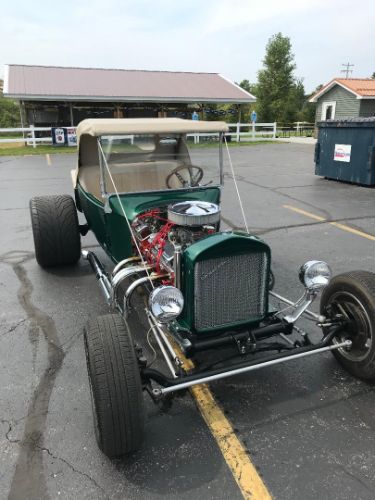 Dealer
 United States
1918 Chevrolet 100
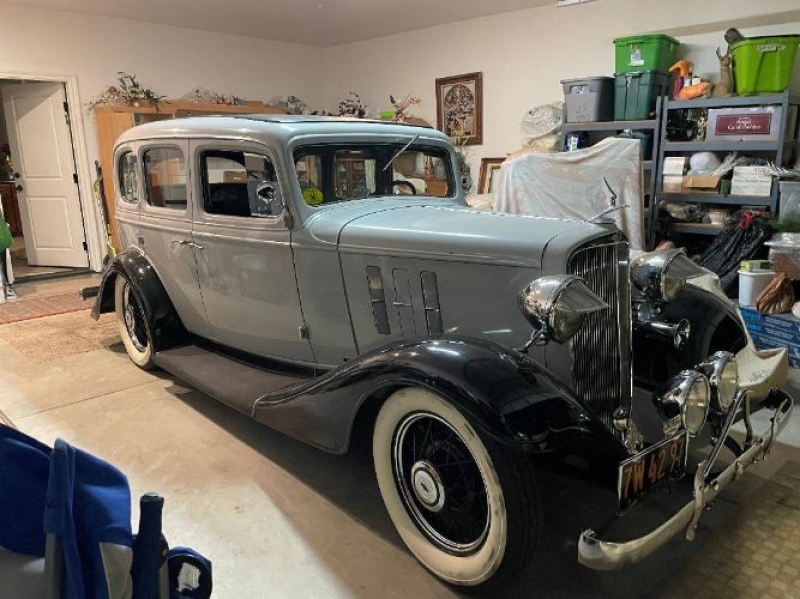 Dealer
United States
Dealer
United States
1923 Chevrolet Master
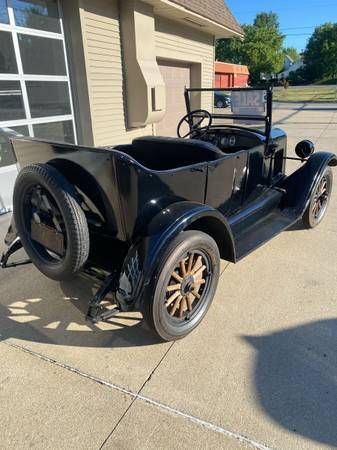 Dealer
United States
Dealer
United States
1925 Chevrolet Superior K
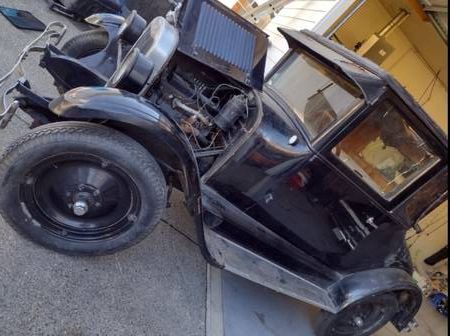 Dealer
United States
Dealer
United States
1926 Chevrolet 100
Contact Seller
Call this seller?
You're about to call WeBe Autos about the 1969 Chevrolet Camaro.
+1 (631) 339-0399
Report this Ad
Help us keep the marketplace clean. Our moderation team reviews every report within 24 hours.