
The Complete Chevrolet Chevelle Evolution: 1964–1977

The Chevelle is the car Chevrolet built when it realized the full-size stuff had gotten too big and the Nova too small. It landed in 1964 right in the middle, on the A-body platform, and within a few years it became one of the defining muscle cars of the era. I have pulled apart enough SS cars over the years to tell you the legend is mostly earned, especially once you get to 1970. But the Chevelle was also a family sedan and a wagon and a mild six-cylinder commuter, and knowing which one you are looking at is the whole game when you go to buy one. Here is how it went from a sensible mid-size to a 450-horsepower street brawler and back to a comfortable cruiser.
Chevrolet Chevelle — Generation by Generation
Key Changes
- → New A-body mid-size platform for 1964
- → Malibu top trim, SS as a package
- → 1965 Z16 SS396 limited run (201 built)
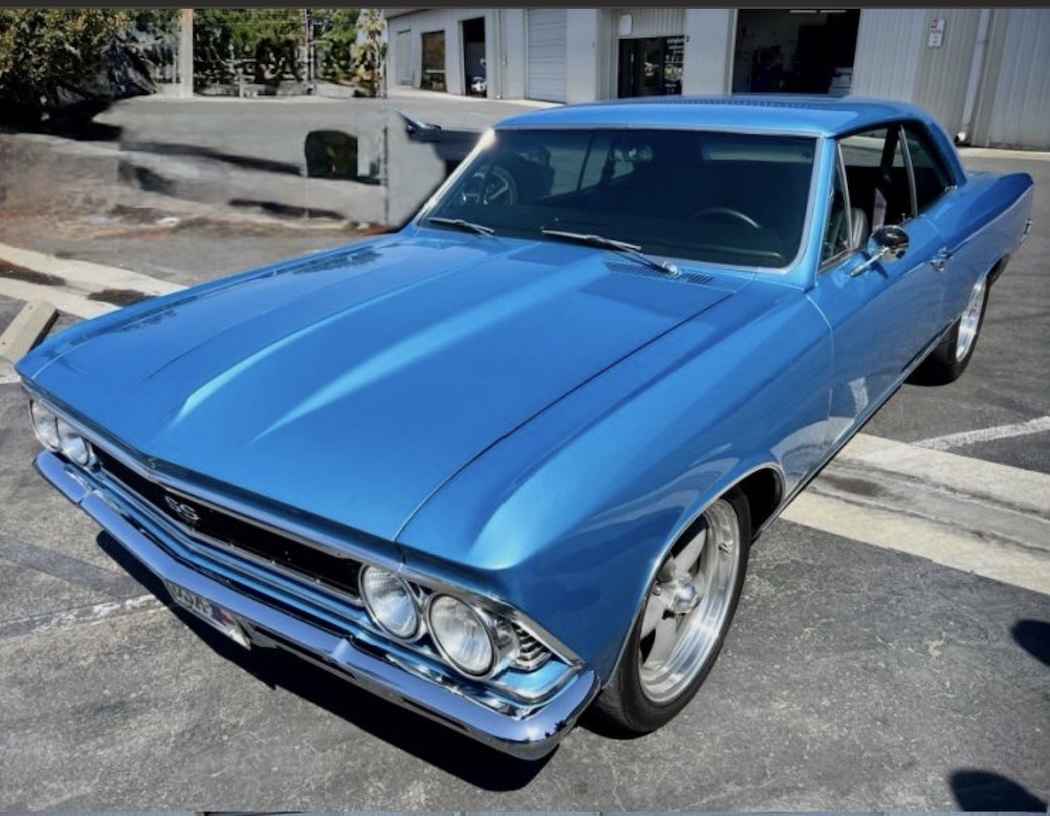
- → SS396 becomes its own series for 1966
- → 1966 restyle with semi-fastback roofline
Specs
| Engines | 194/230 I6, 283/327 V8, 396 V8 |
| Top engine | 375 hp L78 396 (1966) |
| Body styles | Coupe, convertible, sedan, wagon |
| Key model | Z16 SS396, then SS396 series |
 Dealer
 United States
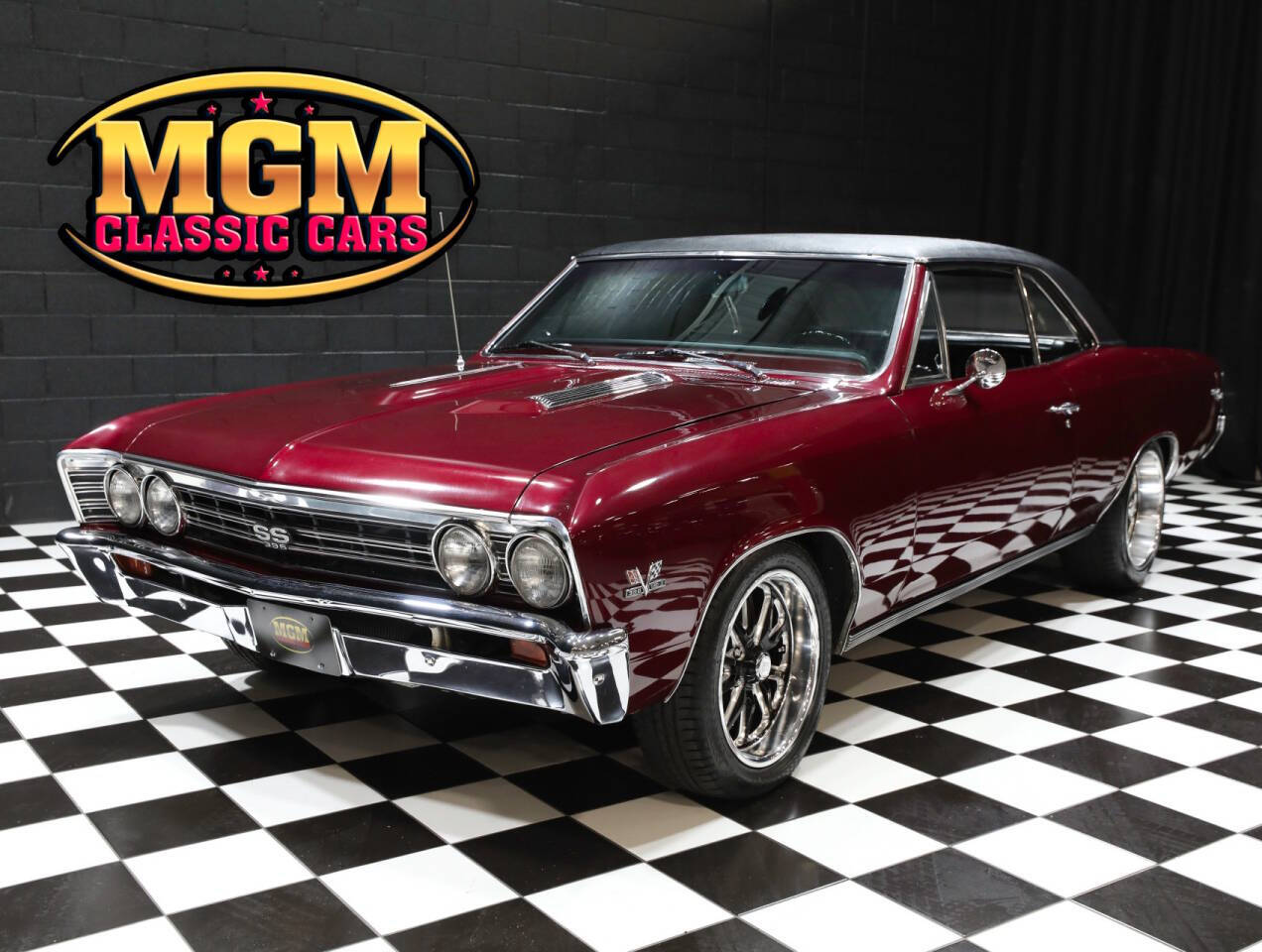
1967 Chevrolet Chevelle
 Dealer
United States
Dealer
United States
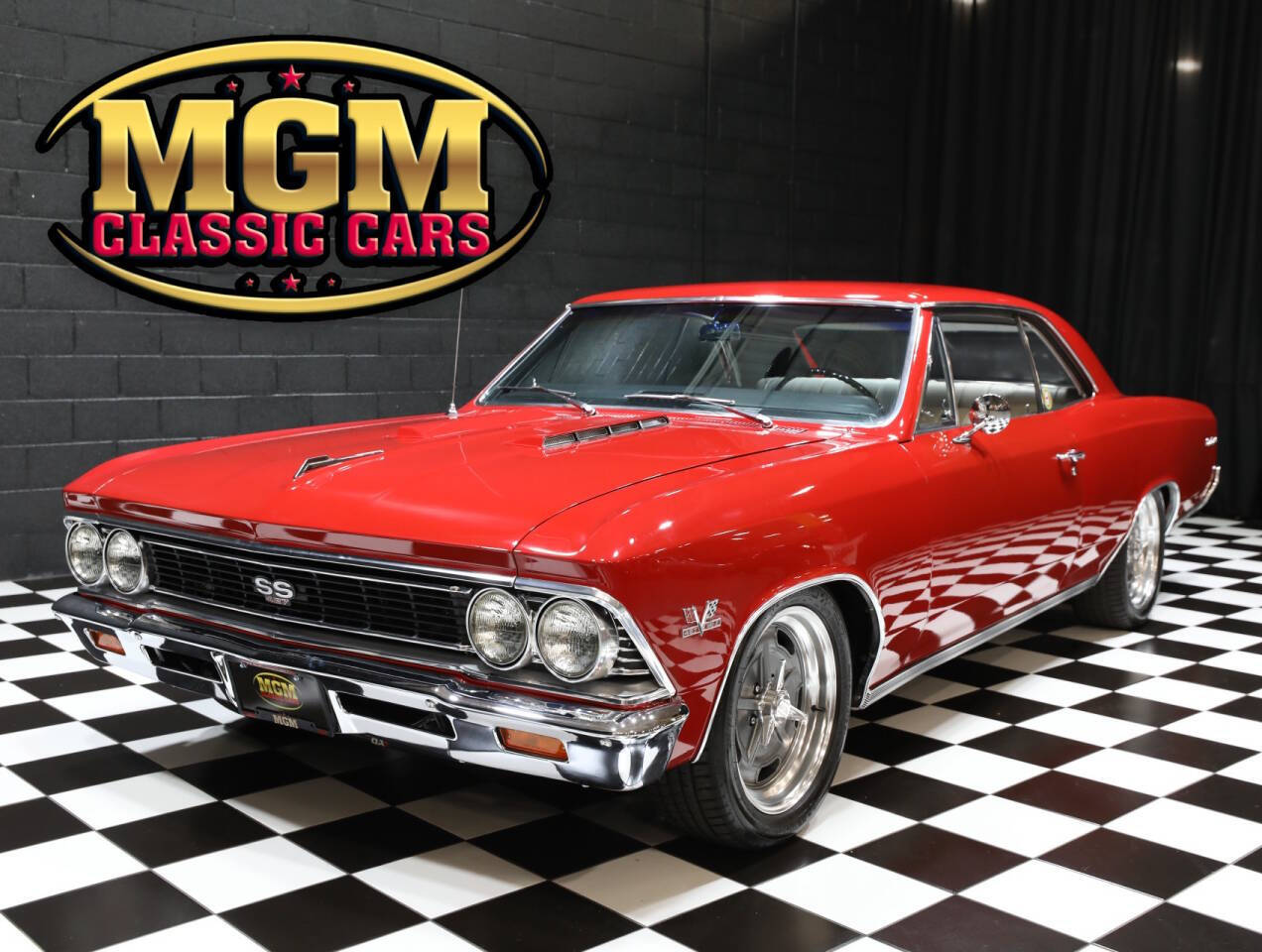
1966 Chevrolet Chevelle
Key Changes
- → New 1968 body, shorter wheelbase for two-doors
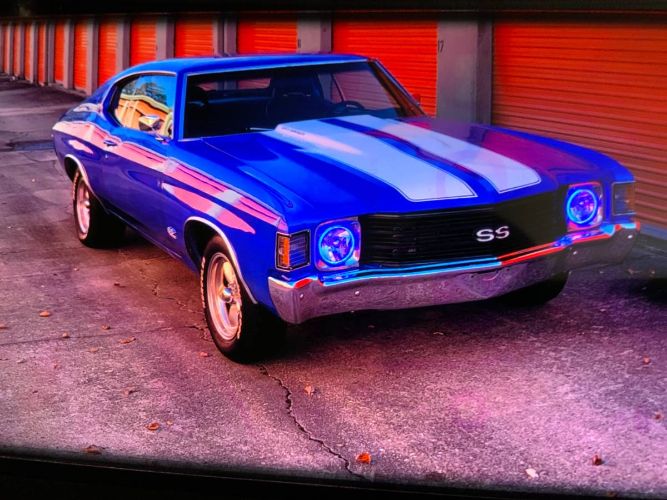
- → 1970 SS454 LS6 rated at 450 hp
- → Cowl induction hood option
- → Compression and power cuts from 1971
- → 1971 dual round headlamps, 1972 single units
Specs
| Engines | 307/350 V8, 396/402 V8, 454 V8 |
| Top engine | 450 hp LS6 454 (1970) |
| Most wanted | 1970 SS454 LS6 |
| Watch for | SS clones; verify the trim tag |
 Dealer
United States
Dealer
United States
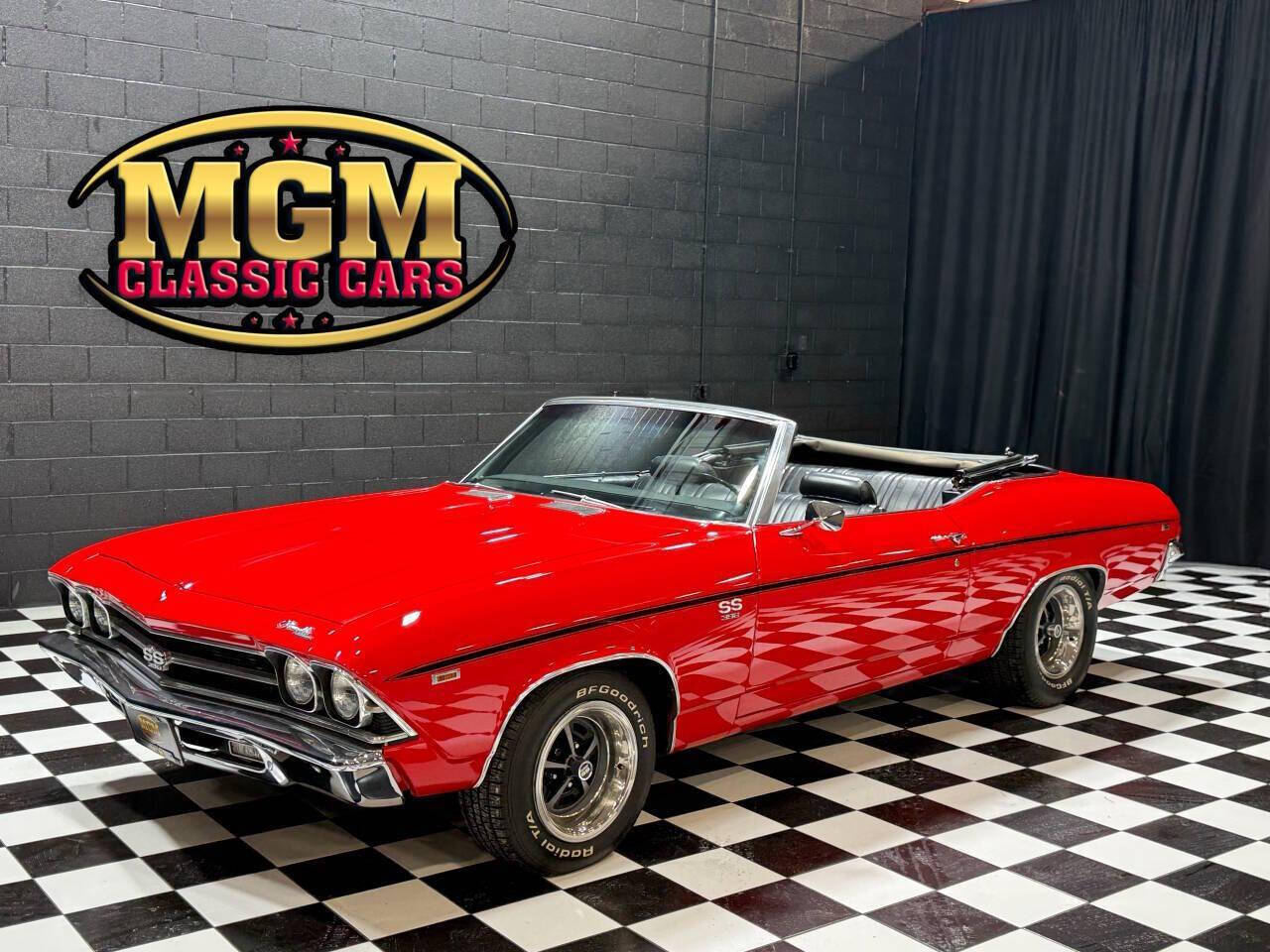
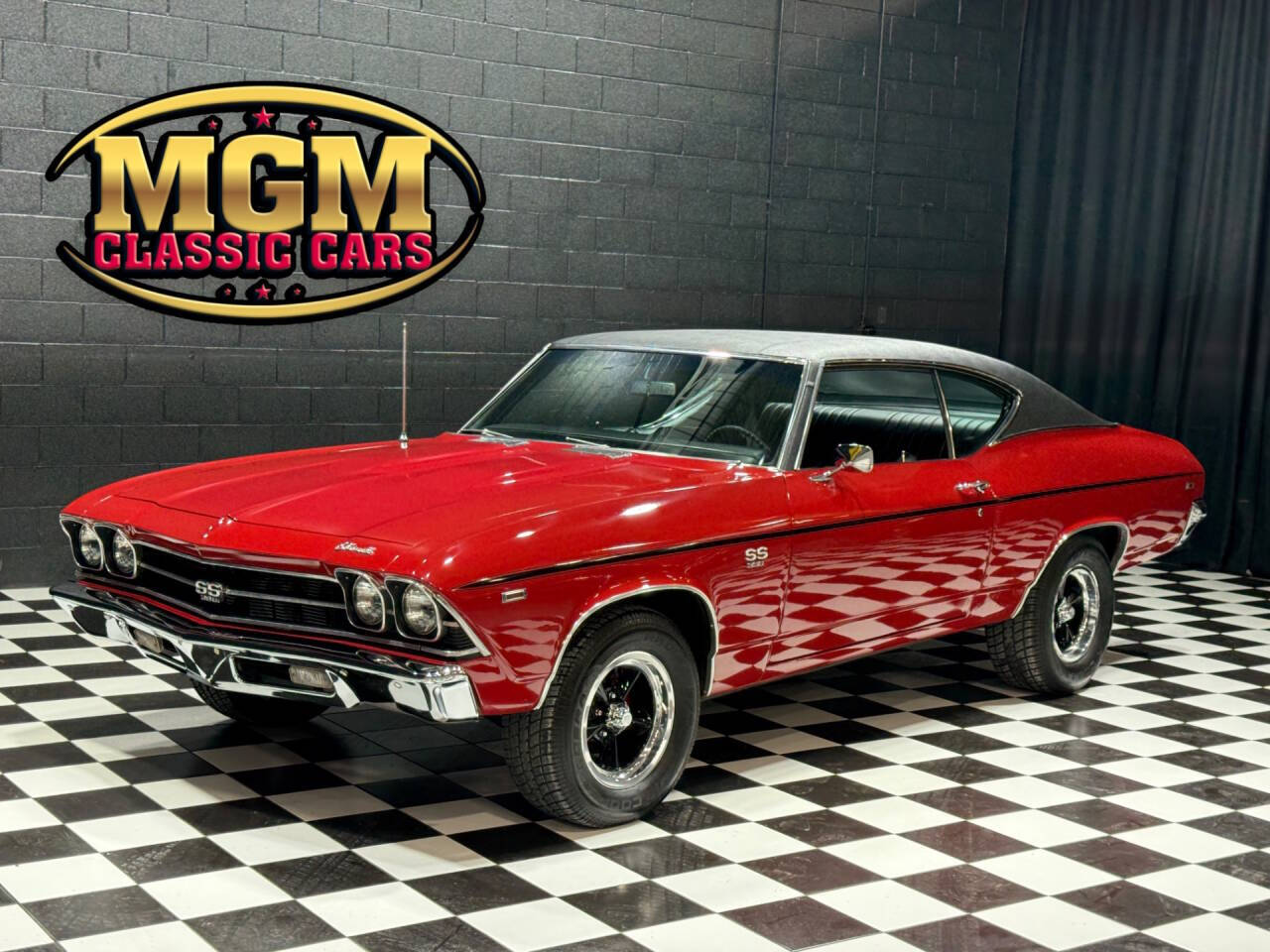
1969 Chevrolet Chevelle
 Dealer
United States
Dealer
United States
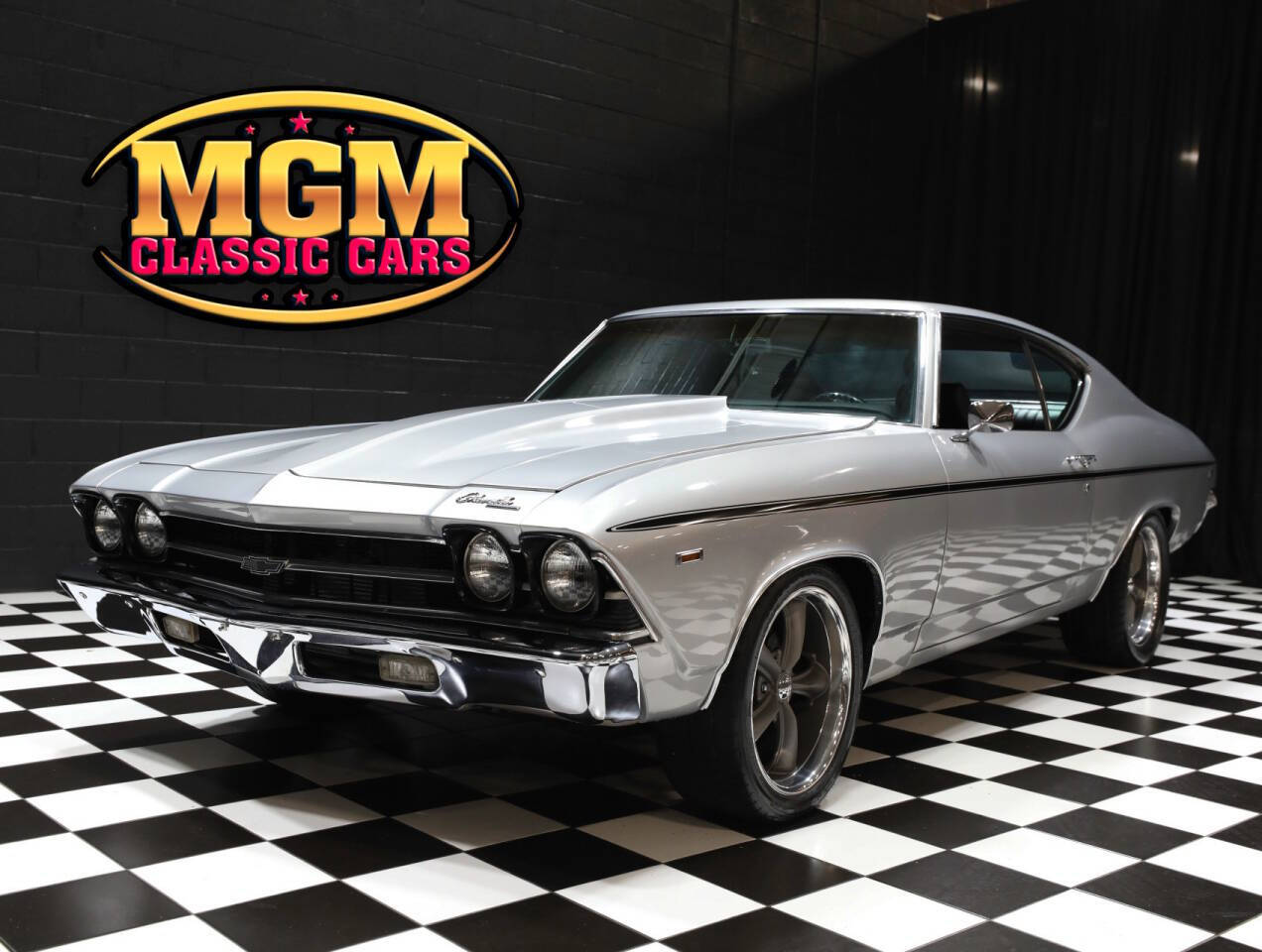
1969 Chevrolet Chevelle
 Dealer
United States
Dealer
United States
1969 Chevrolet Chevelle
Key Changes
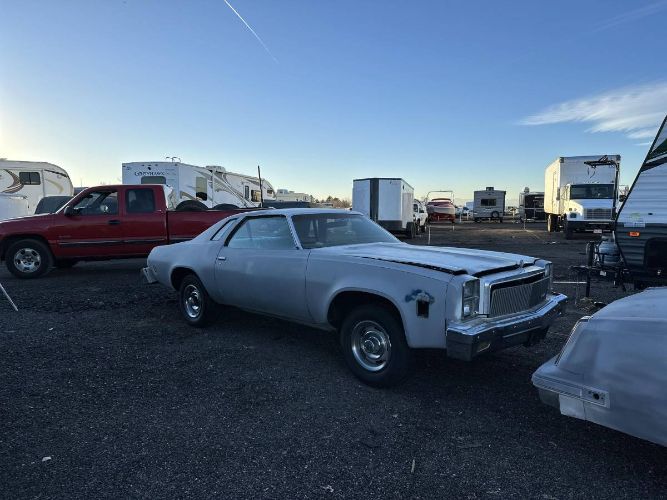
- → New Colonnade hardtop body for 1973
- → SS package ends after 1973
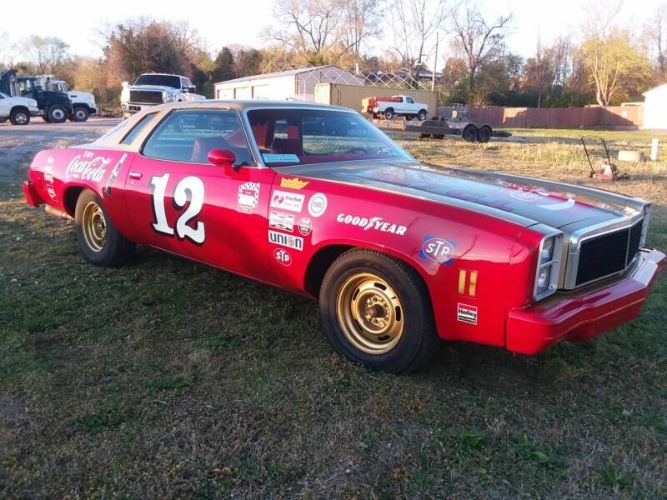
- → Laguna and Laguna S-3 performance trim
- → Laguna S-3 success in NASCAR
- → Emissions-era power throughout
Specs
| Engines | 250 I6, 350/400/454 V8 |
| Notable trim | Laguna S-3 |
| Body | Colonnade hardtop coupe, sedan, wagon |
| Character | Affordable seventies cruiser |
 Dealer
United States
Dealer
United States
1977 Chevrolet Chevelle
 Dealer
United States
Dealer
United States
1977 Chevrolet Chevelle
 Dealer
United States
Dealer
United States
1977 Chevrolet Chevelle
Legacy & Impact
If you want the legend, it lives in the 1968 to 1972 cars, and the 1970 SS454 LS6 is the one everybody chases. Just know that the market is full of clones, and a real SS with the cowl tag, build sheet, and matching numbers is a different animal than a small-block car somebody dressed up. The first-generation cars are honest and getting more appreciated, and even the Colonnade cars have their following now that the malaise years are far enough in the rearview. Whatever you buy, check the trim tag against the car. The Chevelle is one of the most faked muscle cars out there, and the paperwork is worth as much as the steel.
Frequently Asked Questions
Find a Chevelle for Sale
Browse active Chevrolet Chevelle listings on Classic Cars Arena.
View Listings →