
Chevelle SS vs Plymouth Road Runner — Budget Muscle Legends
The Chevrolet Chevelle SS and Plymouth Road Runner defined what muscle cars were supposed to be: maximum performance at accessible prices, with no-frills attitudes and big-block firepower. The Chevelle SS prioritized equipment and style; the Road Runner was deliberately stripped-down — named after the Warner Bros. cartoon character for its single-minded performance focus. Both are A-body mid-size platforms that delivered the goods at the street level.
Specs side-by-side
| Spec | Chevrolet Chevelle | Plymouth Road Runner |
|---|---|---|
| Platform | GM A-body | Mopar B-body |
| Launched as performance | 1966 (true SS) | 1968 |
| Top engine | LS6 454 (450 hp) | 426 Hemi (425 hp) |
| Hemi/LS6 value today | \$200,000–\$450,000+ | \$150,000–\$350,000+ |
| Driver-quality entry | \$55,000+ (SS 396) | \$45,000+ (383 Magnum) |
The case for Chevrolet Chevelle
Choose the Chevelle SS for the strongest big-block muscle credentials in the GM A-body lineup and the most collectible single year in muscle-car history: the 1970 LS6 454, factory-rated at 450 hp, is widely regarded as the highest-output production muscle car of its era. The SS 396 cars (1966-1969) are the volume collector pick with broad parts support, while the 1970-1972 SS 454 cars represent the heavy-hitting pinnacle. The Chevelle SS also offers more interior refinement and equipment options than the intentionally austere Road Runner.
The case for Plymouth Road Runner
Choose the Road Runner if you want the pure muscle-car philosophy at its most distilled. Plymouth priced the Road Runner below equivalent Chevelles intentionally — a base Road Runner with the 383 Magnum came in under $3,000 in 1968. The 426 Hemi was a $714 option on the Road Runner, making it the most affordable path to Hemi power in the Mopar lineup. Today, documented Road Runner Hemis trade at strong premiums. The Air Grabber hood scoop, classic cartoon badging, and "beep beep" horn make it the most personality-laden muscle car of the era.
Verdict
For pure investment value at the top end, the 1970 LS6 Chevelle SS 454 wins — it's the most powerful production muscle car of the era and values reflect that. For character, originality of concept, and the purist muscle-car experience, the Road Runner is unmatched. At the driver-quality level, both are comparably priced; the Chevelle has more parts support and the Road Runner has more personality. Buy the one whose philosophy matches yours.
Recent Chevrolet Chevelle listings
 Dealer
 United States
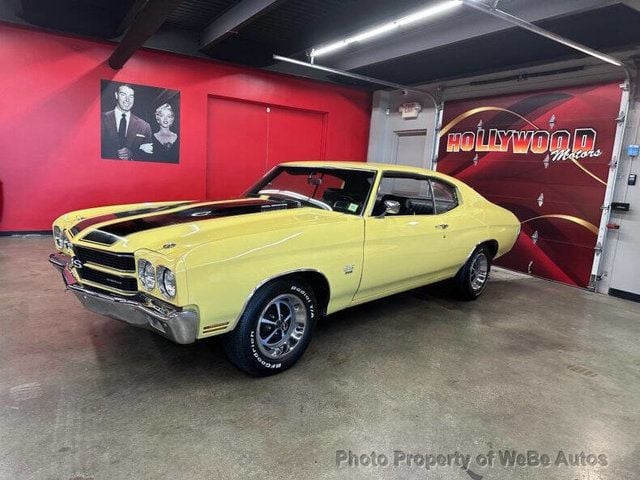
1970 Chevrolet Chevelle
 Dealer
United States
Dealer
United States
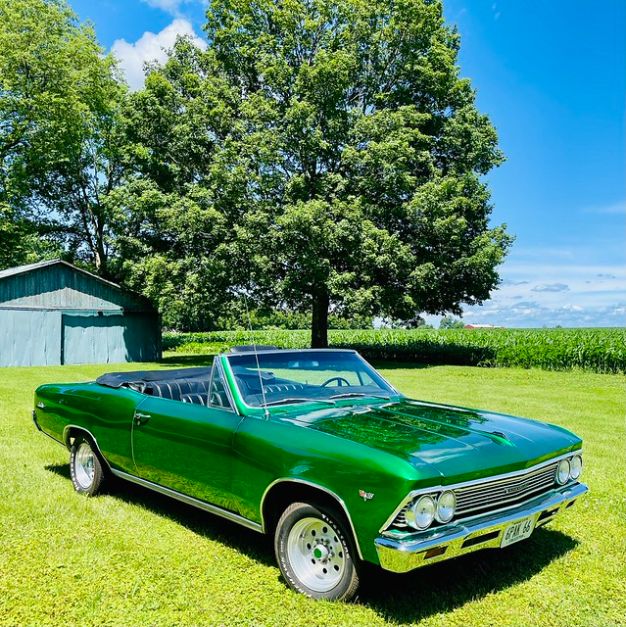
1966 Chevrolet Chevelle
 Dealer
United States
Dealer
United States
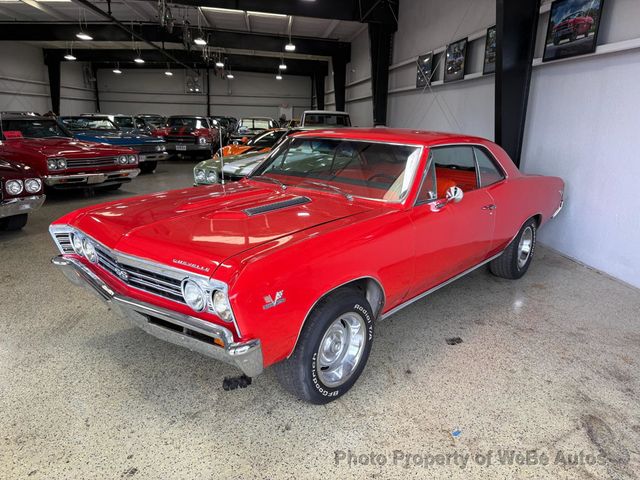
1967 Chevrolet Chevelle
 Dealer
United States
Dealer
United States
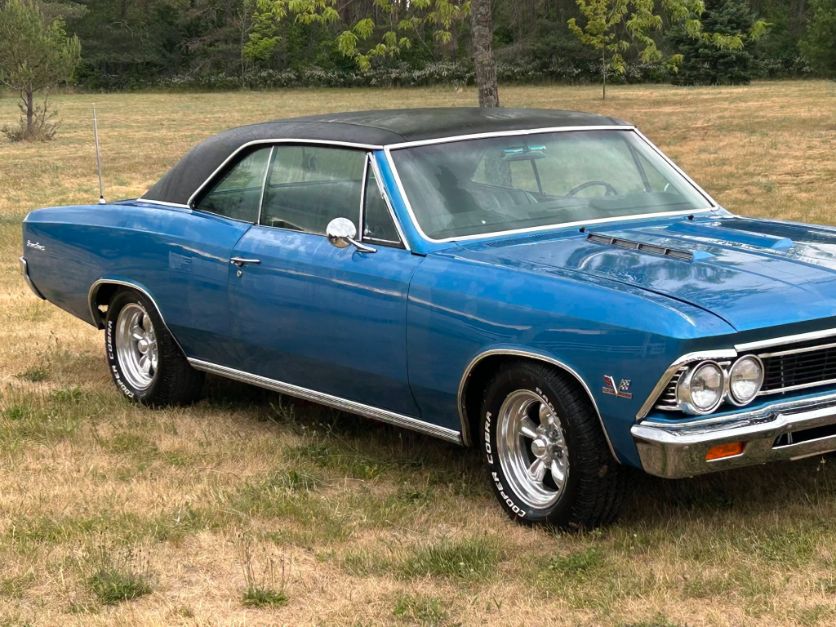
1966 Chevrolet Chevelle
Recent Plymouth Road Runner listings
 Dealer
United States
Dealer
United States
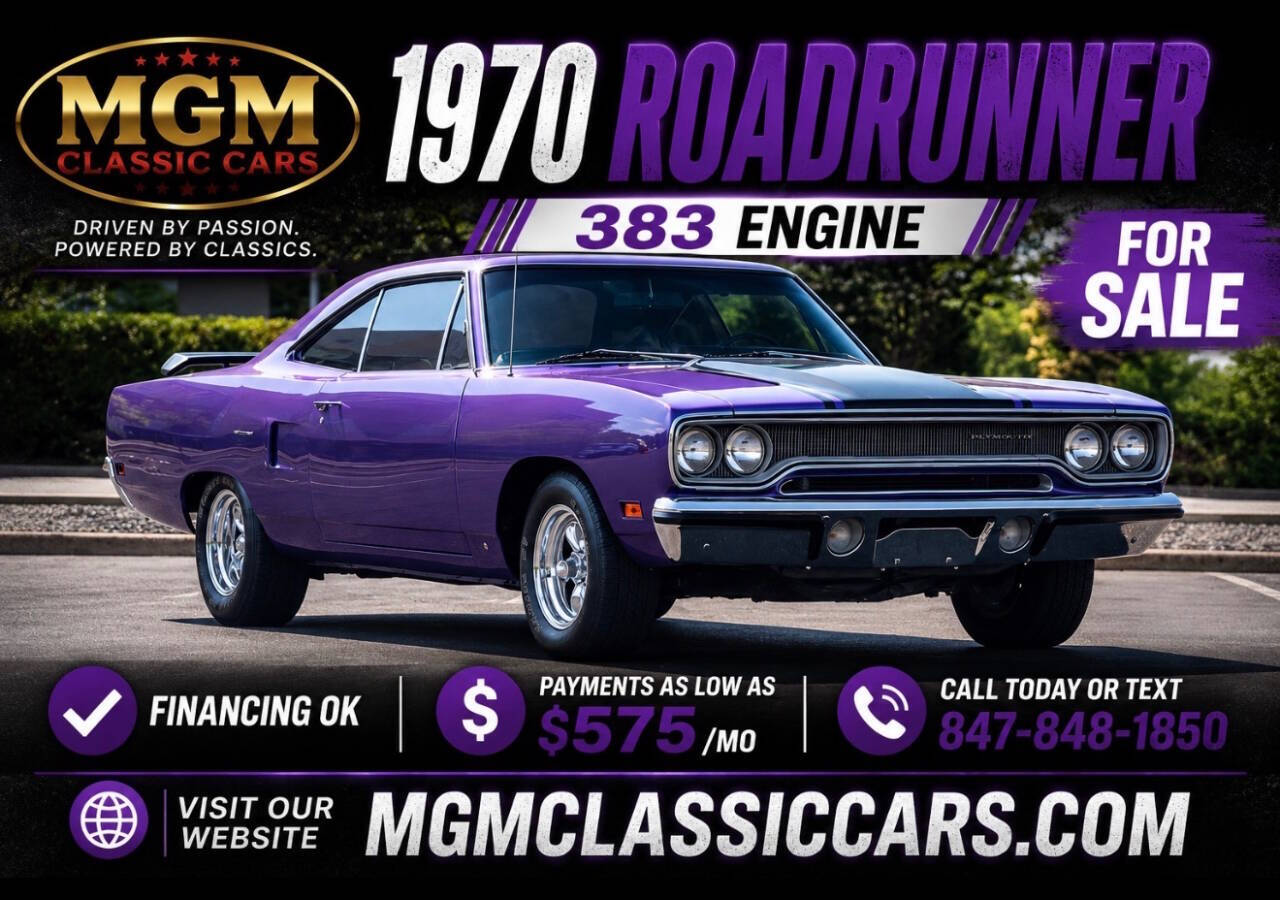
1970 Plymouth Road Runner
 Dealer
United States
Dealer
United States
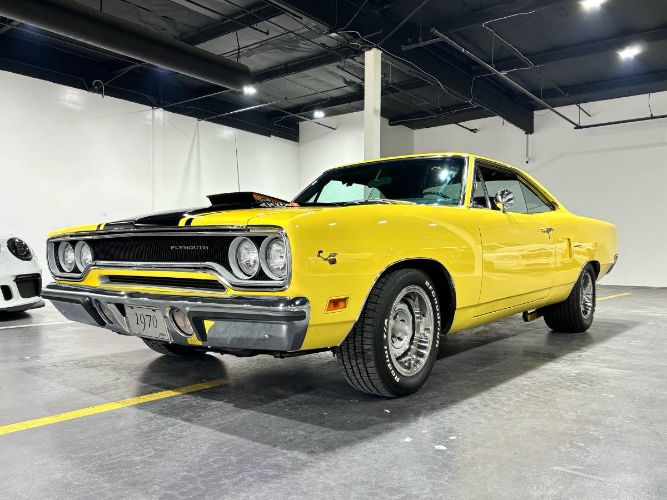
1970 Plymouth Road Runner
 Dealer
United States
Dealer
United States
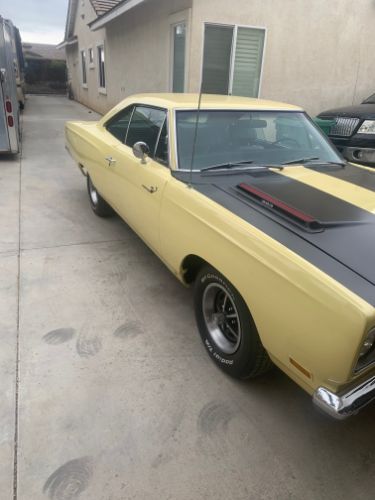
1969 Plymouth Road Runner
 Dealer
United States
Dealer
United States